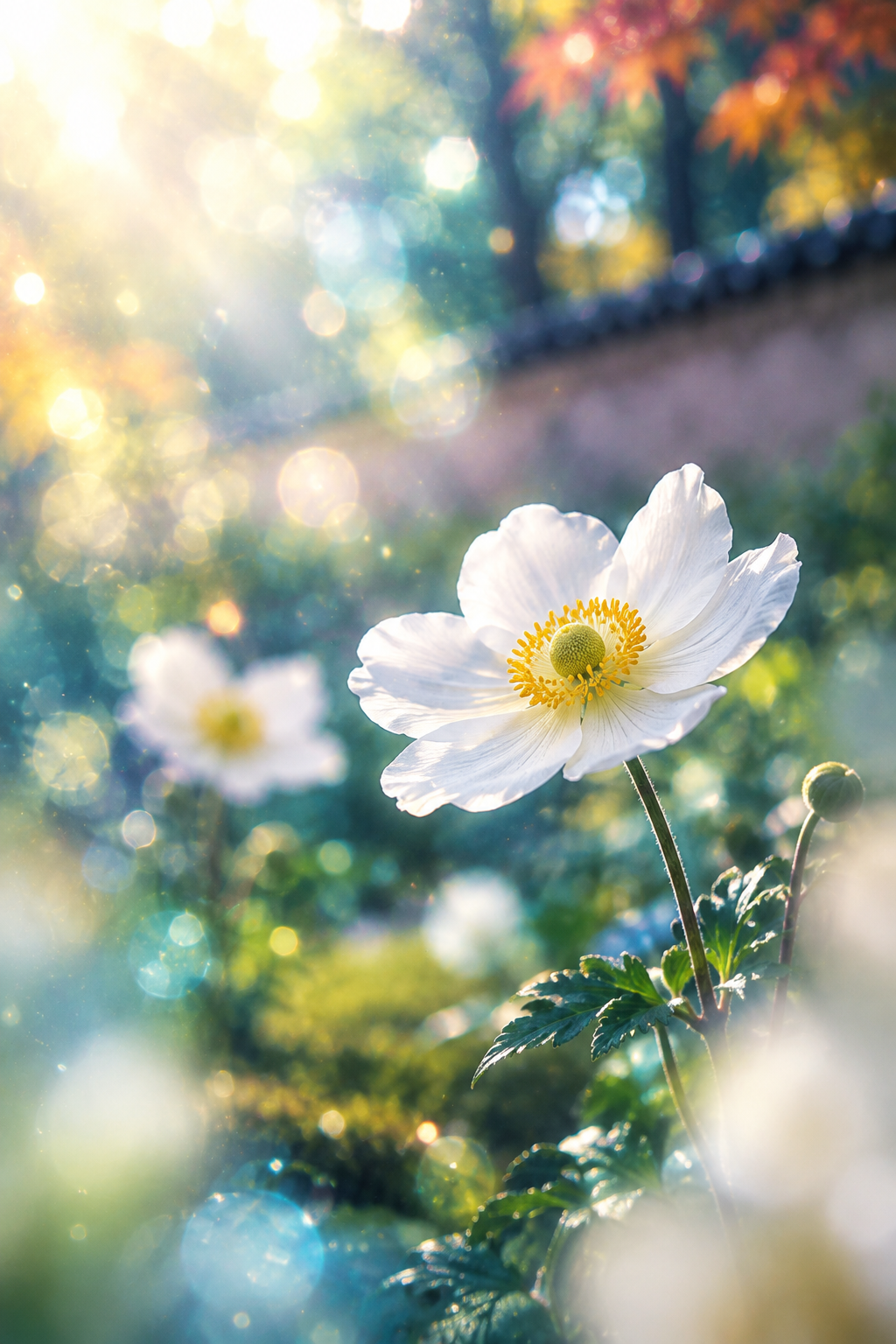
White Anemone in the Temple Sunbeams
Critique
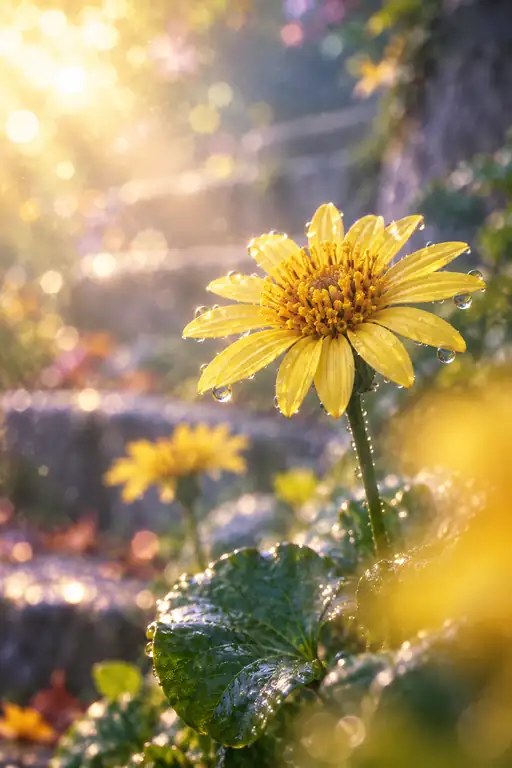
1. Introduction This graceful botanical painting depicts a white Japanese anemone blooming in the courtyard of a traditional garden in autumn. Positioned in the center-right foreground, the blossom unfurls translucent white petals around a green pistil encircled by golden stamens. Beyond the flower, tiled earthen walls and crimson maples evoke an atmosphere of quiet elegance. 2. Composition and Space The spatial organization uses a low-angle perspective that emphasizes the slender stem rising from dark foliage. In the background, an earthen wall capped with clay tiles cuts across the upper right, surmounted by vibrant autumn maples. Streaming light from the upper left and a blurred companion blossom create a spacious garden plane. 3. Light and Color The palette is anchored by the clean white of petals, balanced by radiant yellow stamens and deep emerald leaves. Autumn sunlight pours from the upper left, casting diagonal rays and scattering hexagonal bokeh across the air. Earthy tones of the wall and fiery splashes of maple red provide a warm backdrop that sharpens the white bloom. 4. Texture and Technique Delicate brushwork captures the tactile anatomy of the anemone with precision. The paper-thin translucence of petals, fine veining, and the velvety texture of the green core are rendered with fidelity. In contrast, distant architectural elements and tree branches dissolve into impressionistic light patterns, emphasizing seasonal stillness. 5. Conclusion Through its dazzling handling of autumn light and garden scenery, the painting elevates the Japanese anemone into a symbol of quiet purity. The harmony of pristine petals and traditional architecture offers the viewer a tranquil sanctuary, celebrating the subtle grace inherent in autumn's gentle decline.
Same Subcategory
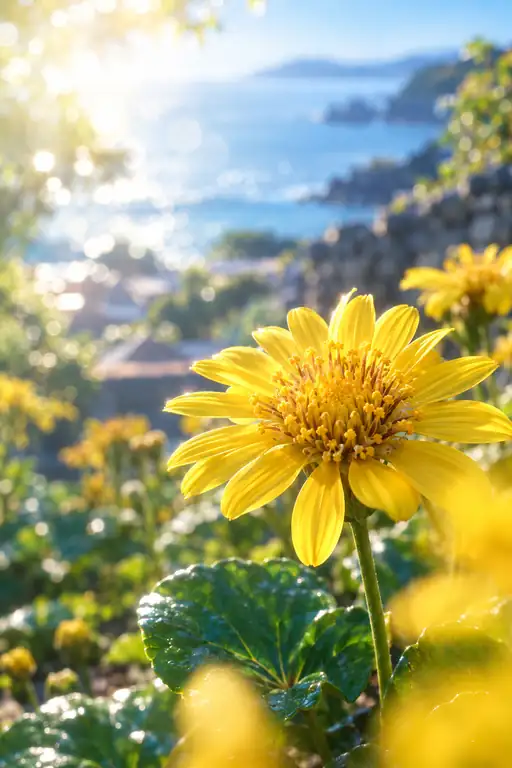 Gilded Petals Facing the Ocean Light
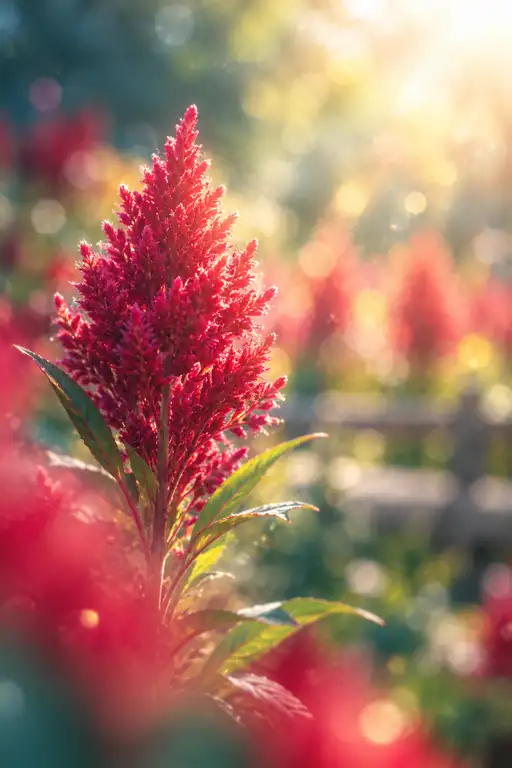 Plume of Crimson Sunfire
Similar Artworks
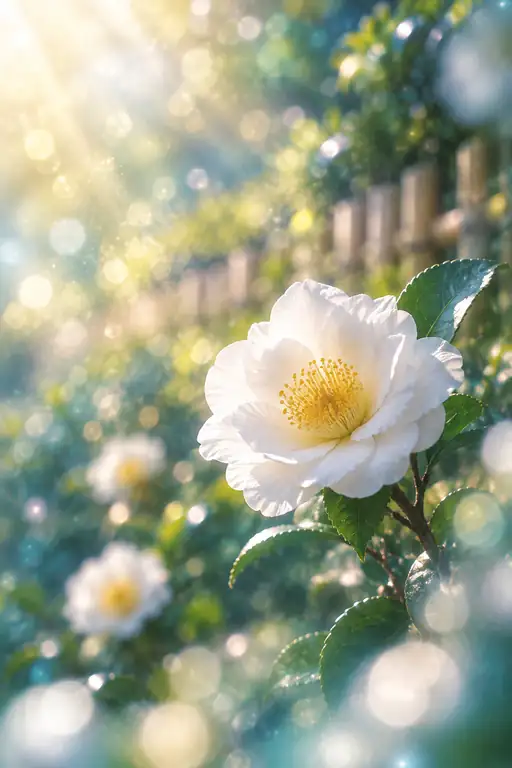 White Camellia by the Bamboo Fence
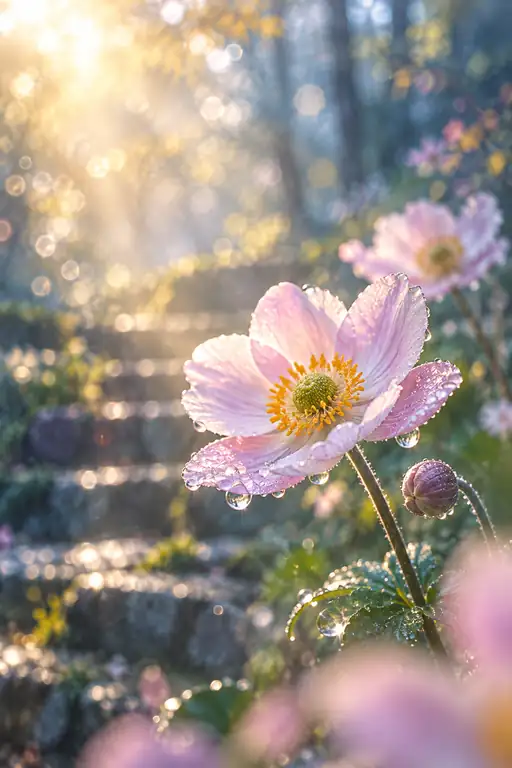 Dewlit Blossom on the Ancient Steps
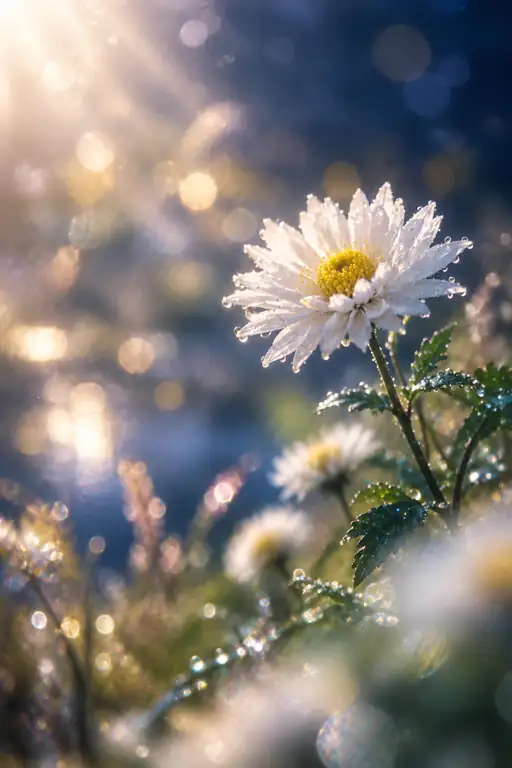 Crown of Frostlit Pearls
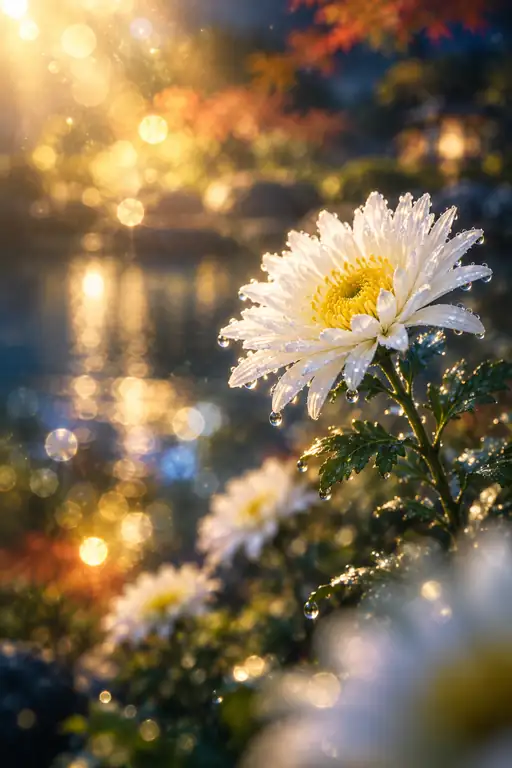 Dewlit Chrysanthemum by the Golden Pond
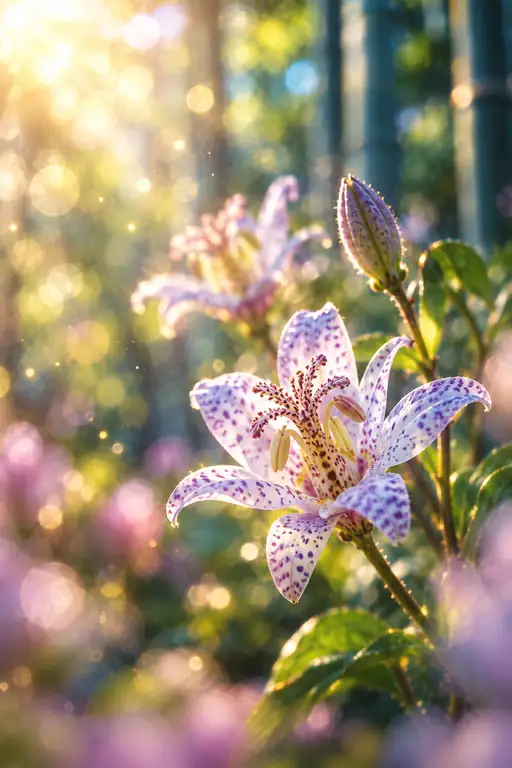 Crown of Petals in the Bamboo Grove
 Camellia Beside the Arched Bridge
 Lavender Clusters by the Garden Wall
 Vessel of Morning Light by the Earthen Wall
 Quiet Rest in the Autumn Park
 Drops of Sunlight on the Temple Steps