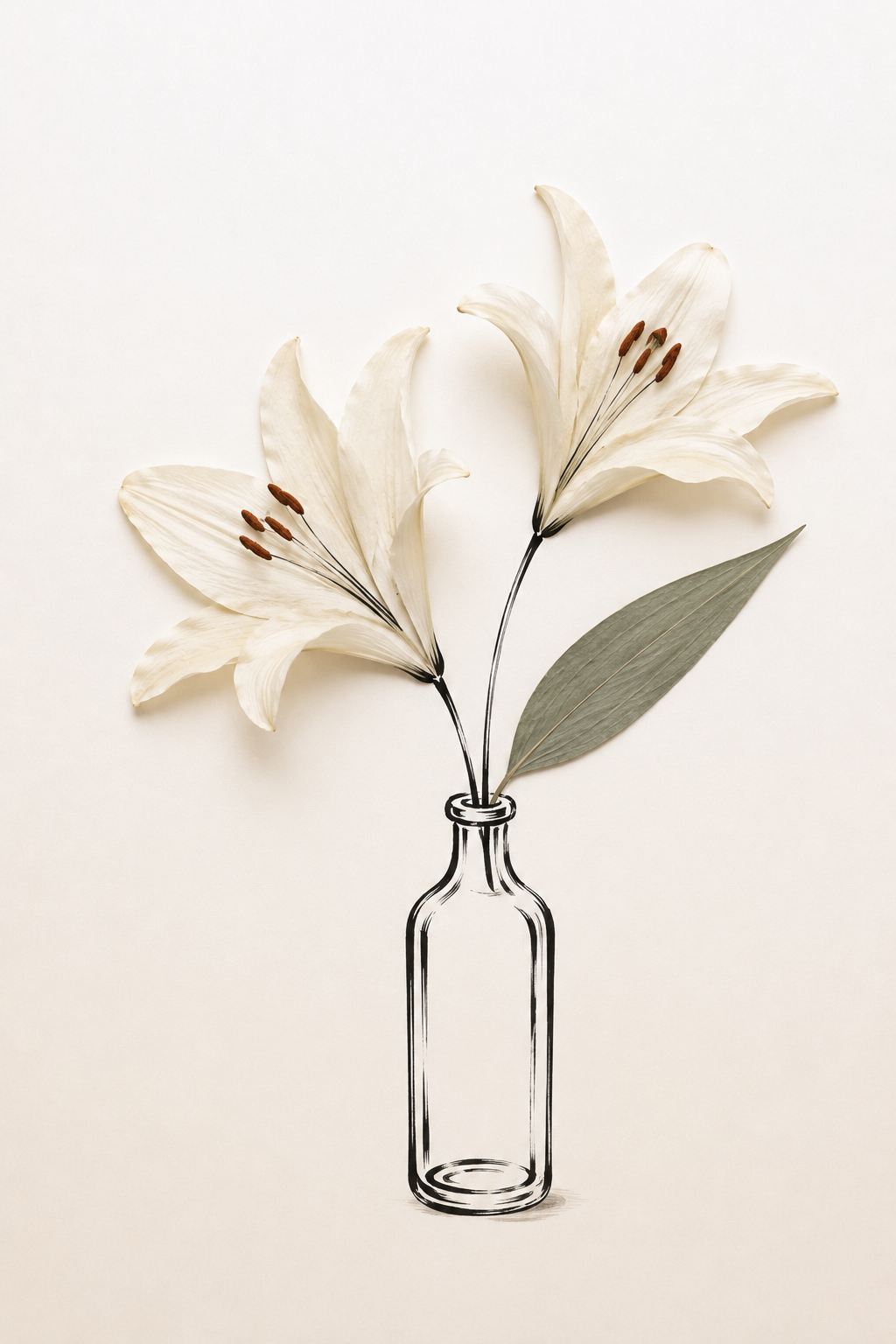
Two Blossoms in Pure Equilibrium
Critique
Introduction This still life isolates two white lilies and one elongated leaf above a drawn glass bottle. The flowers are materially rendered, while stems and container shift into black ink, producing a study of openness, direction, and selective presence. Description The bottle stands near the lower center with a narrow rim, straight shoulders, and an elliptical base. Two slender stems diverge from its mouth. The left lily opens broadly toward the viewer and leans outward; the upper-right flower rises higher and turns slightly upward. Rust-colored anthers project from both pale blooms. A gray-green leaf extends sharply to the right between flower and vessel. Analysis The arrangement is built from three radiating directions: left flower, upper flower, and right leaf. Their spread is anchored by the bottle’s vertical axis and compressed neck. Curved petals oppose the leaf’s single pointed blade, while dark stamens repeat the ink stems in finer lines. Soft shadows emphasize petal thickness, yet ample blank space preserves lightness. The near-monochrome palette makes the muted green and brown details structurally important. Interpretation and Evaluation The selective change from drawn support to tangible bloom suggests growth emerging from an imagined container. Two lilies share a source but display distinct orientations, giving the arrangement a restrained sense of individuality. The draftsmanship is confident in the bottle’s transparent form, and the asymmetrical composition remains stable. Particularly effective is the leaf, whose quiet diagonal prevents the open flowers from becoming a merely symmetrical pair. Conclusion At first the image seems like a conventional botanical study, but closer viewing clarifies its disciplined orchestration of three gestures. Precise spacing, restrained color, and the transition from ink to petals make simplicity itself the work’s expressive strength.
Same Subcategory
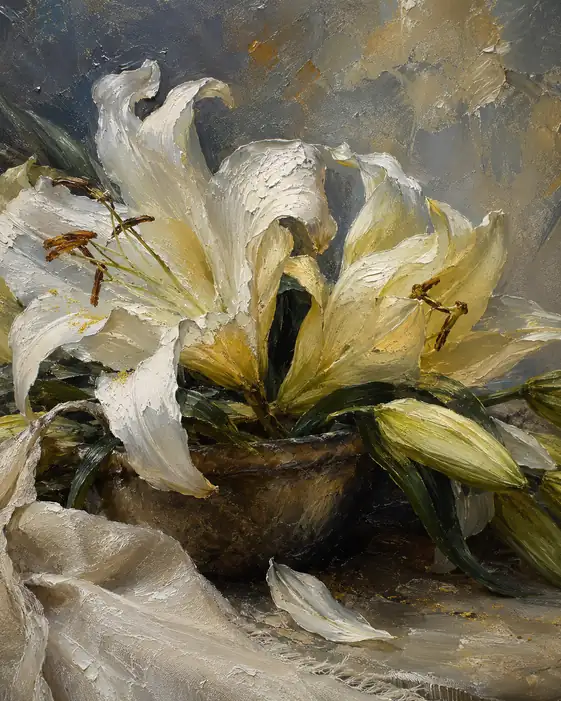 Silent Bloom, Fleeting Time
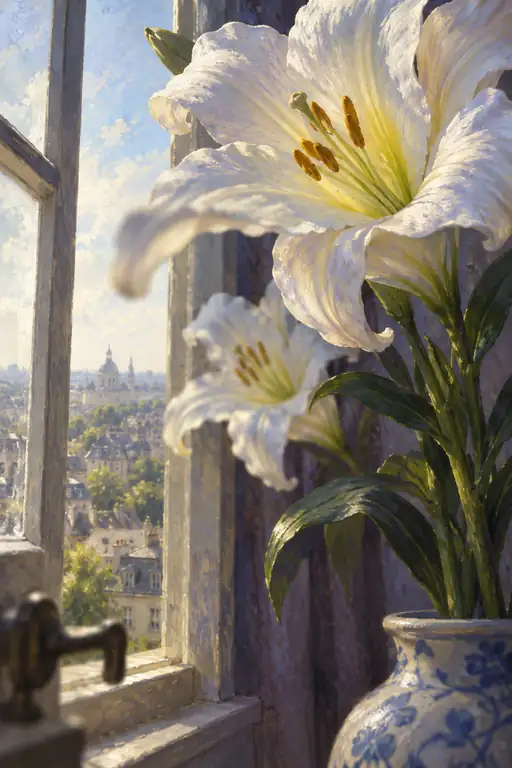 White Lily Over the Morning Mansards
Similar Artworks
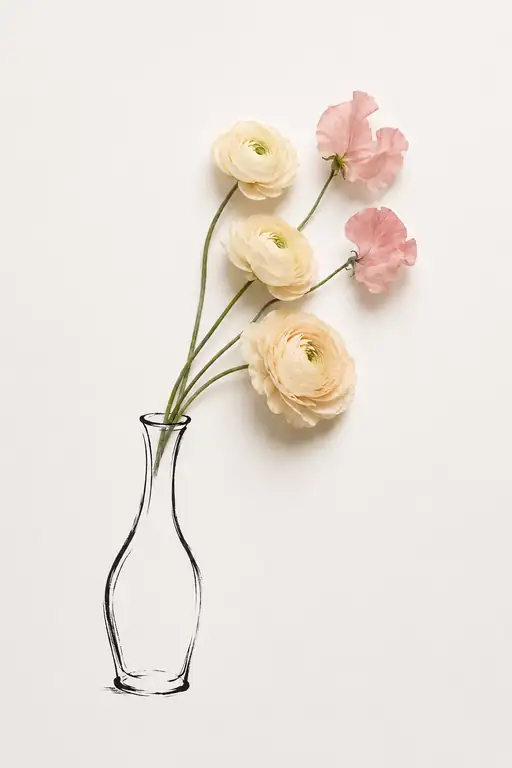 The Gentle Arch of Morning Blooms
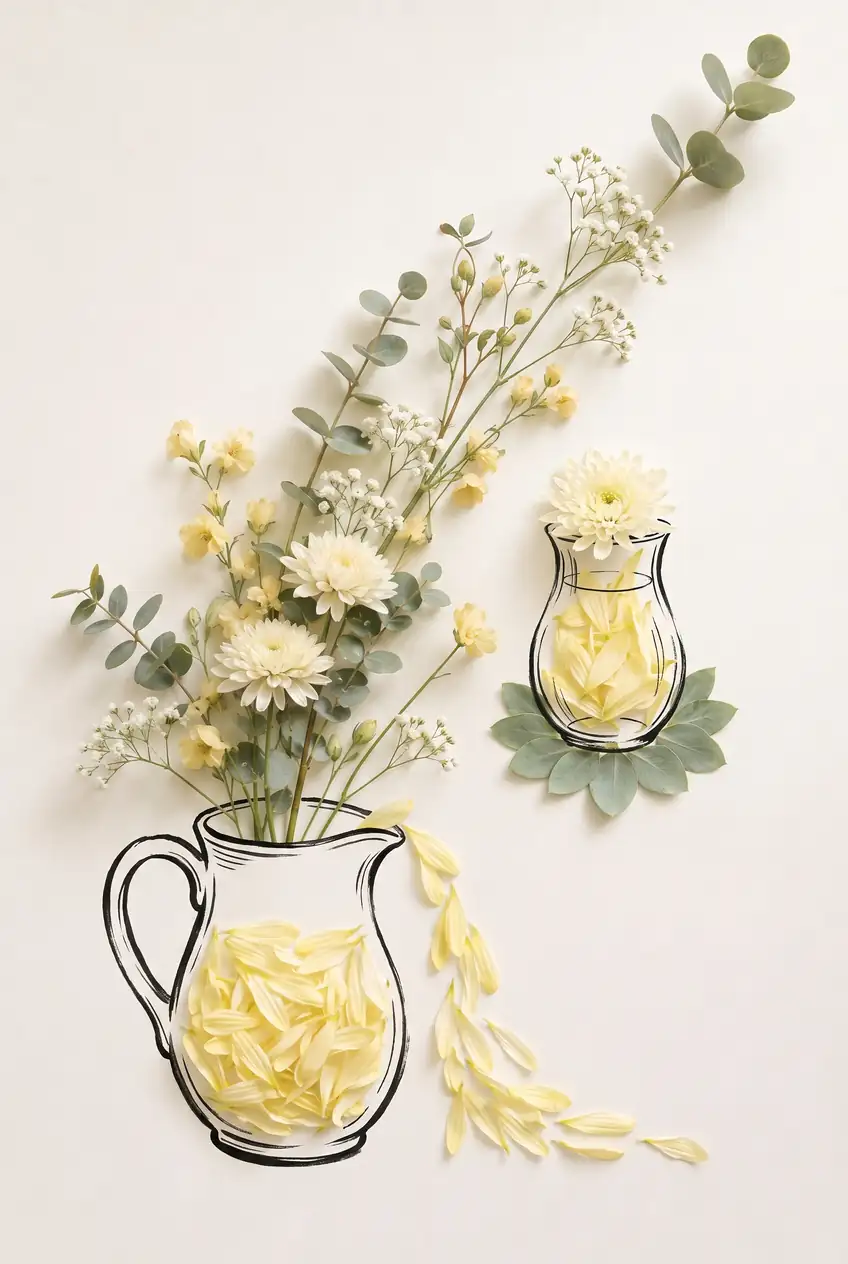 Resonance of Morning Pale
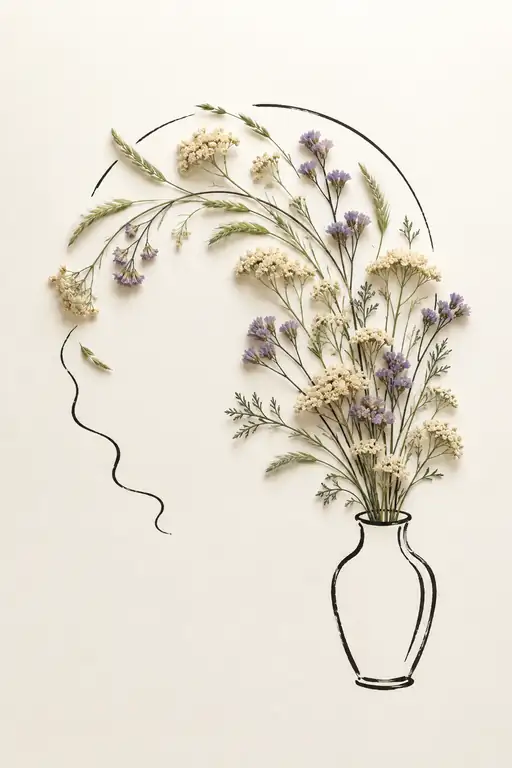 The Mind in Bloom
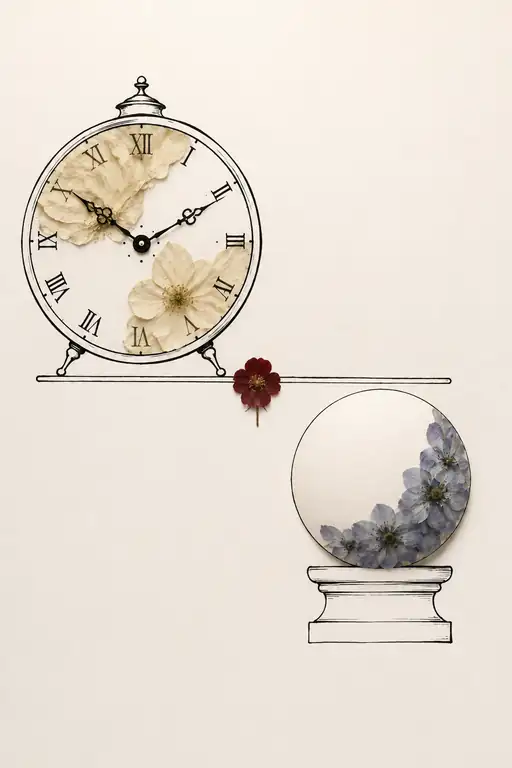 The Geometry of Fleeting Hours
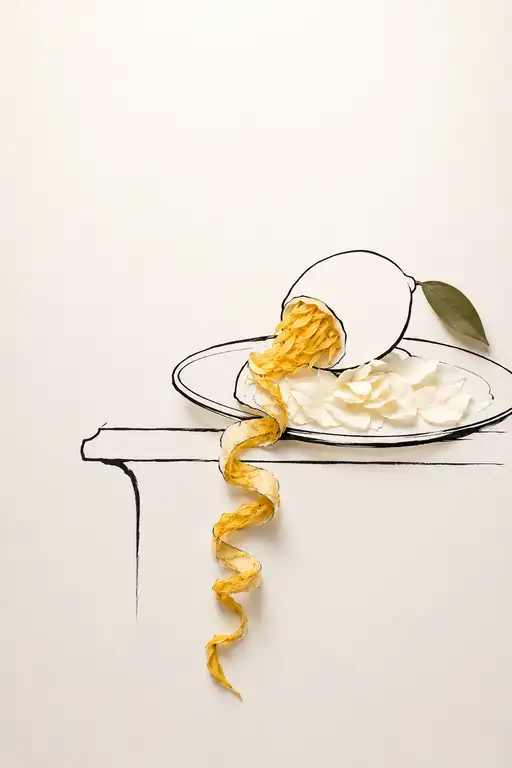 Descent of the Unfolding Spiral
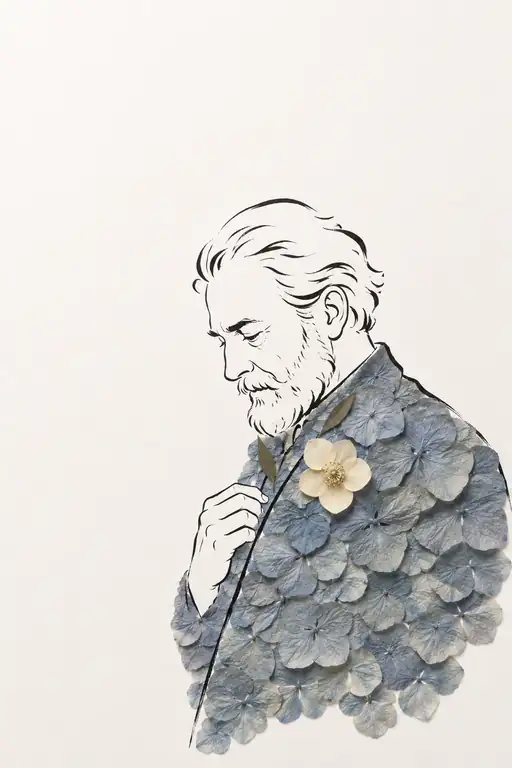 Quiet Contemplation of the Passing Years
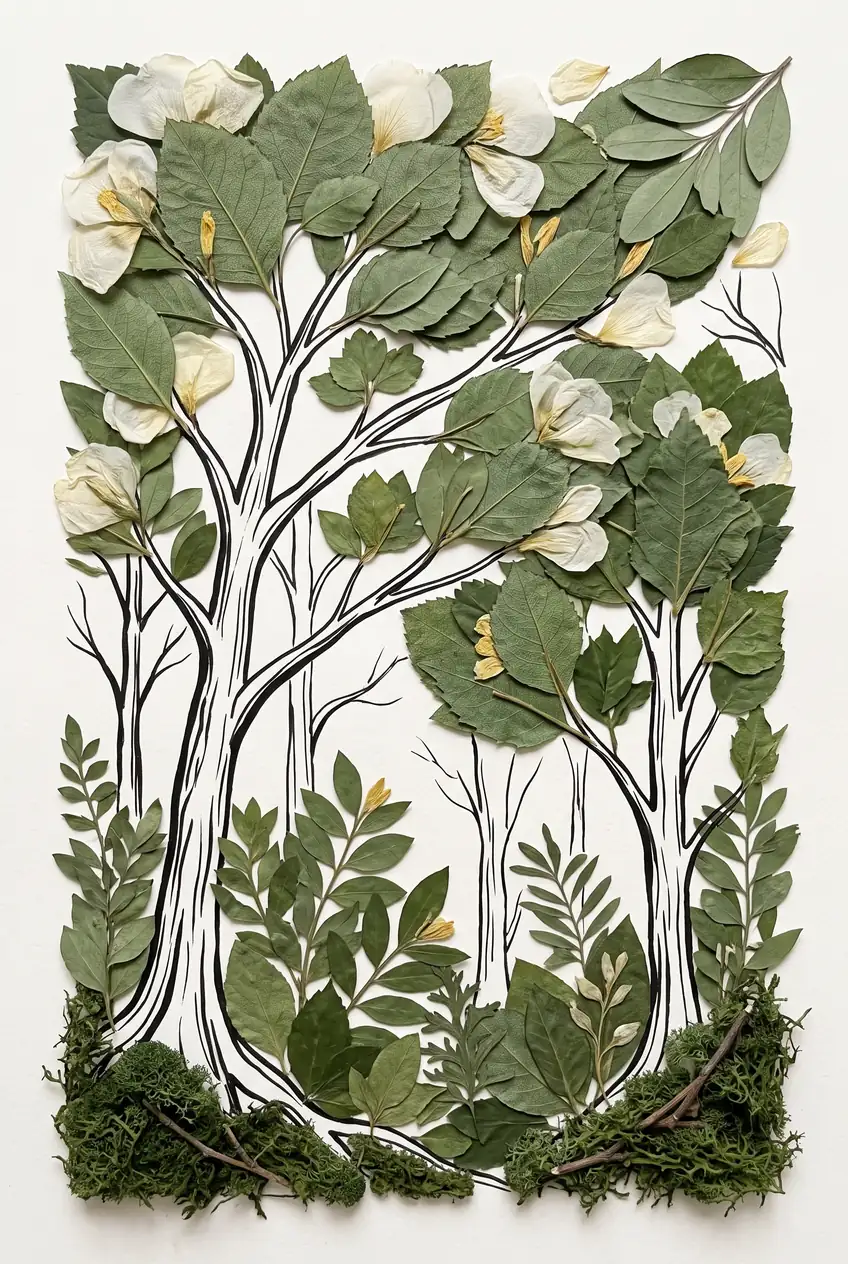 Quiet Sanctuary of Pressed Foliage
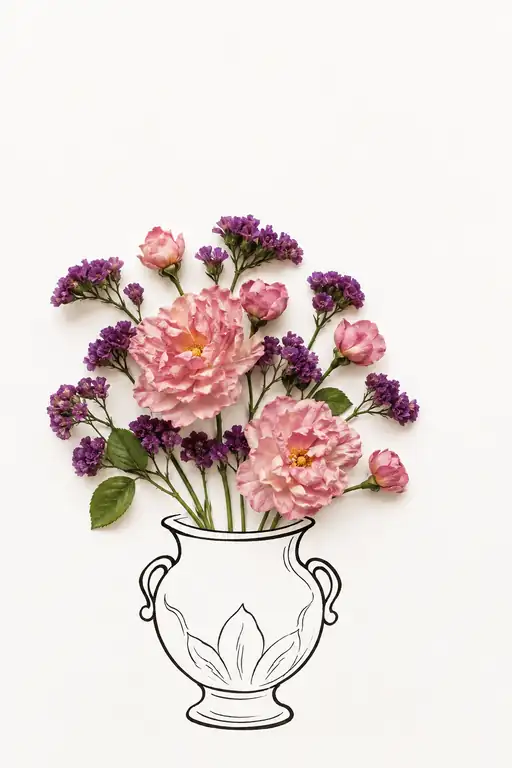 Classical Urn Graced with Pink and Purple
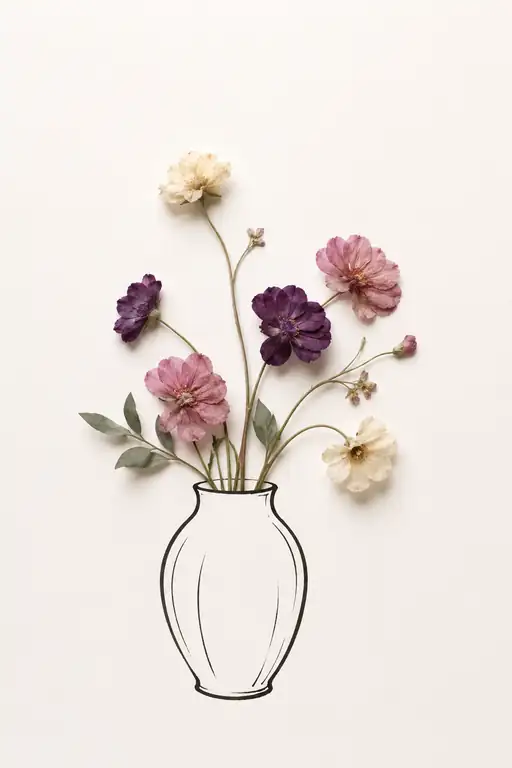 Gentle Blossoms in a Minimal Vase
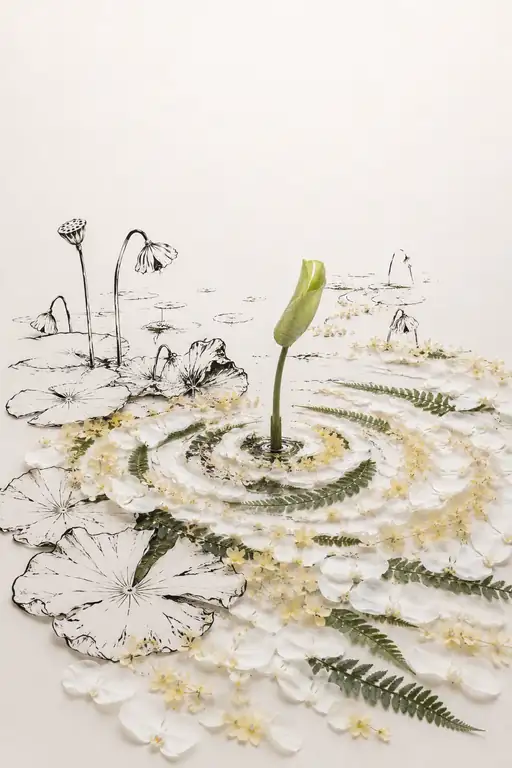 Emergence from the Withered Waters