The Sculptor's Muse and the Hands of Creation
Critique
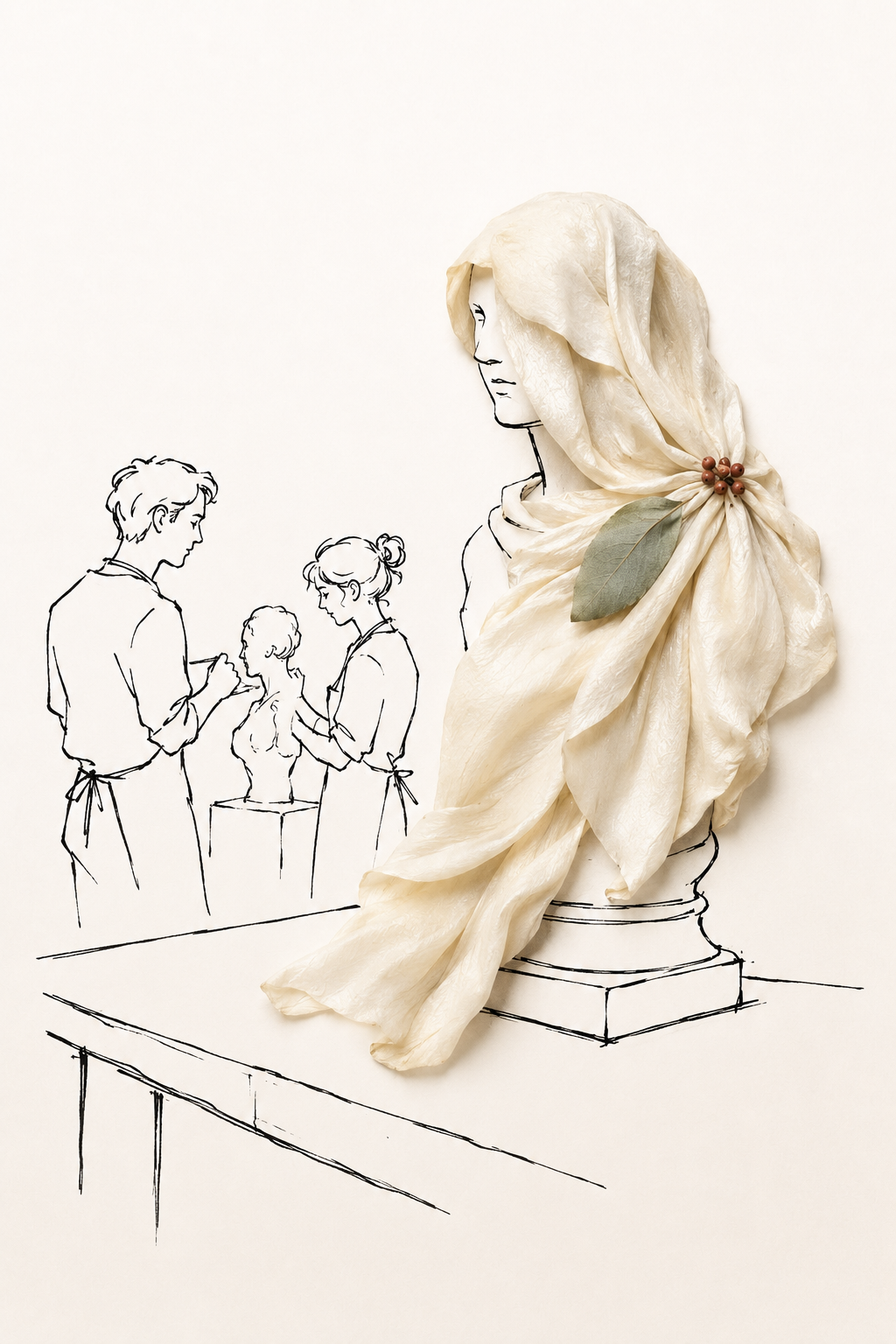
Introduction This studio scene contrasts a draped bust in the foreground with artists working around a smaller figure behind it. The sculpture is drawn and constructed from cream petals, turning a lesson in representation into an encounter between line, volume, and botanical texture. Description The bust dominates the right side, facing left from a round pedestal set on a square base. Broad pale folds cover its head, shoulder, and chest, gathered by red berries and a gray-green leaf. At left, two standing artists face a small nude torso on a block while a third figure is partly hidden. Long table edges cross the lower field. Analysis Extreme difference in scale separates the finished-looking foreground presence from the workshop group. The bust’s flowing fabric descends diagonally toward the lower left, visually connecting it to the students. Heavy petal folds cast soft shadows, unlike the spare black contours of faces, aprons, plinths, and furniture. Red berries provide the only warm accent and secure attention at the shoulder where the drapery changes direction. Interpretation and Evaluation The scene considers how observation becomes an artwork. The small artists study a bounded body, yet the nearby bust exceeds their scale and seems animated by organic material. Clear spatial placement and economical gestures make the workshop readable, while the sculptural drapery demonstrates strong control of texture and weight. Combining petals with a drawn pedestal is especially inventive because softness convincingly assumes the authority of stone. Conclusion Initially the veiled head appears to be the subject, but closer viewing makes the modest working group essential. The composition shifts attention from a finished icon to the patient acts of looking and making that stand behind it.
Same Subcategory
 The Birth of a Golden Sky
Similar Artworks
 The Classical Form and the Breath of Stillness
 Across the Unmirrored Glass
 Quiet Contemplation of the Passing Years
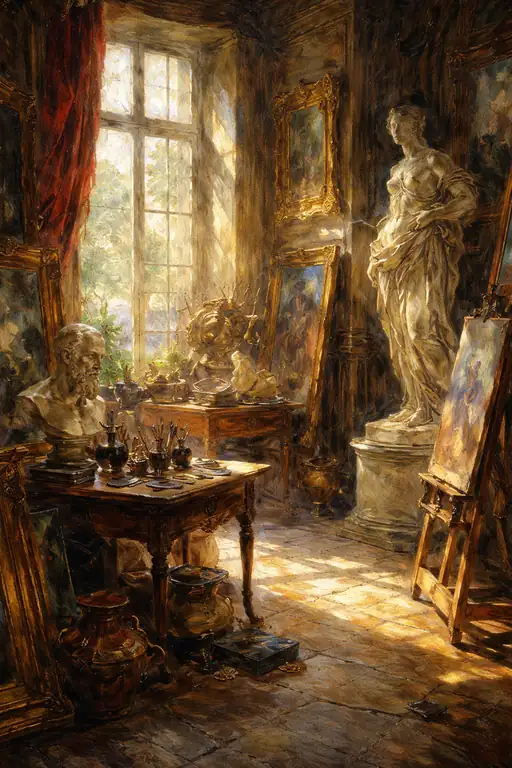 Light upon the Classical Studio
 Whispers of the Canvas
 Awakening the Marble Soul
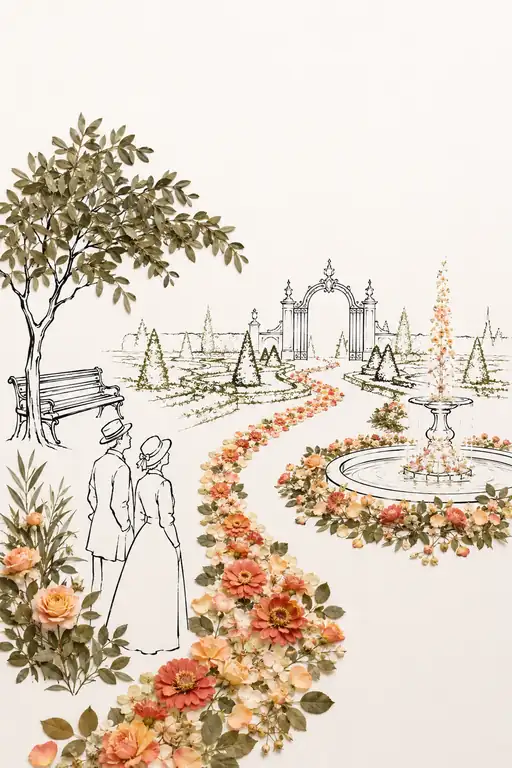 Pathway to the Sunlit Gate
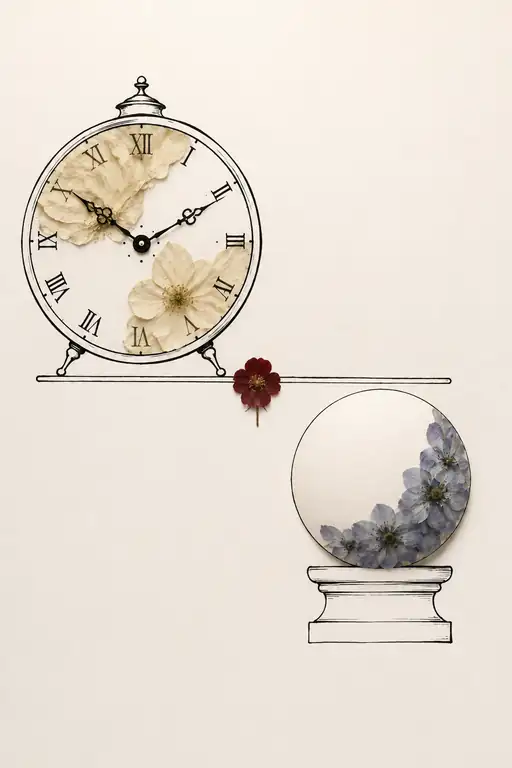 The Geometry of Fleeting Hours
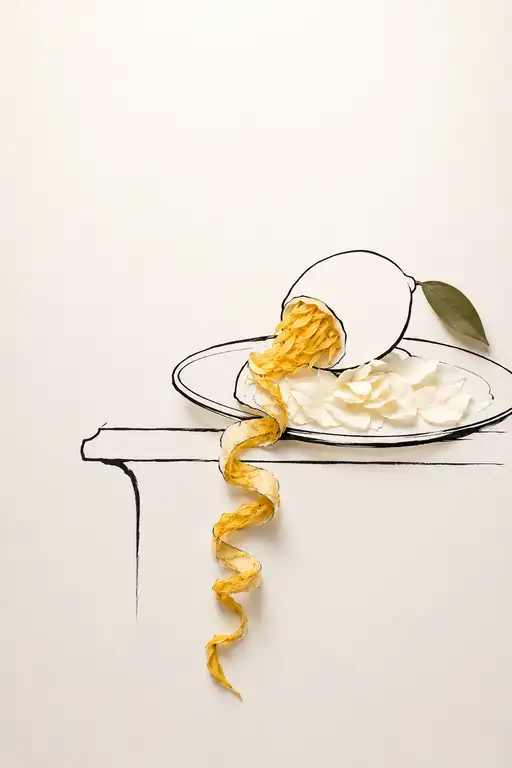 Descent of the Unfolding Spiral
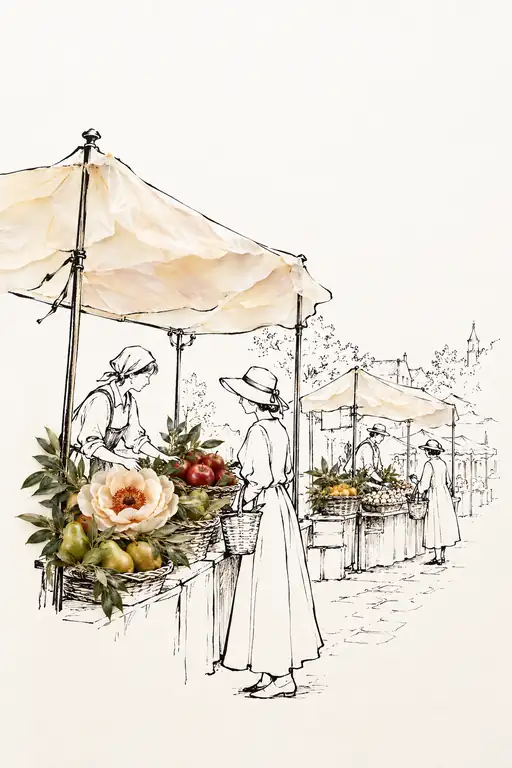 Morning Exchange at the Sunlit Market