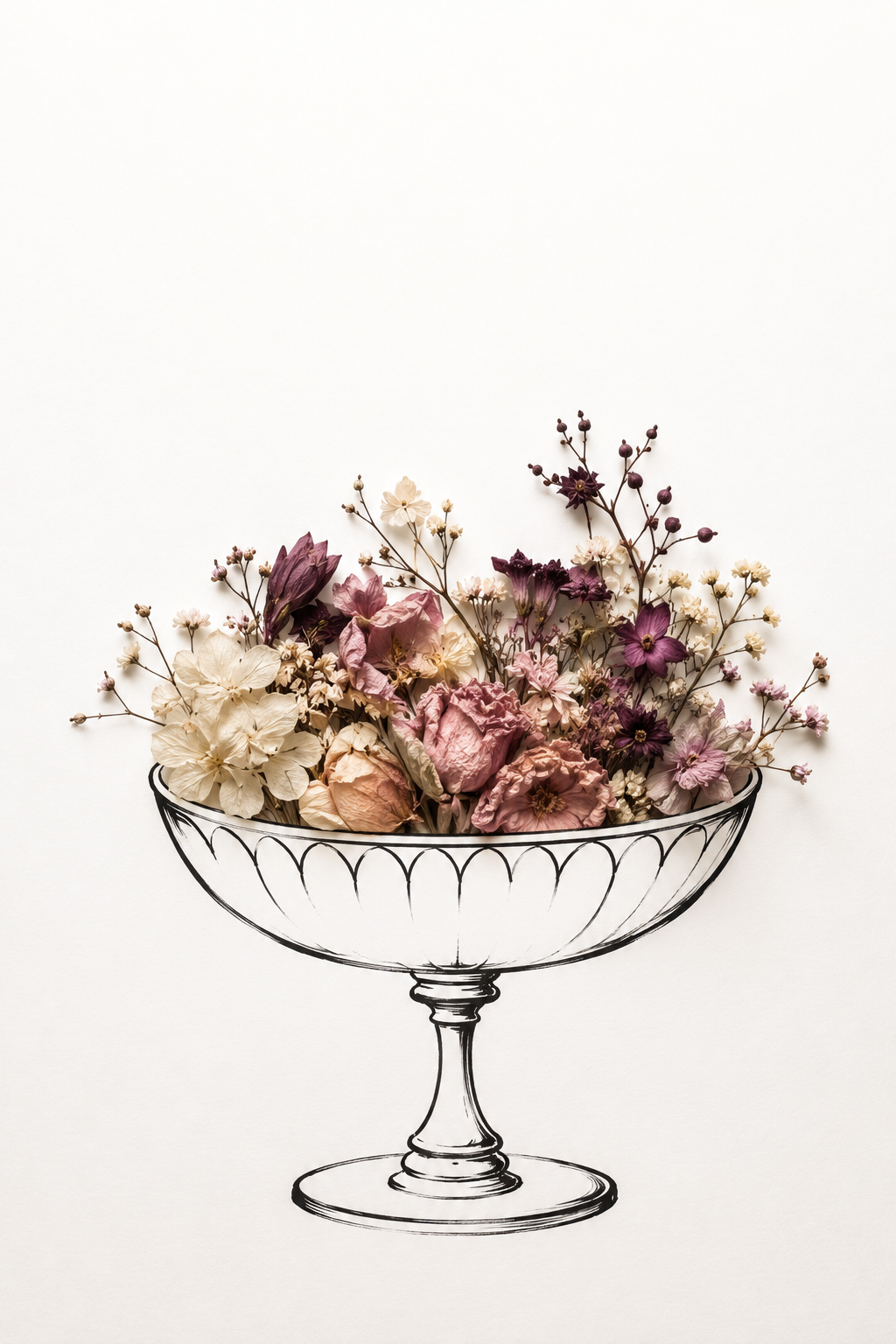
Autumn Bloom in Crystal Chalice
Critique
Introduction This floral still life places a lavish, timeworn bouquet inside a crisply inked pedestal bowl. Cream hydrangeas, crushed blush roses, plum star flowers, and branching buds rise from a transparent imagined vessel. The contrast between botanical decay and classical symmetry makes the arrangement feel ceremonial, intimate, and conscious of its own impermanence. Description The wide bowl occupies the lower center on a tall stem and circular foot. Its rim and repeating scalloped decoration are drawn in black, leaving the interior white. Above it, dense cream and pink blossoms form a low central mound. Dark purple flowers and bud-laden stems rise at different heights, especially on the right. Tiny pale sprays extend beyond the bowl’s edges and loosen the silhouette. Analysis The vessel’s bilateral symmetry and stable horizontal rim support an asymmetrical bouquet. Large pale flowers create mass near the base, while thin branching stems lift the eye and introduce air. Plum accents establish depth among muted cream and rose. Ink scallops echo petal arcs, linking container and contents without making them identical. Generous blank space above allows the tallest buds to remain delicate rather than crowded. Interpretation and Evaluation The arrangement resembles an offering, memorial, or preserved harvest. Wrinkled petals refuse ideal freshness, presenting beauty as something altered but not erased by time. The transparent bowl may imply that form and ritual, rather than physical material, hold the flowers together. Dark buds suggest both endings and unopened futures. The mixture of collapse and upward growth gives the still life emotional complexity. Conclusion The work succeeds through its conversation between disciplined line and unruly botanical texture. The bowl provides dignity and compositional order; flowers introduce memory, vulnerability, and individual difference. Every faded surface remains visually valued. Refined yet unsentimental, the image presents preservation not as stopping time but as learning to see what transformation leaves behind.
Same Subcategory
Similar Artworks
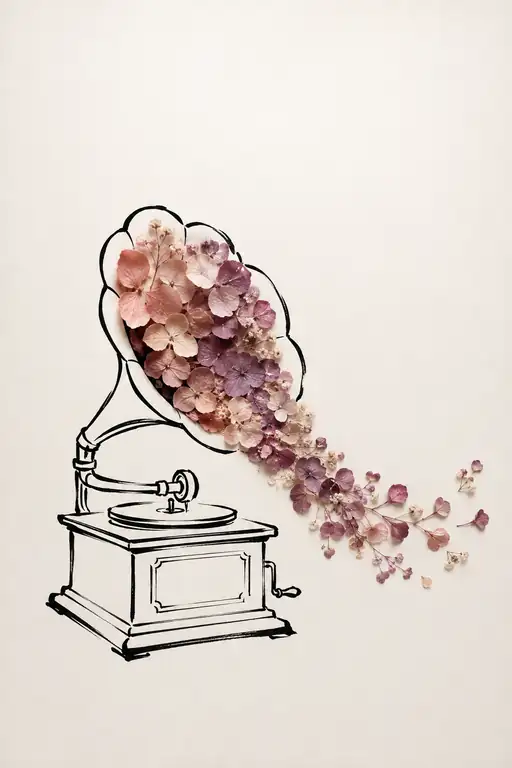 Timeless Melody in Mauve
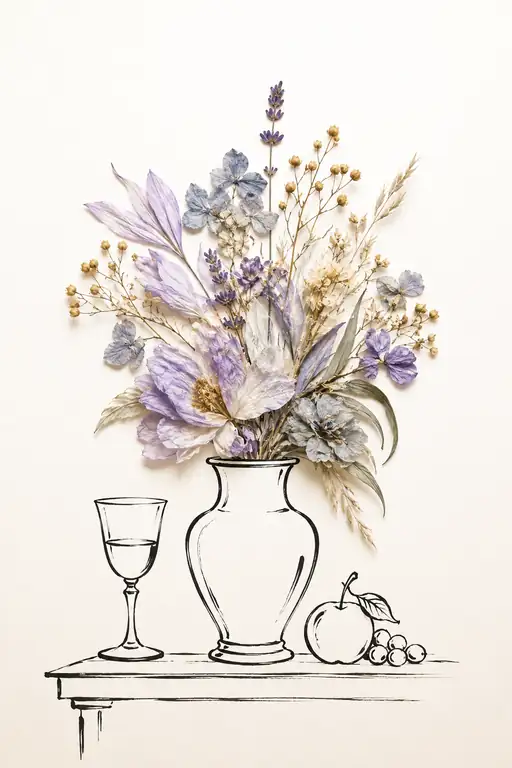 Quiet Autumn Light on the Table
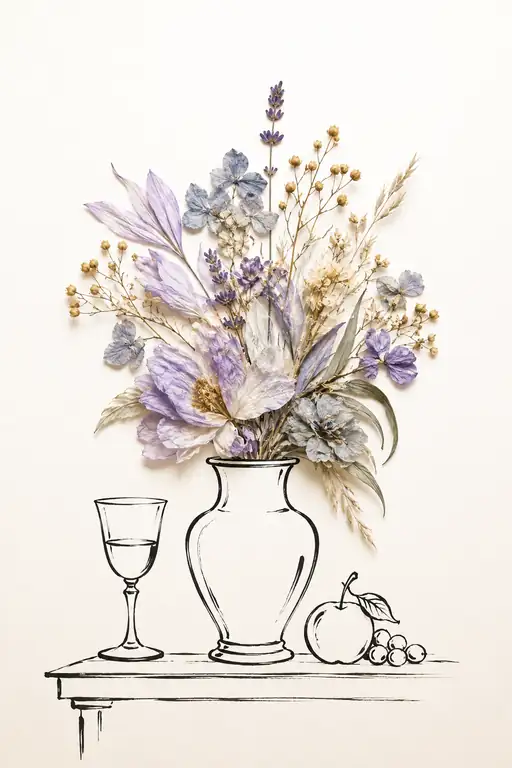 Lavender Bouquet Beside Wine and Apples
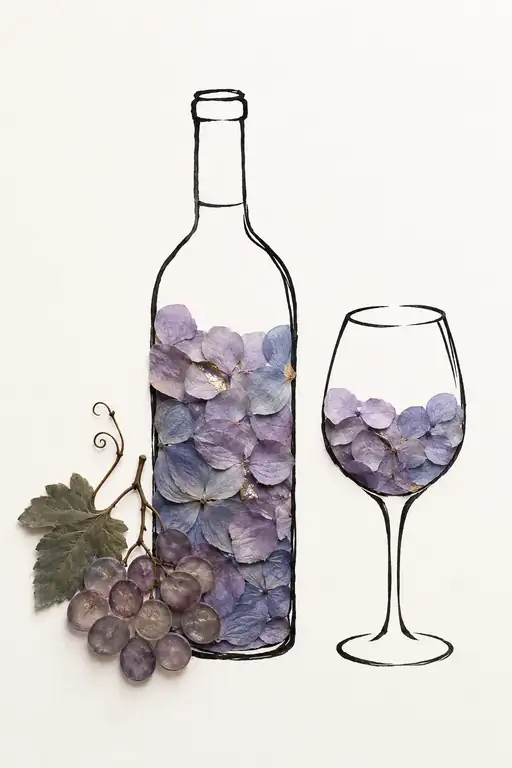 Violet Vintage and Slender Glass
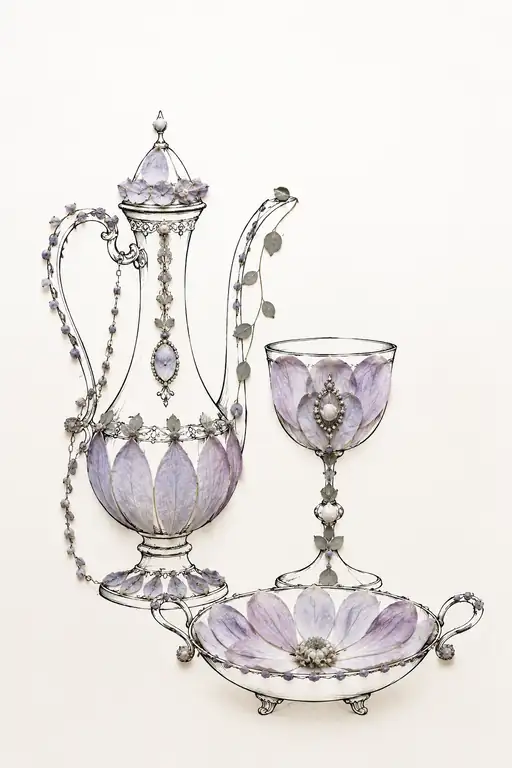 Lavender Elegance in Silver Linework
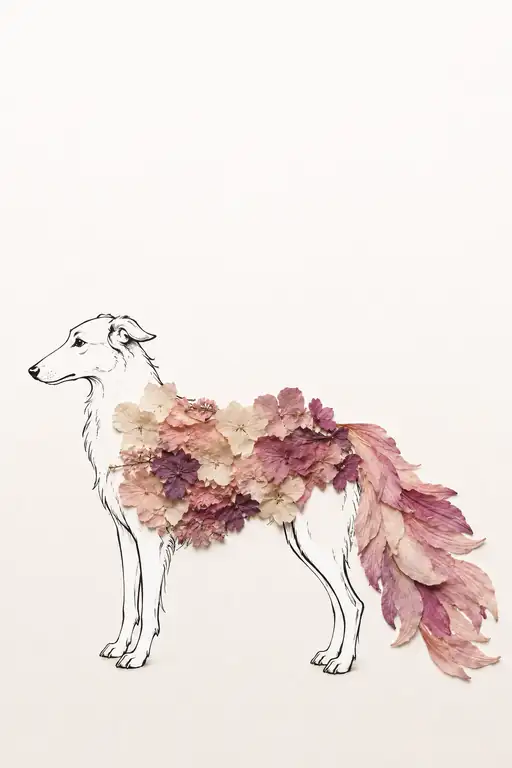 Grace in Dusty Rose
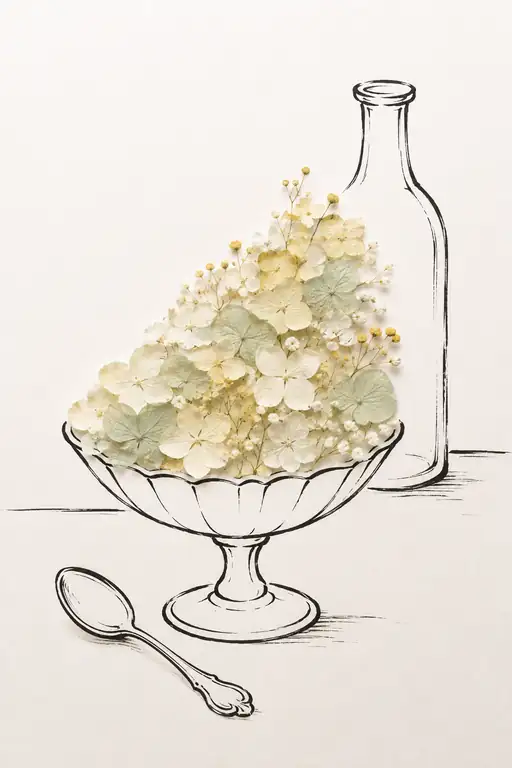 Sweet Siesta in the Coupe Glass
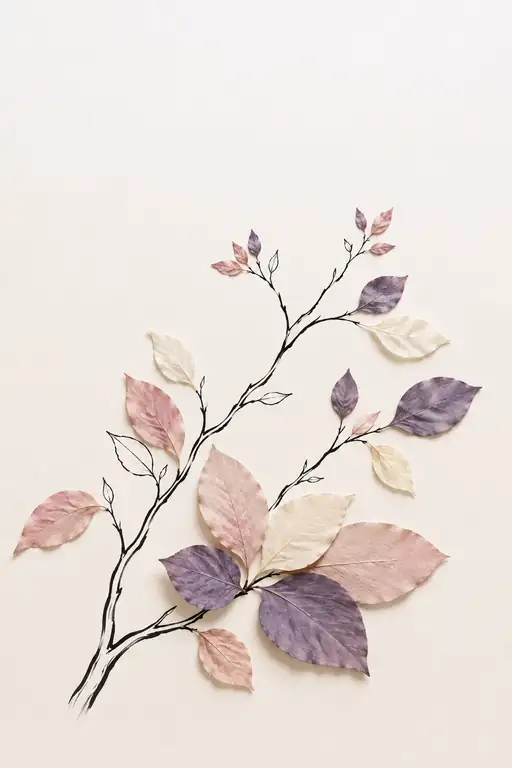 Gentle Foliage in Rose and Violet
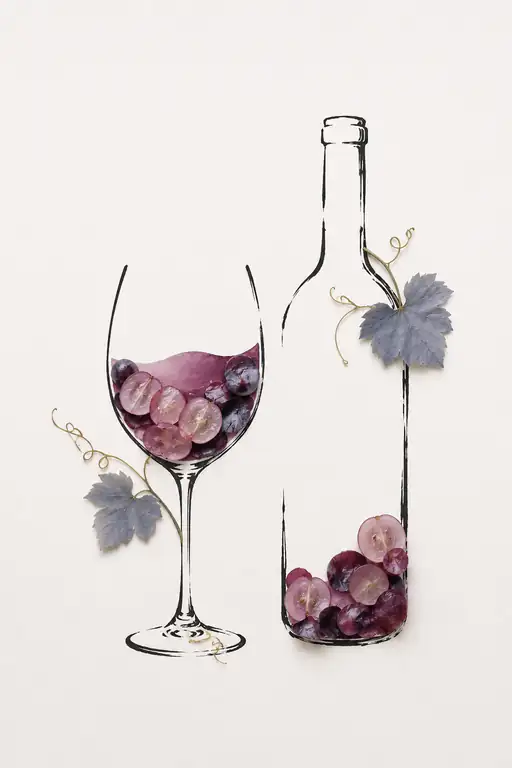 A Cluster of Memories in a Glass
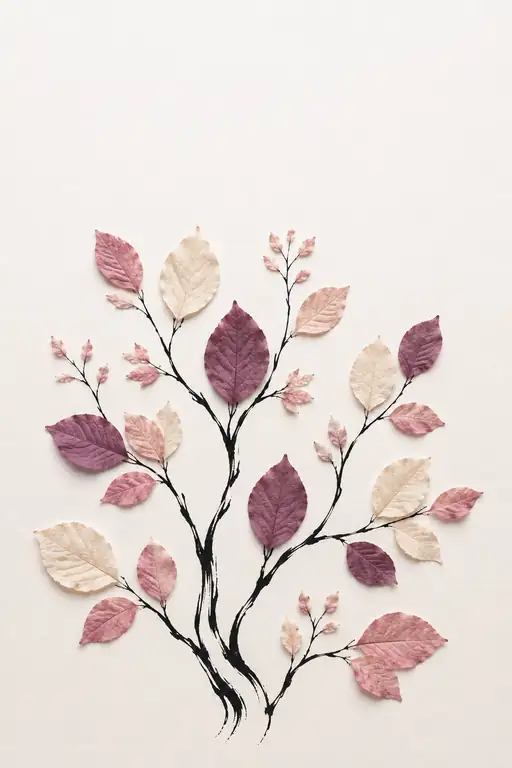 Branching Tones of Rose and Cream