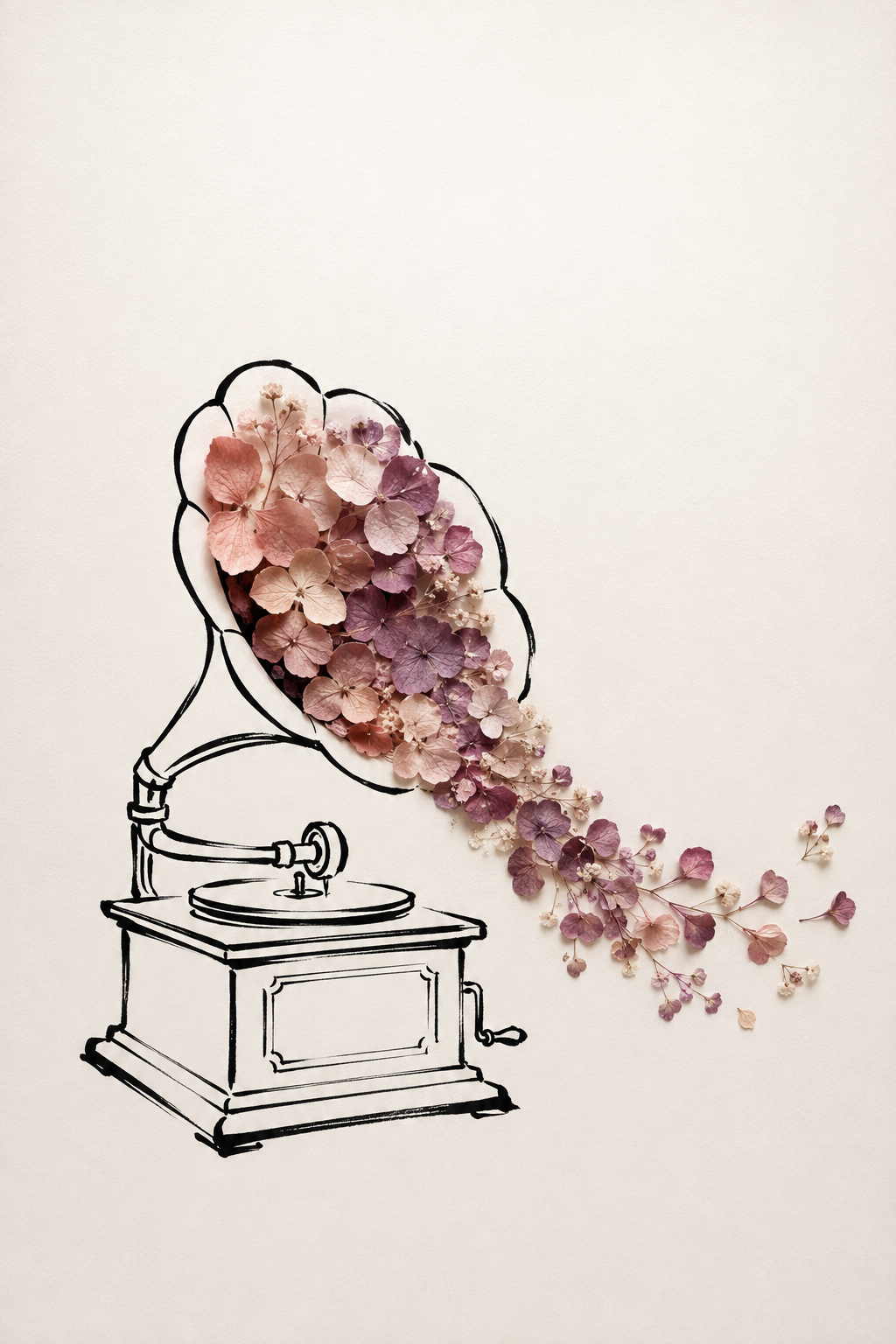
Timeless Melody in Mauve
Critique
Introduction This nostalgic still life transforms an antique gramophone into a source of flowering sound. The machine is crisply rendered in black ink, while dusty pink, mauve, and violet blossoms fill its horn and stream outward across the paper. Description The gramophone stands in the lower-left half on a rectangular wooden cabinet with a side crank. A flat record and tone arm occupy its top. The large flared horn rises diagonally left, packed with layered hydrangea-like flowers and fine cream sprays. Analysis The solid rectangular base stabilizes the composition, while the horn and floral trail generate an expansive diagonal. Dense dark flowers sit deep inside the bell; lighter, smaller pieces disperse outward, creating both depth and diminishing volume. Heavy ink lines give the obsolete mechanism visual certainty. Botanical shadows distinguish the imagined music from the drawn object. The vast upper field makes the horizontal release feel prolonged. Interpretation and Evaluation Flowers turn recorded sound into memory made visible. Their dried surfaces suit the historical machine, suggesting music preserved yet altered by time. The transition from clustered blooms to solitary fragments resembles a melody decaying into silence. Because the record itself remains empty black-and-white line, the colorful experience seems to arise only through listening. The metaphor is familiar but executed with unusual material coherence. Conclusion The work succeeds through a clear sequence from mechanism to resonance to disappearance. Ink anchors cultural history; flowers supply emotion, atmosphere, and duration. The crank and tone arm imply human activation even without a figure. Elegant and accessible, the image treats listening as an act that lets dormant sound bloom temporarily into shared space.
 Streamlined Coupe Clothed in Whispering Blooms
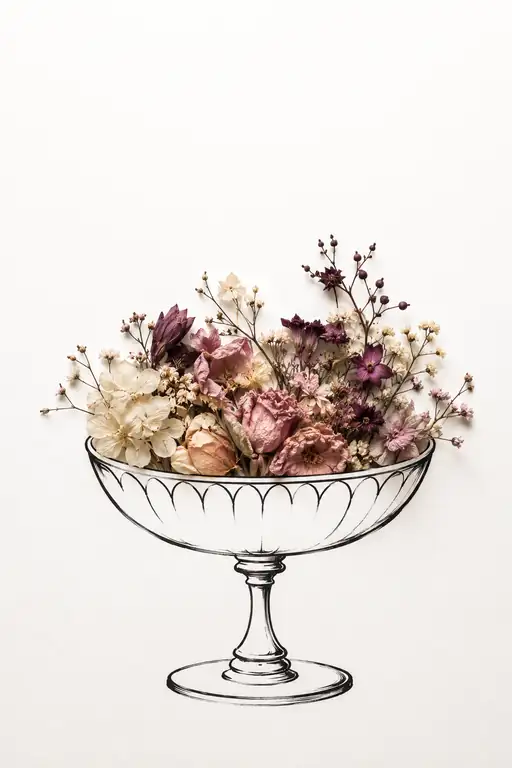 Autumn Bloom in Crystal Chalice
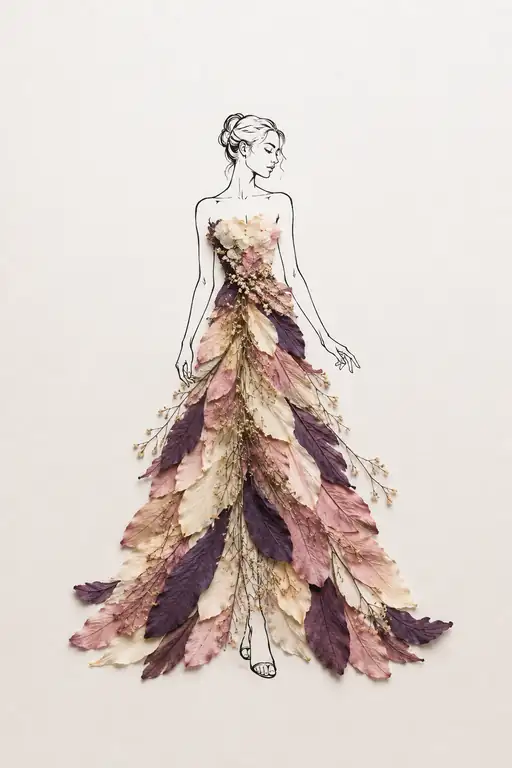 Gown of Layered Dusk
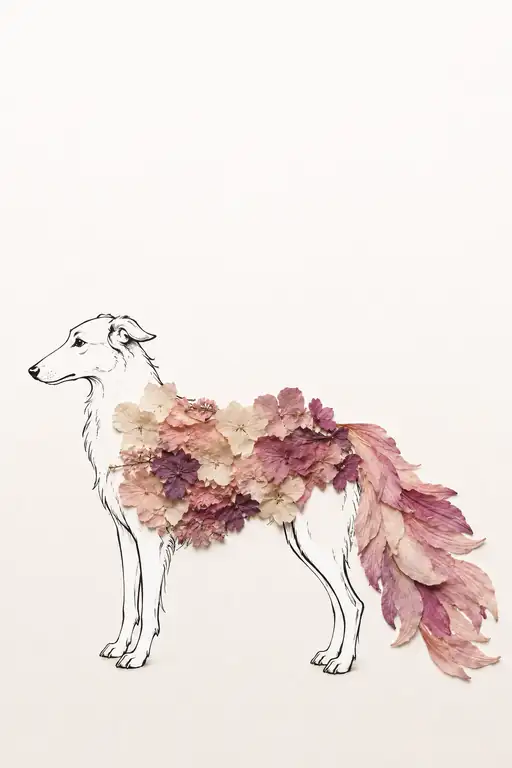 Grace in Dusty Rose
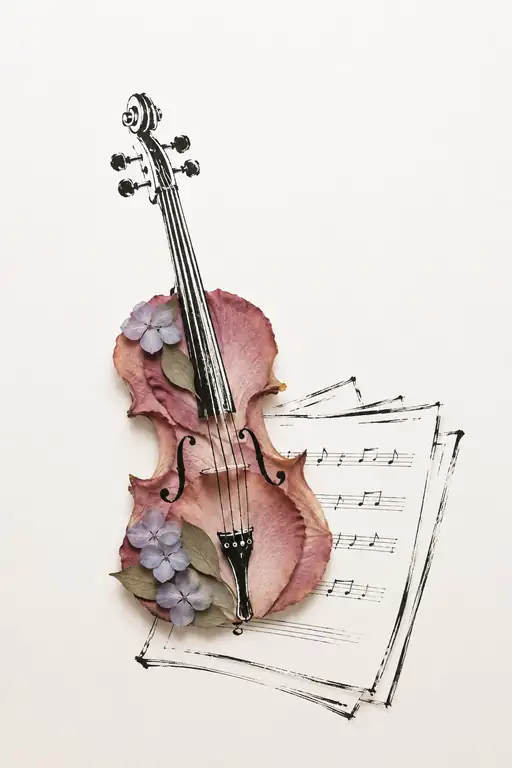 Silent Melody of the Rose Cello
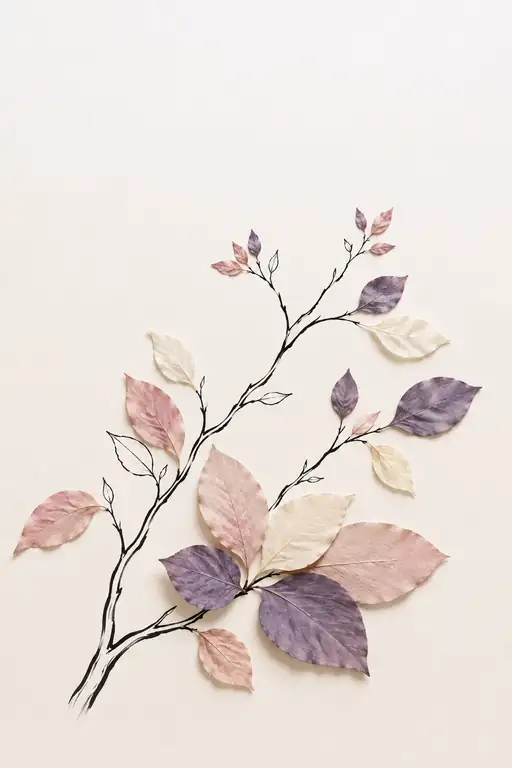 Gentle Foliage in Rose and Violet
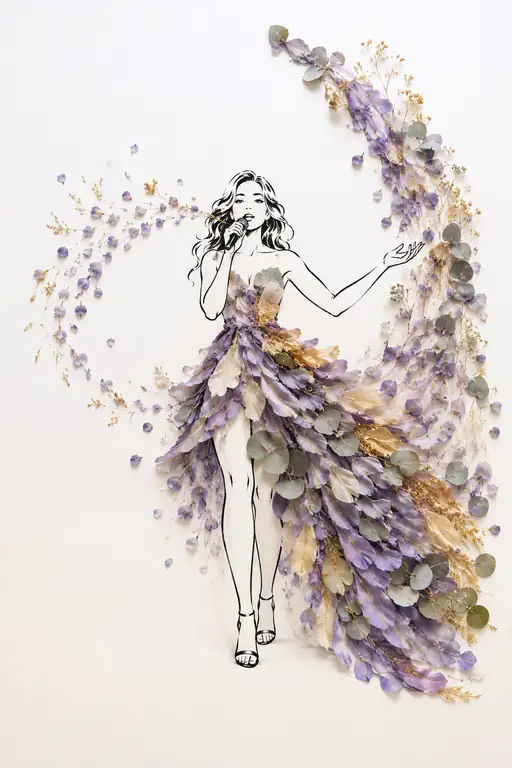 Song of the Lavender Siren
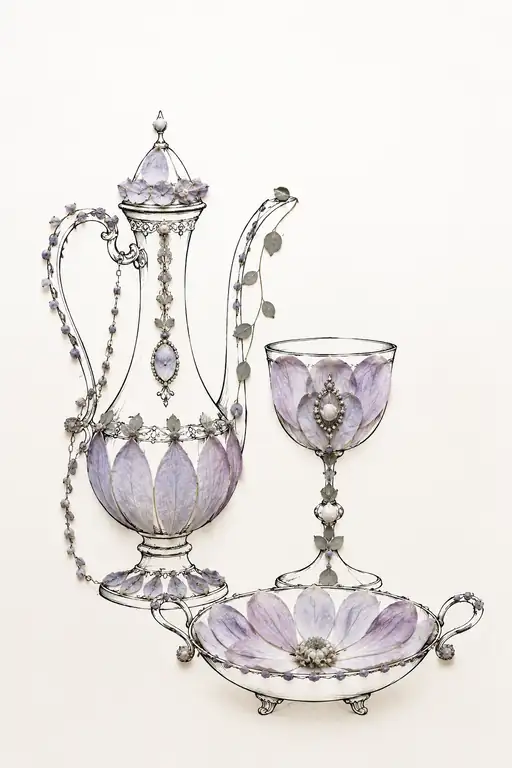 Lavender Elegance in Silver Linework
 Golden Sands of Fleeting Hours
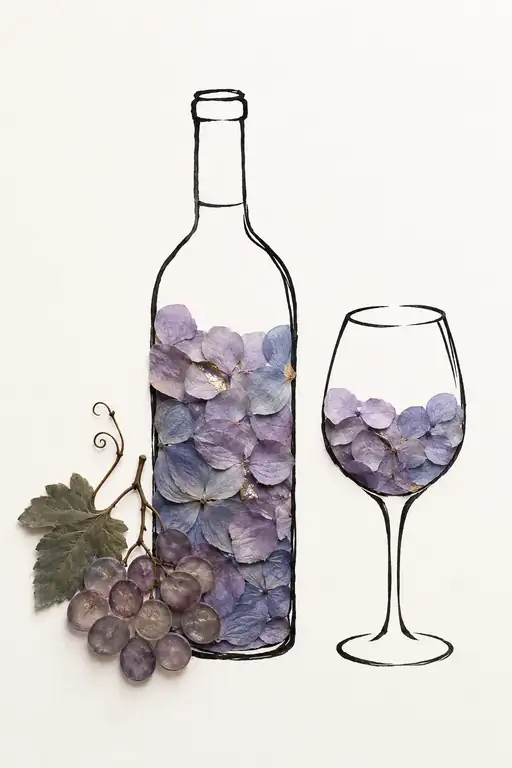 Violet Vintage and Slender Glass
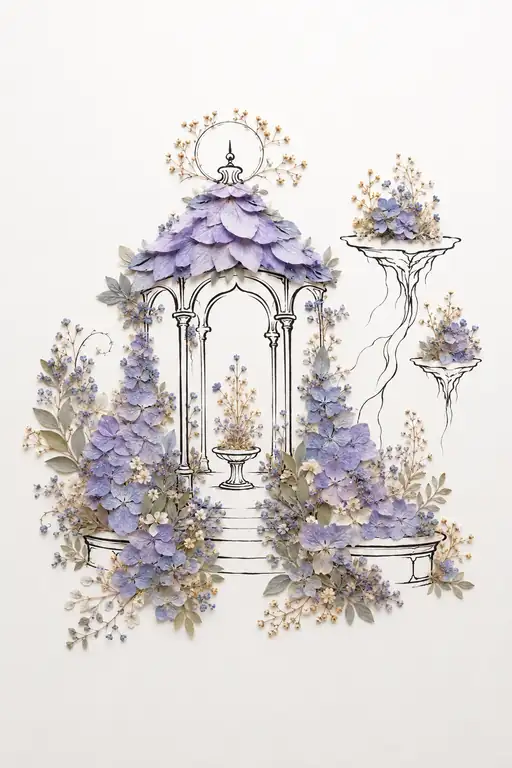 Lavender Sanctuary in Bloom