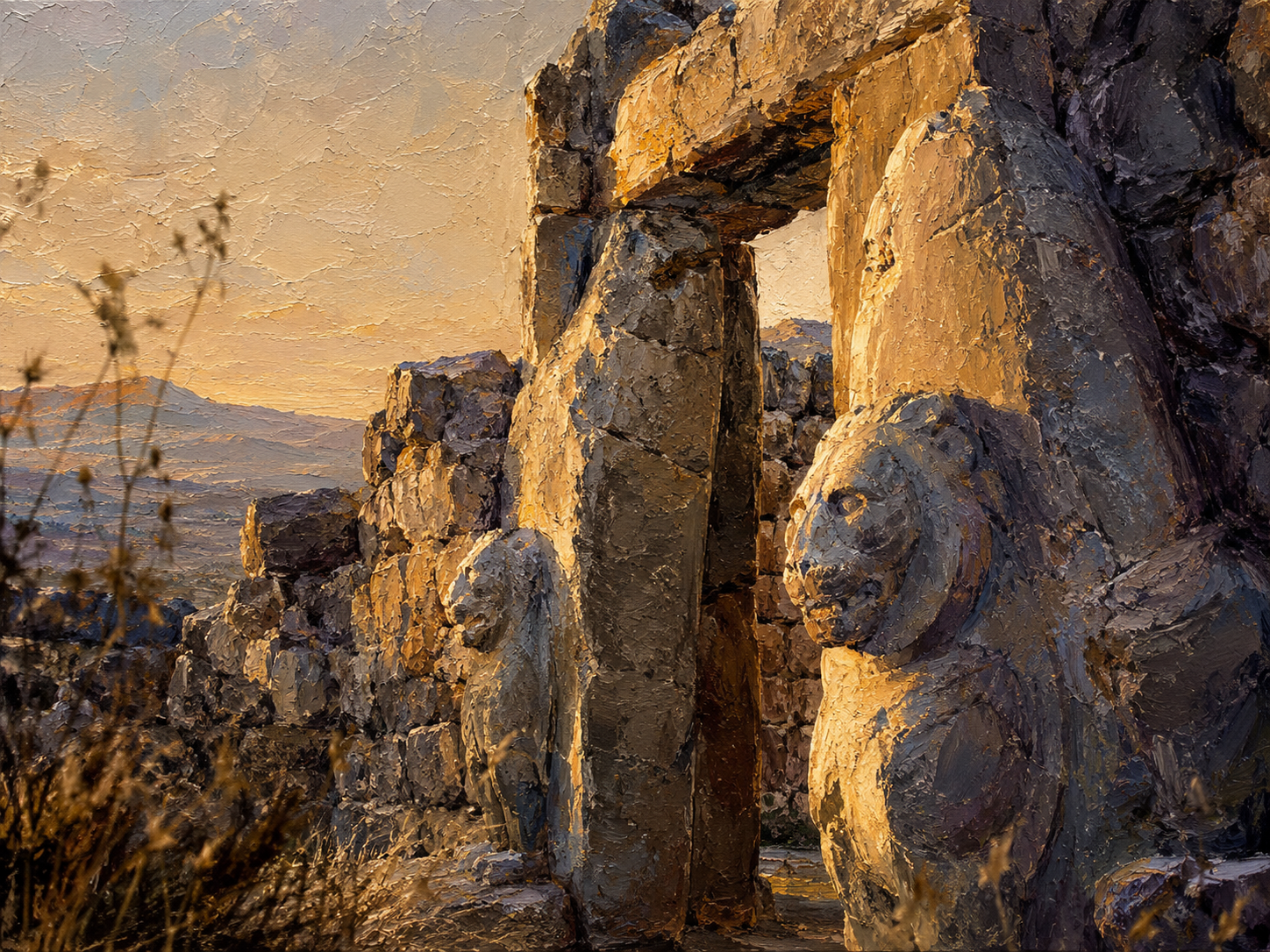
Guardian of the Sunken Empire
Critique
1. Introduction This oil painting powerfully depicts the ancient Lion Gate of a ruined city standing in a barren landscape. The warm twilight light casts a dramatic glow over the massive stone structure, evoking the passage of time. The dried grass in the foreground emphasizes the silence, inviting the viewer on an archaeological journey. This work captures the beauty of a vanished civilization through strong light and shadow. 2. Description The right half of the composition is dominated by a gateway built of colossal stones, featuring a carved lion relief. The lion's head and the stone surfaces glow with intense gold under the setting sun. The gateway's interior is shrouded in dark shadow, leading to a crumbling stone wall. A serene pastel sky and distant hills form the background. 3. Analysis The artist uses a thick impasto technique with palette knives, rendering the weathered, rugged surface of the ancient stones with tactile realism. The color scheme pairs the bright golden-yellow of the sunlit facade with the cool blue-grey of the shadowed stones. The low-angle light highlights the carved lion, while the open background adds depth. 4. Interpretation and Evaluation This artwork symbolizes reverence for ancient fortifications and the sacred guardians that once protected them, presenting a meditation on impermanence. Technically, the artist shows exceptional skill in capturing the organic quality of stone through texture. The contrast between the powerful lion carving and the calm sunset sky demonstrates a highly refined composition. 5. Conclusion While the massive stones and dramatic lighting initially captivate, deeper study reveals a careful control of texture and atmospheric perspective. By freezing the brief sunset light upon the ruins, the artist has materialized the relentless flow of time. Ultimately, the painting preserves the legacy of this ancient heritage, offering a timeless gateway to reflection.
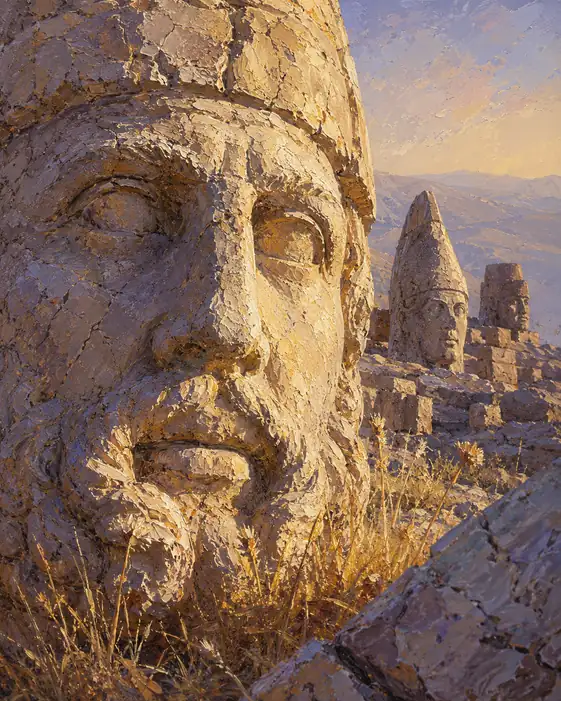 Gaze of the Silent King
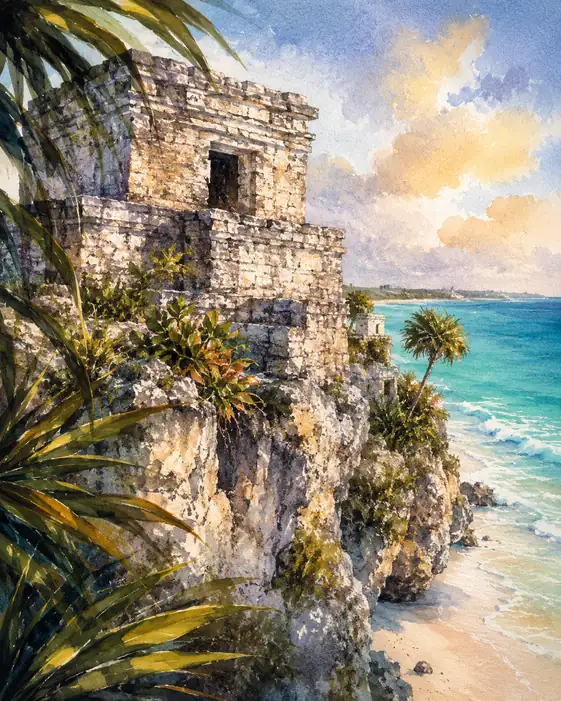 The Eternal Watcher of the Emerald Sea
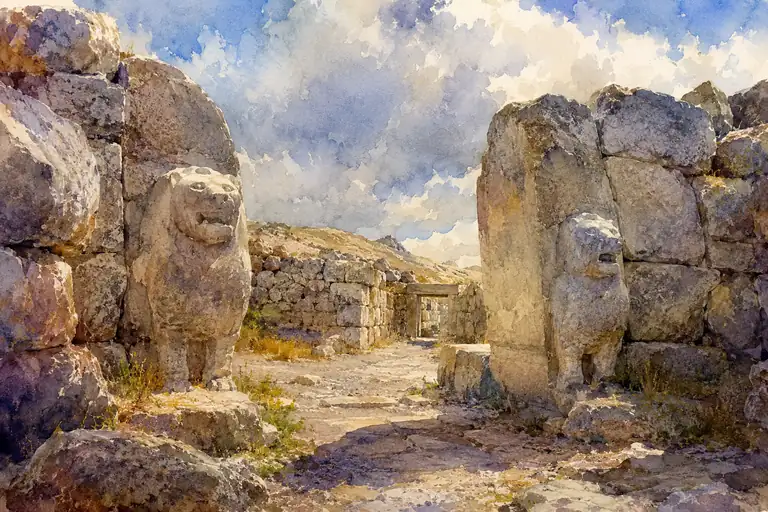 The Silent Roar of Hattusa
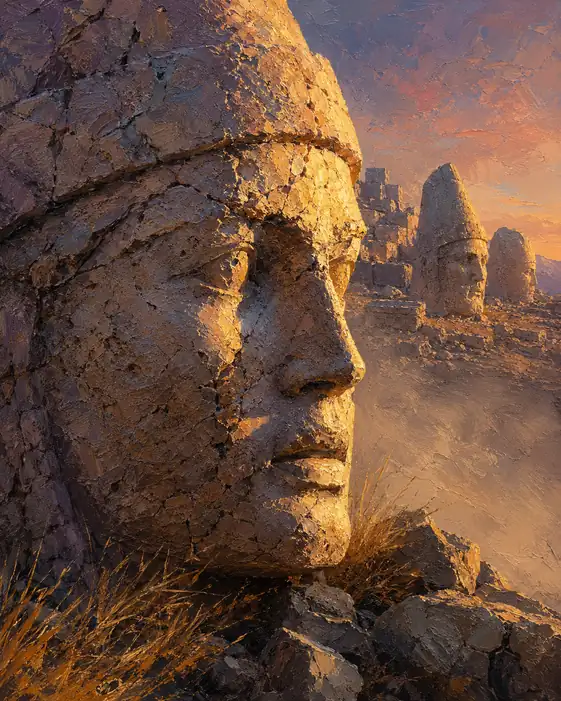 Gaze into the Golden Horizon
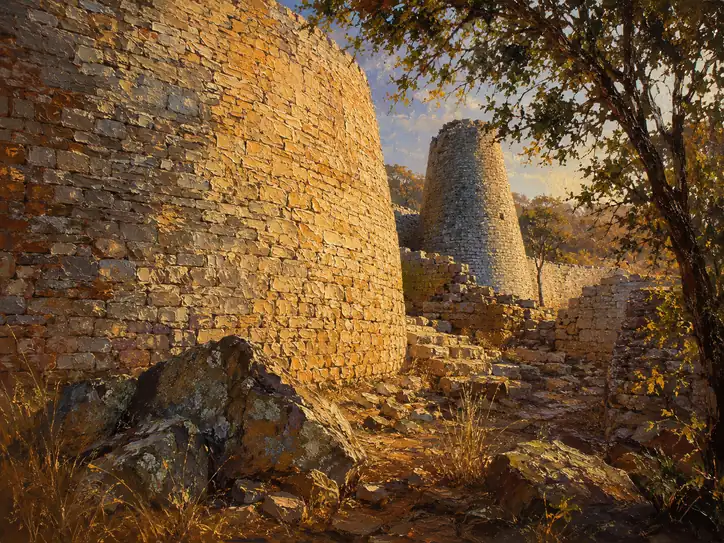 Silent Chronicles of the Stone Fortress
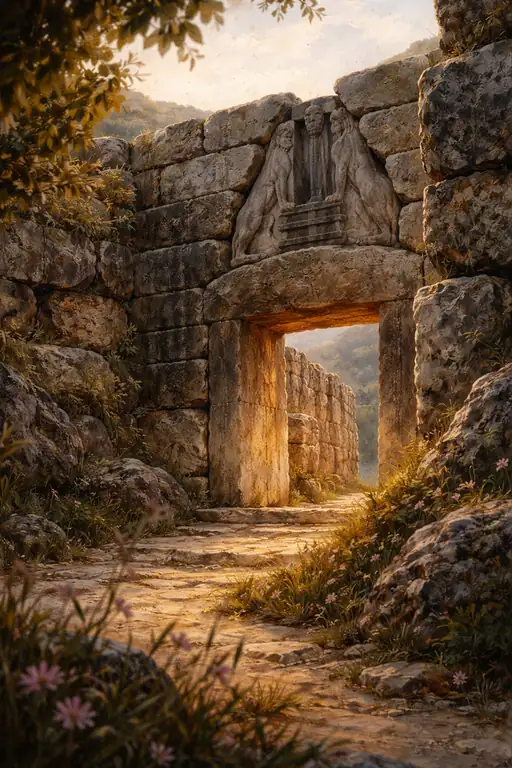 Lions Enduring the Test of Time
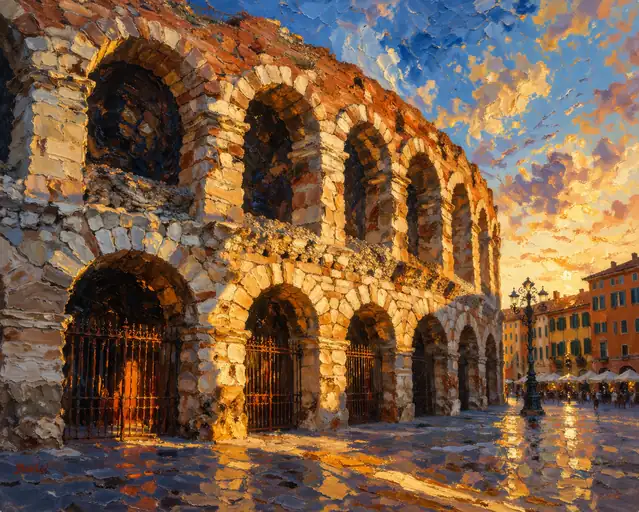 Verona's Arena in Flames
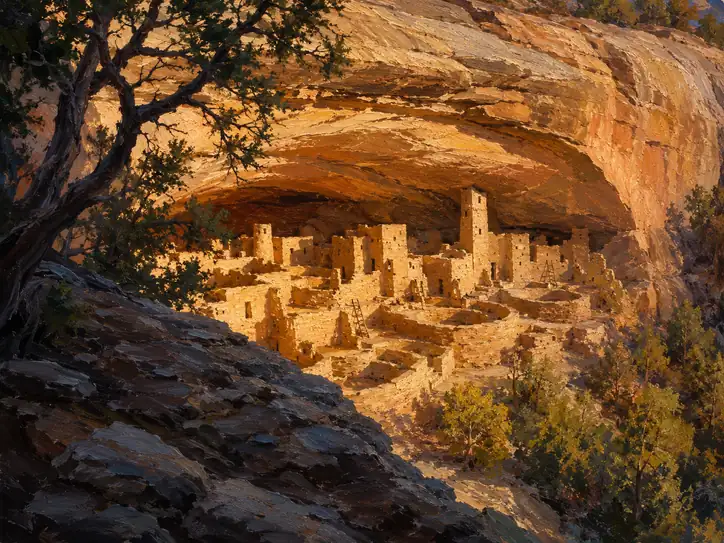 Where Time Slumbers in Stone
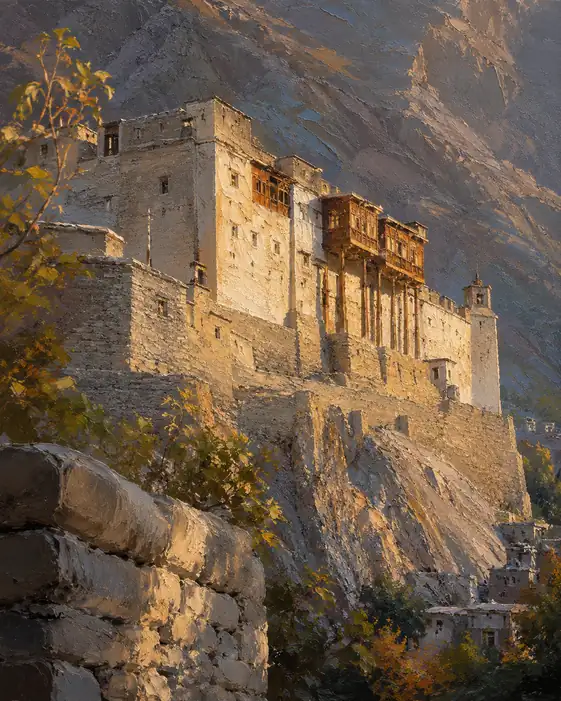 Citadel of the Eternal Wind
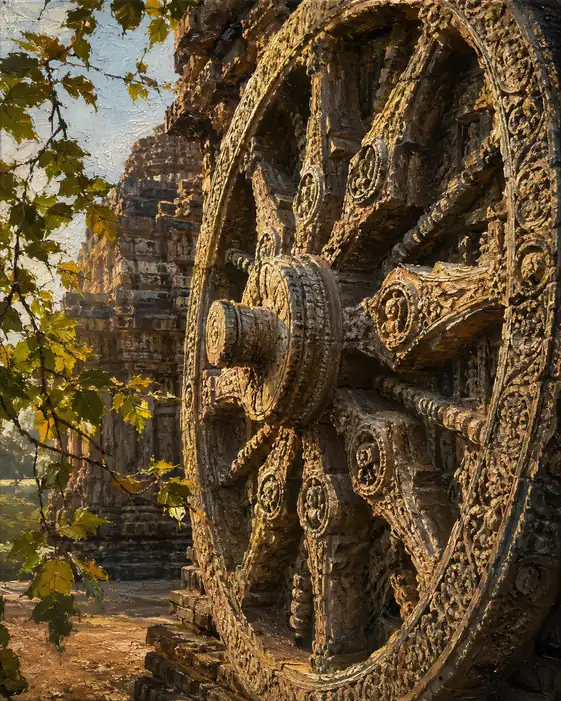 The Silent Dial of Time
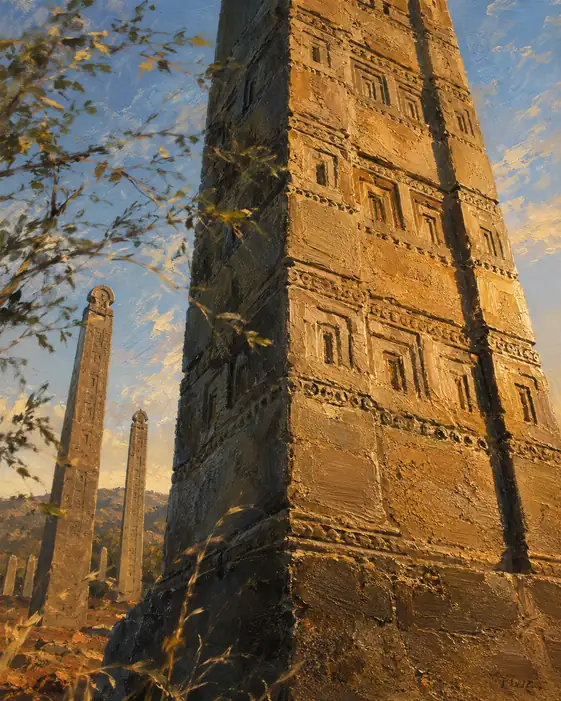 Silent Witnesses of a Lost Kingdom