A Symphony of Silent Prayers
Critique
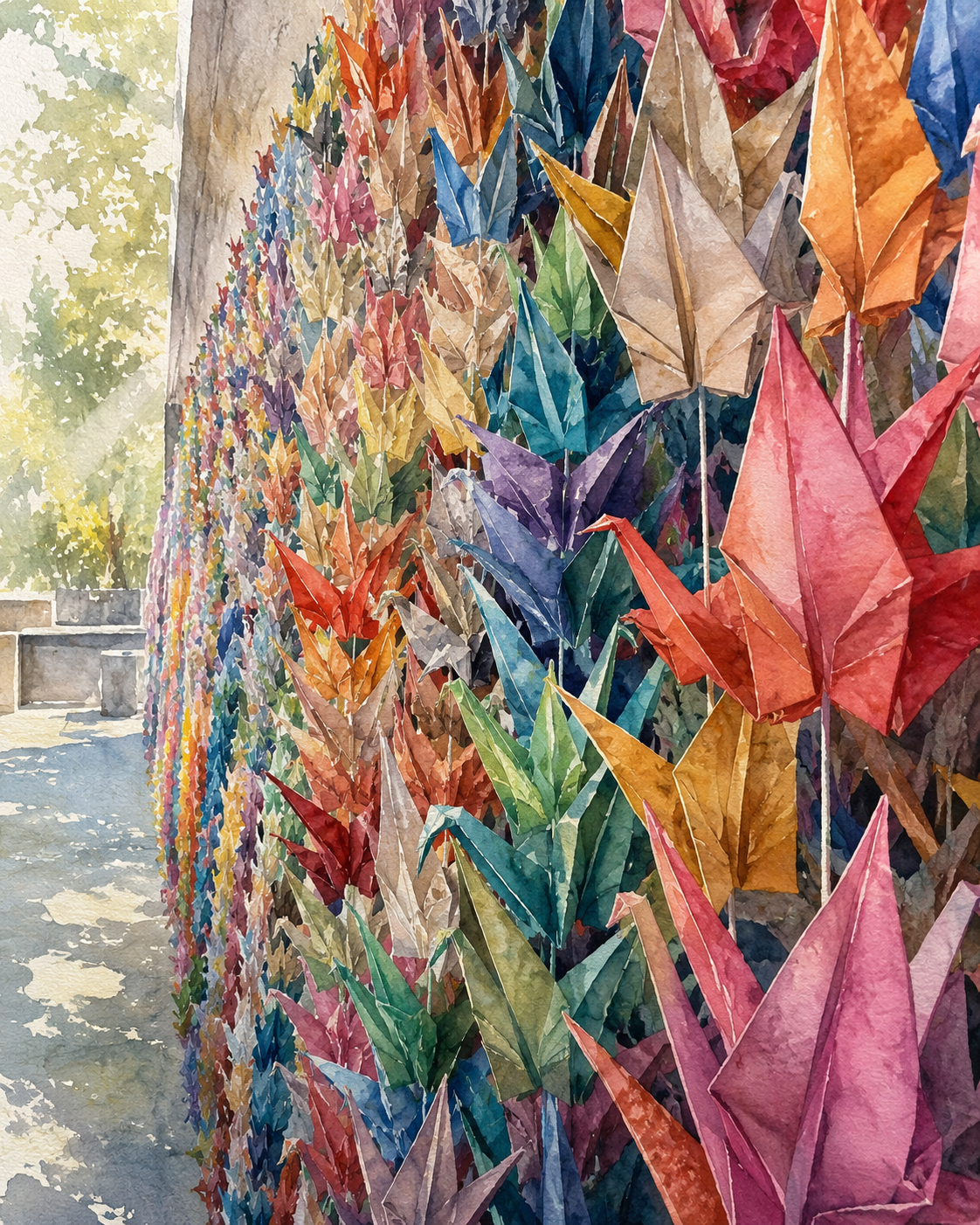
1. Introduction This delicate watercolor depicts countless colorful paper cranes hanging across a wall. Red, blue, yellow, green, and pink paper planes overlap intricately, each catching light with a different shadow and brightness. Soft sunlight entering from the left wraps the rows of cranes in a quiet atmosphere of prayer. Orderly repetition and subtle color variation create a warm, deeply resonant space. 2. Description The composition is dominated by paper cranes in diverse colors such as red, pink, yellow, green, and blue. Stringed together closely, the cranes in the foreground are rendered with sharp details, while those in the background recede into a soft blur. On the far left, a concrete wall and sunbeams filtering through trees cast shadows on the ground. 3. Analysis The color palette utilizes the transparency of watercolor, creating a clean, vivid gradient across the surface. The contrast between the brightly lit areas and the deep shadows inside the folds gives each crane a sculptural volume. The diagonal perspective directs the viewer's eye toward a vanishing point, emphasizing the vast scale of the accumulated cranes. 4. Interpretation and Evaluation This artwork represents the collective strength of small prayers through the traditional Japanese motif of paper cranes. The artist's refined watercolor technique and originality are evident in the precise depiction of paper textures and sharp folds. By balancing light and shadow, the painting evokes both quiet melancholy and a sense of hope. 5. Conclusion While the initial impression is one of vibrant colors and pattern, closer viewing reveals the silent weight of the collective prayers. This shift in perception defines the painting's artistic depth. The tight composition and pure watercolor technique strongly assert the high artistic value of this remarkable work.
 The Green Whisper of the Veranda
 Folding Warmth
 A Thousand Fluttering Prayers
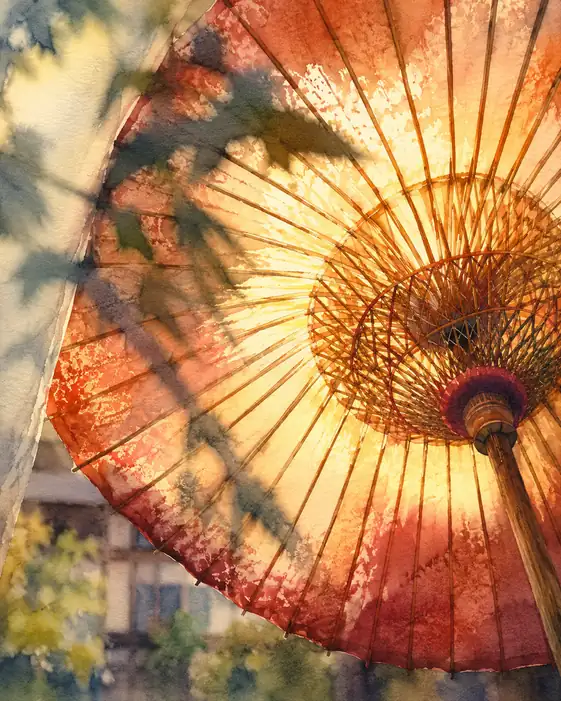 Under the Sunlit Crimson
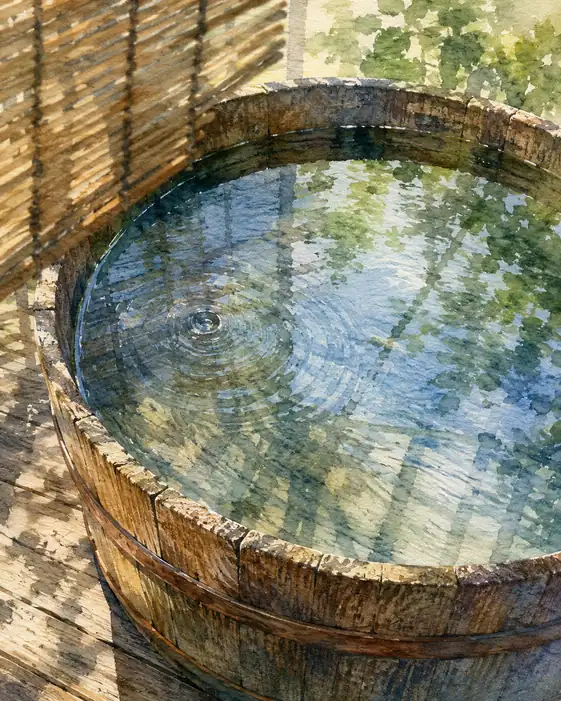 The Mirror of Summer Stillness
 Symphony of the Golden Ginkgo
 Beneath the Golden Canopy
 Streamers Swimming Through the Sky of Wishes
 A Gentle Touch of the Wind's Song
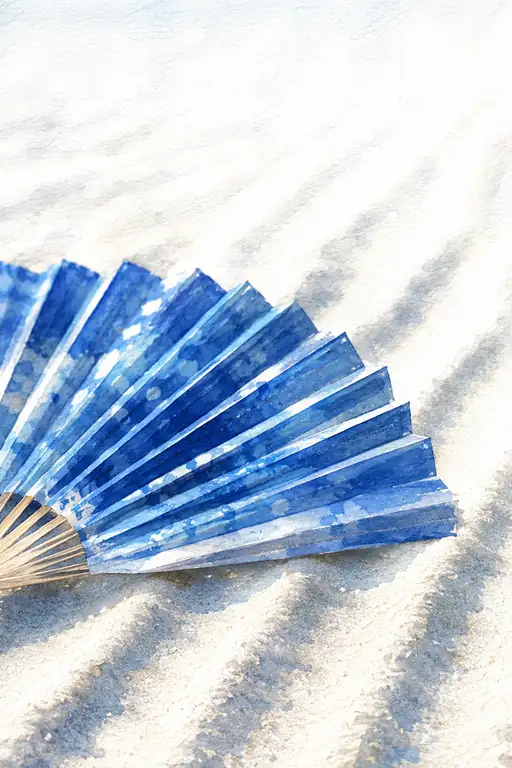 Indigo Breeze in the Sand