
Fragments of a Cobalt Sky
Critique
1. Introduction This oil painting presents a focused, highly textural study of a large mineral specimen, reminiscent of lapis lazuli. The composition is a dynamic close-up that emphasizes the physical presence and intense color of the stone. By utilizing bold application techniques, the work bridges the gap between representational mineralogy and abstract expressionism. 2. Description The central subject is a jagged, monumental block of deep ultramarine blue, characterized by sharp ridges and deep crevices. Interspersed across its vibrant surface are numerous small, brilliant gold flecks that simulate the presence of pyrite inclusions. The background and foreground feature heavy, sweeping strokes of ochre, sienna, and off-white impasto, creating a rugged environment that complements the central mineral form. 3. Analysis The defining characteristic of this piece is its extreme impasto technique. The artist has applied the oil paint in thick, sculptural layers, allowing the brush and palette knife marks to remain visible and catch the light. This creates a tactile quality that suggests the actual hardness and weight of the stone. The color palette is restricted yet powerful, relying on the classic complementary relationship between the cool blue and the warm, metallic gold. 4. Interpretation and Evaluation The work successfully elevates a natural object into a symbol of enduring beauty and material wealth. The choice of lapis lazuli, a stone historically associated with royalty and sacred art, lends the piece an air of timeless importance. The raw, energetic brushwork contrasts with the crystalline subject matter, suggesting a tension between the chaotic act of creation and the ordered structure of the earth’s elements. 5. Conclusion This painting is a masterful exploration of material and color. The initial impact of the vibrant blue is sustained by the intricate details of the golden inclusions and the complex surface textures. It serves as a compelling reminder of the hidden splendors found within the earth, rendered with a vigor that celebrates the very act of painting.
 A Breath of Frozen Light
 Tears of Lapis Lazuli
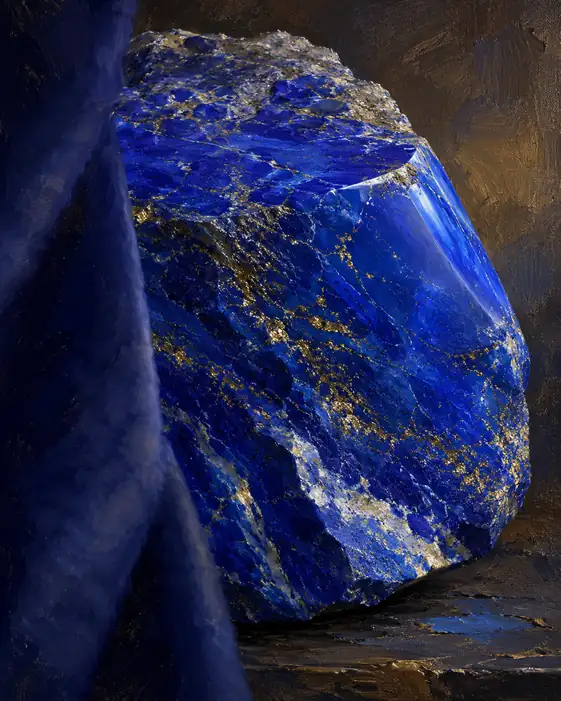 Sovereign of the Starry Abyss
 Prismatic Secrets of the Deep Earth
 Frozen Time: Reflections in Blue
 Luminous Geometry
 Facet and Form: The Blue Heart
 Beacon in the Deep Earth
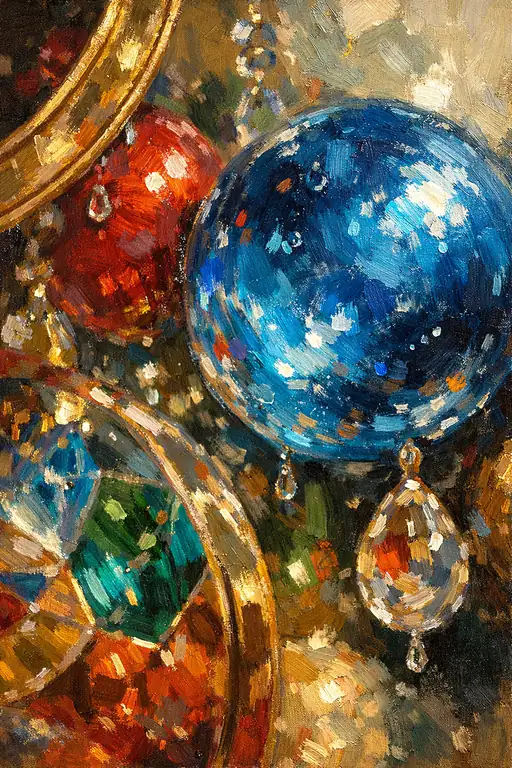 The Soul's Luminous Rhythm
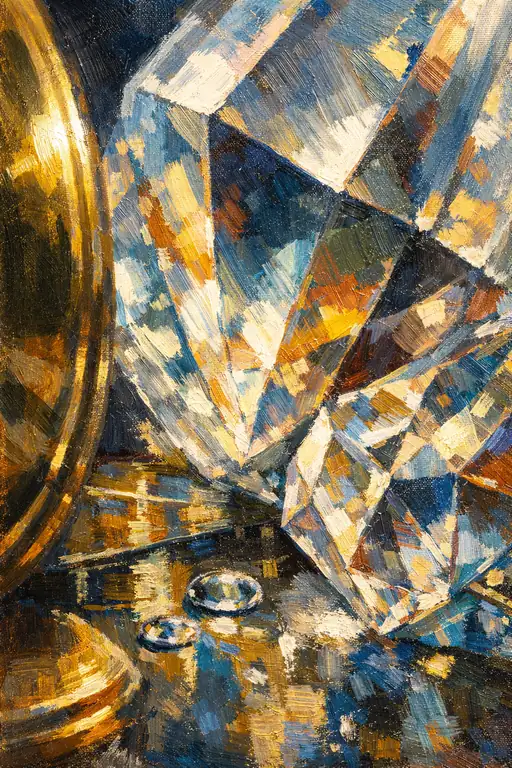 Shattered Light of Eternity
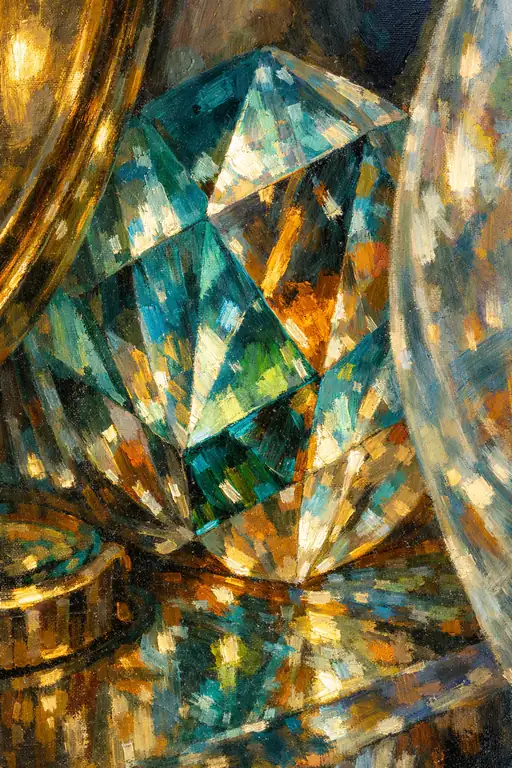 Fractured Dreams in Sapphire and Gold