
River's Wild Pulse
Critique
1. Introduction This oil painting depicts a vigorous river otter gliding through turbulent underwater currents. The artwork captures the raw energy of the creature, utilizing a heavy impasto technique that provides physical texture. By focusing on the animal’s dynamic movement, the piece serves as a powerful portrayal of wildlife in action. 2. Description The otter’s head is positioned left, its dark eyes fixed intently on its path. Its fur is rendered with short, energetic strokes of brown and ochre, suggesting wet hair. Surrounding the subject is a flurry of white bubbles, while the background consists of deep teals and dark greens that convey the river's depth. 3. Analysis Technically, the painting relies on bold brushwork and contrast between light and shadow to create form. Thick applications of white paint for bubbles offer a tactile quality against the broader strokes of water. This directional flow emphasizes the otter’s momentum, creating a cohesive visual rhythm that moves diagonally across the canvas. 4. Interpretation and Evaluation The work meditates on primal vitality, translated through an expressive, gestural style. Evaluation-wise, the integration of representational accuracy with abstract textures is effective. The composition’s diagonal lines impart urgency and speed, and the mastery over color ensures the otter remains the clear focal point. 5. Conclusion Initially, the painting presents an animal study, yet closer engagement reveals a sophisticated exploration of movement. The synergy between the subject’s intensity and the surrounding chaos creates an impression of resilience. Ultimately, the piece stands as a remarkable use of traditional oil techniques to capture kinetic beauty.
Same Subcategory
 Golden Harvest in the Autumn Canopy
 Small Steps, Great Life
Similar Artworks
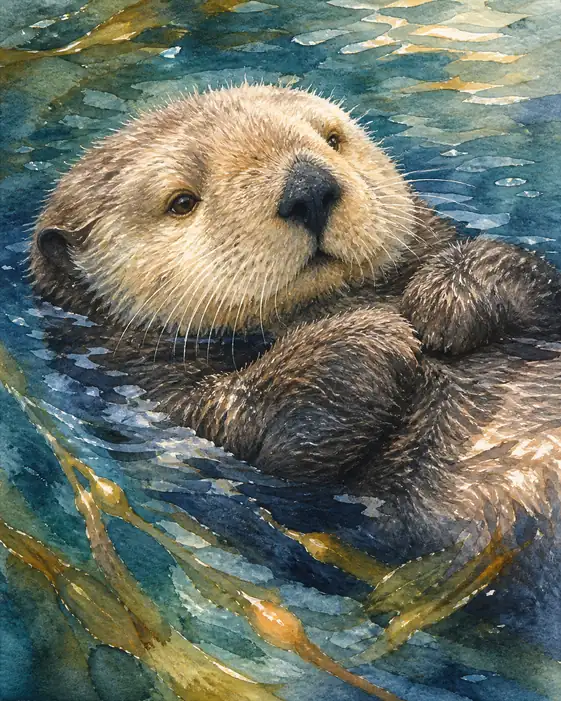 Rhythm of the Teal Tides
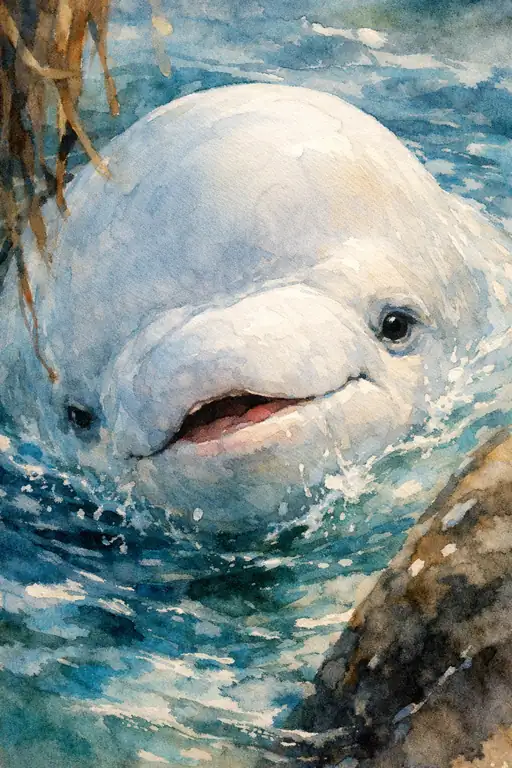 A Gentle Greeting from the Deep
 Echoes of a Gentle Breath
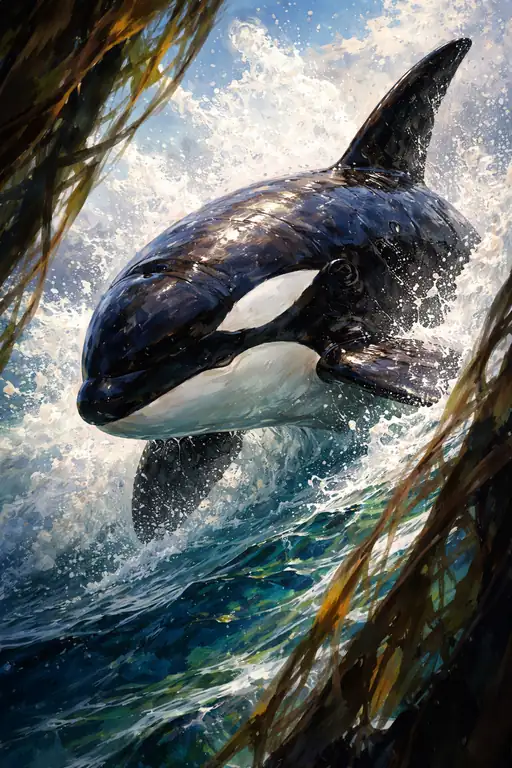 The Majestic Breach of the Wild
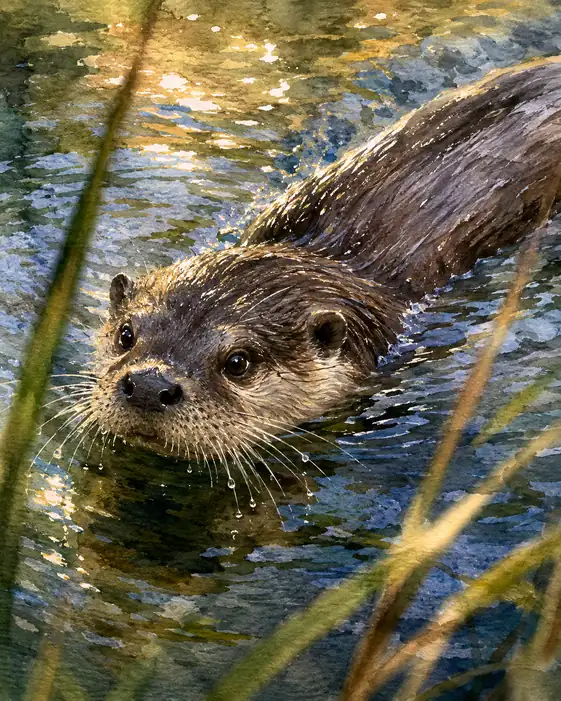 Shimmering Whiskers
 Gliding Shadow: The Manta Ray's Submerged Elegance
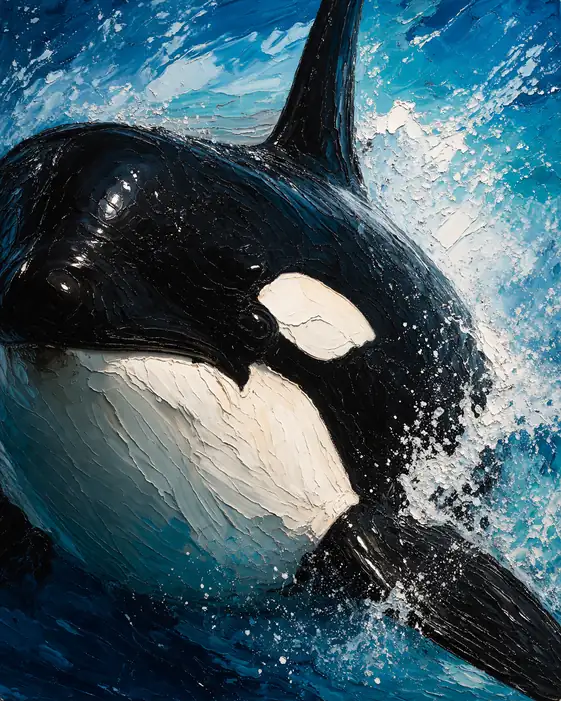 Breaching the Surface: The Raw Power of the Orca
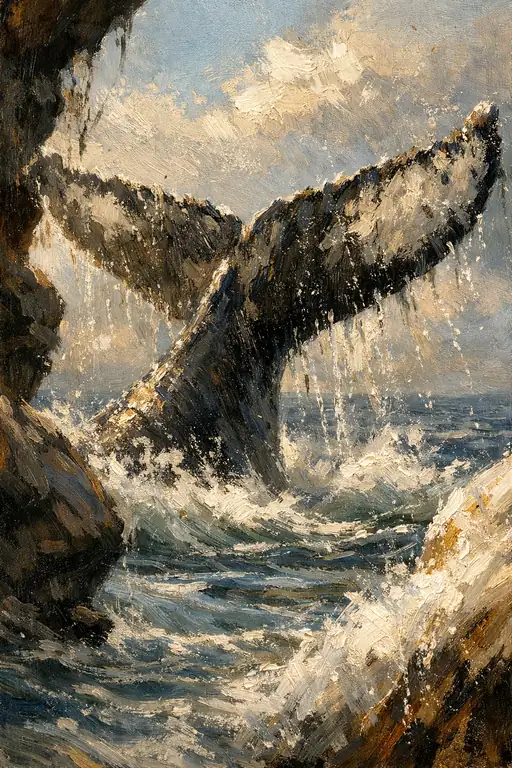 The Untamed Majesty of the Deep
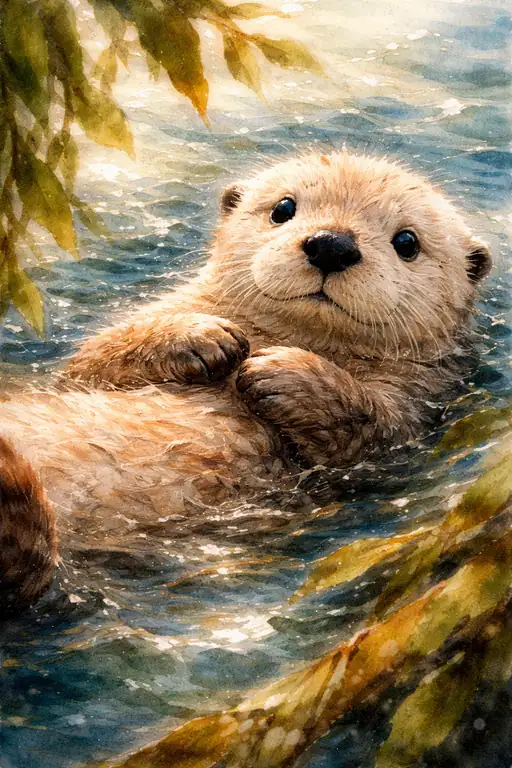 Serenade of the Shimmering Shallows
 The Thirsty River's Edge