
Threshold of Time
Critique
1. Introduction This oil painting presents a compelling macro study of a common domestic architectural detail, focusing on the interplay between metal and wood. By choosing a close-up perspective, the artist elevates a functional object into a subject of profound visual interest, emphasizing its tactile and formal qualities. The work is characterized by a robust application of paint and a dramatic use of light that creates a sense of weight and permanence. This approach encourages the viewer to appreciate the aesthetic value inherent in the wear and material complexity of everyday objects. 2. Description The central subject is a spherical brass knob or handle, which is mounted on a heavily textured wooden surface, likely a door or a drawer. The metal sphere exhibits a rich golden luster, with a sharp highlight on its upper surface indicating a strong directional light source from the upper left. The surrounding wood paneling shows signs of age, with deep-seated shadows in the grain and visible ridges that suggest a worn, weathered finish. To the left, a fragment of white fabric or paper is partially visible, adding a small area of high-key contrast to the predominantly dark, earthy tones. 3. Analysis The composition is grounded by the stark geometric contrast between the perfect sphere of the handle and the rigid, linear structure of the wooden paneling. A vigorous impasto technique is employed throughout the canvas, where thick layers of paint create a literal three-dimensional texture that mimics the rugged surface of the wood. The color palette is restricted to a warm range of ochre, burnt sienna, and gold, which creates a sense of aged warmth and material unity. The handling of the metallic reflection is particularly effective, using layered glazes to achieve a convincing sense of depth and sheen. 4. Interpretation and Evaluation The painting can be interpreted as an exploration of the beauty found in utilitarian objects and the marks of time. The doorknob serves as a potent symbol of transition and the threshold between spaces, rendered here with a gravity that suggests importance beyond its function. The artist demonstrates exceptional drafting power and technical mastery in the rendering of diverse textures, from the smooth, reflective metal to the coarse, splintering wood. The use of light to define form and surface is handled with great precision, resulting in a work that is both rugged and highly refined. 5. Conclusion In conclusion, this work succeeds in transforming a mundane architectural fragment into a powerful study of light, color, and texture. The initial focus on the metallic luster of the handle gradually shifts to an appreciation of the complex, layered brushwork that defines the entire scene. By isolating this single detail, the artist forces a slow, contemplative engagement with the material world that might otherwise be overlooked. The final result is a harmonious and impactful composition that celebrates the enduring character of domestic materials through a masterful use of the oil medium.
 Woven Sunshine
 Sun-Drenched Serenity
 The Open Secret of Time and Grain
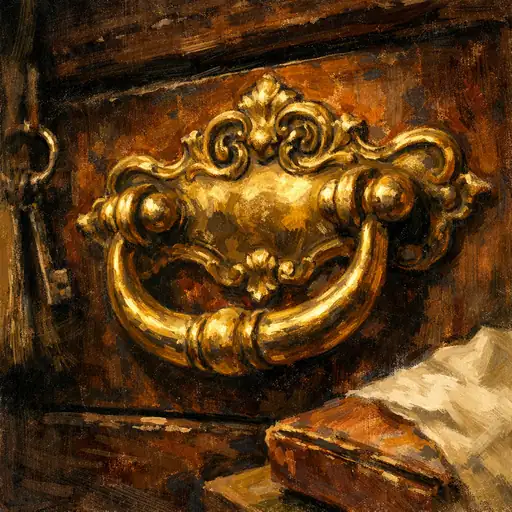 The Gatekeeper of Forgotten Stories
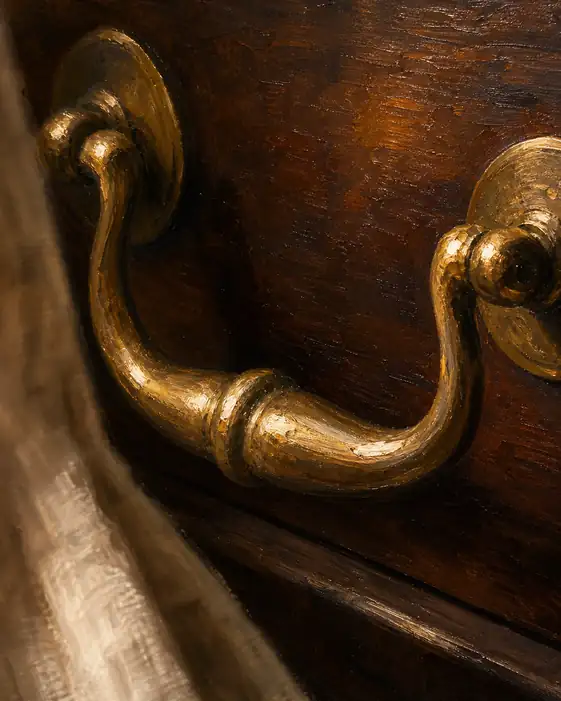 The Gilded Grip of Time
 An Unwritten Promise
 Reflections of a Gilded Memory
 The Glowing Hearth of the Sea
 Gentle Touch of Time
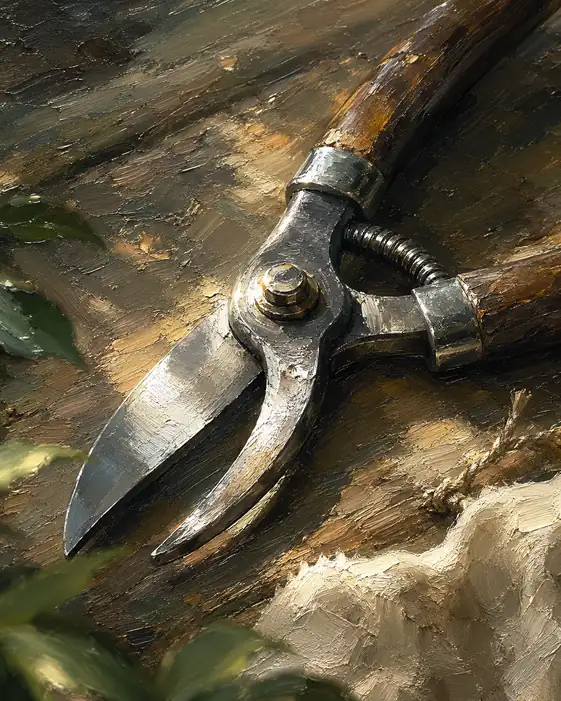 Legacy of the Soil
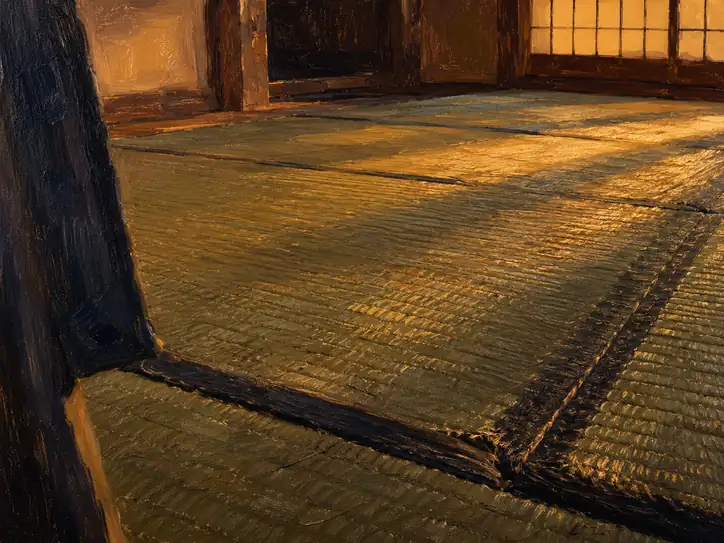 Nostalgia in Gold
 Quiet Whispers in the Sun-Drenched Salon