
Silent Verdure
Critique
1. Introduction This oil painting offers a radical close-up of a traditional subject: the preparation of matcha tea. The work focuses on the intense color and granular texture of finely ground tea powder, presented alongside a bamboo whisk. By isolating these elements, the artist transforms a ceremonial scene into a bold exploration of medium and materiality, emphasizing the physical presence of the paint itself. 2. Description The composition is dominated by a vibrant pile of green powder, filling most of the left and central areas of the frame. The powder is rendered with thick, fragmented strokes of lime, moss, and forest green, creating a rugged, mountain-like topography. To the right, the bristles of a traditional bamboo whisk (chasen) emerge from the edge, its fine wooden slats partially dusted with the green tea. Both elements are contained within a dark, roughly textured wooden vessel, which provides a neutral, earthy foundation for the vivid greens. 3. Analysis The artist employs an extreme impasto technique, where the thick application of paint mimics the physical volume of the powdered tea. The color palette is restricted yet effective, relying on the contrast between the various shades of green and the warm, golden-brown tones of the bamboo. Light appears to catch the peaks of the paint, creating a sense of shimmering vitality and depth. The tight cropping of the scene removes any sense of external environment, forcing the viewer to engage directly with the tactile qualities of the subjects. 4. Interpretation and Evaluation The painting successfully captures the essence of a cultural ritual while pushing the boundaries of representational art toward abstraction. The use of texture is particularly noteworthy, as it translates the sensory experience of handling fine powder into a visual language of light and shadow. The juxtaposition of the structured, linear whisk and the organic, chaotic pile of matcha creates a compelling visual tension. This work demonstrates a sophisticated understanding of how to use a limited subject to convey a sense of focus, precision, and natural beauty. 5. Conclusion In summary, the painting is a powerful study of color, texture, and cultural significance. The initial impression of a simple still life is replaced by an appreciation for the artist's bold technical choices and the work's tactile intensity. By focusing on the raw materials of the tea ceremony, the piece invites a deeper meditation on the beauty found in concentrated simplicity. It stands as a refined and innovative contribution to the tradition of still-life painting.
 Sunlit Morning Breakfast
 Symphony in Steep
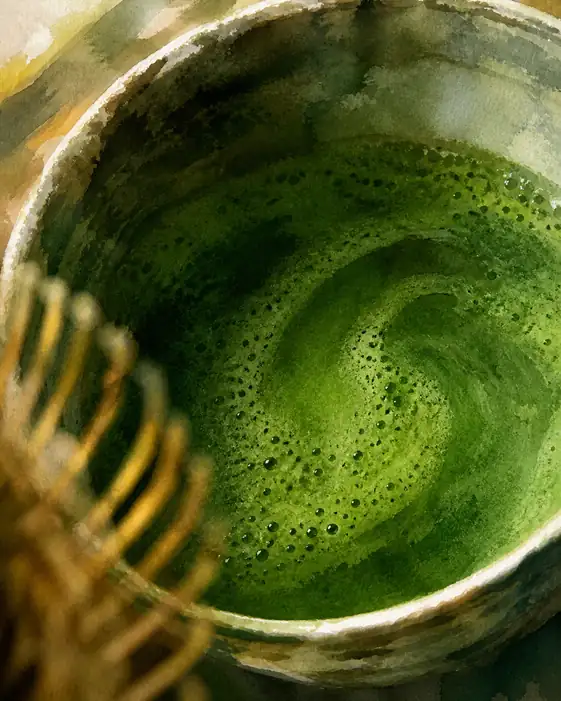 Vortex of Zen Serenity
 Symphony of the Blooming Spring
 The Heart of the Vine
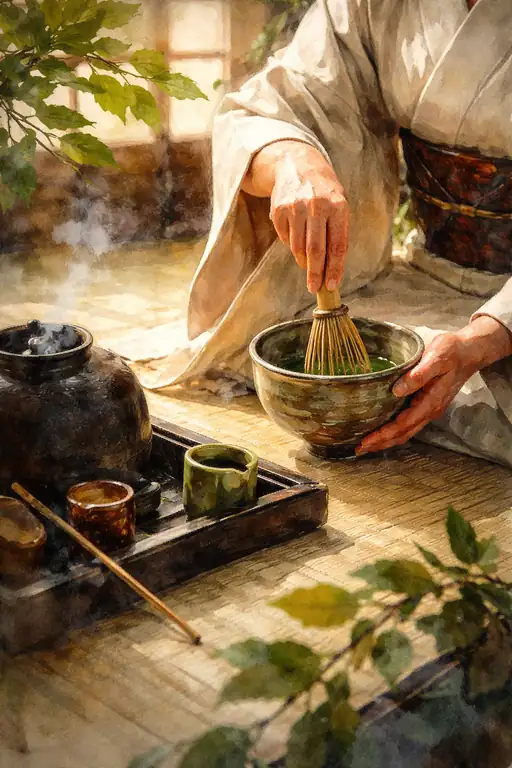 The Meditative Flow of Matcha
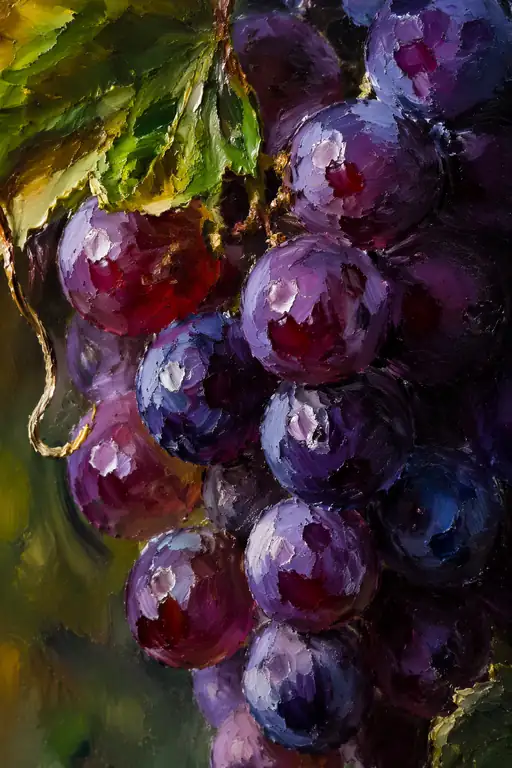 Violet Shadows and Harvest Light
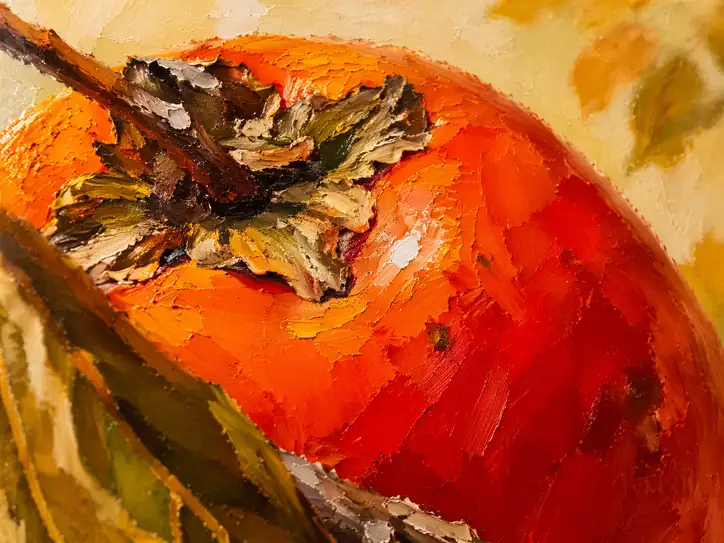 Crimson Globe of Autumn
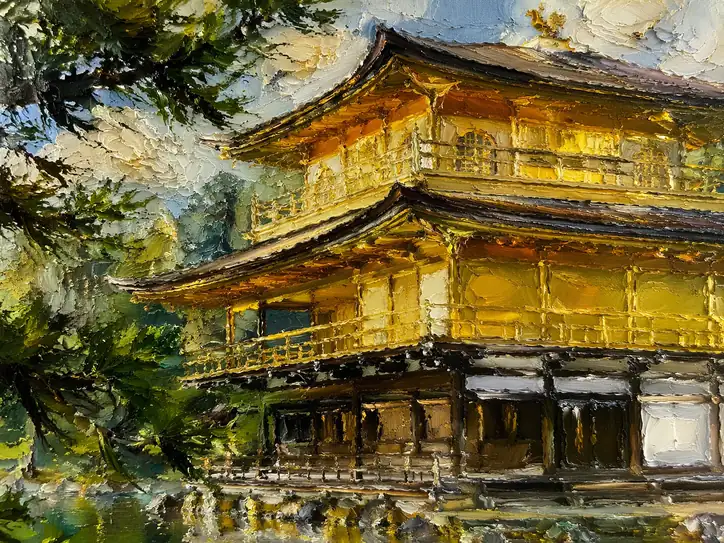 A Touch of Gold
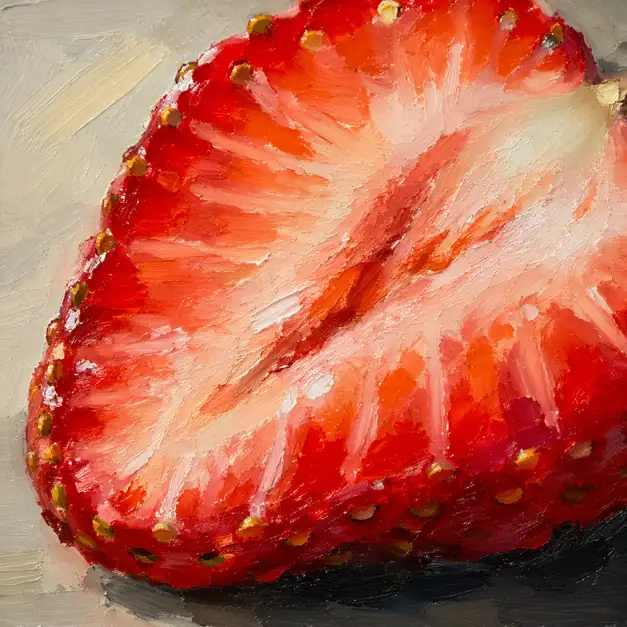 Radial Energy of the Strawberry Core
 Jewels of the Deep
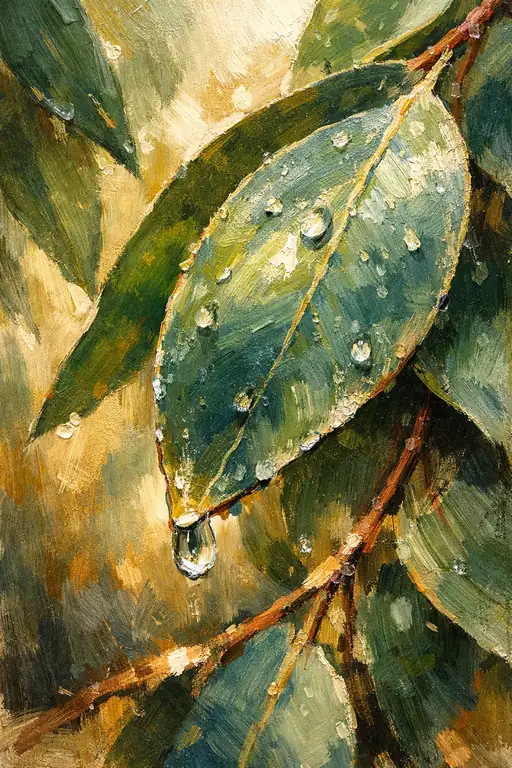 A Moment Suspended in Emerald