
A Box of Ephemeral Delights
Critique
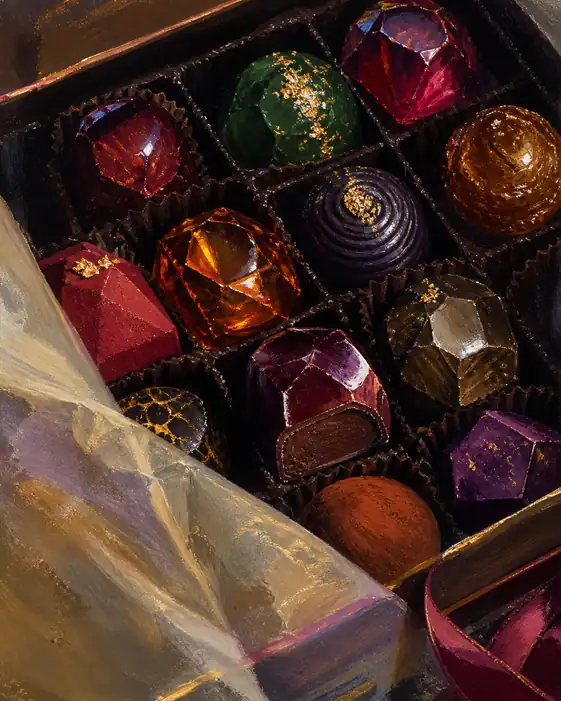
1. Introduction This work is a richly textured and colorful still-life painting that depicts an assortment of artisanal confections, possibly wagashi or high-end chocolates, elegantly arranged in a wooden box. The piece showcases a variety of forms and finishes, presenting the sweets as small, jewel-like objects of art. Through a masterful use of light and color, the artist explores the themes of craft, abundance, and the aesthetic pleasure of fine delicacies. 2. Description The composition is dominated by a dark wooden box containing twelve distinct confections, each resting in a delicate paper liner. These sweets exhibit a wide range of colors—from deep chocolate browns and vibrant reds to soft pinks, oranges, and a brilliant moss green. Many are adorned with intricate toppings, such as edible gold leaf, tiny crystallized flowers, and whole hazelnuts. The surfaces of the sweets vary from glossy and translucent to opaque and textured. The box is set diagonally across the frame, partially covered by a thin, crumpled piece of translucent parchment paper. In the lower right corner, a glimpse of another container holding similar treats adds to the sense of a lavish collection. 3. Analysis The painting employs a strong diagonal composition that creates a sense of depth and dynamic balance. The repetitive grid of the confections provides a structured rhythm, while the unique character of each individual piece prevents monotony. Light appears to be coming from the upper right, casting soft shadows within the box and creating sharp, brilliant highlights on the glossy surfaces of the treats. This lighting technique emphasizes the three-dimensional volume of each sweet. The color palette is exceptionally diverse yet unified by the warm, dark tones of the wooden box and the ambient lighting. The brushwork is expressive and visible, adding a tactile quality that suggests the different consistencies of the ingredients. 4. Interpretation and Evaluation This piece excels in its ability to elevate common culinary items to the status of precious artifacts through careful attention to detail and sophisticated color management. The technical rendering of varied textures—the crunch of nuts, the smoothness of glaze, and the fragility of gold leaf—demonstrates a high level of painterly skill. The composition is effective in guiding the viewer’s eye across the array of colors, inviting a closer inspection of each miniature masterpiece. The work successfully captures the essence of "omotenashi" or hospitality, where presentation is as vital as the object itself. It is a celebration of craftsmanship that appeals to both the visual and imaginative senses. 5. Conclusion Initially, the viewer is overwhelmed by the vibrant colors and the sheer variety of the confections. As one lingers on the details, the meticulous care taken in the arrangement and the nuanced play of light on each surface become apparent. The work is a successful fusion of still-life tradition with a modern, textural sensibility, leaving the viewer with a sense of refined beauty and quiet indulgence.
Same Subcategory
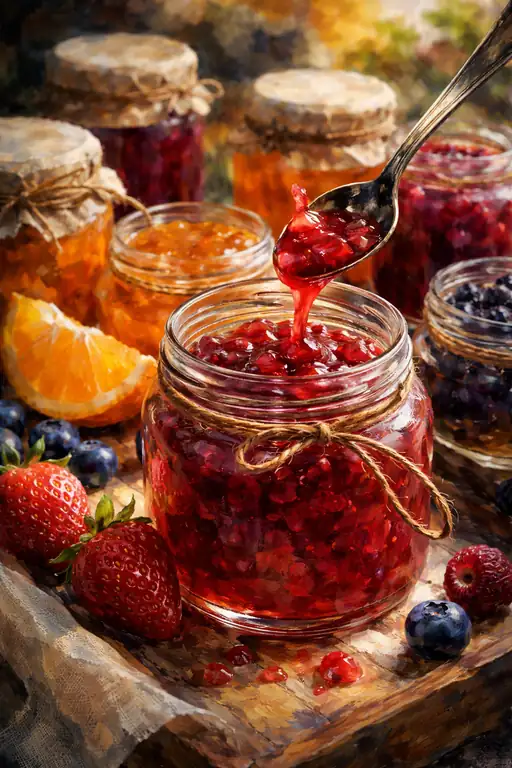 Preserving the Season's Glow
Similar Artworks
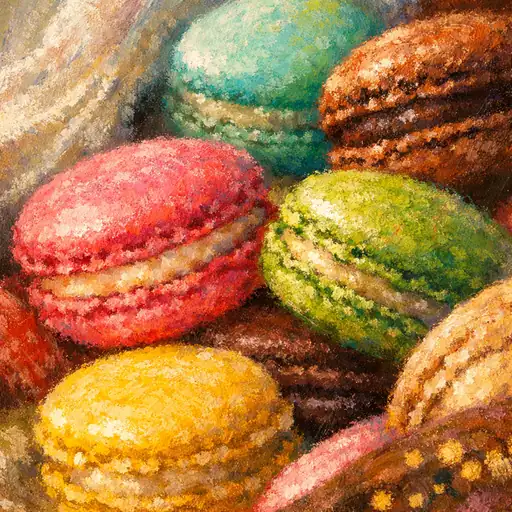 Rhapsody of Colorful Sweetness
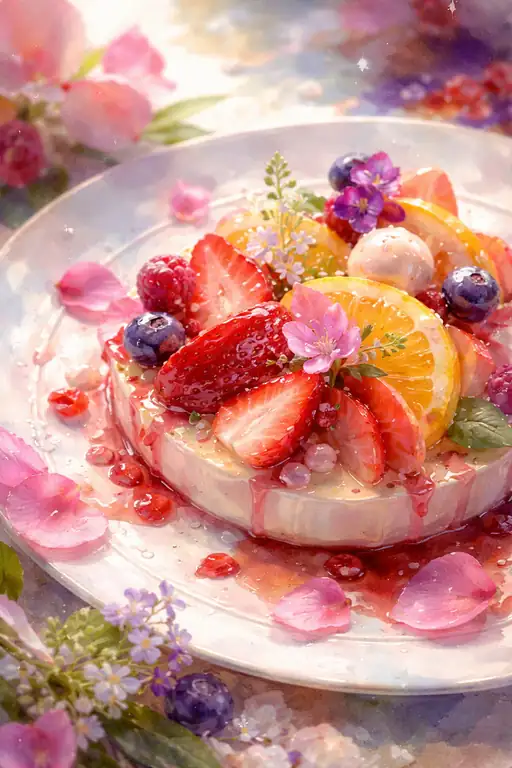 A Sun-Drenched Symphony of Eternal Sweetness
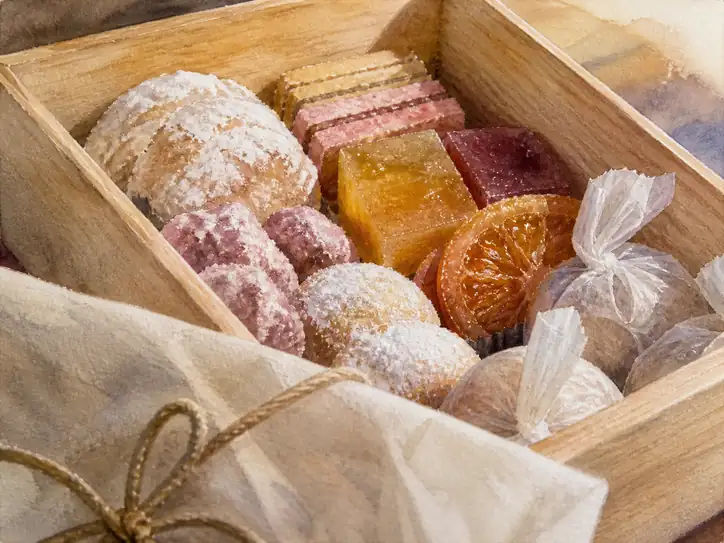 Gifts of Quiet Happiness
 The Heart's Banquet in a Citrus Cradle
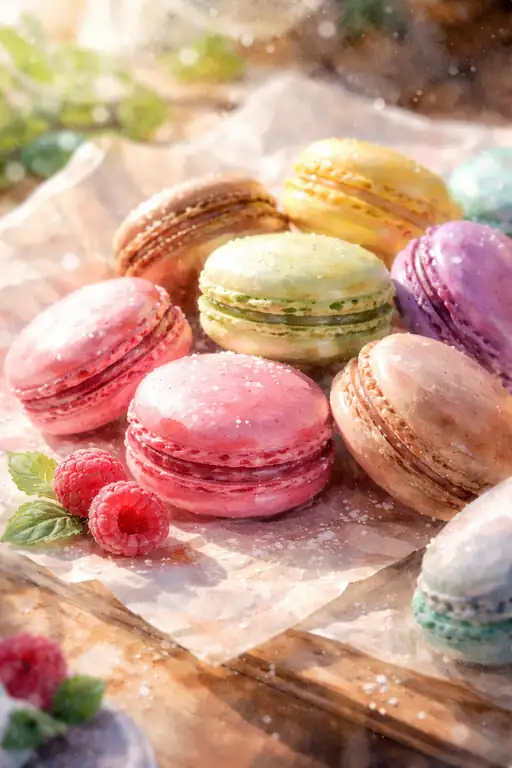 A Whimsical Dance of Sweetness
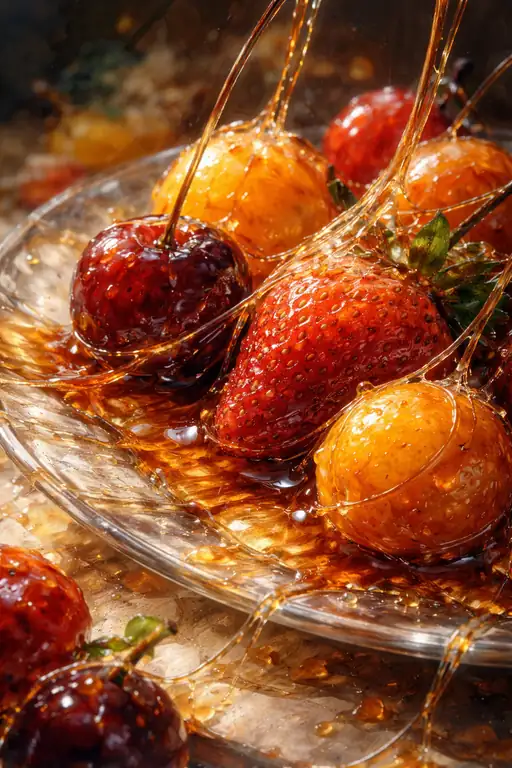 Golden Threads of Indulgence
 Summer's Radiance in a Glass
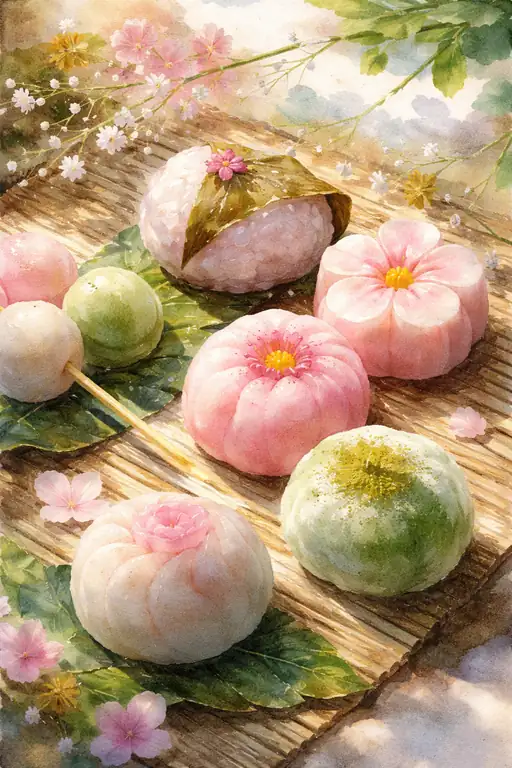 Whispers of Spring on a Bamboo Mat
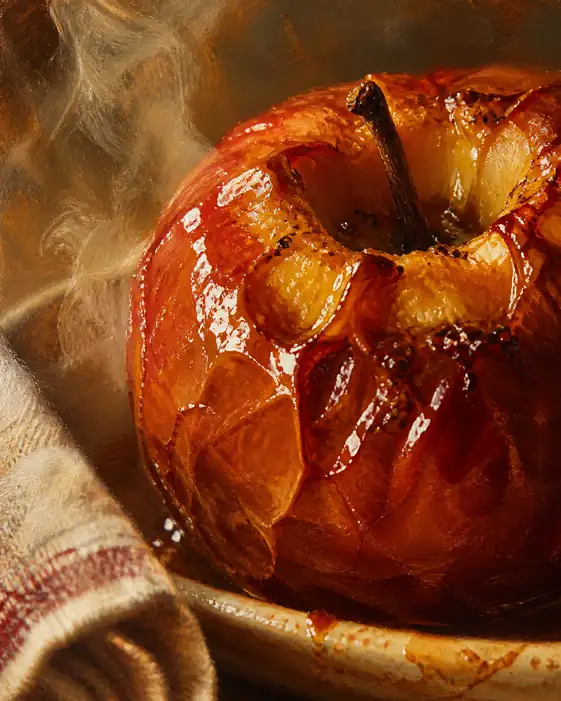 Ascending Breath of the Hearth
 Jewels for the Soul