
Golden Warmth of the Hearth
Critique
1. Introduction This work is a vibrant and tactile still-life painting that captures a rustic savory tart, likely a quiche, in a moment of consumption. The composition focuses on the rich textures and warm colors of the food, inviting the viewer into a domestic and appetizing scene. Through its expressive brushwork, the piece elevates a simple culinary subject into a compelling study of light and form. 2. Description The central subject is a golden-brown quiche with a thick, flaky crust, resting on a crumpled piece of parchment paper. A silver fork is shown lifting a triangular slice, revealing a cross-section of the filling which includes layers of green spinach and pinkish ham or bacon. The top surface of the tart is heavily textured, showing signs of being baked to a crisp. In the background, a deep red cloth and various glass jars are partially visible, blurred to keep the focus on the main subject. In the bottom left corner, a small branch with red berries or tomatoes adds a touch of fresh color to the predominantly warm palette. 3. Analysis The painting utilizes a dynamic, close-up composition that creates an immediate sense of intimacy. The use of a fork to lift a slice adds a narrative element, suggesting an action that has just taken place. The artist employs a vigorous impasto technique, where thick layers of paint are applied to mimic the craggy, uneven texture of the baked pastry. Lighting comes from the upper right, casting soft shadows across the parchment and highlighting the metallic sheen of the fork. The color scheme is dominated by an earthy palette of ochre, burnt sienna, and gold, which is effectively punctuated by the cool greens and reds of the ingredients and surroundings. 4. Interpretation and Evaluation This piece demonstrates an exceptional ability to convey sensory information through visual means, particularly the perceived crunch of the crust and the softness of the filling. The painterly style is both confident and deliberate, using broad strokes to define form rather than relying on sharp outlines. The composition is well-handled, with the diagonal of the fork creating a lead-in line that breaks the circularity of the tart. While the subject is humble, the technical execution regarding color harmony and texture is sophisticated. The work successfully captures the "homestyle" quality of the meal, valuing the beauty found in everyday sustenance and the warmth of a shared kitchen. 5. Conclusion Initially, the viewer’s attention is captured by the appetizing appearance of the quiche and the bold use of paint. Over time, the appreciation shifts toward the artist’s mastery of light and the complex layering of colors that build the subject’s volume. The work is a successful exploration of texture and warmth, leaving the viewer with a sense of comfort and a renewed appreciation for the aesthetics of the culinary arts.
 Amber cascade into clarity
 A Tapestry of Savory Delights
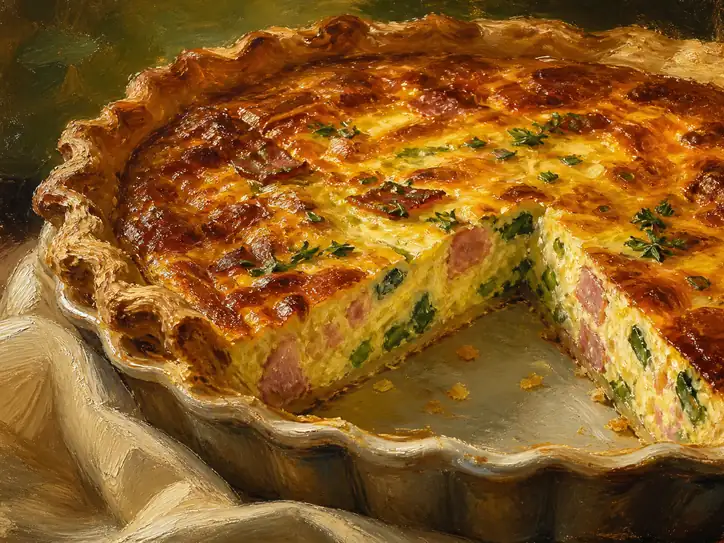 Eternal Warmth on a White Plate
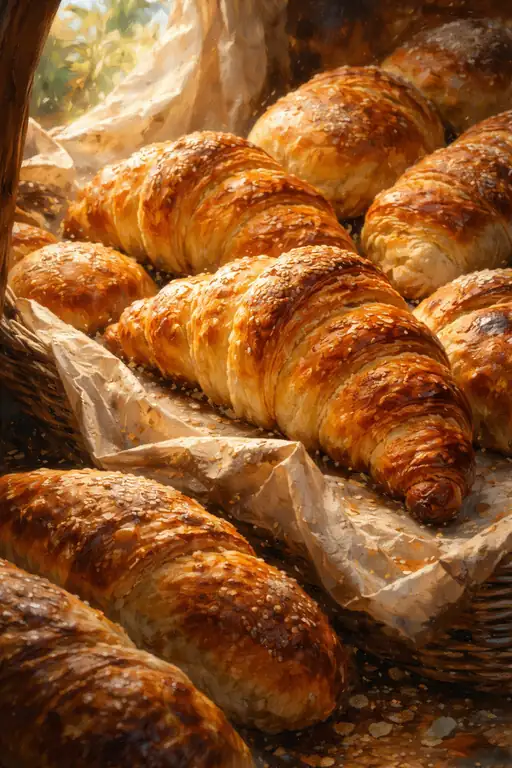 Morning Gold: The Flaky Temptation
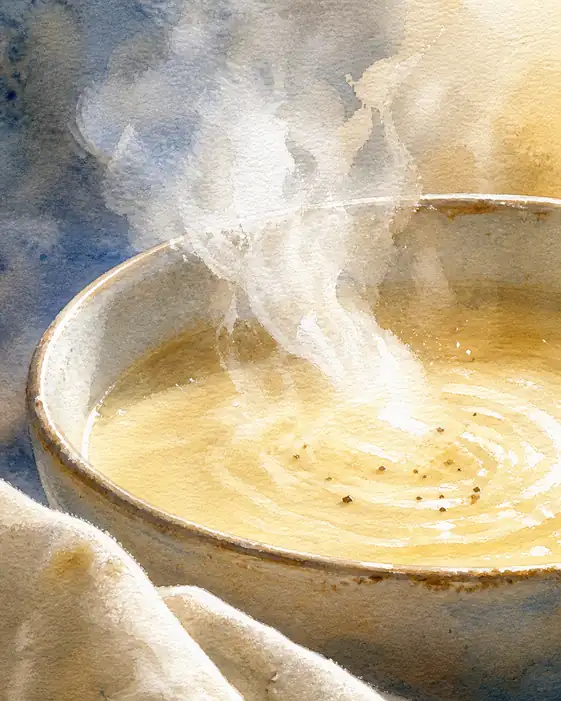 Golden Solace
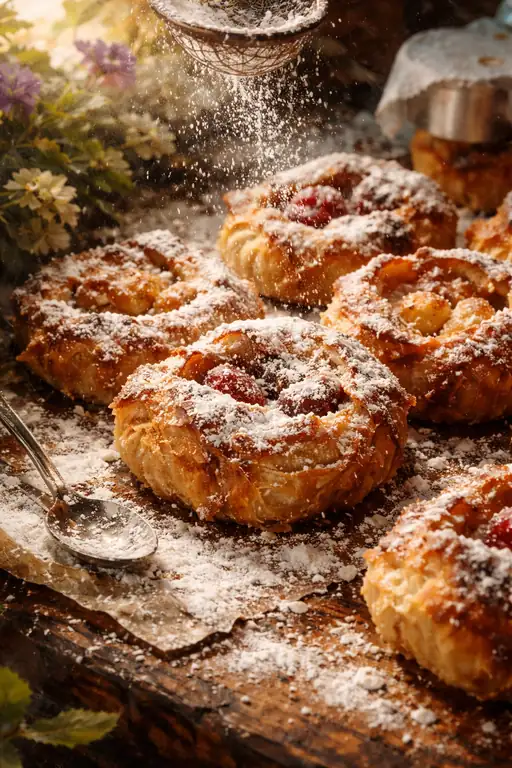 A Veil of Sweetness
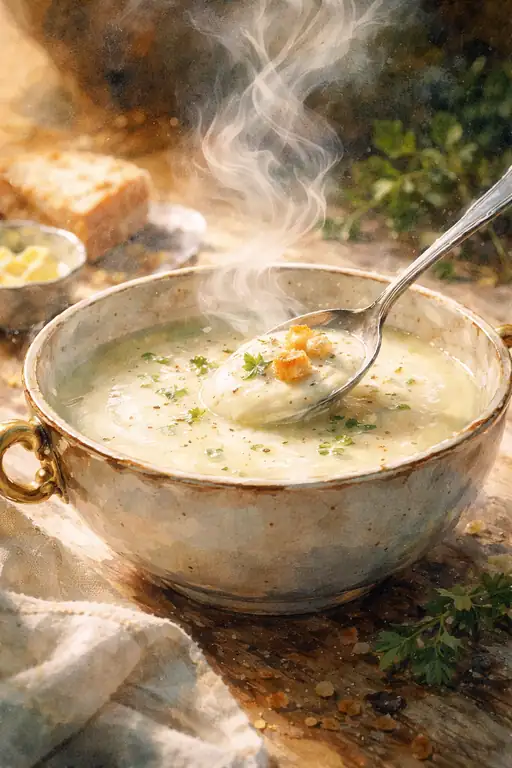 Whispers of Warmth
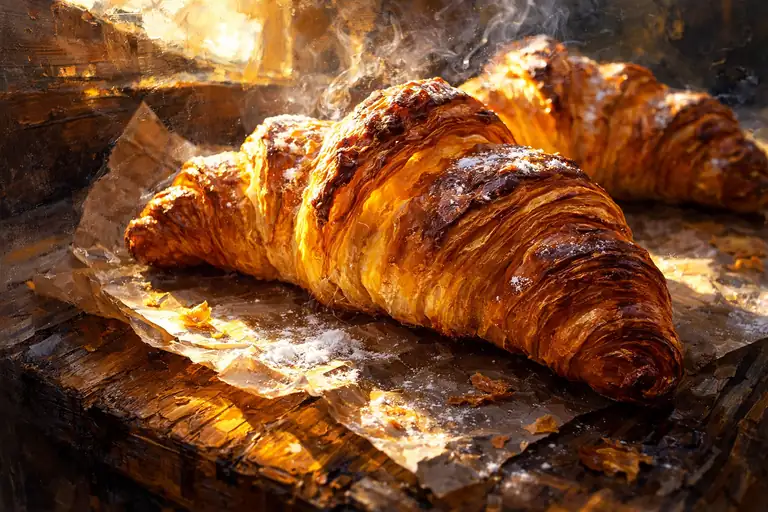 The Baker's Warm Embrace
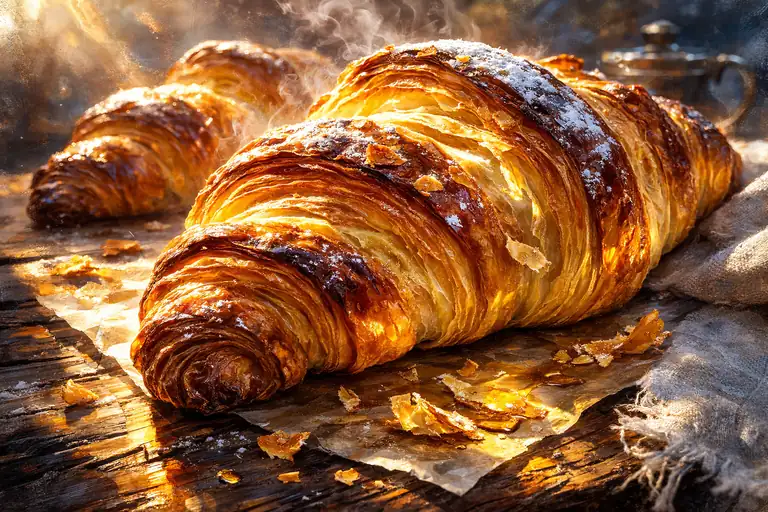 Golden Flakes in the Morning Light
 A Feast of Abundance Swaying in the Lamplight
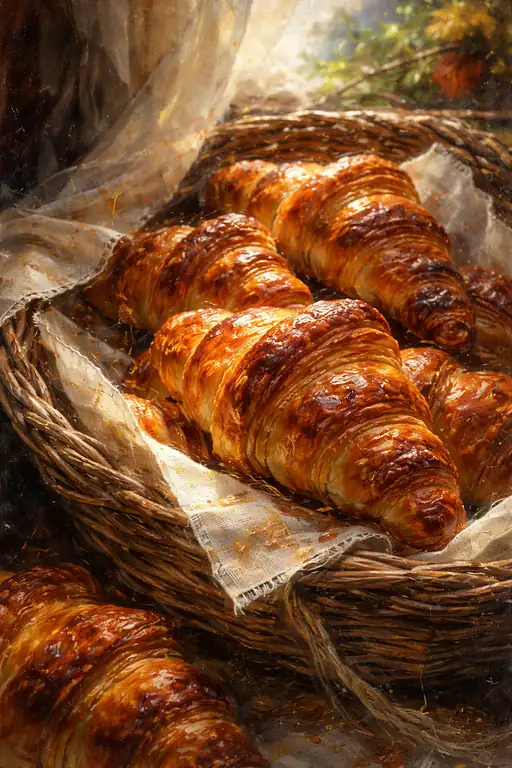 Awakening with Fresh Pastries
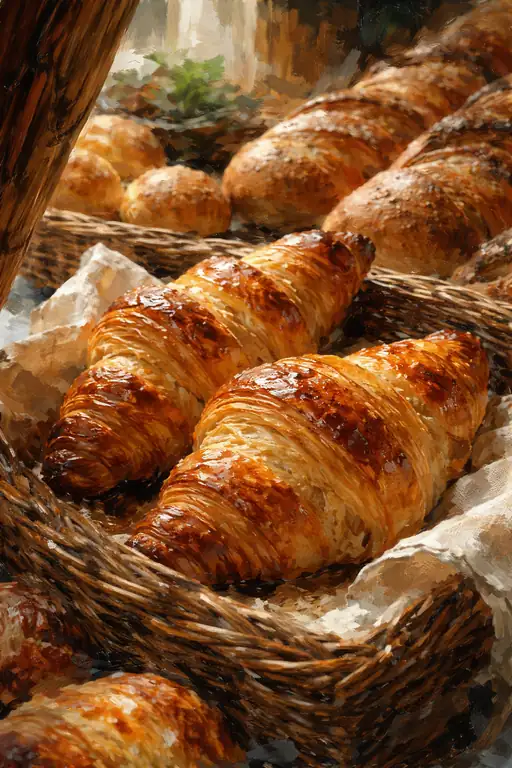 Golden Warmth of the Morning