
The Guardian's Silent Prayer
Critique
1. Introduction This oil painting presents a powerful and dignified depiction of a "Komainu" (guardian lion), capturing the sacred atmosphere of a shrine with profound spiritual depth and heavy texture. The commanding presence of the lion, which occupies most of the frame, is complemented by religious elements such as a large bell, shimenawa ropes, and flickering candles, creating a palpable sense of holiness. The use of an aged color palette and a granular "matière" evokes the weight of centuries-old faith and tradition, resulting in a truly formidable artistic expression. 2. Description From the center to the right, a white stone Komainu is prominently featured with its mouth open, revealing sharp teeth and a fierce expression. Around its neck is a ceremonial red-and-white rope adorned with pristine white "shide" (paper streamers). To the left, a large, weathered bell and a thick shimenawa hang from above, while two candles at the bottom cast a soft glow and release thin wisps of smoke into the air. In the darkened background, a golden emblem gleams dully, and the entire surface is treated with a fine, sandy texture that suggests the quality of an ancient mural or aged silk. 3. Analysis The color scheme is built upon a base of muted beiges and browns, with the vibrant red of the rope and the golden light of the candles serving as effective highlights. The handling of light is particularly noteworthy; the faint illumination from the candles at the bottom brings the complex carvings of the lion and the surrounding objects into sharp, three-dimensional relief. The brushwork alternates between precise detailing and broad, layered applications, successfully balancing the solid physicality of the stone with a timeless, mystical aura. This tactile approach moves beyond simple visual representation to engage the viewer’s emotional and physical senses. 4. Interpretation and Evaluation Beyond a mere reproduction of religious iconography, this work attempts to visualize the invisible spirituality and sense of awe inherent in such sacred sites. The artist’s technical mastery allows the hard texture of stone to coexist with ephemeral elements like rising smoke, creating a densely packed and meaningful composition. Structurally, the diagonal placement of the Komainu provides the scene with dynamic energy, while the surrounding symbolic objects reinforce its majesty through a multi-layered arrangement. This original and evocative spatial staging is highly commendable. 5. Conclusion Ultimately, the painting is a masterful elevation of traditional Japanese belief into a contemporary visual narrative, executed with exceptional texture and deep insight. While one is initially struck by the lion’s intense expression, a longer engagement reveals the quiet atmosphere of prayer found in the flickering flames and drifting smoke, drawing the observer into the depths of a hallowed sanctuary. This work, a fruition of technical excellence and a profound reverence for the subject, leaves a lasting impression of solemn beauty and reminds us of the sacredness at the core of artistic creation.
Same Subcategory
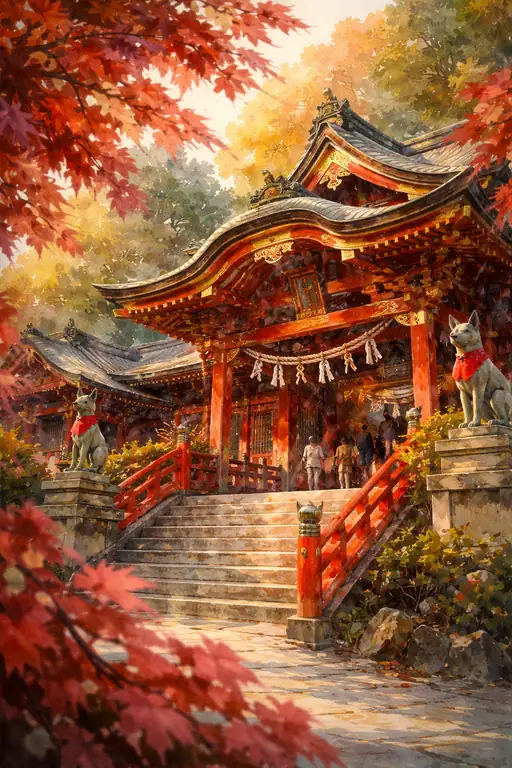 The Golden Ascent Through Autumn's Embrace
Similar Artworks
 Fierce Guardian in the Candlelight
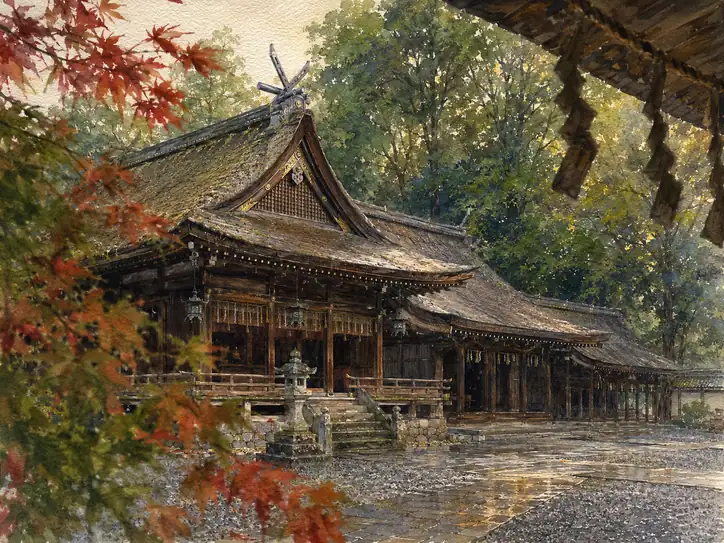 Sanctuary of the Whispering Leaves
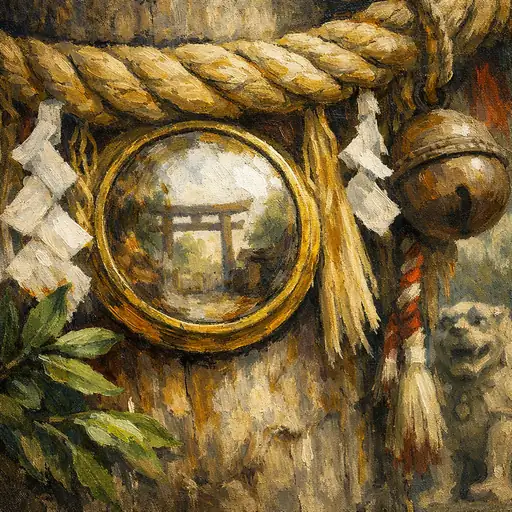 Reflection of the Sacred Sanctuary
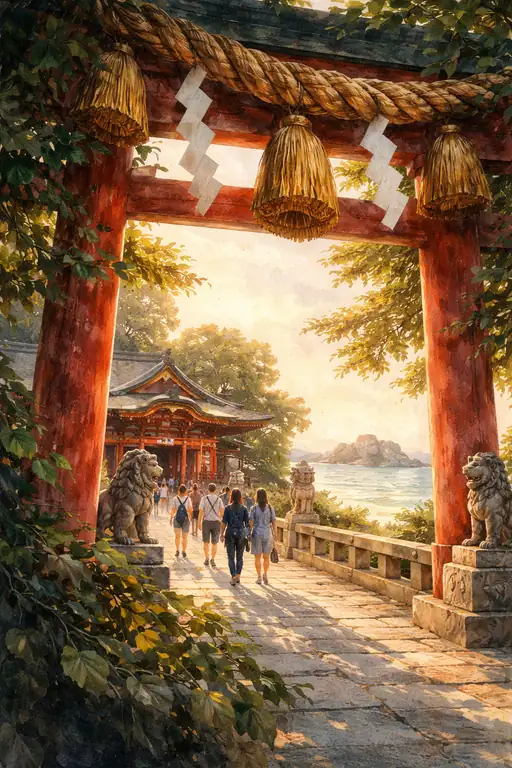 The Crimson Threshold to Peace
 Guardian of Eternity
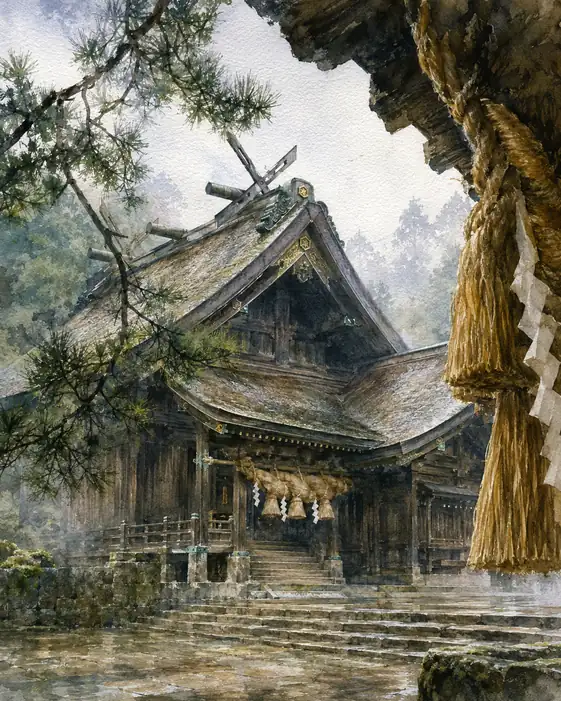 Threshold of the Sacred Mist
 Eternal Whispers of a Golden Roumon Gate
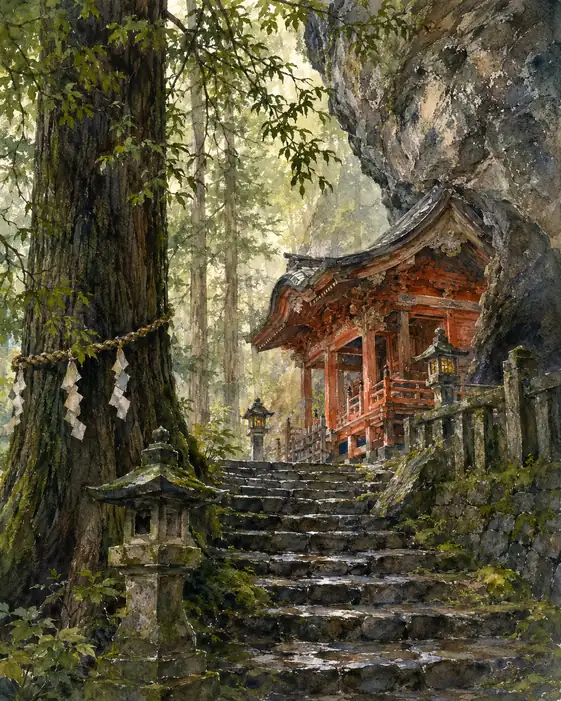 The Ancient Spirit’s Sanctuary
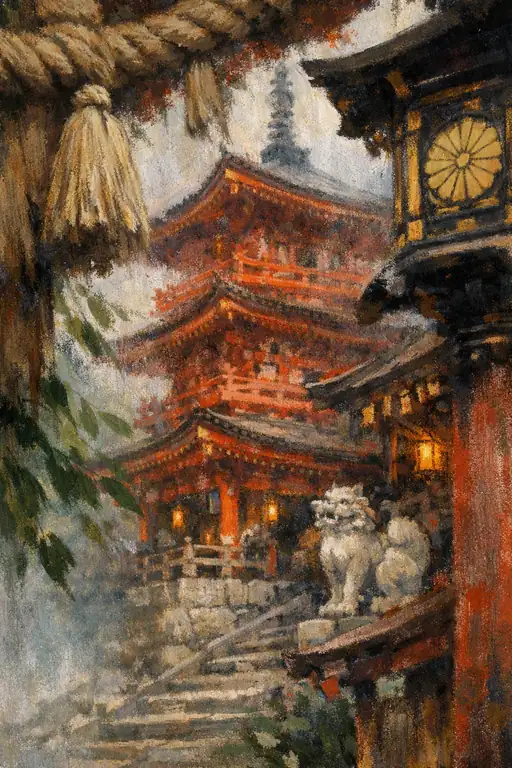 Vermilion Reverence
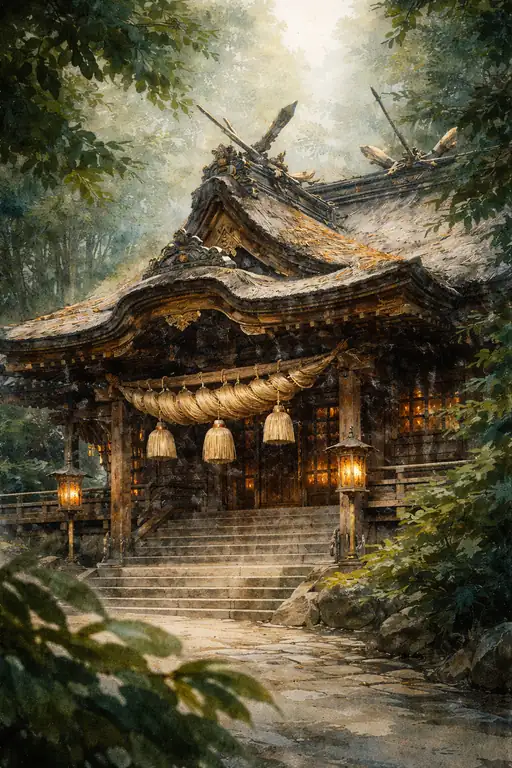 The Sacred Silence of the Moss-Covered Hall