
Guardian of the Glimmering Portal
Critique
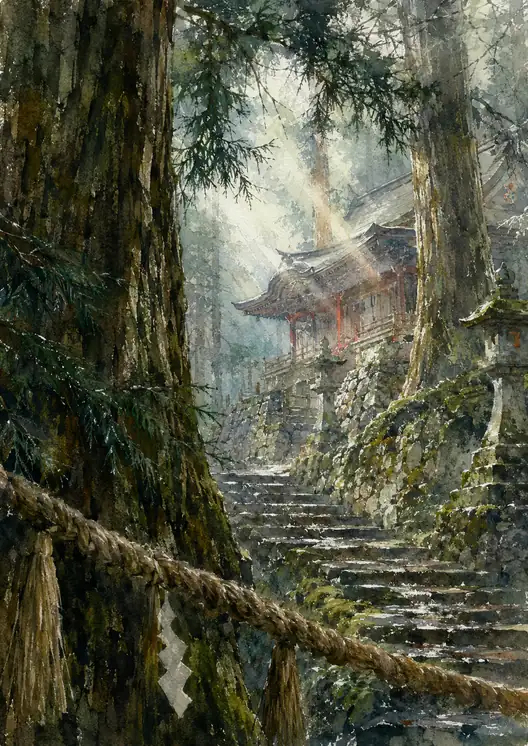
1. Introduction This oil painting captures a grand and solemn shrine gate nestled deep within a lush forest, rendered with powerful brushwork and a rich, vibrant color palette. The interplay between the brilliant sunlight filtering through the canopy and the ancient, weathered architecture creates a profound sense of sacred space. Combining a masterful impasto technique with a carefully structured composition, the work successfully reinterprets traditional Japanese aesthetics through a contemporary lens of light and texture. 2. Description The central focus is a magnificent vermillion-colored "Romon" gate, its eaves adorned with a massive, twisted "shimenawa" (sacred straw rope). Flanking the entrance are stone "komainu" (guardian lions), their surfaces depicted with a rugged texture that suggests the passage of ages and the accumulation of moss. The foreground features a stone-paved approach dappled with sunlight that spills through the overhead maple leaves, creating a rhythmic pattern of light and shadow. In the background, the dense, verdant forest recedes into a mysterious depth, inviting the viewer further into the spiritual sanctum. 3. Analysis The color scheme relies on the striking contrast between the symbolic red of the gate, the refreshing greens of the surrounding foliage, and the cool grays of the stone structures. Notably, the artist employs a thick application of paint to physicalize the presence of light; the raised textures catch actual ambient light, lending a tactile luminosity to the scene. The treatment of "komorebi" (sunlight filtering through trees) is particularly effective, using bold strokes to define the complex geometry of the architecture while maintaining a sense of atmospheric unity. Each stroke carries a deliberate energy, especially visible in the intricate details of the straw rope and wood grain. 4. Interpretation and Evaluation Beyond mere landscape representation, this work seeks to capture the intangible spiritual essence and the slow progression of time within the shrine grounds. The artist’s technical prowess allows for the coexistence of solid, enduring architecture and the ephemeral, shifting nature of light. The composition uses the overhanging foliage as a natural frame, focusing the viewer’s attention on the portal as a threshold between the mundane and the divine. The synthesis of a classic subject with a highly expressive, modern technique is commendable, offering a vivid snapshot of historical weight meeting natural vitality. 5. Conclusion Ultimately, the painting is a masterful exploration of the sublime harmony between traditional Japanese beauty and the raw power of nature. While initially captivated by the intensity of the colors, the viewer gradually becomes aware of the sacred atmosphere rising from the layered pigments and the imagined sound of wind through the stone stairs. This work, built upon technical excellence and deep cultural insight, inspires a sense of awe and encourages a renewed appreciation for the essential qualities of Japanese aesthetic traditions.
Same Subcategory
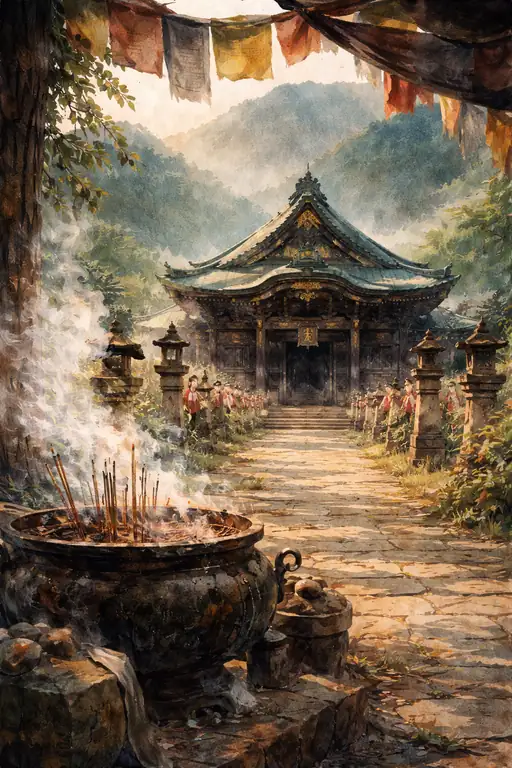 Incense and Solitude at the Mountain Shrine
 Golden Splendor in the Sacred Woods
Similar Artworks
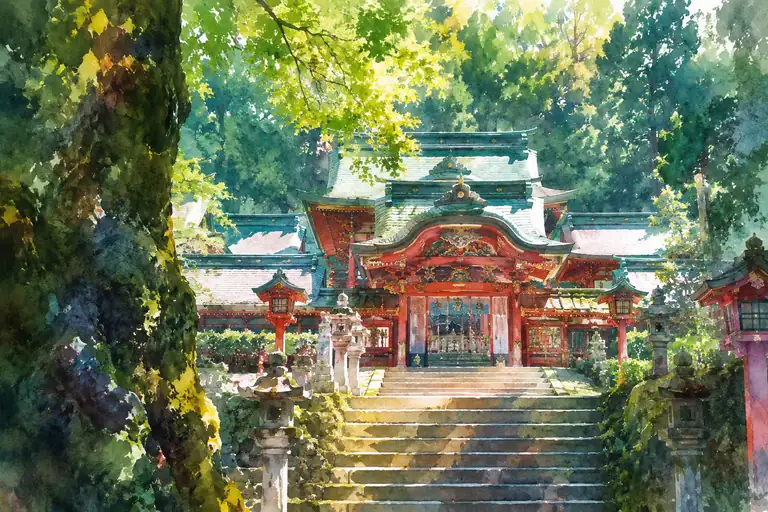 Sunlight on the Sacred Path
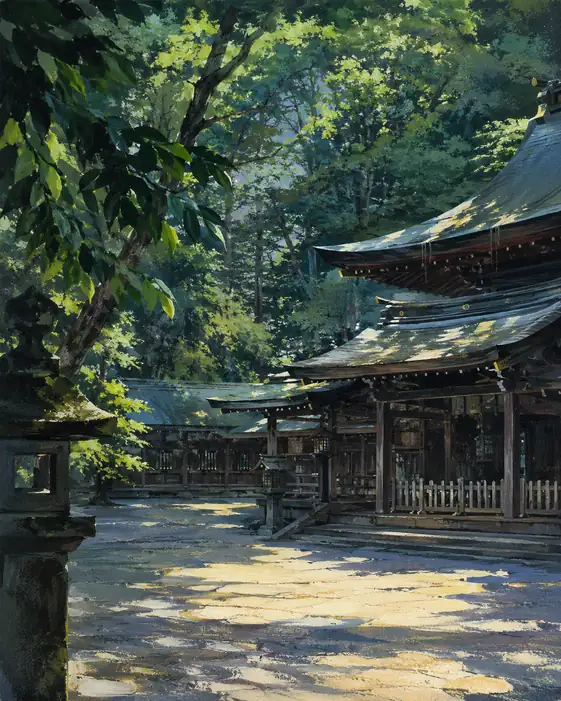 Whispers of the Sunlit Sanctuary
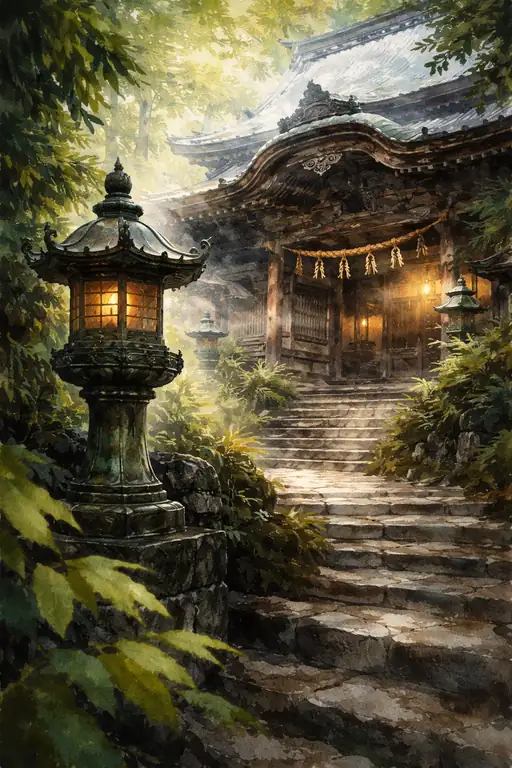 Sanctuary of the Silent Forest
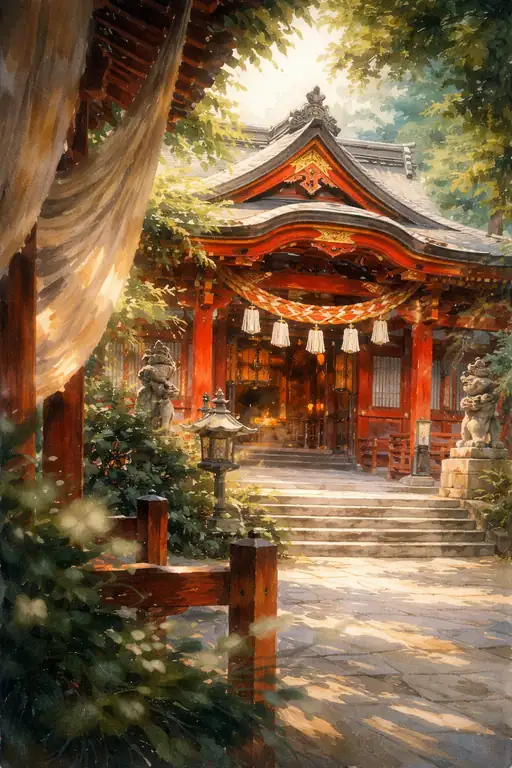 Sunlight Upon the Vermilion Pillars
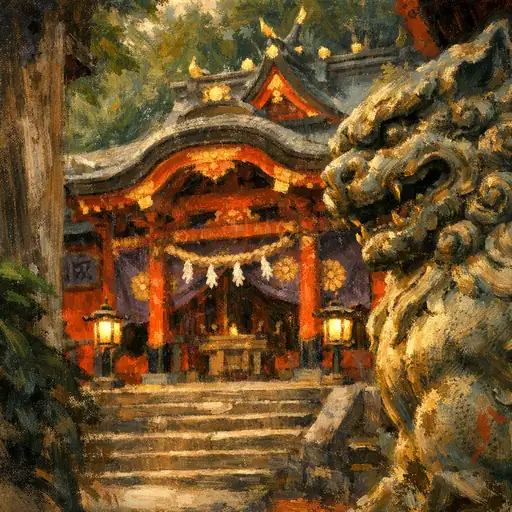 Guardian of the Vermilion Twilight
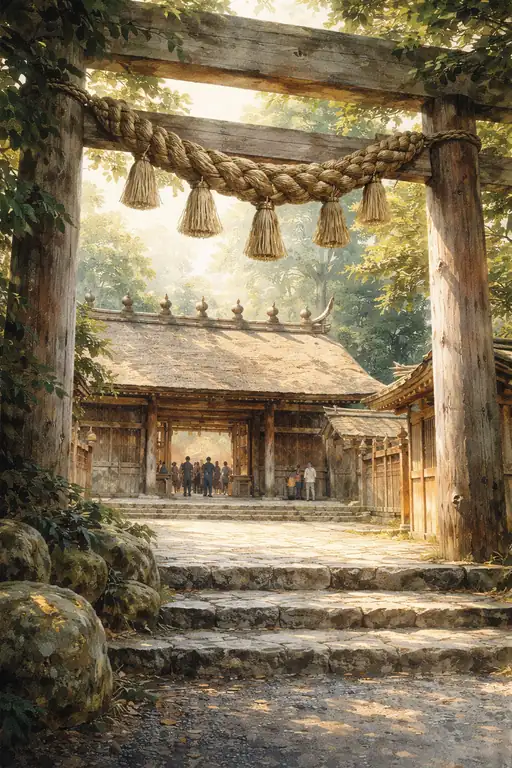 Awakening the Sacred Path
 Whispers in the Mossy Sanctuary
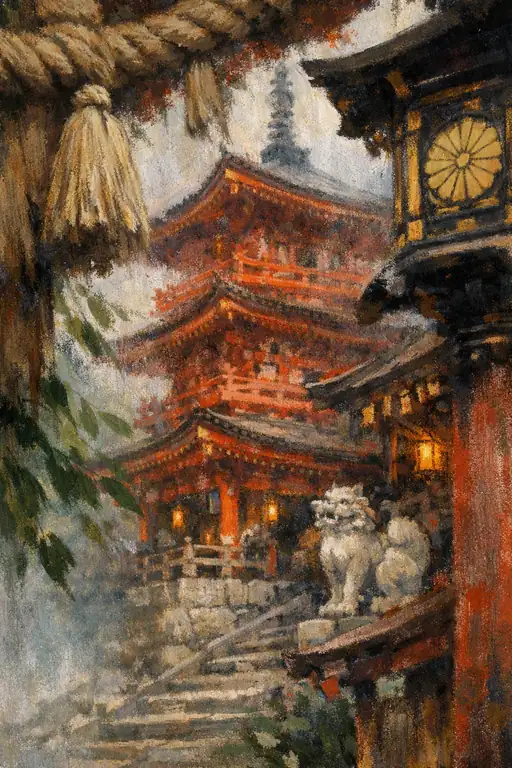 Vermilion Reverence
 Where Crimson Meets the Emerald Wilds
 Sanctuary of the Piercing Light