
Sentinel of the Northern Edge
Critique
1. Introduction This evocative painting depicts Cape Soya, the northernmost point of Japan, rendered in a bold and highly textural impasto style. The composition focuses on two iconic landmarks: the triangular monument marking the geographical boundary and the nearby lighthouse. Through expressive brushwork, the artist transforms this site into a dramatic study of light and form at the sea's edge. 2. Description On the left, the dark monument stands prominently, with the inscriptions "SÔYA MISAKI" and "Northernmost Point of Japan" visible. To the right, the lighthouse rises against a cloudy sky, its lantern room emitting a warm, golden glow that illuminates the metalwork. In the foreground, long, withered grasses sway in the wind, adding a sense of movement to the scene. 3. Analysis The artist utilizes thick layers of paint to create a rugged surface that mirrors the harsh coastal environment. The contrast between the solid mass of the monument and the bright quality of the lighthouse light provides a strong visual balance. Cool blues and greys in the sky are punctuated by the intense warmth of the beacon, which serves as the central focal point. 4. Interpretation and Evaluation The work successfully captures the poignant atmosphere of a frontier. By emphasizing the glowing light, the artist suggests a sense of guidance and hope amidst the isolation of the northern coast. The technical mastery of texture allows the viewer to feel the cold wind and the rough surfaces of the stone, creating a deeply immersive sensory experience. 5. Conclusion This piece is a powerful celebration of a significant landmark, combining historical weight with atmospheric beauty. The heavy impasto technique lends a monumental quality to the subjects, elevating them beyond simple representation. It is a harmonious work that leaves a lasting impression of the quiet resilience found at the furthest reaches of the landscape.
Same Subcategory
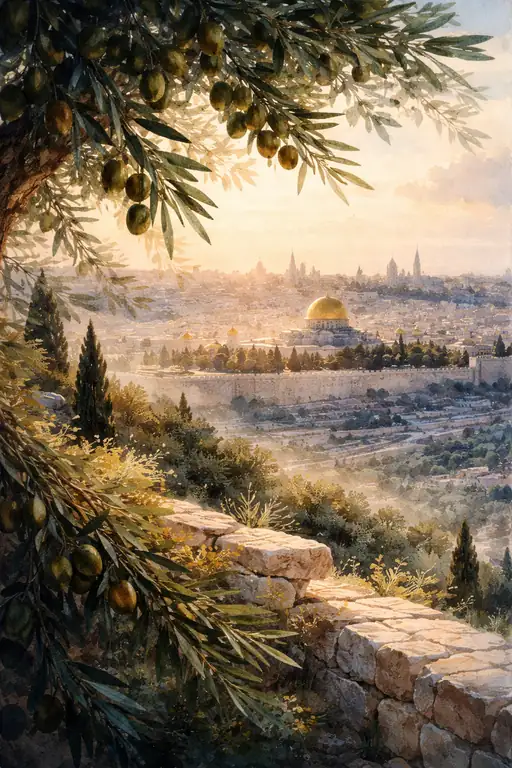 Golden Peace Under the Olive Branch
 Still Watching Over the Dream
Similar Artworks
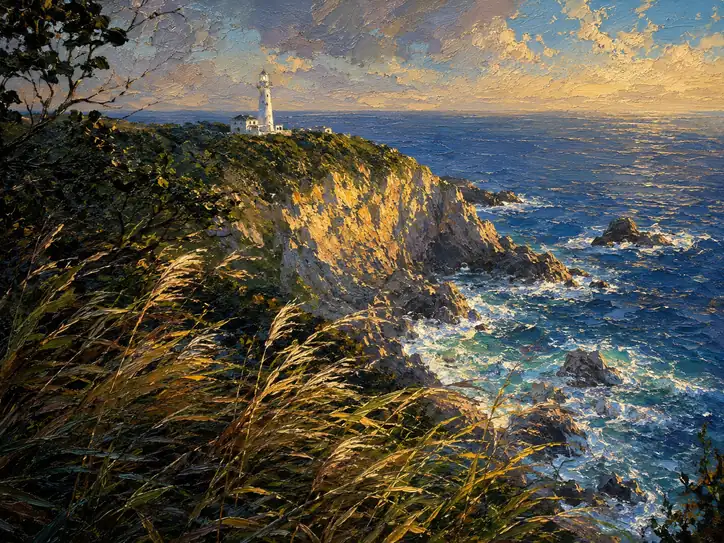 The Beacon of the Golden Hour
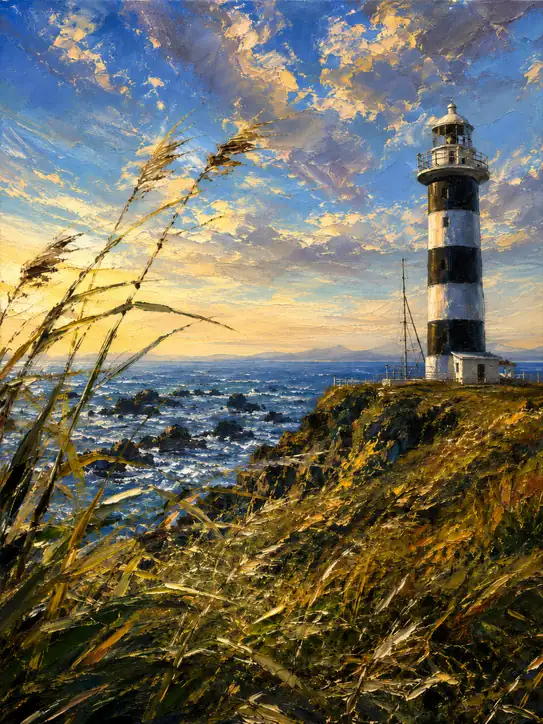 Sentinel of the Stripped Shore
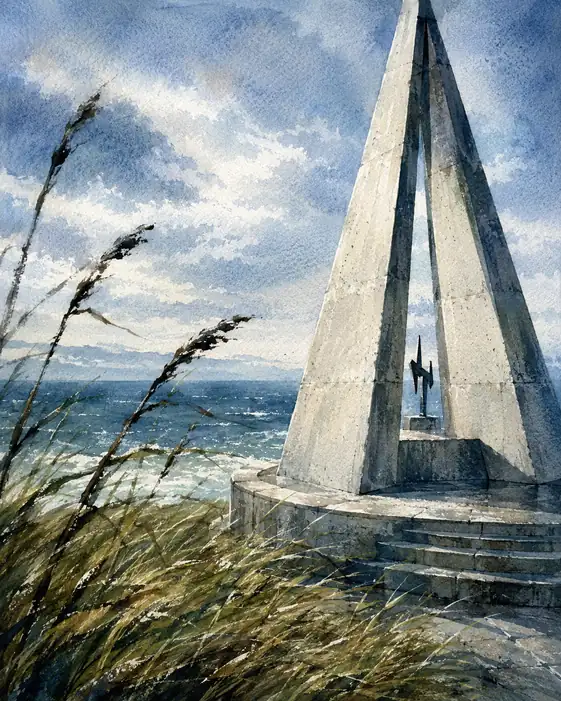 Sentinel of the Shore: Echoes of Memory
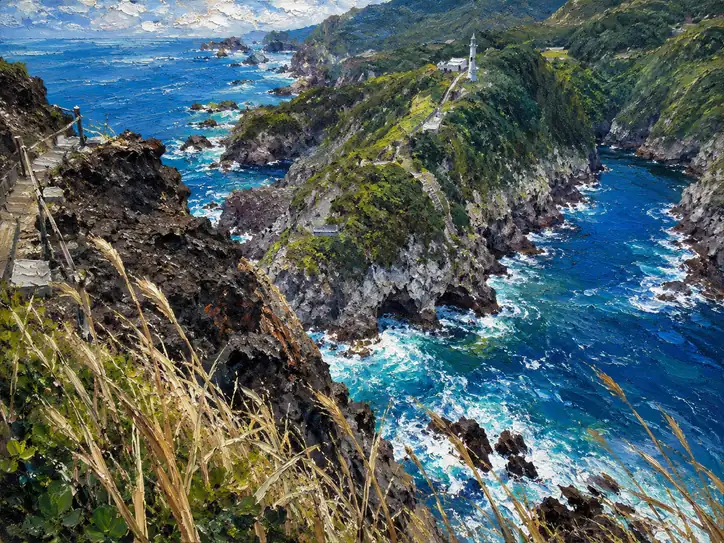 A Beacon against the Roaring Tide
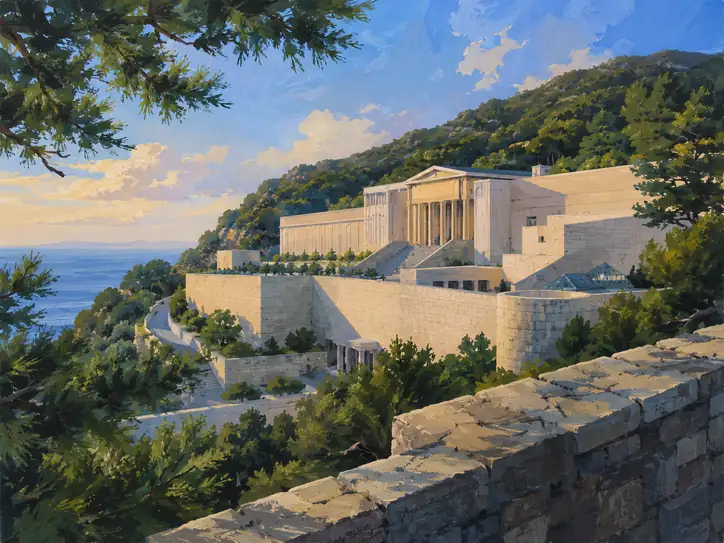 Sanctuary on the Azure Slopes
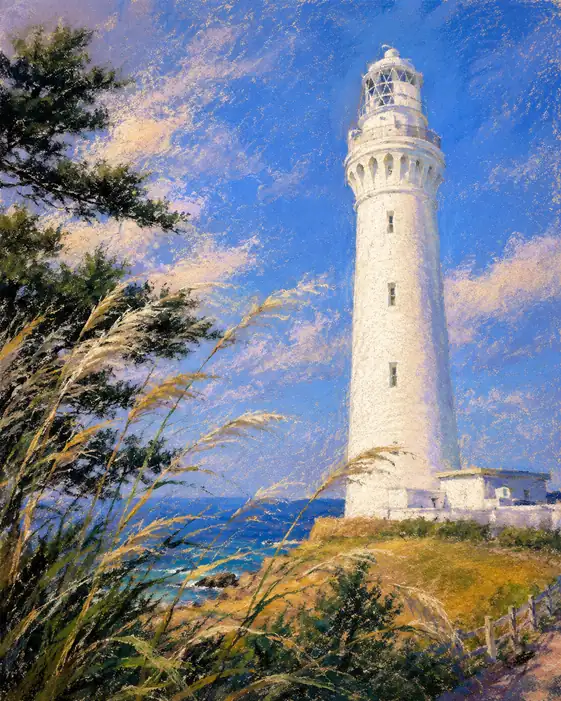 Sentinel of the Azure Breeze
 Modernity Embraced by the Sun
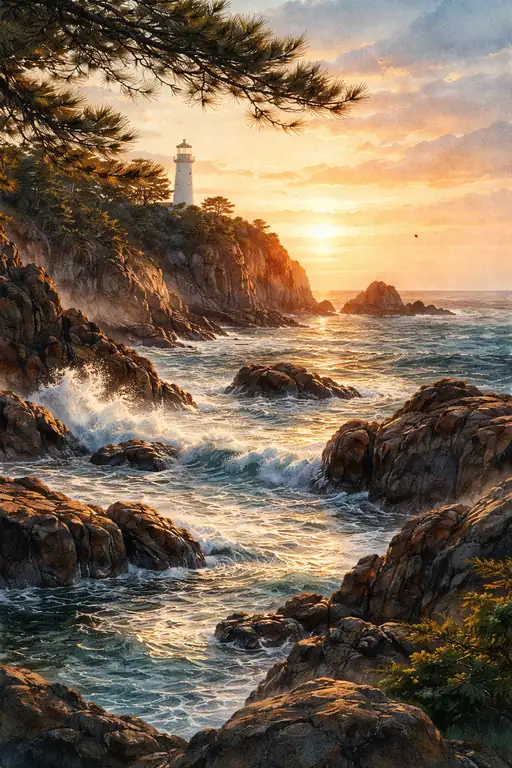 The Guardian's Golden Solitude
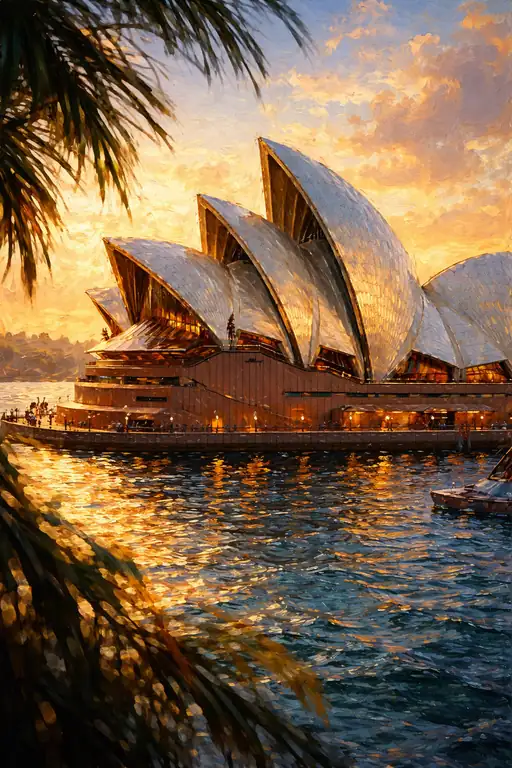 Golden Sails of the Urban Symphony
 Sugarloaf Mountain's Golden Hour: The Cable Car's Journey Through the Haze