
Resonance of the Iron Heart
Critique
1. Introduction This evocative painting transports the viewer into the heart of a colossal mechanical system, possibly the interior of a historic clock tower or an early industrial engine room. The scene is defined by its immense scale and the majestic presence of interlocking gears that seem to resonate with a silent, rhythmic power. Through a masterfully applied painterly technique, the artist elevates functional machinery into an object of aesthetic veneration. The initial impression is one of awe, as the viewer confronts the intricate complexity of a world driven by physical motion and enduring metallic structures. 2. Description The composition is dominated by two massive, golden-hued gears situated in the middle ground, their teeth perfectly aligned and catching the ambient light. In the foreground, heavy horizontal beams and smaller mechanical components provide a sense of grounded stability, while a thick chain ascends vertically on the left. The background reveals a bright, hazy opening through which intense golden light pours, illuminating the dust in the air and casting long, dramatic shadows. The surfaces of the metal are rendered with a combination of dark, oxidized tones and brilliant, impasto-laden highlights that suggest a history of use and maintenance. 3. Analysis The artist utilizes a strong vertical orientation, enhanced by the placement of the gears and the vertical chain, which guides the eye upward toward the source of light. This upward movement creates a sense of cathedral-like space within the industrial setting. The color palette is restricted yet rich, relying on variations of gold, bronze, and deep umber to create a cohesive atmosphere. Light acts as the primary sculpting tool, defining the volume of the gears and the depth of the receding space. The texture is varied, with smooth metallic sheens contrasting against the rough, weathered appearance of the structural supports. 4. Interpretation and Evaluation The work can be interpreted as a celebration of human ingenuity and the sublime beauty found in mechanical order. By bathing the machinery in such a warm, ethereal light, the artist suggests that these inventions possess a soul or a certain divine logic. Evaluation of the piece reveals a high level of skill in capturing the weight and materiality of heavy industry. The originality lies in the decision to present a factory-like setting with the reverence usually reserved for religious or natural subjects, showcasing a unique perspective on the industrial era. 5. Conclusion In summary, the painting is a powerful exploration of the relationship between light, shadow, and the built environment. What begins as an observation of cold metal transforms into a warm, atmospheric experience that lingers in the mind of the observer. The transition from the dark, heavy foreground to the radiant background creates a compelling narrative of enlightenment through labor and design. Ultimately, the work succeeds in making the viewer feel small yet inspired within the vast machinery of time and progress, leaving a lasting impression of industrial grandeur.
 The Core of Infinite Order
 Heartbeat of the Golden Engine
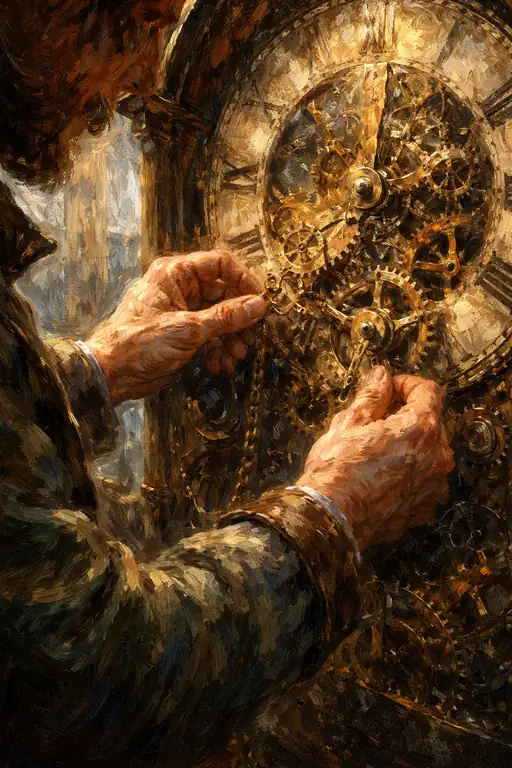 Hands That Mend the Hours
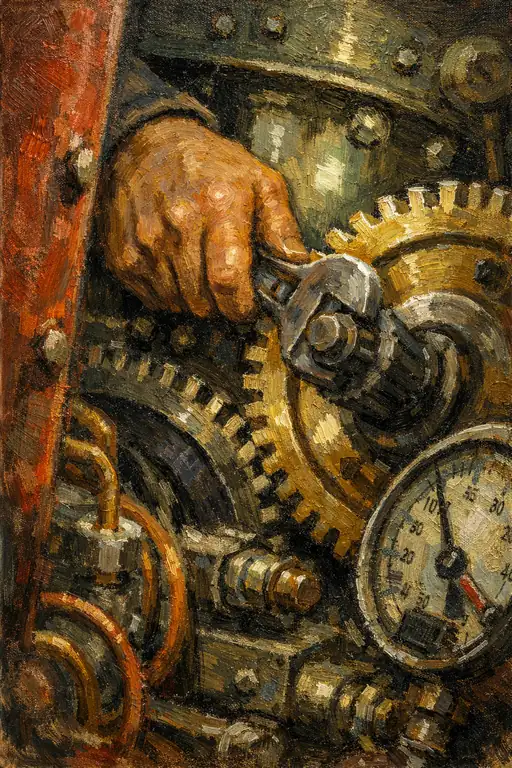 Pulse of the Iron Heart
 Symphony of Brass and Iron
 Heart of the Mechanism
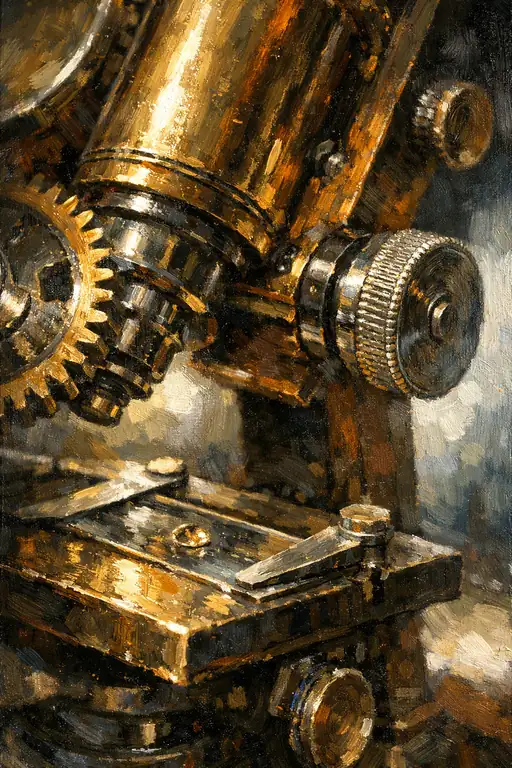 Gears of Forgotten Truths
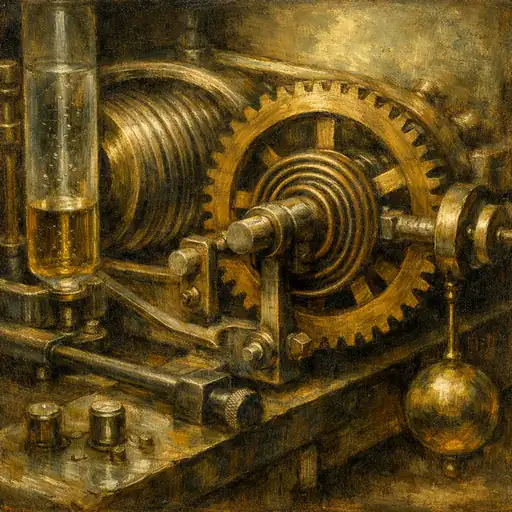 Poetry of the Golden Gears
 The Weight of a Silent Choice
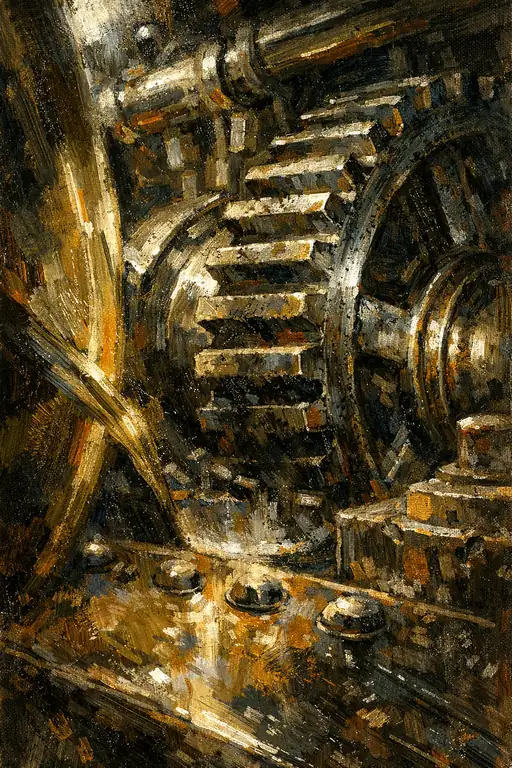 Symphony of the Iron Titans
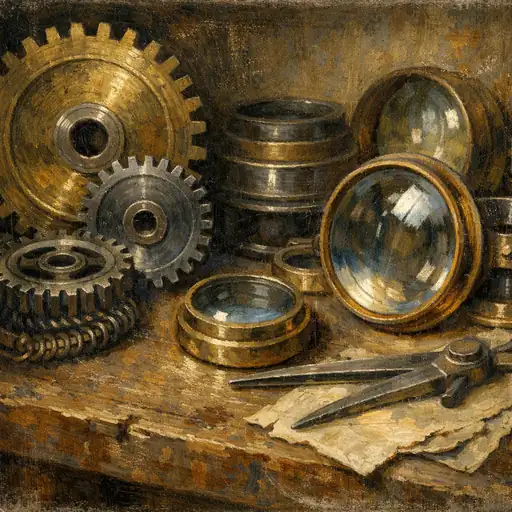 Visions Through the Brass Eye
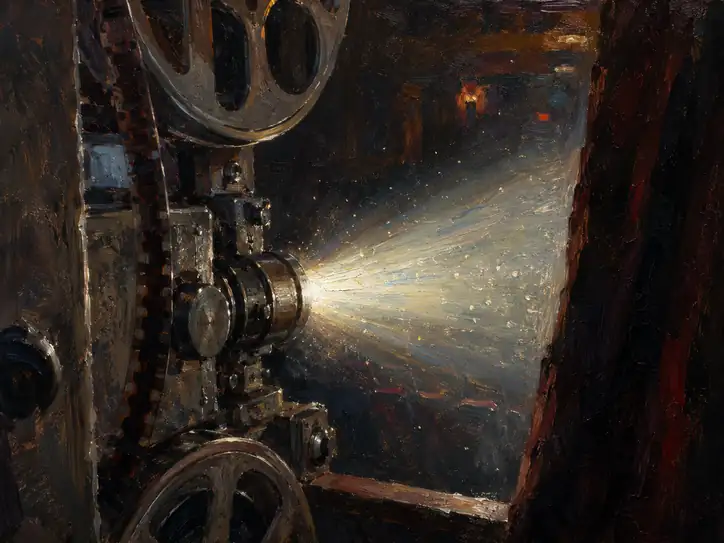 Sculpting the Darkness with Light