
Sovereign of the Emerald Thicket
Critique
1. Introduction This vibrant painting captures a high-intensity moment in a tropical jungle, featuring the powerful head of a tiger as the primary focal point. The work is characterized by its energetic, textured brushwork and a rich, saturated color palette that emphasizes the wild beauty of the natural world. It presents a dynamic interaction between the fierce predator and the delicate elements of its environment, such as flowers and insects. 2. Description The upper right portion of the canvas is dominated by the snarling face of a tiger, its mouth slightly open to reveal sharp teeth and its piercing green eyes focused intently. In the lower-left foreground, a detailed scene unfolds with a bright pink tropical flower, a yellow bud, a hovering blue dragonfly, and a white butterfly. Dense, layered foliage in various shades of green and brown frames the composition, with palm trees visible in the soft-focus background under a pale, luminous sky. 3. Analysis The artist employs a thick, impasto-like application of paint, which gives the tiger’s fur and the surrounding leaves a tangible, three-dimensional quality. The composition relies on a series of diagonal lines formed by the plants and the tiger’s gaze to create a sense of movement and depth. Color contrast is used effectively; the warm oranges and yellows of the tiger and flowers stand out sharply against the cool greens and blues of the jungle and dragonfly. The lighting appears to filter through the canopy, creating dappled highlights throughout the scene. 4. Interpretation and Evaluation The painting successfully juxtaposes the raw power of the tiger with the fragile elegance of the butterfly and flowers, suggesting the complex balance of life within the rainforest. The aggressive expression of the animal is tempered by the serene beauty of its surroundings, creating a narrative of natural harmony rather than mere violence. Technically, the mastery of texture is impressive, as the varied brushstrokes effectively differentiate between the softness of fur, the sheen of insect wings, and the stiffness of tropical leaves. The work is both visually stimulating and emotionally evocative. 5. Conclusion In conclusion, the artwork is a compelling and skillfully executed celebration of wildlife and its habitat. The initial impact of the tiger’s ferocity gradually shifts toward an appreciation for the intricate details of the entire ecosystem. It stands as a powerful example of how a traditional nature subject can be transformed into a modern, expressive statement through the bold use of color and texture.
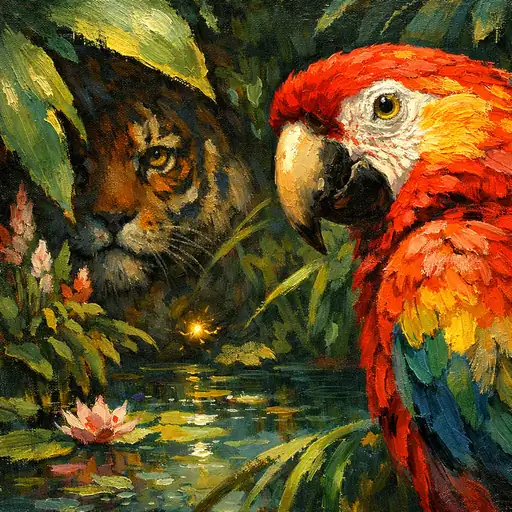 The Silent Breath of the Jungle
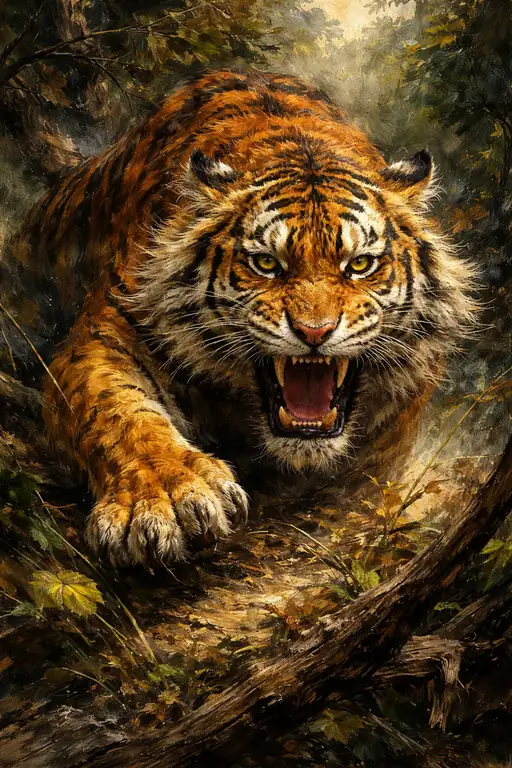 Fierce Shadows of the Untamed Forest
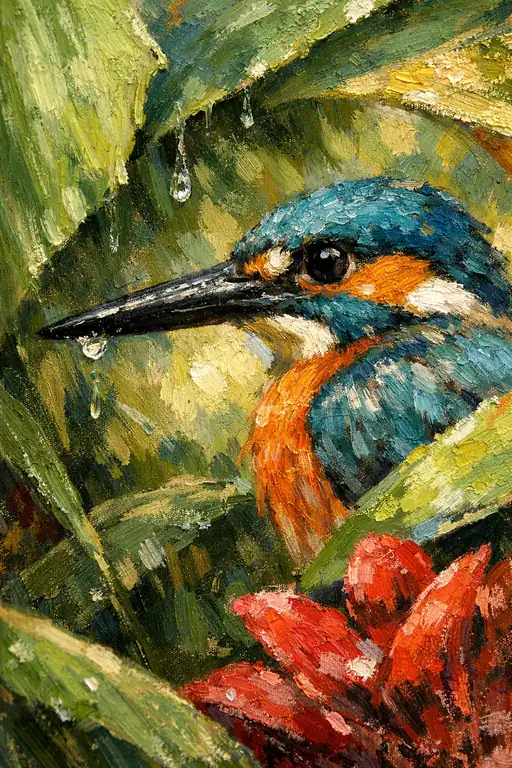 Jewel in the Downpour
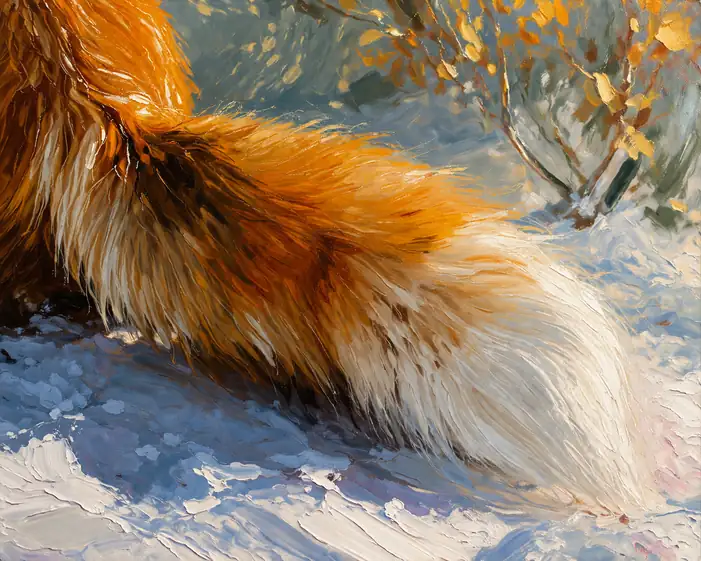 Winter's Warmth
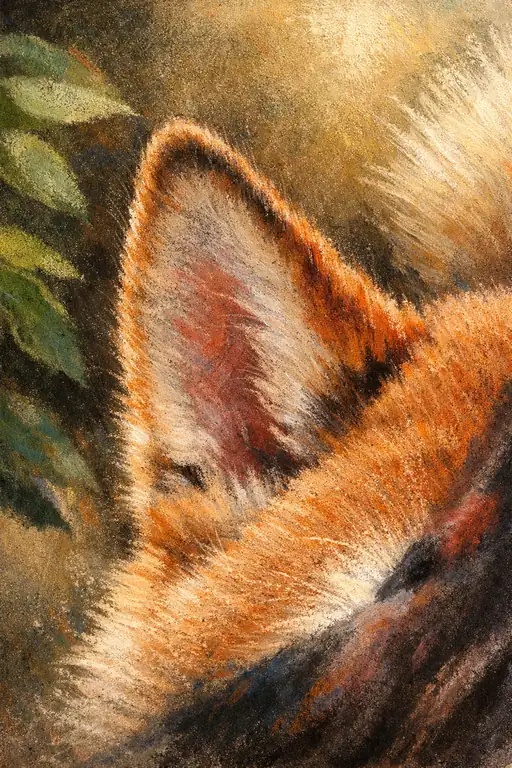 Wild Fox Ear Bathed in Light
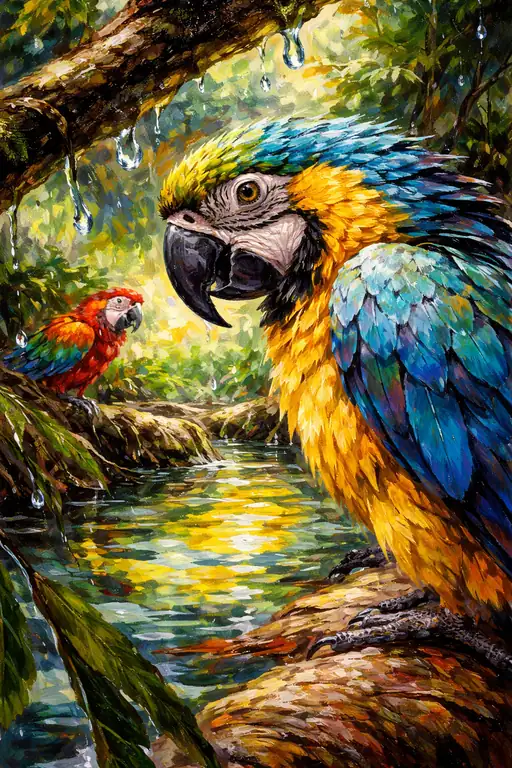 Vibrant Canopy: Macaws in Repose
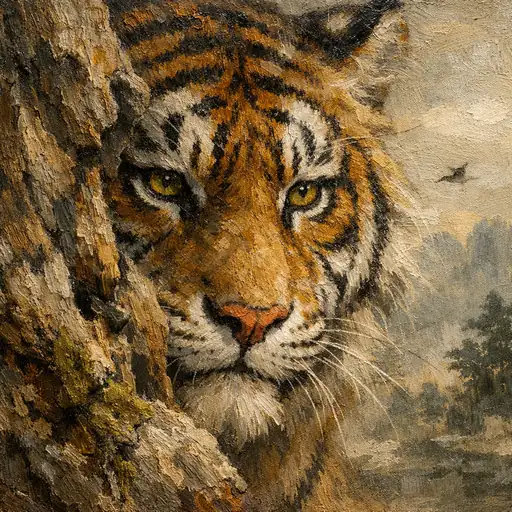 Gaze from the Silent Canopy
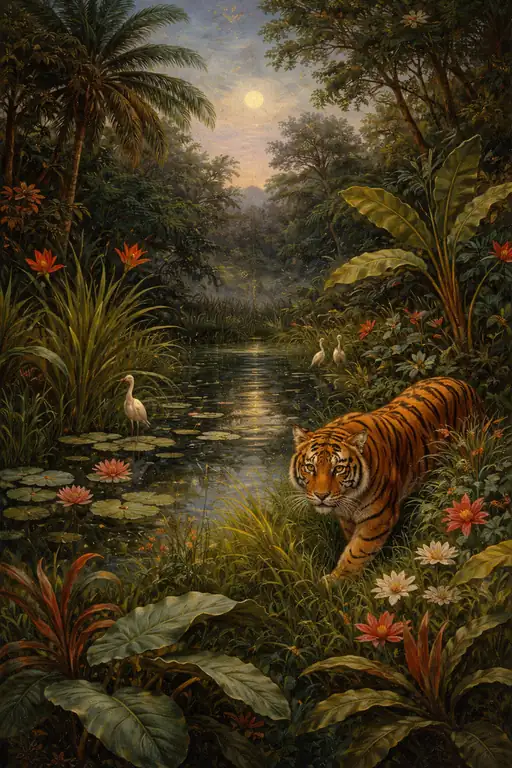 Mystic Shadows of the Silver Forest
 Eden's Emerald Canopy
 A Conversation of Wings and Feathers