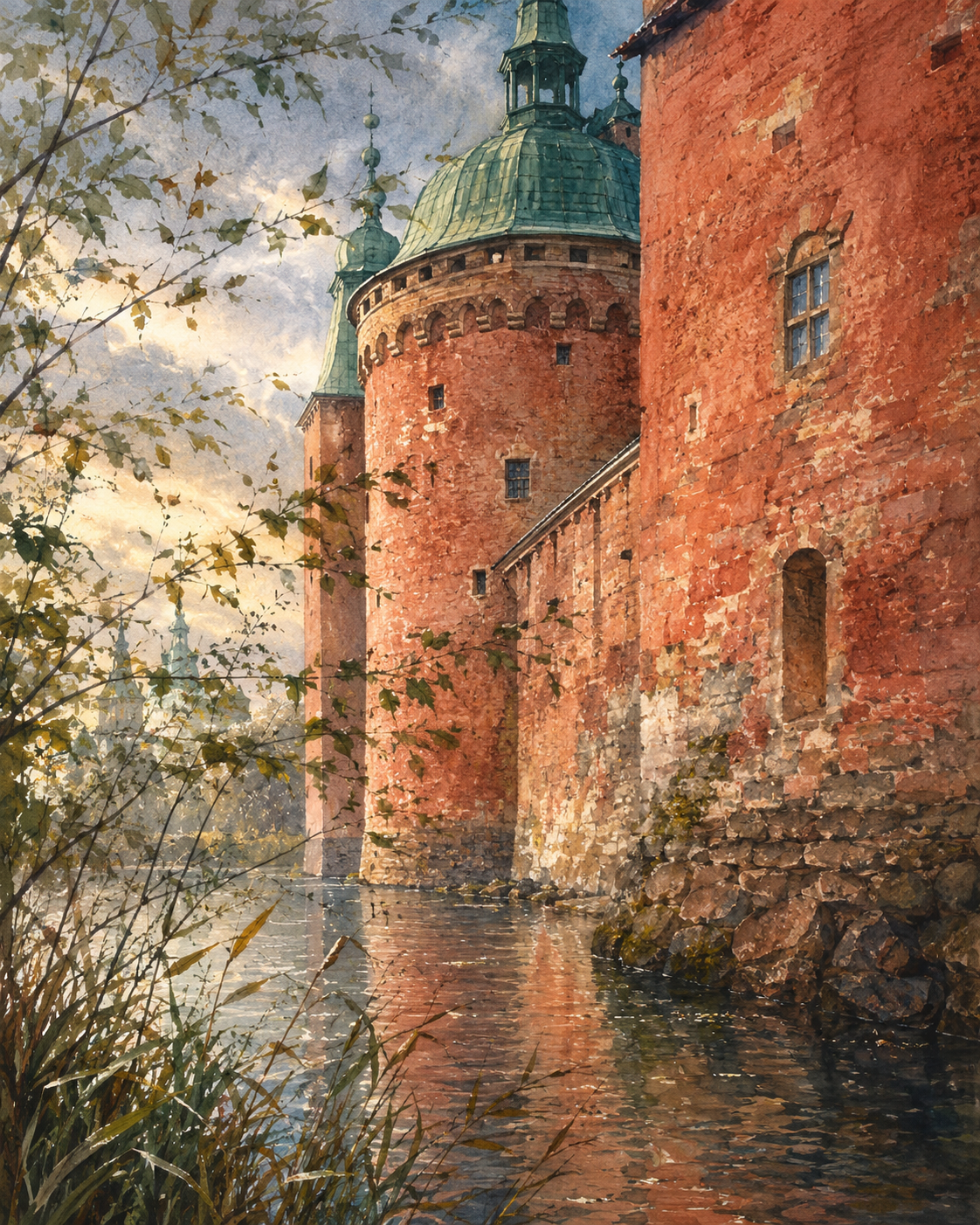
Sentinel of the Crimson Echoes
Critique
1. Introduction This vertical painting presents a striking view of a European-style fortress situated directly at the water's edge. The composition focuses on the massive, weathered brick walls and distinctive circular towers topped with oxidized green copper domes. The work captures a serene, atmospheric moment, likely during the early morning or late afternoon, when the low sun casts a warm, revealing light across the textured surfaces of the architecture and the surrounding landscape. 2. Description The right side of the canvas is dominated by the imposing red-brown brickwork of the castle walls, which show signs of age through varied coloration and missing mortar. Central to the piece are two prominent towers with elegant spires reaching toward a soft, clouded sky. In the foreground, a cluster of delicate, leafy branches frames the scene from the left, while the lower portion of the image depicts a calm body of water that reflects the castle's form in rippling, translucent patches of color. 3. Analysis The artist demonstrates exceptional skill in rendering texture, particularly in the detailed treatment of the masonry and the rugged stone foundation. The contrast between the solid, unyielding presence of the castle and the fluid, ever-changing surface of the water creates a powerful visual dialogue. The lighting is masterfully handled, with soft highlights defining the curve of the towers and deeper shadows emphasizing the recesses of the windows and architectural details, lending the entire scene a profound sense of depth and three-dimensionality. 4. Interpretation and Evaluation The painting can be interpreted as a meditation on the enduring nature of history and the silent passage of time. By placing the fortress in such close proximity to the water, the artist highlights the interface between human construction and the natural world, suggesting both strength and vulnerability. The technical execution is highly sophisticated, particularly in the nuanced application of color to simulate weathered materials. The overall composition is balanced and evocative, successfully transporting the viewer to a place of quiet historical resonance. 5. Conclusion Upon first encounter, the image possesses a near-photographic clarity, yet a closer examination reveals the rich, painterly techniques used to achieve such realism. The subtle interplay of light and reflection is particularly effective in creating a mood of peaceful nostalgia. Ultimately, the work stands as a masterful study of architectural form and atmospheric light, rewarding the viewer with a sense of discovery and appreciation for the artist’s meticulous attention to detail and evocative storytelling.
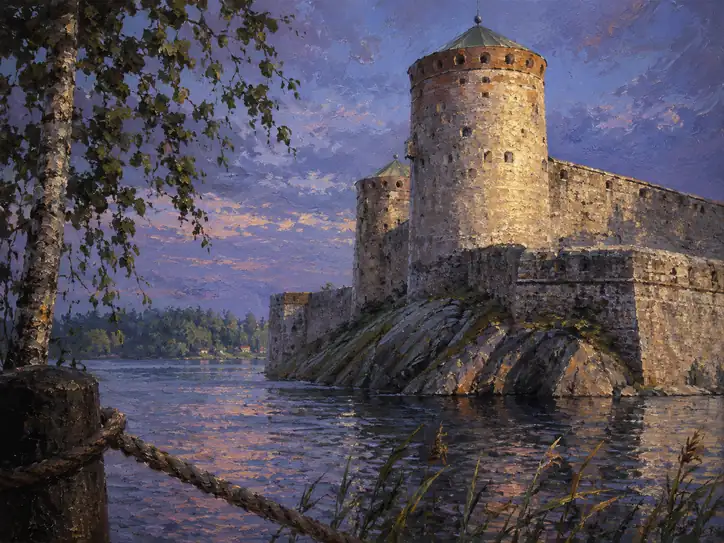 Sentinel of the Eternal Afterglow
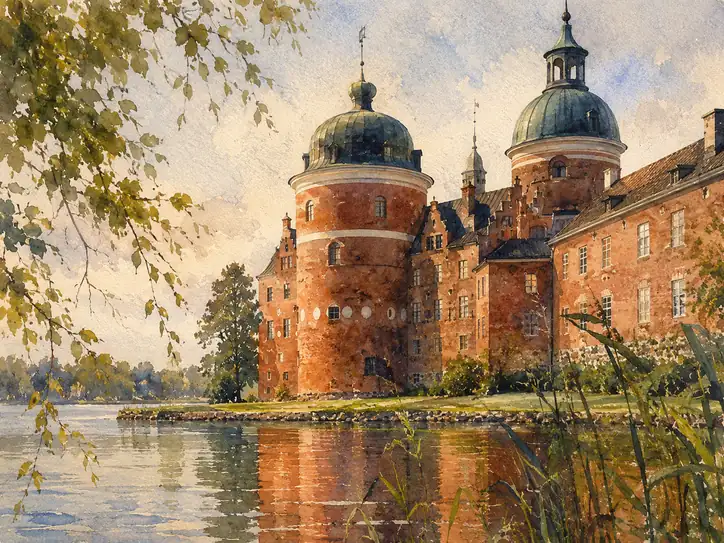 Echoes on the Mirror Lake
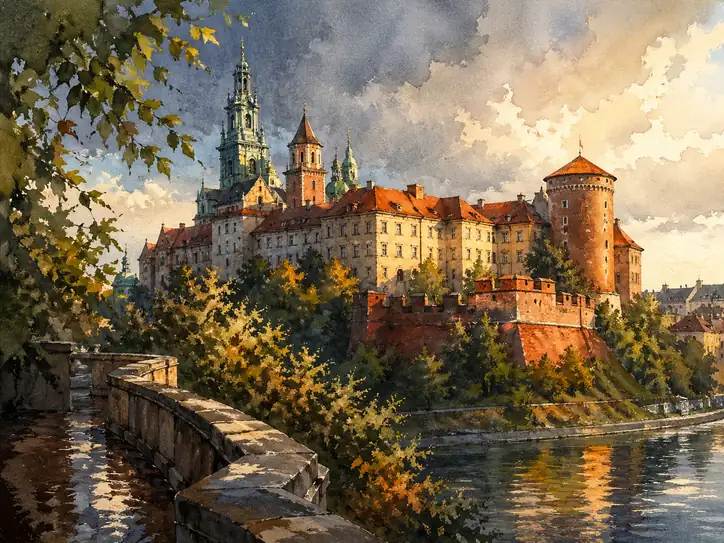 A Castle's Dream Upon the River
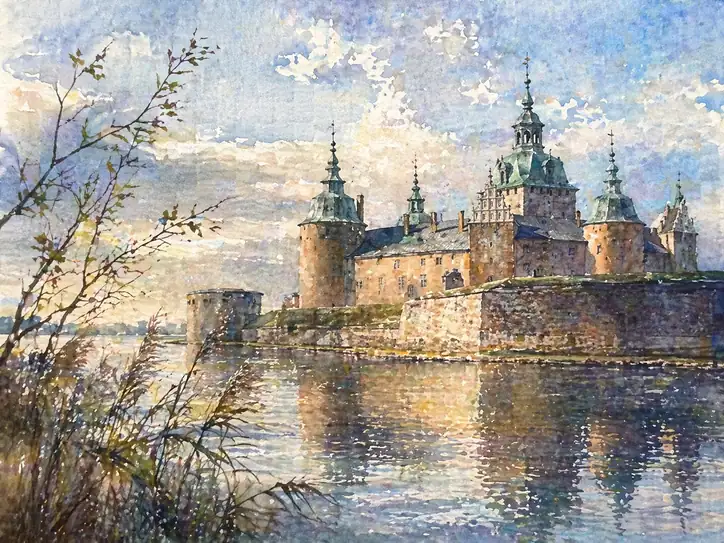 Archway to the Glimmering Horizon
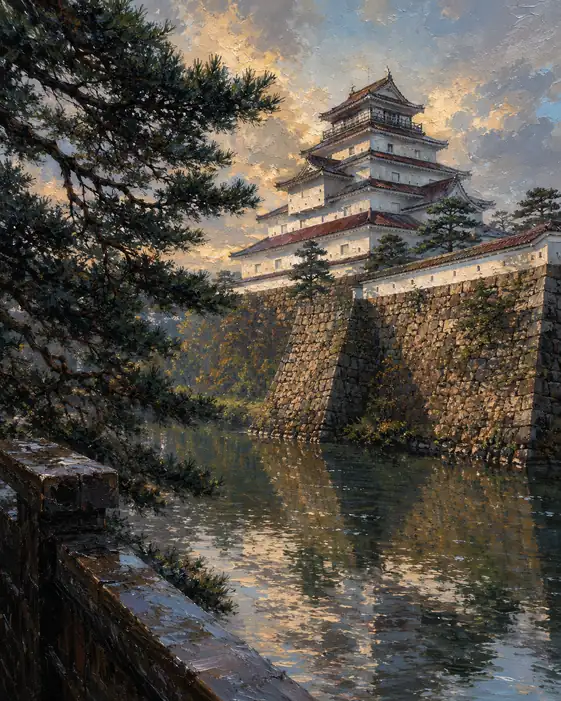 Sentinel of the Golden Twilight
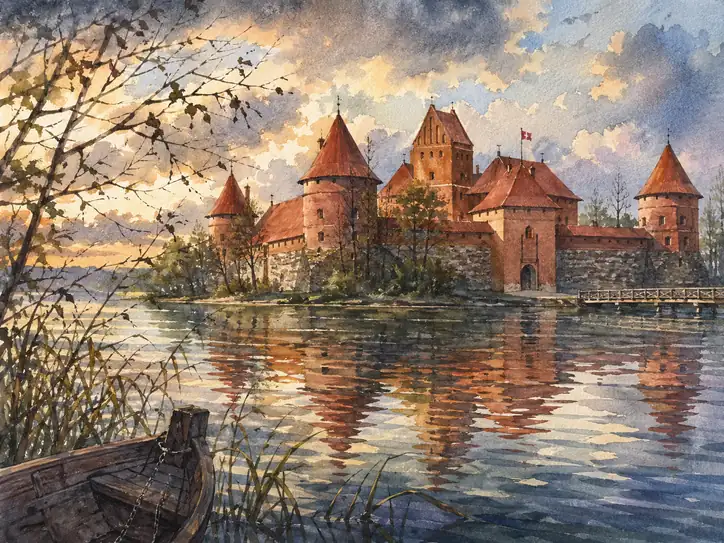 Serene Lake and the Medieval Castle
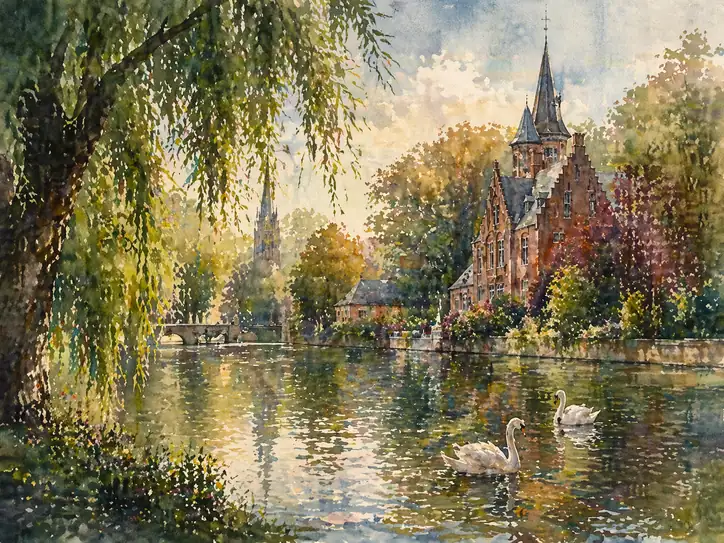 Swans Before the Castle
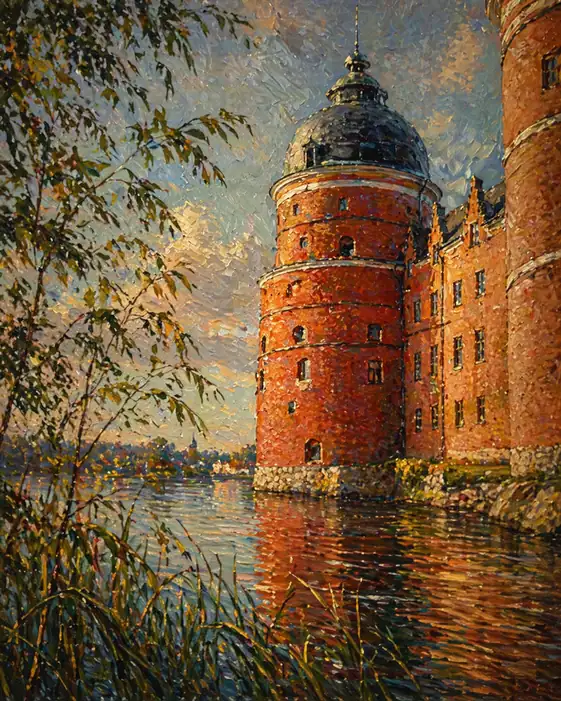 Serenity of the Spire
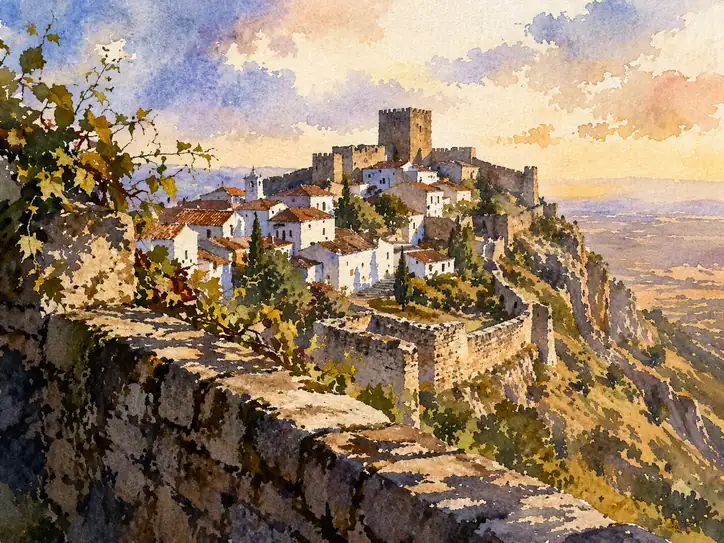 The Forgotten Path
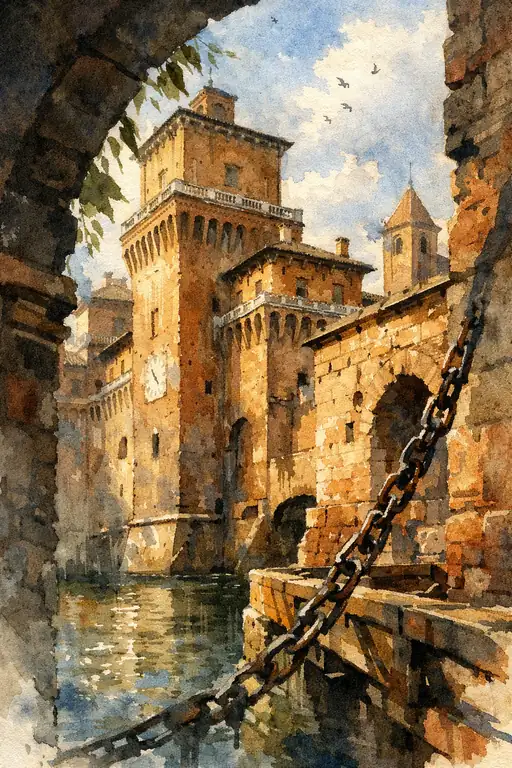 The Water Keep: Echoes of Stone and Sky