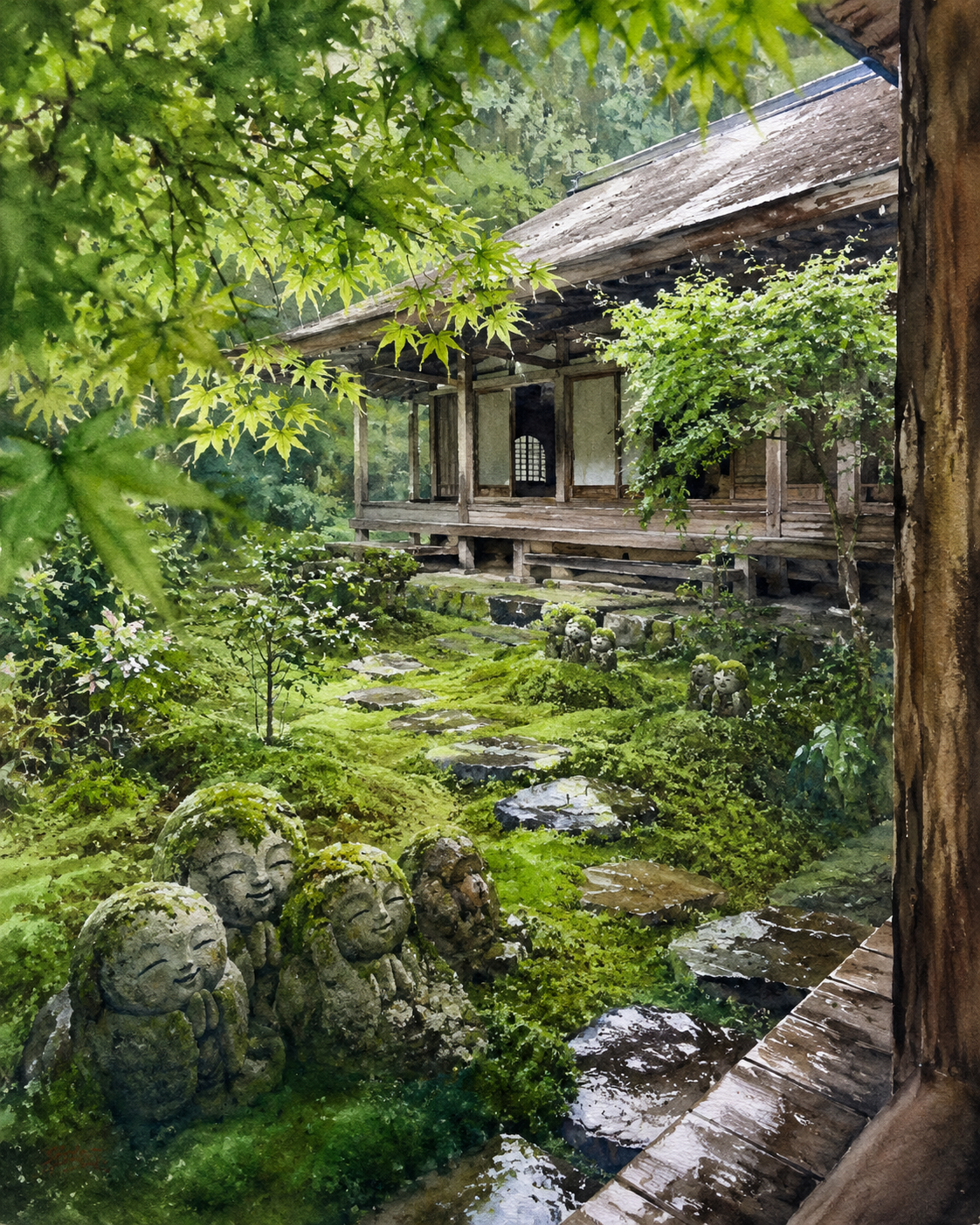
The Forest's Gentle Smile
Critique
1. Introduction This watercolor painting depicts an ancient temple garden nestled deep within a lush forest, featuring several Jizo statues standing in quiet repose. The vibrant greens enveloping the entire scene and the serene atmosphere created by the moss-covered stone statues deeply heal the viewer’s heart, inviting them into a state of quiet prayer. This sight, where the vitality of nature and the form of faith are integrated, symbolically expresses the compassion and peace rooted in the Japanese spiritual landscape. The artist’s exceptional observation and solid descriptive power breathe life into this still landscape. 2. Description In the foreground, several small, rounded Jizo statues are shown with smiling faces and hands held in prayer. The stone surfaces are thickly covered in moss, telling of the passage of many years. In the background, an old wooden temple stands silently, with the dimly lit interior visible from the open veranda. Stepping stones are arranged through the garden, surrounded by vibrant green moss and undergrowth that fill the space. From the top of the frame, translucent young green maple leaves hang down, while soft sunlight filters through the trees to create dappled patterns on the ground. 3. Analysis In terms of composition, the large placement of the Jizo statues in the foreground emphasizes a diagonal expansion that guides the eye toward the temple building in the rear. Regarding color, various tones of green are used, providing rich gradations and depth to a forest scene that might otherwise seem monotonous. The expression of light is extremely delicate; the light permeating the maple leaves, the dull reflections on the damp stone surfaces, and the soft texture of the moss are all distinguished using the transparency of watercolor. The brushwork expertly balances the hard texture of the stone with the softness of the plants. 4. Interpretation and Evaluation This work can be interpreted as a manifestation of an animistic worldview, where divinity resides in all things, and as a form of mercy given shape. The gentle expressions of the Jizo statues symbolize unchanging salvation and peace beyond the passage of time. The artist's descriptive power is phenomenal, especially in the technique of capturing the moisture of the moss and the weathered texture of the wood, which has a strength that appeals even to the viewer's sense of touch. While handling traditional Japanese scenery, the expression overflowing with transparency, making one feel the particles of light, represents a unique artistic achievement. 5. Conclusion As one observes the piece, the focus deepens from the harmony of colors to an understanding of the eternal time and silence flowing through the space. This scene, where the Jizo statues and nature merge beautifully, allows for the rediscovery of the value of small lives and quiet prayer that are often lost in a busy daily existence. Ultimately, this work is an outstanding artistic piece where high-level realistic technique and deep spirituality converge. The initial freshness of the first impression gradually transforms into a profound sense of fulfillment that lingers in the heart.
Same Subcategory
 Eternal Silence of the Mossy Sanctuary
 Reflection of the Sacred Oasis
Similar Artworks
 Stillness of the Hidden Sanctuary
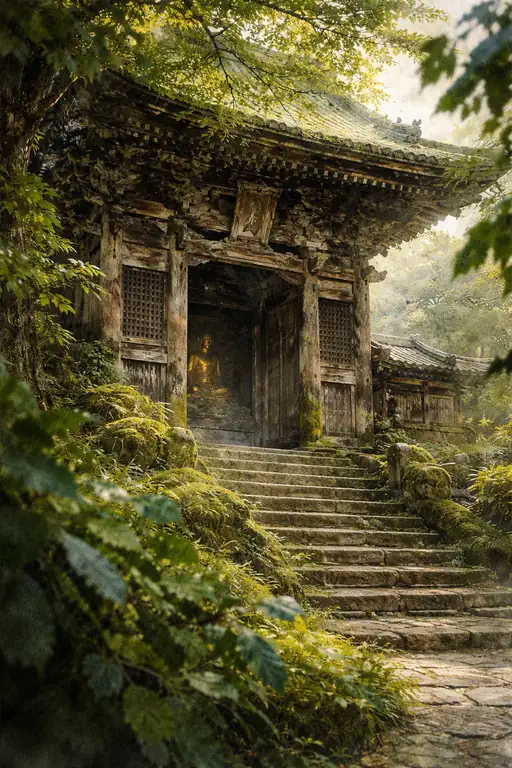 Golden Echoes in the Ancient Forest
 Sanctuary of the Eternal Smile
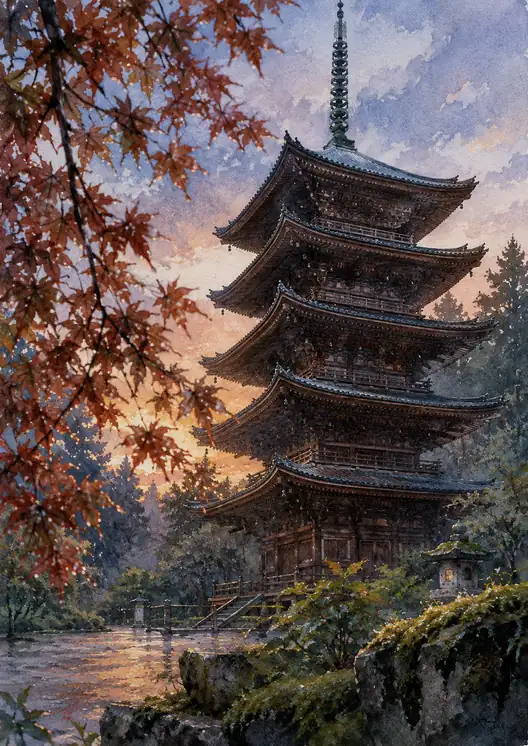 Autumn twilight, the Pagoda’s Silent Prayer
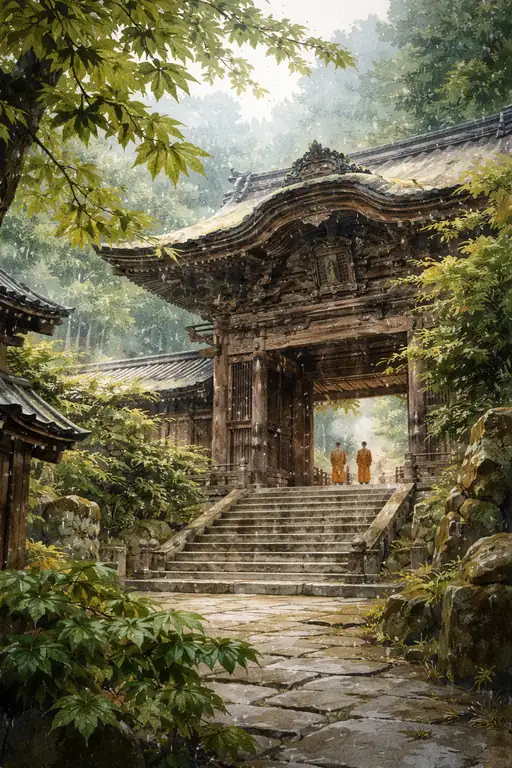 Rain's Serenade in the Sacred Grove
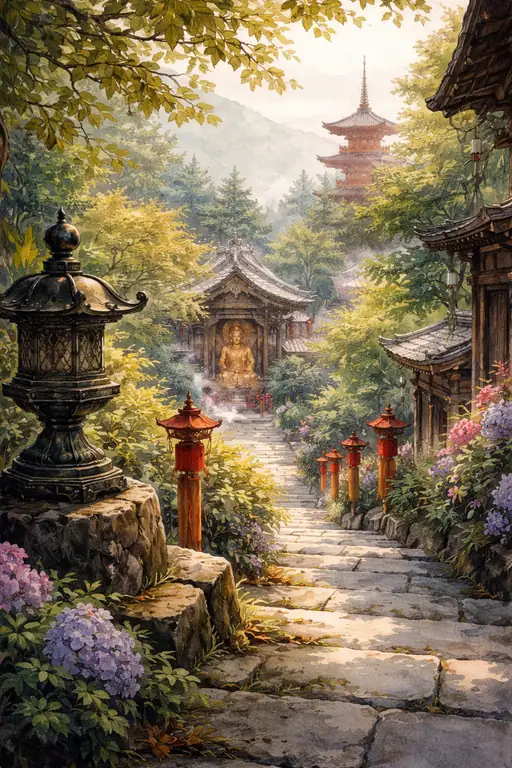 A Journey Toward the Light
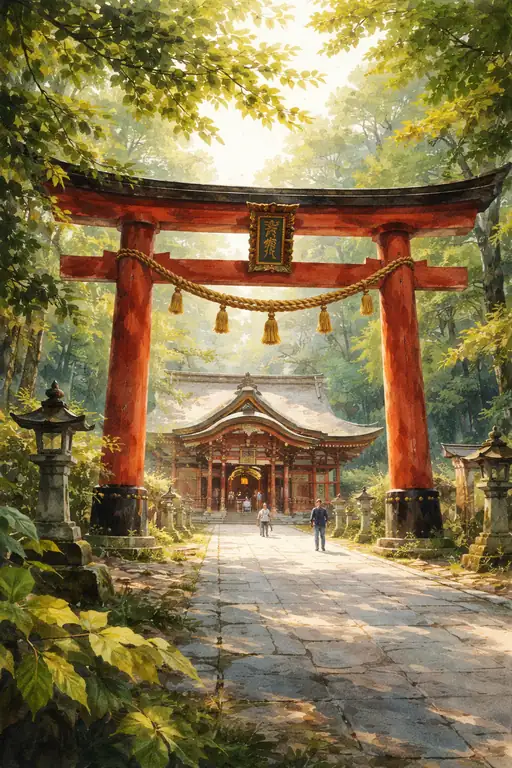 Threshold of the Sacred Sun
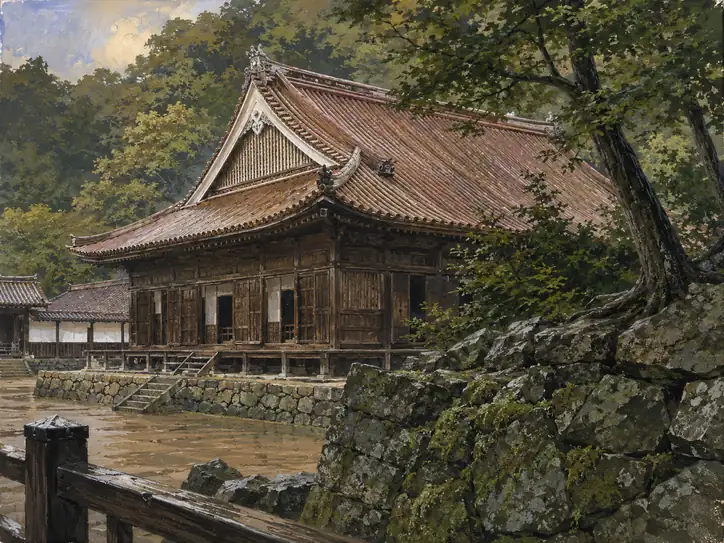 Eternity in the Moss-Covered Hall
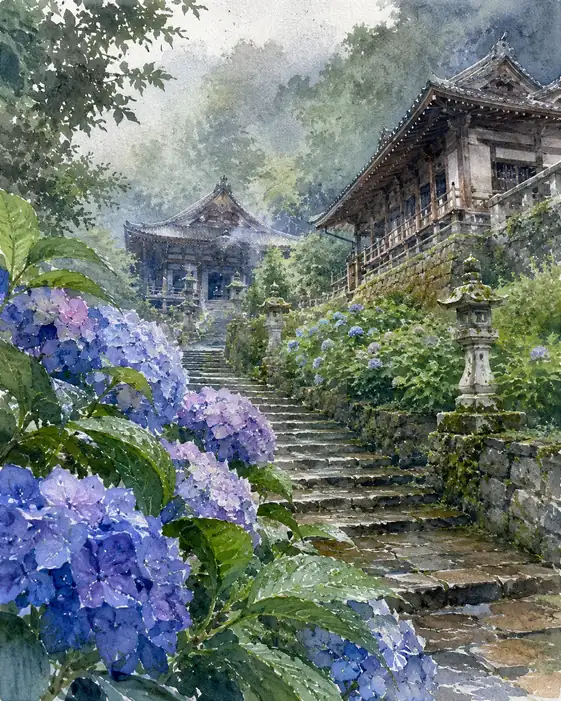 Lullaby in the Azure Rain
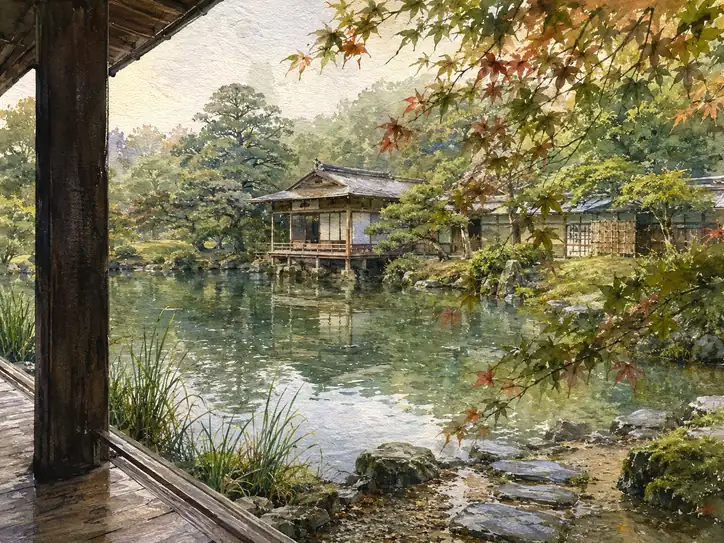 Autumn Whispers in the Water's Mirror