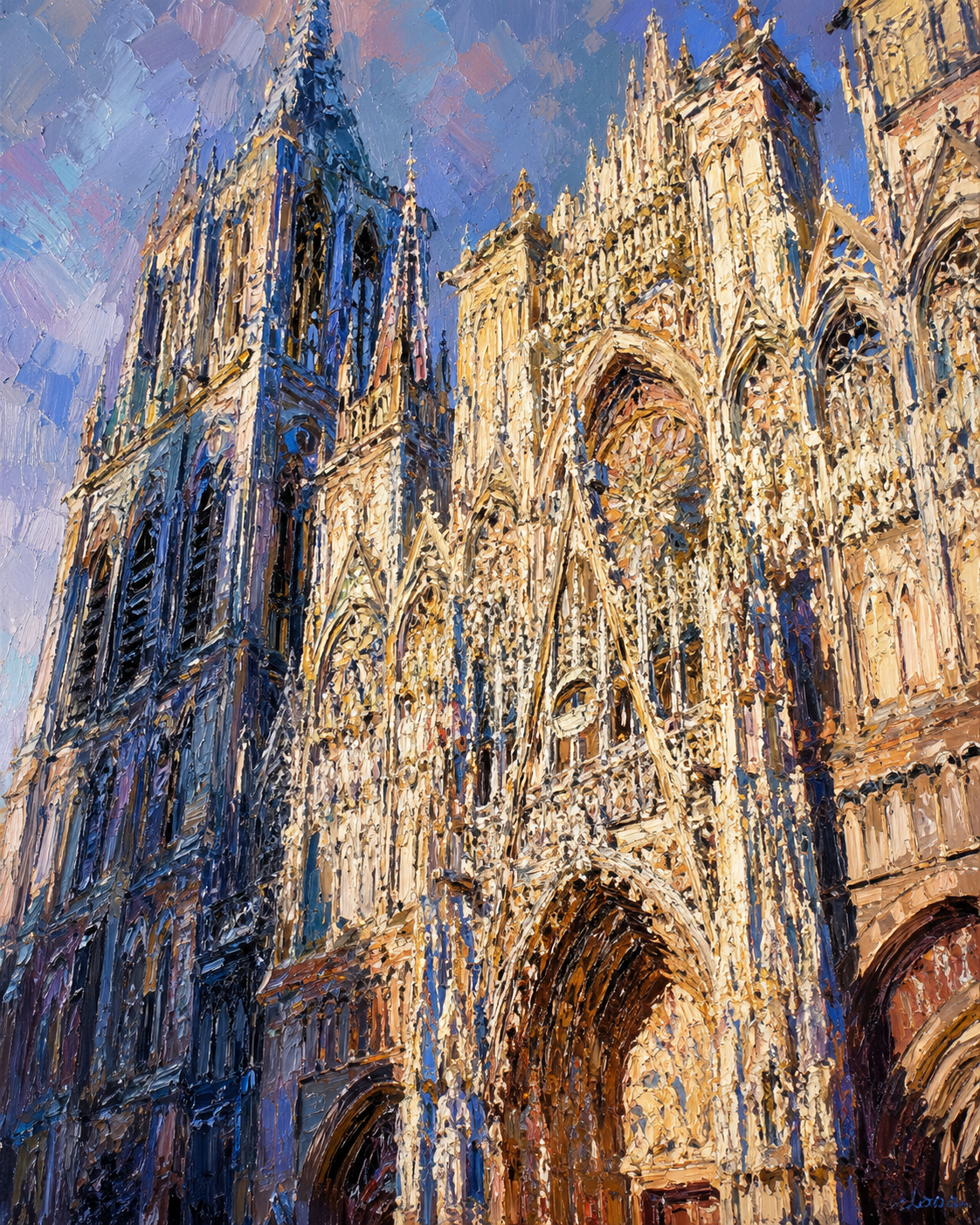
The Cathedral's Luminous Soul
Critique
1. Introduction This oil painting presents a vibrant, Impressionistic study of a Gothic cathedral facade, focusing on the dramatic interplay of light and shadow. The work captures the monumental presence of the architecture through a lens of atmospheric perception rather than clinical detail. The viewer is immediately struck by the tactile quality of the paint and the luminous intensity of the sun-drenched stone. The overall composition emphasizes the grandeur of the structure and its relationship with the surrounding light. 2. Description The composition is dominated by the intricate carvings and soaring spires of the cathedral, viewed from a low angle to enhance its perceived height. The left side of the structure is cast in deep, cool shadows of indigo and violet, while the central portal and right-hand facade are bathed in brilliant golden light. The sky above is rendered in broad, energetic strokes of lavender and blue, complementing the rich color palette of the building. Detailed architectural features are suggested through thick, directional marks. 3. Analysis The artist employs a heavy impasto technique, using thick layers of paint to create a physical texture that mimics the weathered surface of the stone. The contrast between the warm yellows and cool blues is central to the work's visual impact, creating a strong sense of volume and depth. These fragmented brushstrokes suggest the vibration of light, giving the massive stone edifice a surprising quality of lightness and movement. The use of complementary colors ensures a high degree of visual vibration across the surface. 4. Interpretation and Evaluation This piece is a masterclass in the use of color to convey atmosphere and time of day. By prioritizing the sensation of light over the precision of architectural rendering, the artist evokes a strong emotional response to the grandeur of the cathedral. The energetic application of paint demonstrates a bold, expressive approach that successfully bridges the gap between representational art and abstract texture. The work excels in its ability to translate a complex structural subject into a cohesive atmospheric experience. 5. Conclusion Through its bold technique and sophisticated color harmony, the painting offers a powerful interpretation of a classical subject. The work celebrates the transformative power of light and the enduring majesty of Gothic architecture. The initial impression of chaotic texture soon resolves into a coherent and deeply moving portrait of light interacting with form. Ultimately, the painting serves as a reminder of the subjective nature of vision and the beauty found in the ephemeral qualities of our environment.
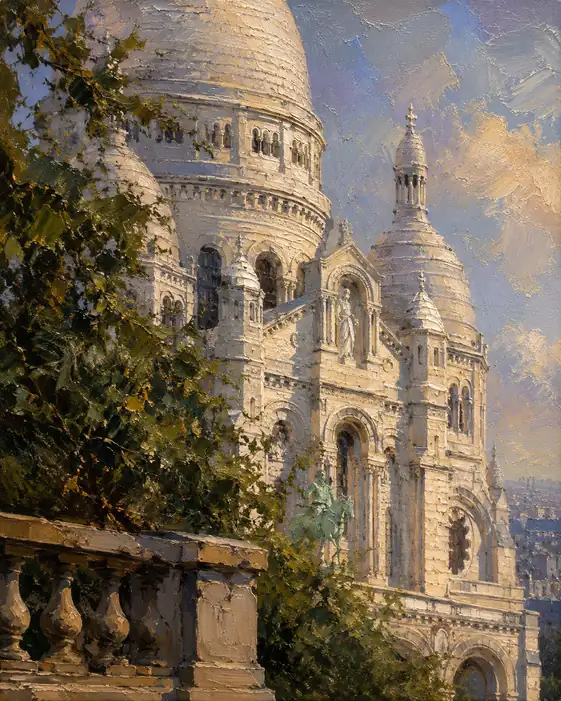 Majesty on the Sunlit Terrace
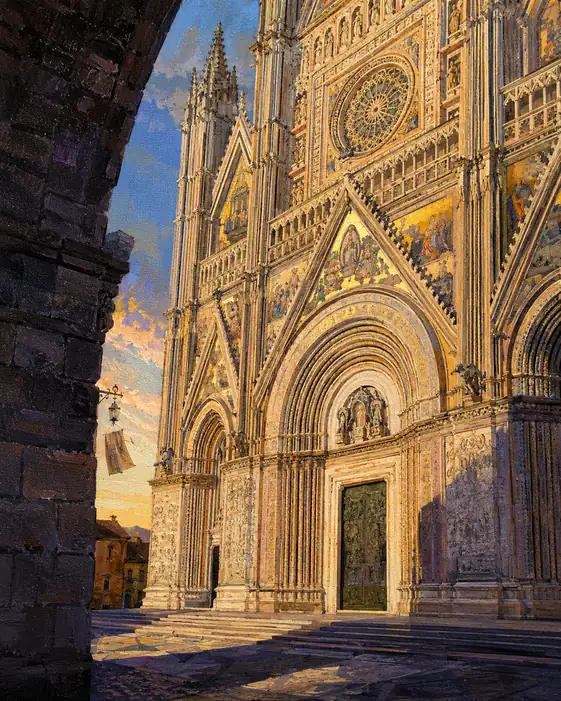 Resonance of the Gilded Silence
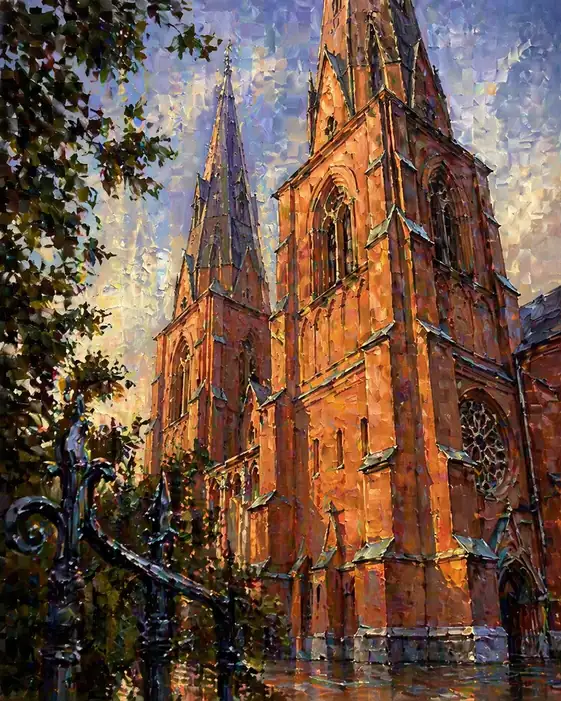 Dancing Bricks at Twilight
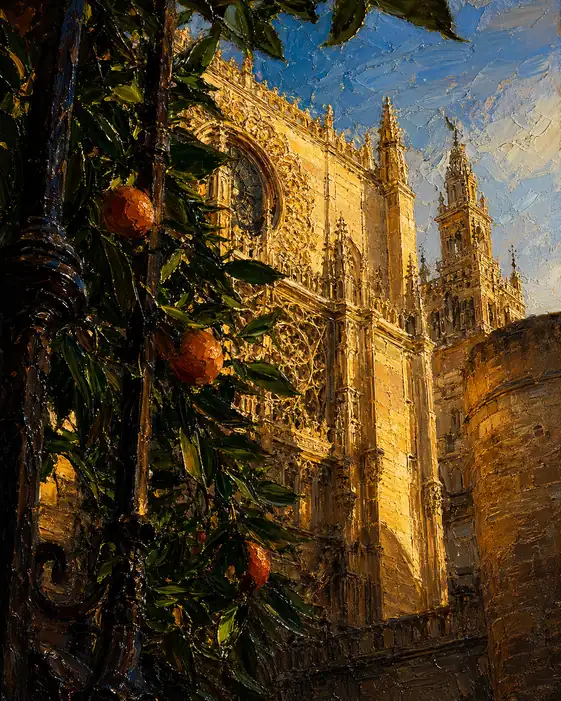 Resonance of the Gilded Giralda
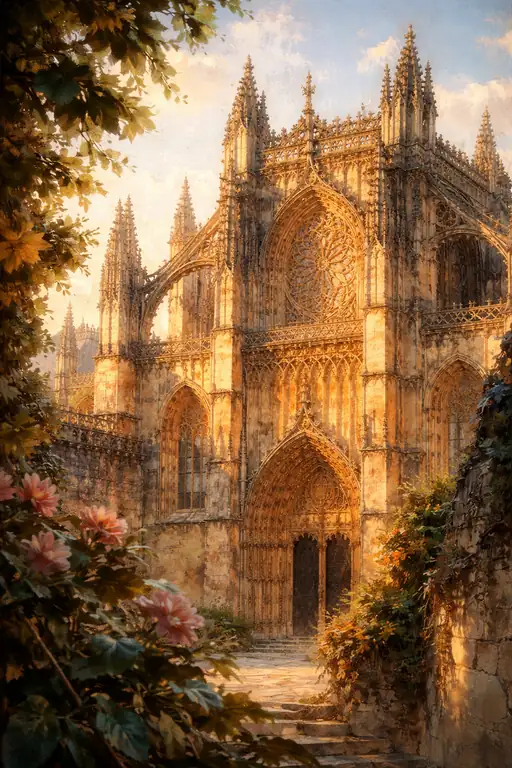 Grace in the Golden Hour
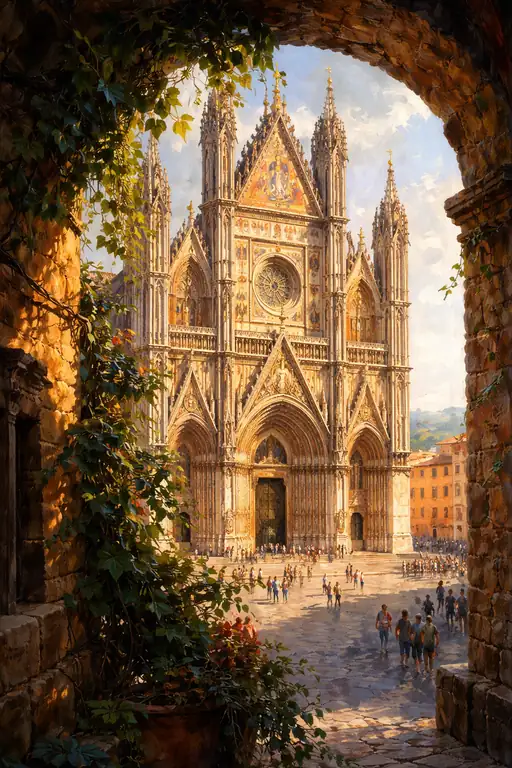 Golden Facade of Orvieto
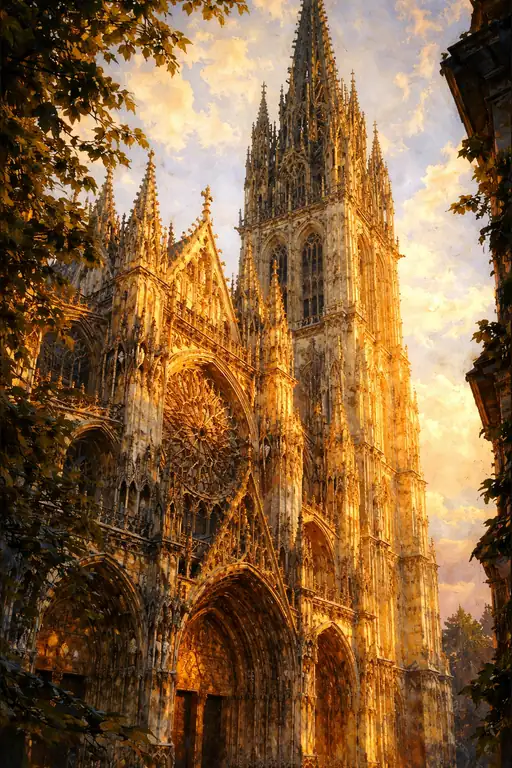 A Golden Requiem for Stone
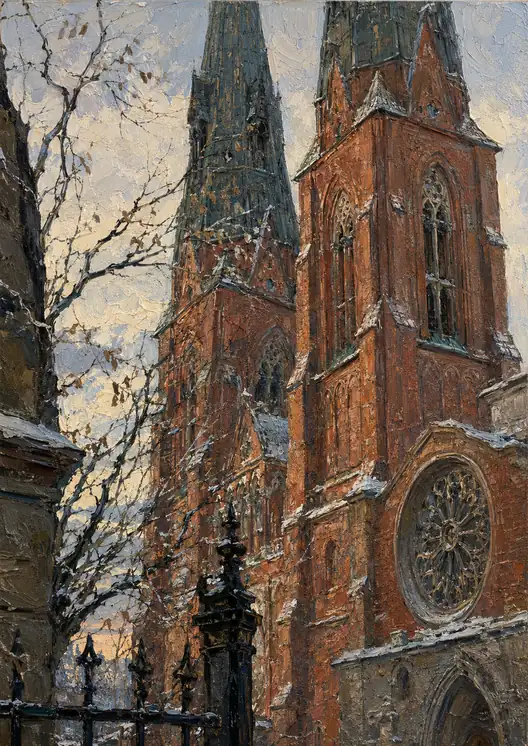 Spires of the Silent Winter
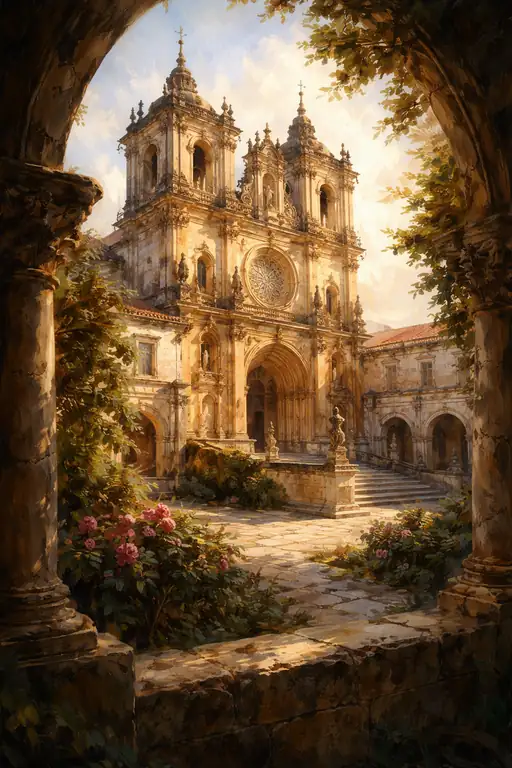 The Floral Portal to the Sacred Realm
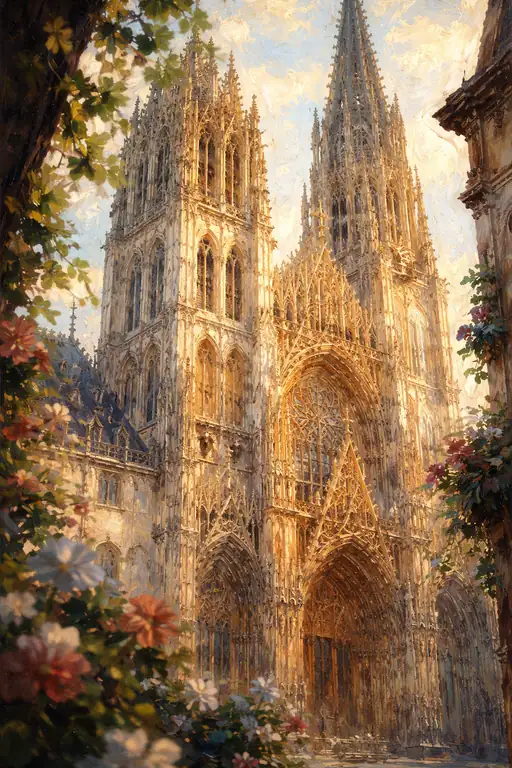 Luminous Splendor of the Gothic Facade
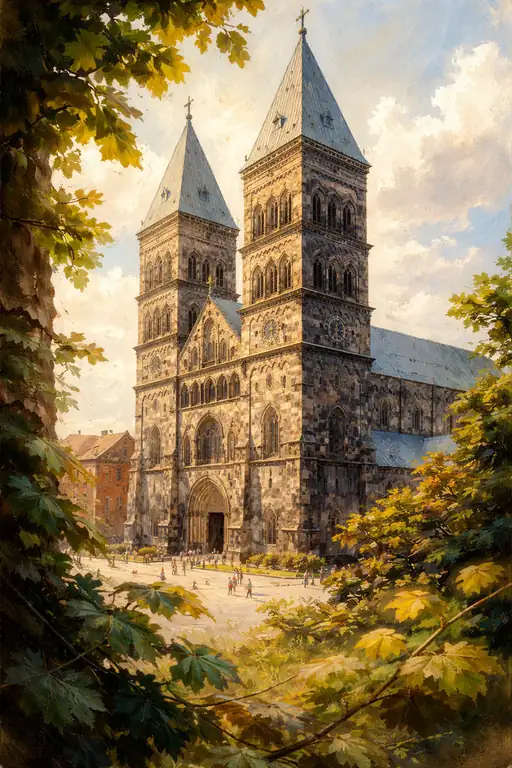 Shadows of Devotion Under the Canopy
 Ascent to the Sacred