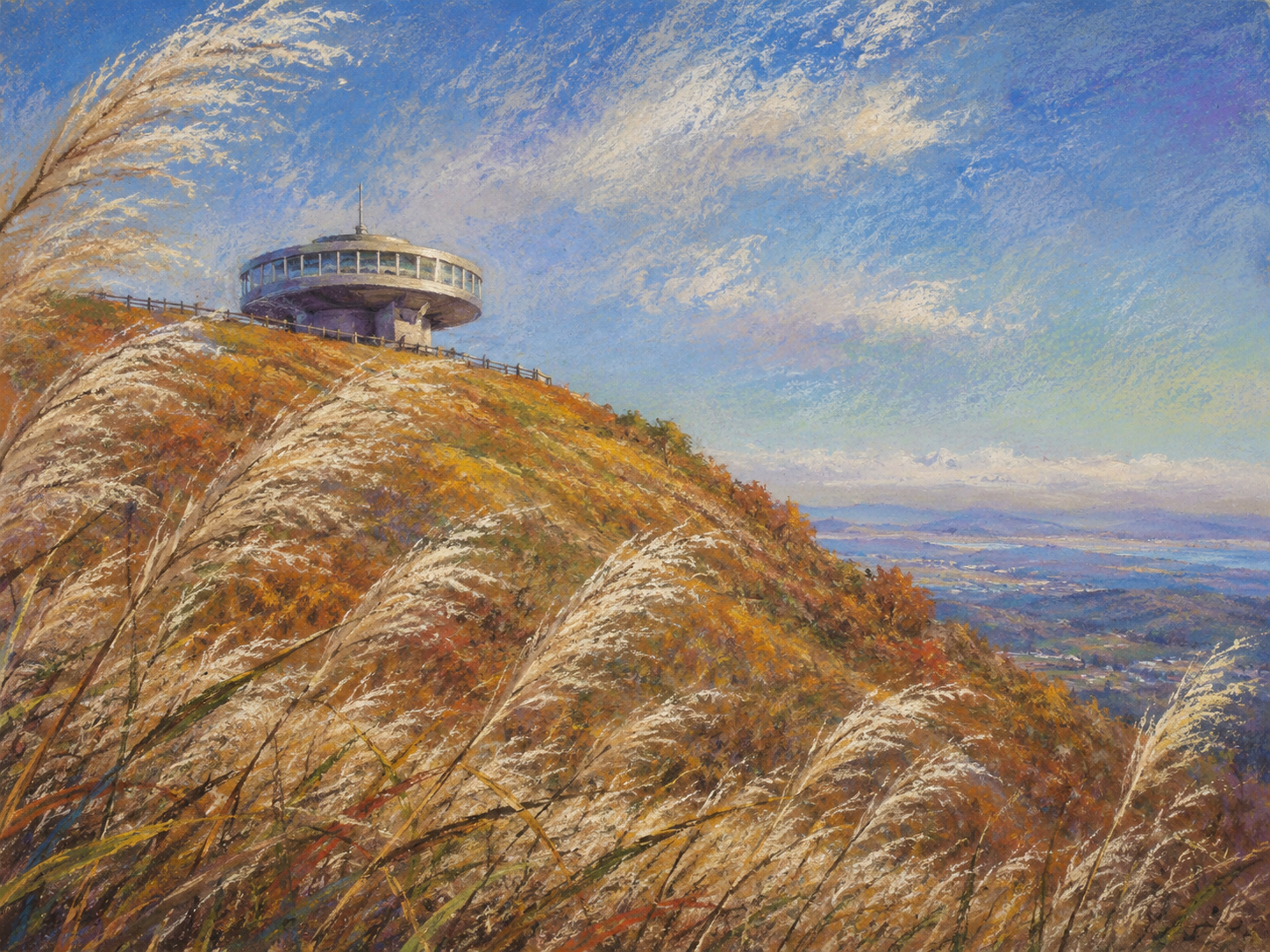
Autumn Whispers from the Lookout Hill
Critique
1. Introduction This work is a landscape painting of an autumn hillside crowned by a circular lookout building. Its exact location, date, and medium cannot be confirmed from the image alone, yet the painting is clearly concerned with season, elevation, and the relation between built form and open land. The first impression is gentle and airy, but the scene is more structured than its softness initially suggests. 2. Description The slope rises from the lower foreground toward the upper left, where the round pavilion sits against a broad blue sky. Tall silver grasses sweep across the hillside in pale arcs, and their seed heads catch the light against fields of ocher, rust, and muted green. To the right, the land drops away into a distant plain and faint mountain forms. 3. Analysis The composition is organized through a diagonal ascent balanced by a wide horizontal recession into the far view. Repeated grass plumes create a rhythmic screen in the foreground and middle distance, while the compact circular building provides a firm countershape. Color is kept luminous but restrained, and the powdery handling of the sky and vegetation gives the scene atmospheric unity without sacrificing spatial clarity. 4. Interpretation and Evaluation Rather than treating autumn as decline, the painting presents it as a season of expanded visibility and quiet maturity. The grasses bend, but they do not appear fragile; instead they animate the hill and connect the viewer to the wind moving across it. The work is convincing in its descriptive delicacy, balanced design, subtle palette, and controlled technique, all of which lend the image a contemplative character. 5. Conclusion At first the scene appears to offer simple pastoral calm, yet sustained looking reveals a careful study of slope, distance, and seasonal light. The painting remains memorable because it turns a modest hilltop view into a coherent meditation on air, rhythm, and spaciousness.
Same Subcategory
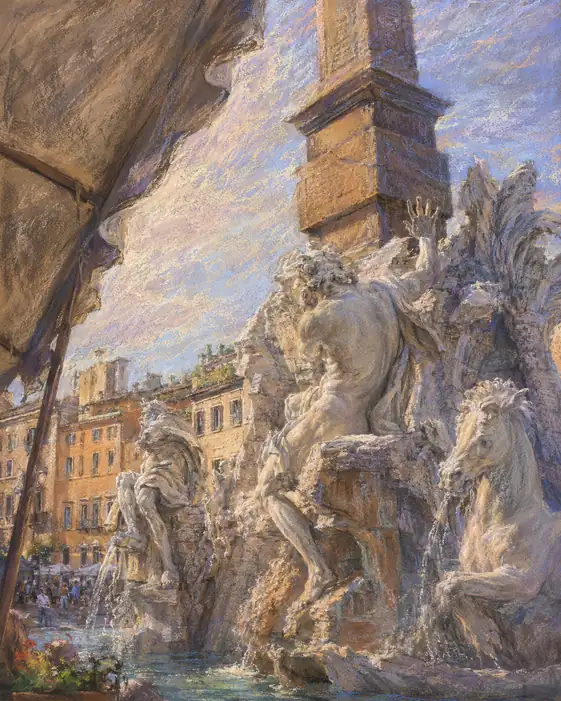 Echoes of the Eternal Piazza
Similar Artworks
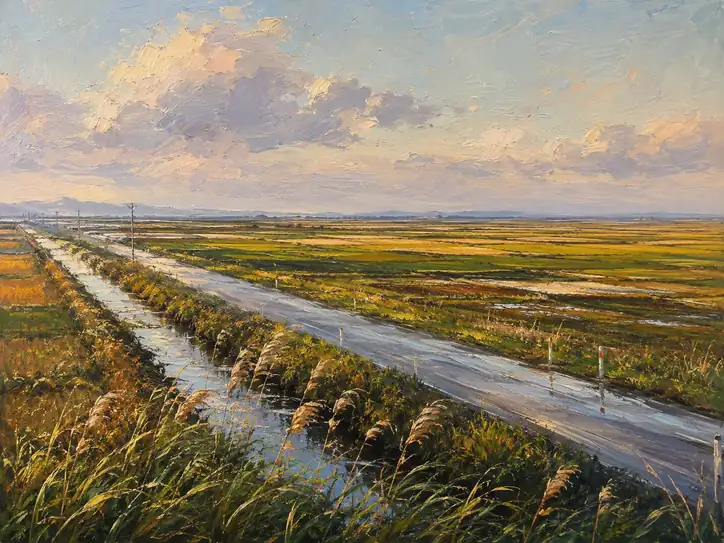 Reflection on the Eternal Fields
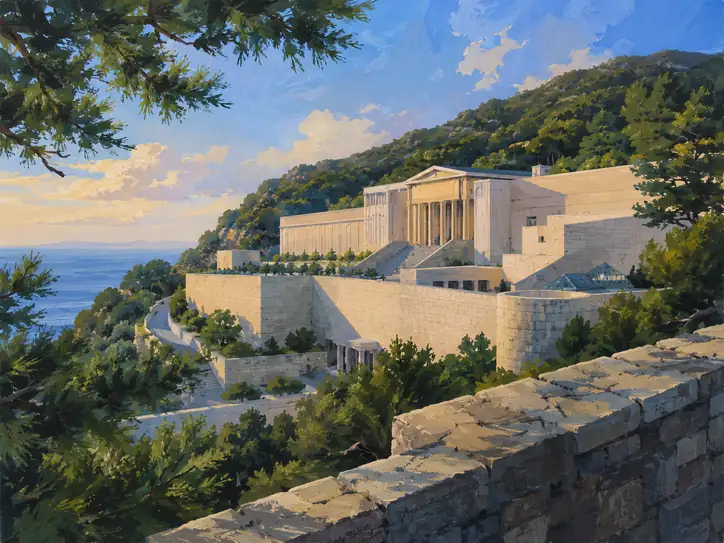 Sanctuary on the Azure Slopes
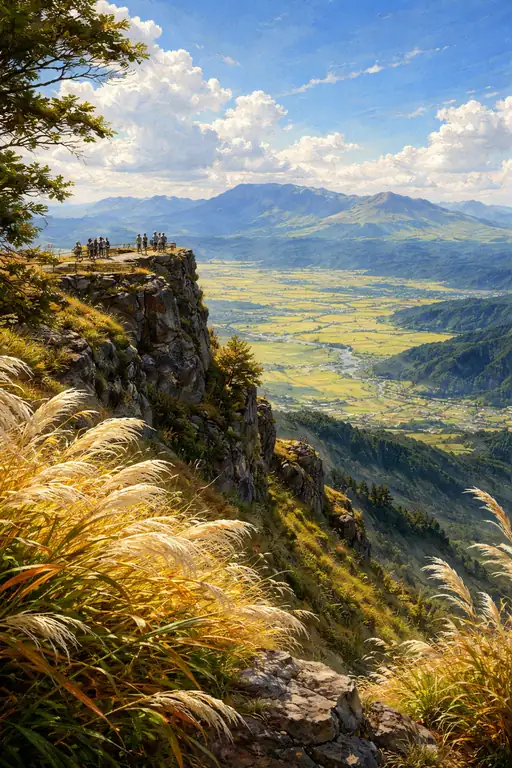 Infinite Horizon: Whispering Pampas and the Grand Valley
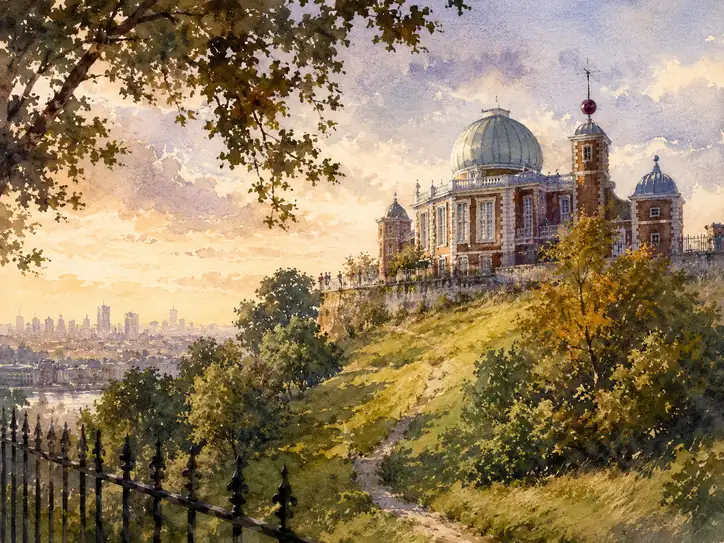 Where Time Meets the Horizon
 Stalwart Beacon in the Golden Wind
 Sentinel of the Stripped Shore
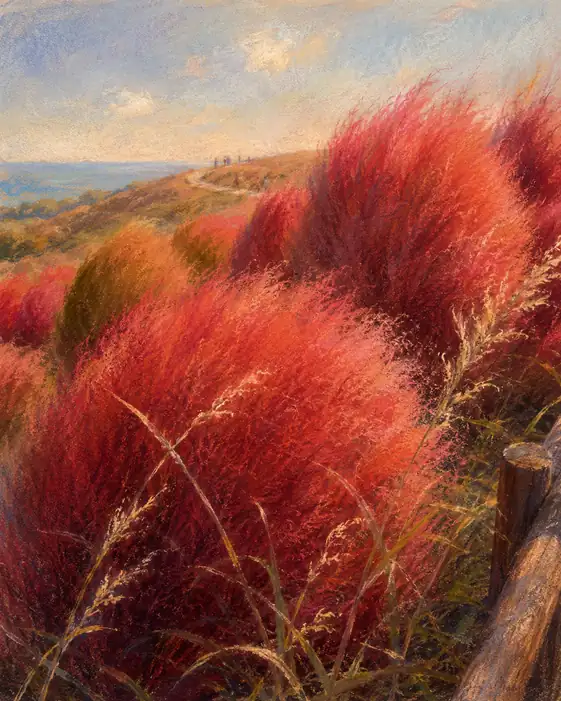 Whispers of the Crimson Hill
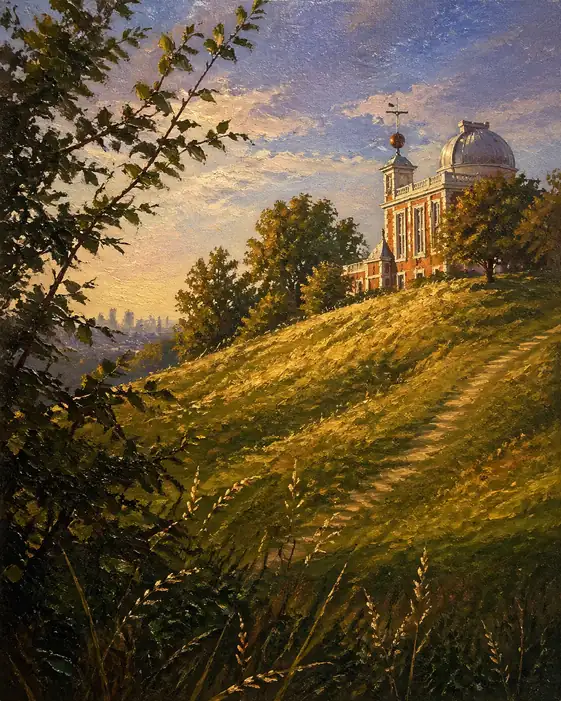 Golden Observatory of the Mind
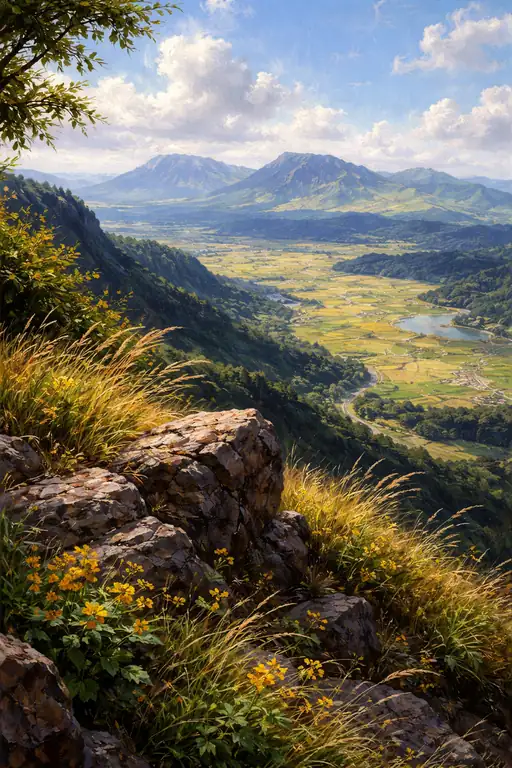 Symphony of the Golden Plain
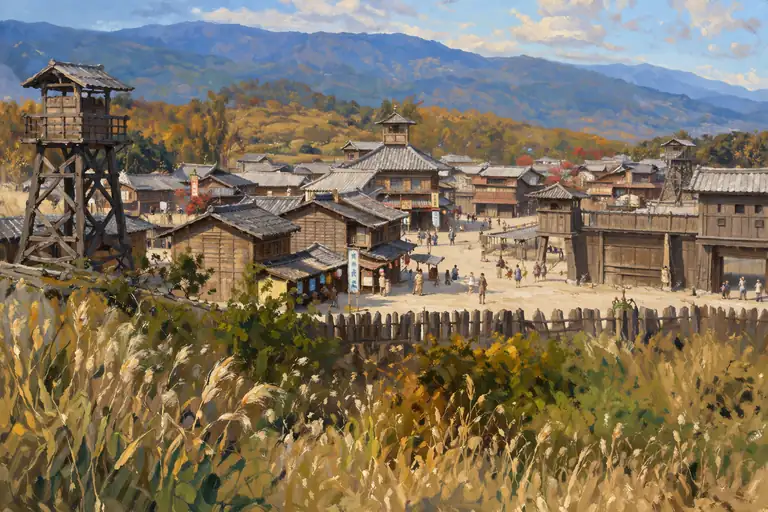 Golden Echoes of a Forgotten Village