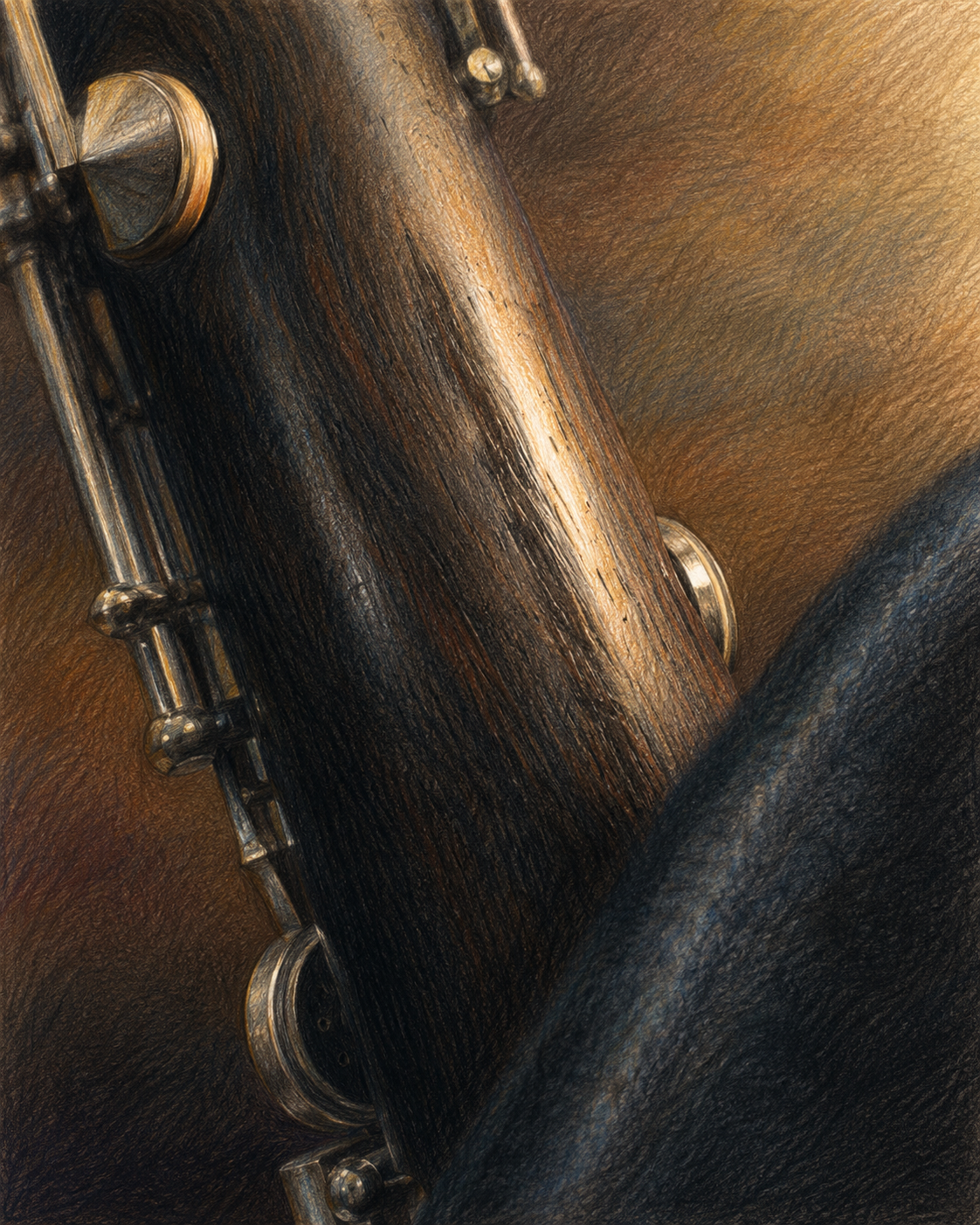
The Wood's Whisper
Critique
1. Introduction This drawing presents an extraordinarily precise colored pencil study of a woodwind instrument, likely an oboe or clarinet, focusing on the intimate intersection of natural wood and mechanical keys. The harmonious blend of rich, grained textures and polished metallic highlights, rendered through meticulous cross-hatching, creates a scene that immediately evokes a sense of artisanal excellence and deep musical reverence. 2. Description The composition is dominated by the dark, lustrous body of the instrument, positioned diagonally across the frame. The surface of the wood reveals a complex interplay of fine grain patterns and a soft, diffused sheen, suggesting years of careful handling and maintenance. Mounted upon the body are the silver and brass keys, their curved surfaces reflecting ambient light with a realistic, soft intensity. The background consists of a dense tapestry of cross-hatched lines in warm sienna and deep indigo, which serves to isolate and highlight the instrument’s structural details while providing an overarching atmospheric warmth. The lighting is subtle and directional, casting delicate shadows that emphasize the three-dimensional volume of the wooden tube and the intricate mechanical components. 3. Analysis The artist demonstrates a sophisticated mastery of the colored pencil medium, utilizing countless layers of fine lines to achieve a profound sense of material density and light diffusion. This technique is particularly effective in differentiating between the fibrous, organic quality of the wood and the smooth, light-refracting properties of the metal. The spatial structure is balanced, with the diagonal orientation providing a dynamic visual rhythm that suggests the tension and focus of a musical performance. A refined color palette centered on earth tones and complementary blues provides a cooling visual rhythm that enhances the dignified and contemplative mood of the study. The brushwork, or rather the linework, is precise and deliberate, showcasing an exceptional ability to manage value and texture. 4. Interpretation and Evaluation This work can be interpreted as a tribute to the synergy between nature and human ingenuity, transforming a functional object into a symbol of cultural heritage and creative discipline. The intense focus on microscopic detail suggests a deep appreciation for the instrument’s "voice" and the physical labor involved in its creation. The technical execution is superb, demonstrating a high degree of control over the medium and a keen understanding of light behavior on diverse surfaces. The artist’s ability to imbue the still life with such a profound sense of history and tactile reality marks this as a work of significant artistic merit and emotional resonance. 5. Conclusion Ultimately, the drawing is a masterful celebration of form, texture, and musical craftsmanship. While it depicts a single, inanimate object, the refined technique and thoughtful composition elevate it beyond a simple representational study. It successfully captures the enduring beauty and silent dignity of the woodwind instrument, preserving its essence within a framework of rigorous artistic integrity, leaving a lasting impression of the profound beauty found in the tools of human expression.
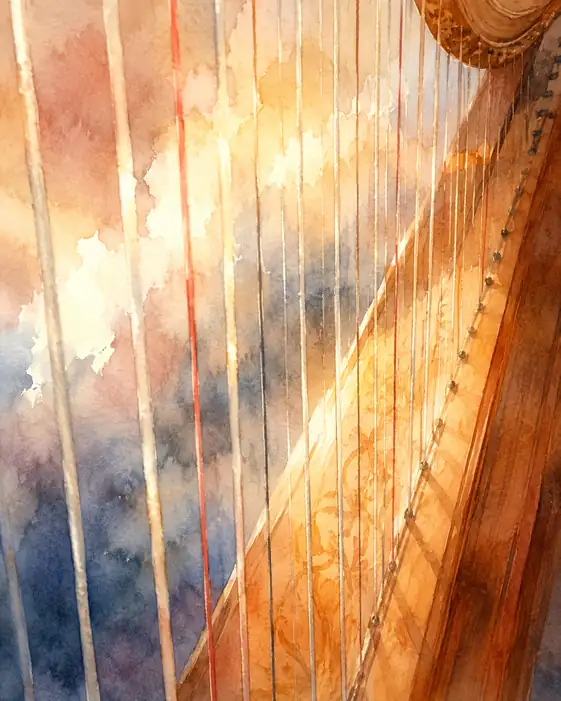 Echoes of the Celestial Realm
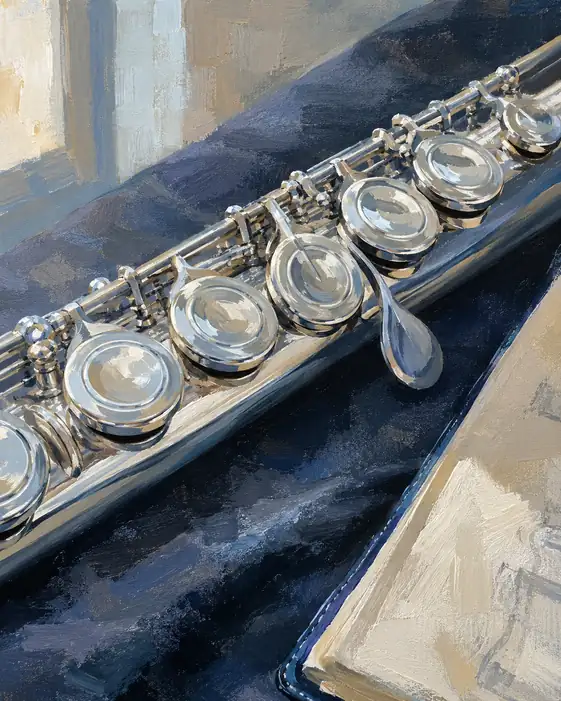 Reflections of a Silent Note
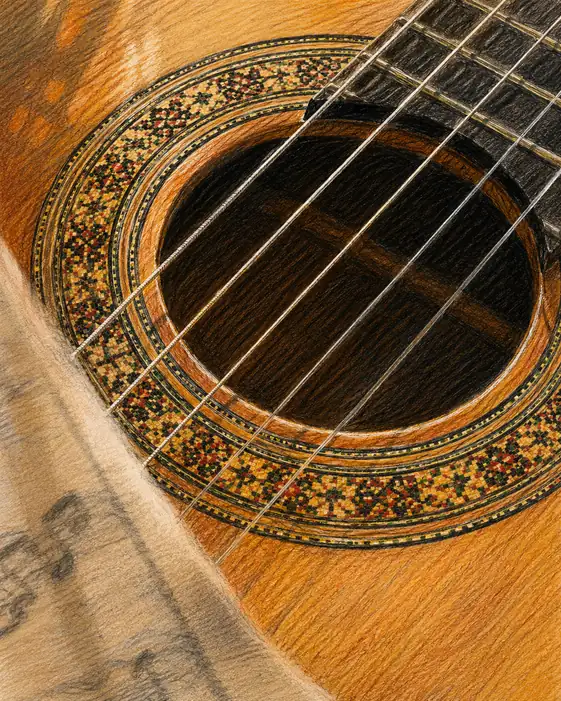 The Heart's Mandala
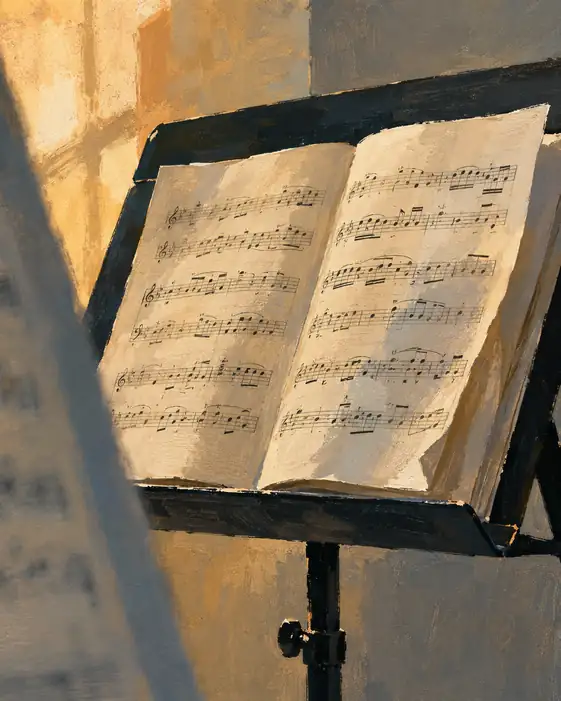 Golden Prelude
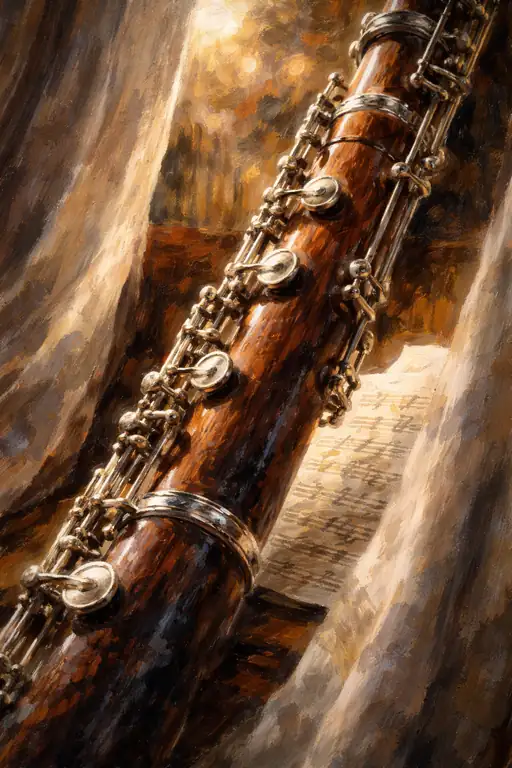 Breath of the Woodwind
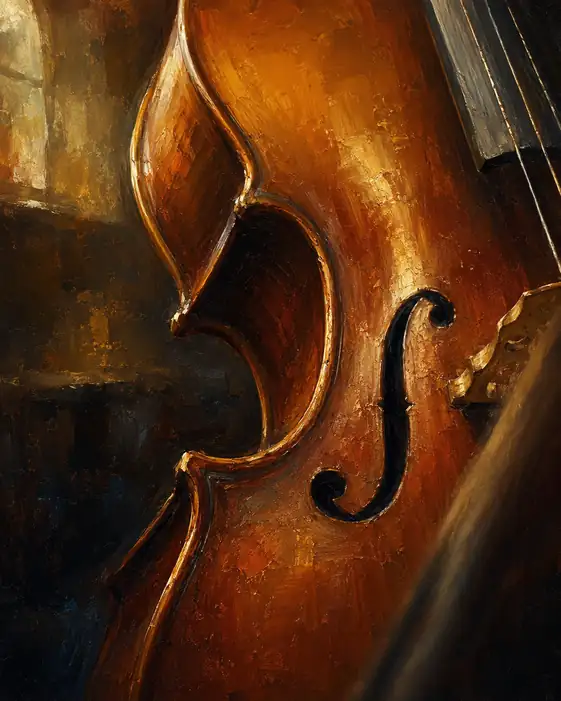 Resonant Silence
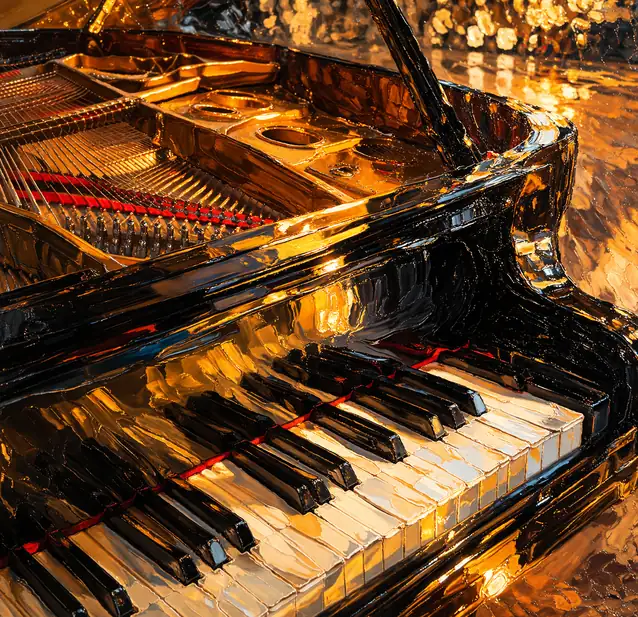 Symphony in Golden Light
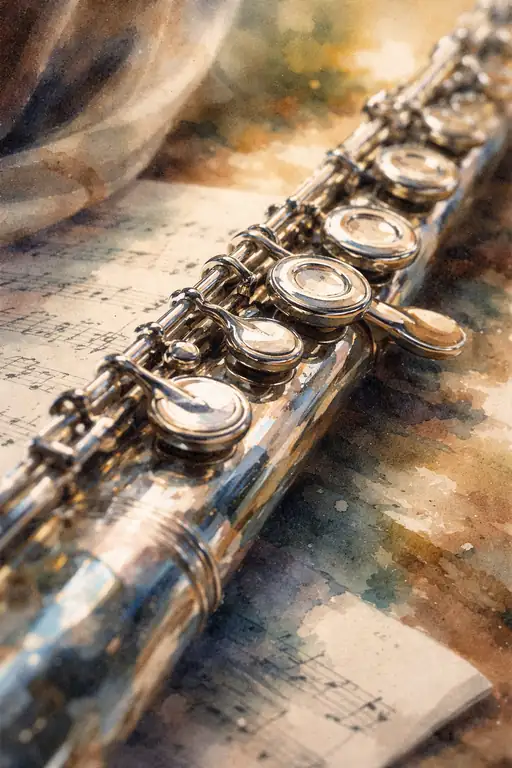 Sonata of the Silver Soul
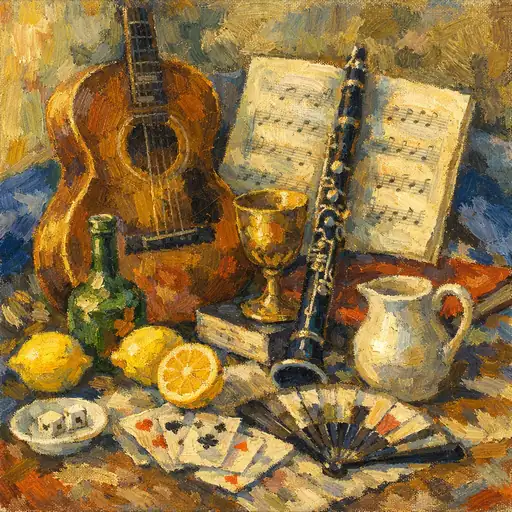 Echoes of a Forgotten Melody
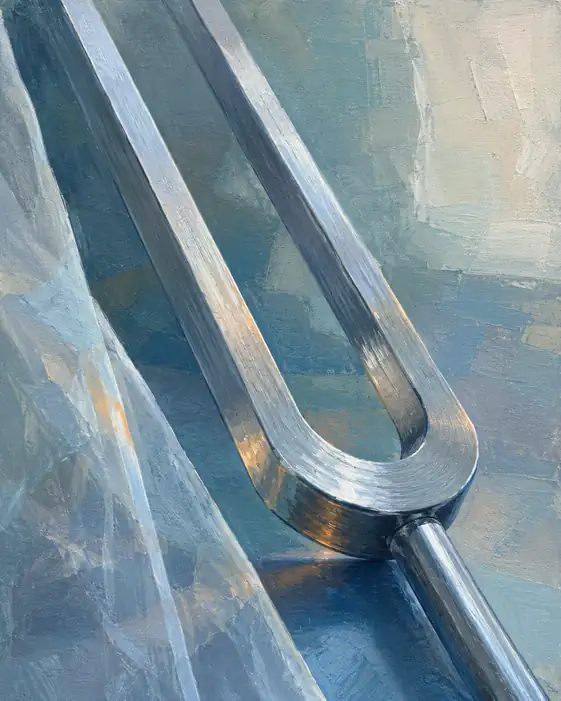 Resonance of Truth