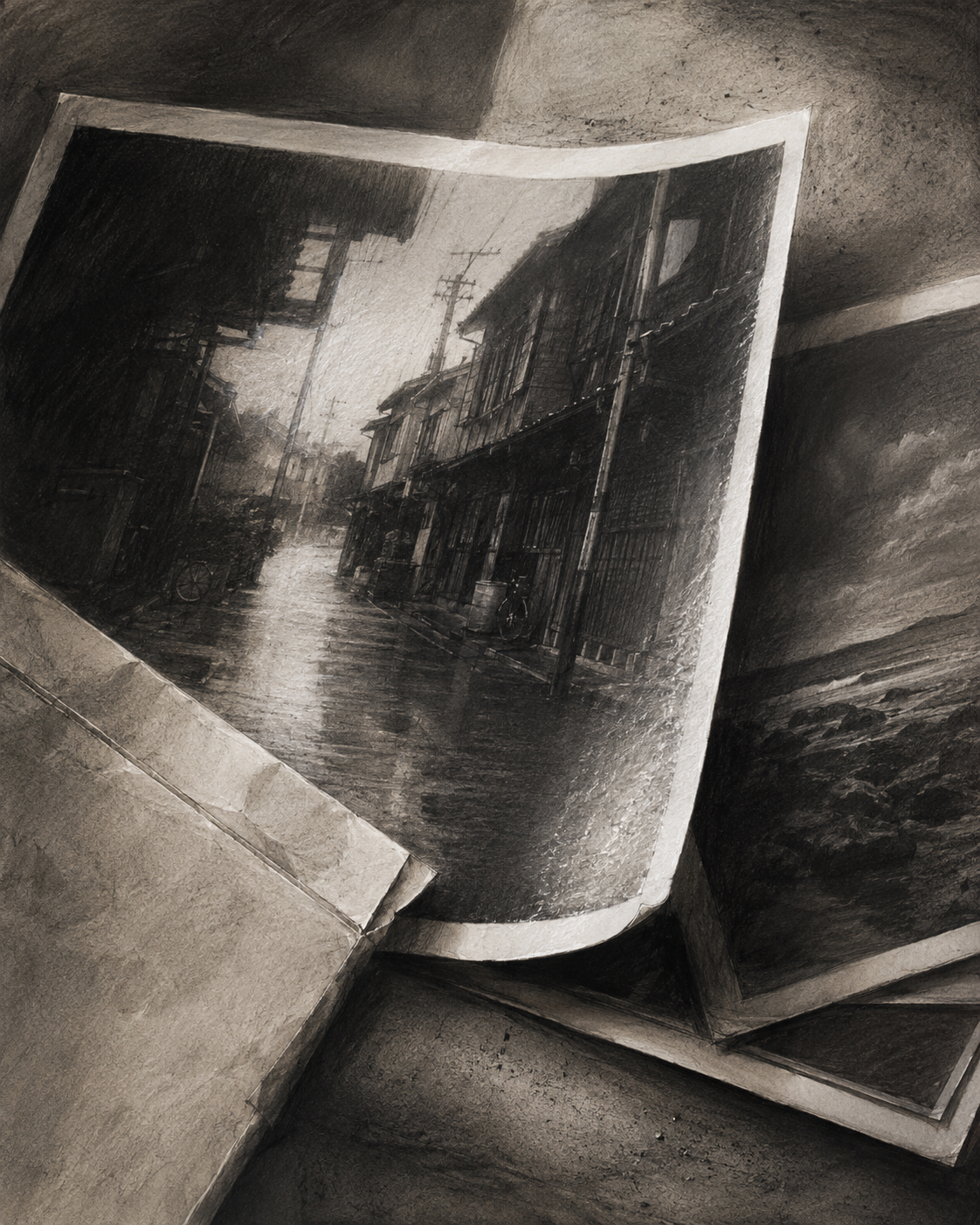
Memories Reflected in the Puddle
Critique
1. Introduction This monochromatic drawing depicts a series of overlapping, curled photographs, focusing on a top image of a wet urban street. The artwork explores the themes of captured time and the physical degradation of memory-laden objects. Executed with a high degree of precision, the piece utilizes tonal variation to create a sense of three-dimensional depth and material realism. 2. Description The composition is dominated by a central photograph that bends upward at the corners, revealing a detailed street scene under rainy conditions. The depicted street is lined with traditional wooden buildings and utility poles, with reflections visible on the damp pavement. Beneath this primary image, several other photographs are stacked, including one that shows a rocky shoreline and a turbulent sea. The edges of the paper appear slightly worn, and the overall lighting suggests a single, directional light source that casts soft shadows between the layers. 3. Analysis The artist demonstrates exceptional control over value, using deep blacks to anchor the shadows and bright highlights to represent the wet surfaces in the photograph. The curved lines of the bent paper provide a dynamic contrast to the rigid, vertical lines of the architecture within the photos. Texture is rendered with meticulous detail, from the glossy finish of the photographic paper to the matte, slightly rough quality of the underlying surface. 4. Interpretation and Evaluation The work serves as a poignant meditation on the ephemeral nature of both moments and their physical records. By focusing on the physicality of the photographs themselves rather than just the scenes they contain, the artist emphasizes the passage of time. The technical skill involved in rendering the reflections on the street and the subtle folds in the paper is commendable. The composition is effective in its complexity, leading the viewer’s eye through the various layers of imagery and reinforcing the narrative of accumulated experiences. 5. Conclusion Initially, the drawing appears as a simple study of paper, but the intricate scenes within the photographs transform it into a multifaceted exploration of history and place. The contrast between the static nature of the objects and the dynamic scenes they depict creates a compelling tension. Overall, this piece is a masterfully executed example of contemporary monochromatic realism that resonates with emotional and historical depth.
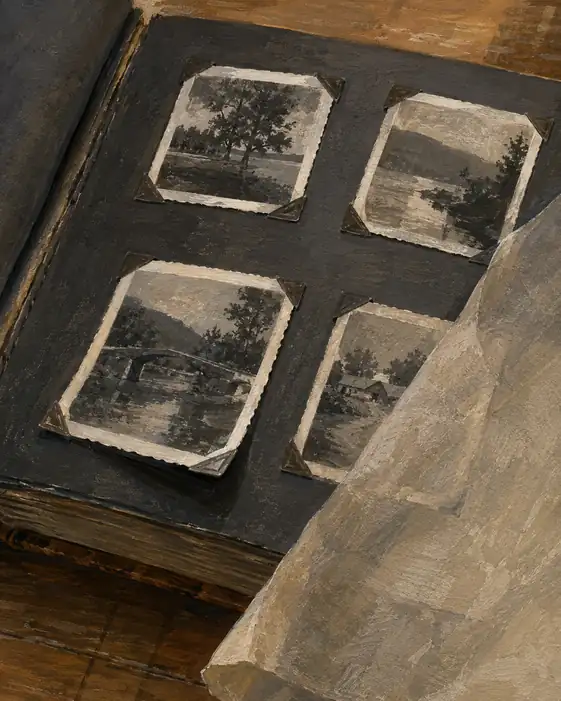 The Texture of Lost Years
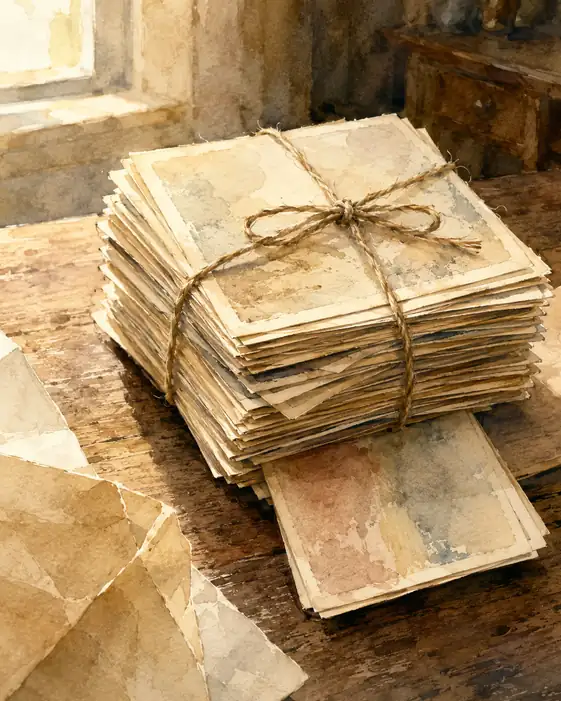 Bonds Tied in Faded Twine
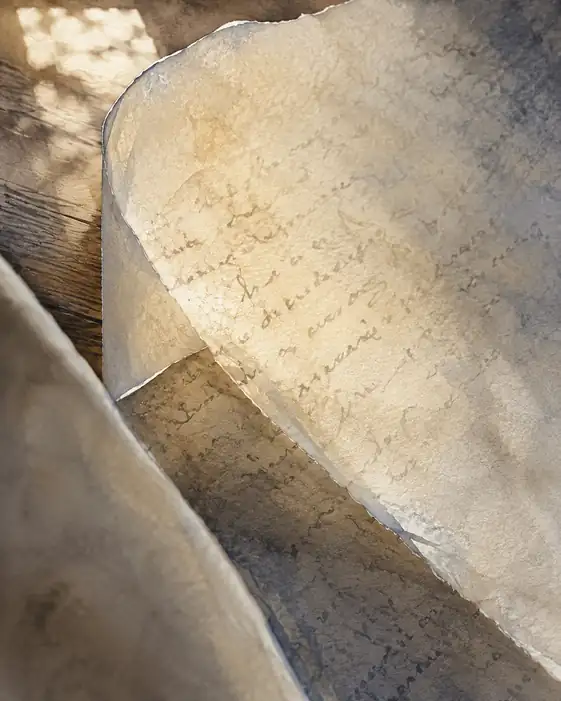 Whispers in the Dappled Light
 The Reliquary of Silent Echoes
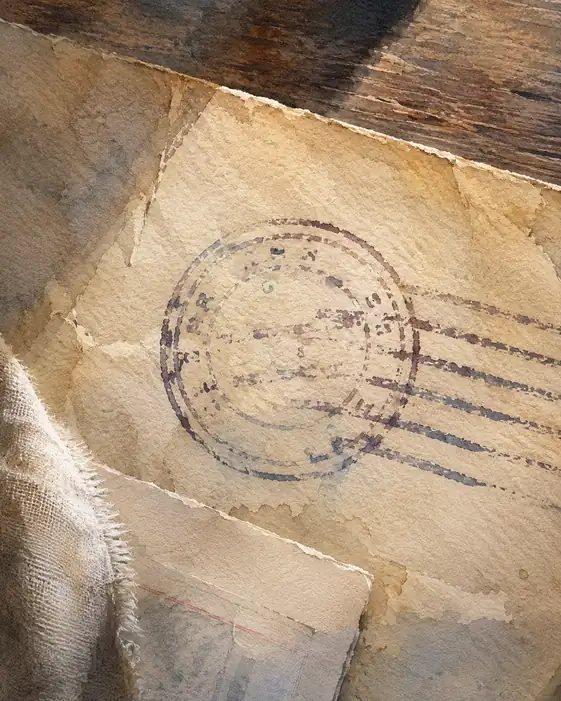 Echoes of a Forgotten Letter
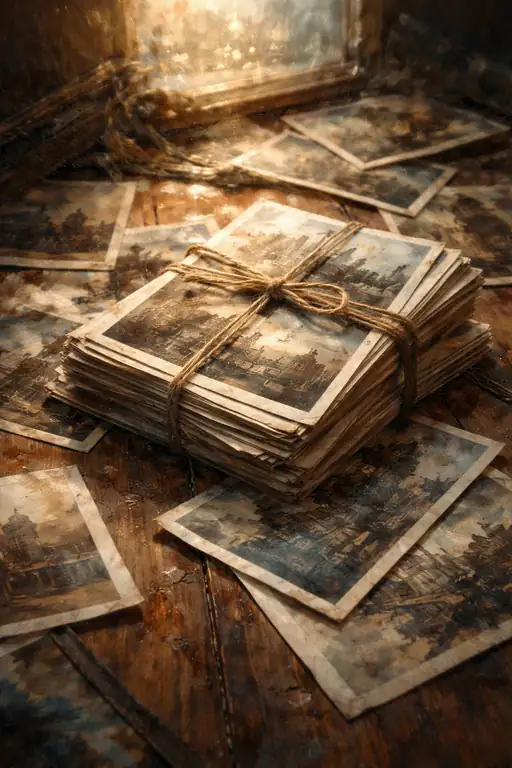 The Heavy Bundle of Yesterdays
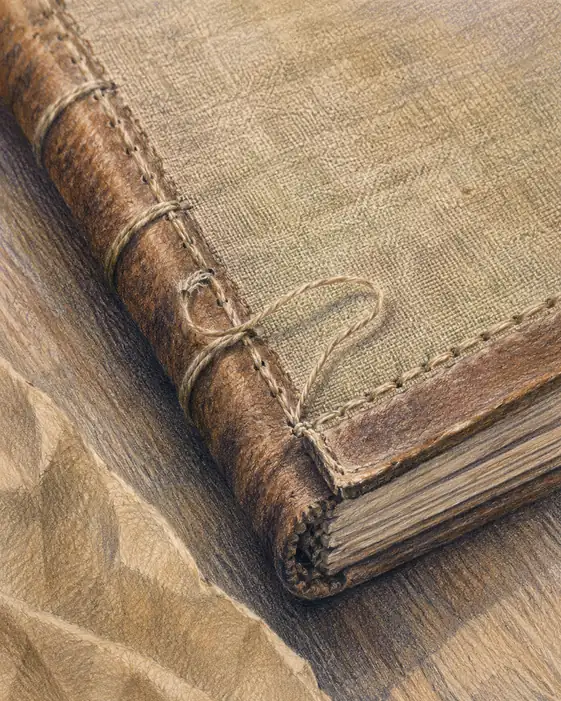 The Silent Weight of Knowledge
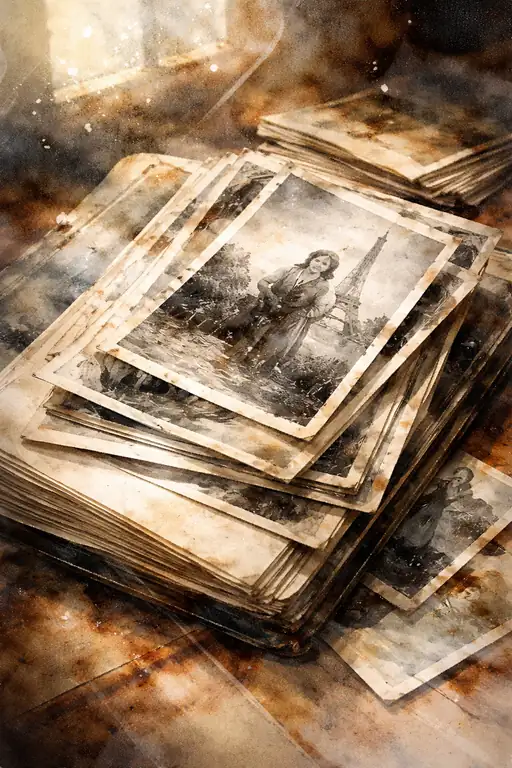 Echoes in Sepia and String
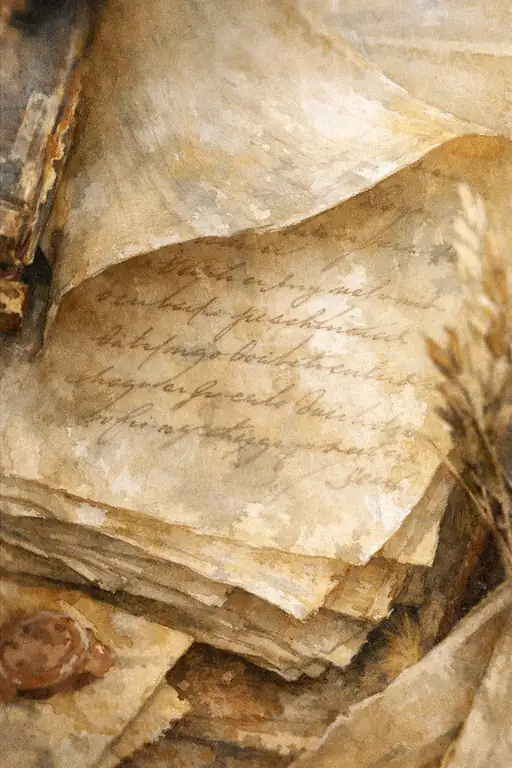 Letters of Time
 Unwritten Echoes of the Past
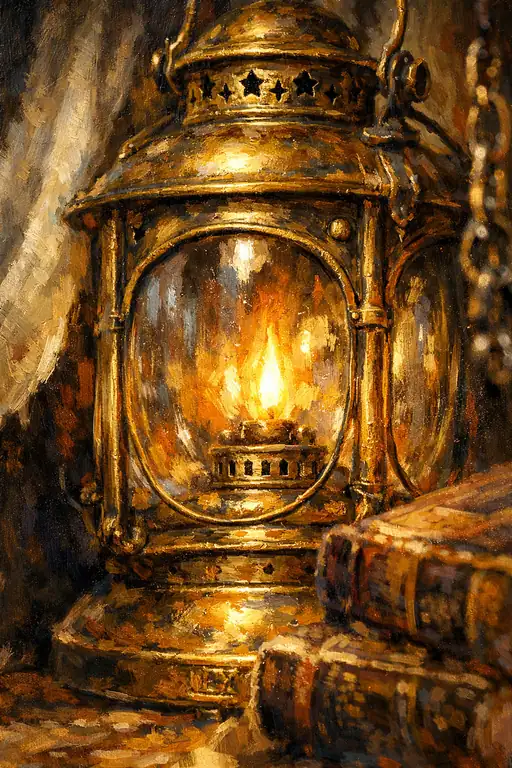 Guiding Light Through the Pages of Time
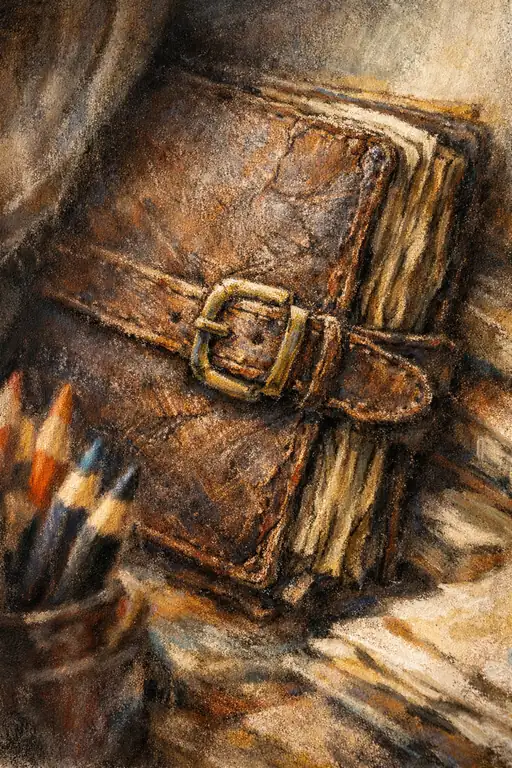 Echoes of a Journey