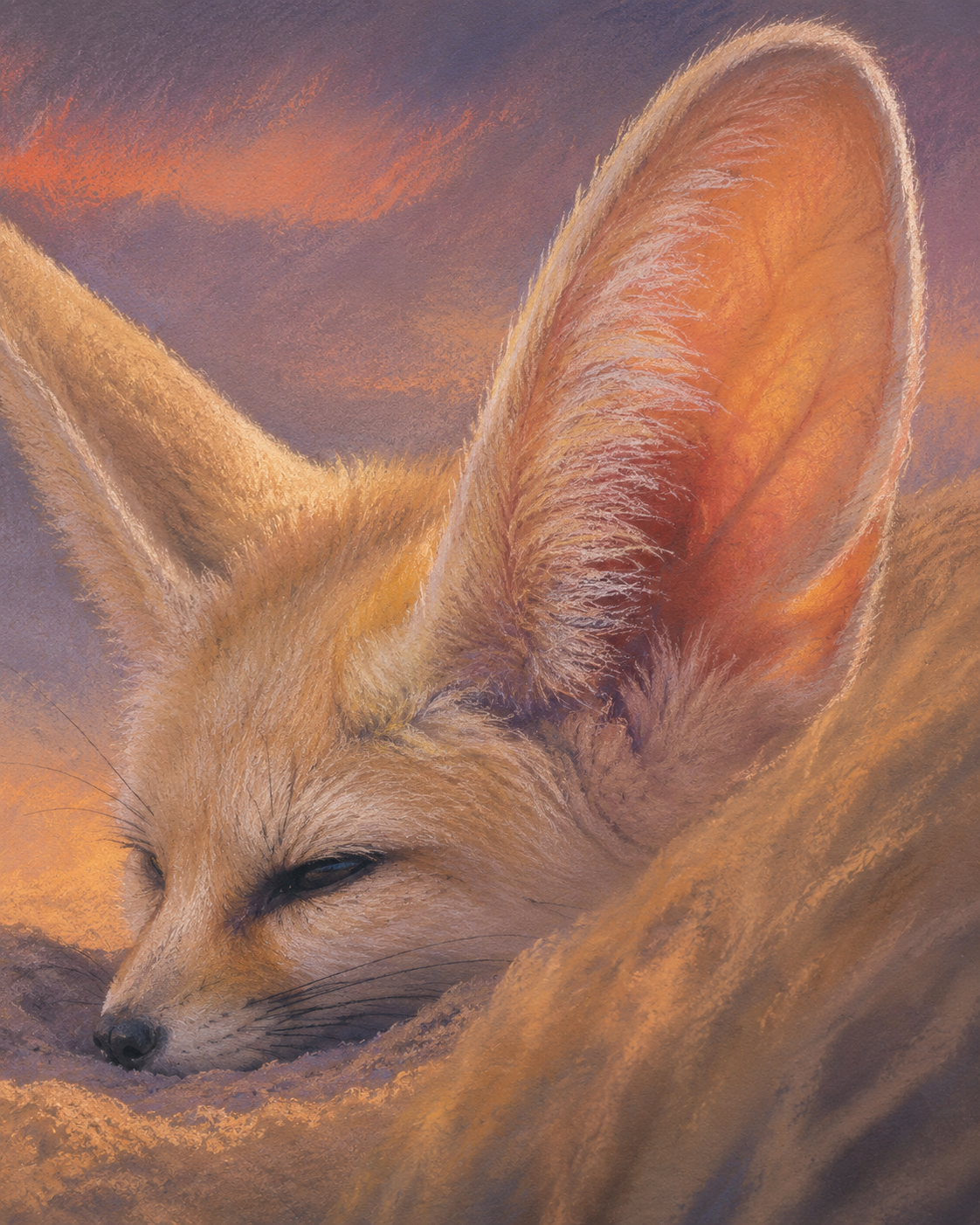
Listening to the Golden Silence
Critique
1. Introduction This atmospheric pastel painting depicts a fennec fox resting peacefully in the desert sands against the backdrop of a vibrant sunset. The work is characterized by its dramatic use of light and color, focusing on the iconic large ears that define the species. By capturing the animal in a moment of repose, the artist invites a contemplative look at the intersection of wildlife and its environment. The composition is tightly cropped, emphasizing the fox’s facial expressions and the unique anatomical features that allow it to thrive in harsh climates. 2. Description The fennec fox occupies the center of the frame, its head resting on the granular sand. Its most prominent feature—two enormous, pointed ears—extend towards the upper corners, with the right ear glowing translucently as it catches the setting sun. Visible veins and fine hairs inside the ears add a layer of biological realism. The fox’s eyes are half-closed, and its small black nose is nestled into the textured sand. The background is a swirling mix of deep purples, oranges, and pinks, suggesting the fleeting, intense light of a desert dusk. 3. Analysis Formally, the painting relies on a striking contrast between the cool purples of the upper sky and the warm, incandescent oranges that permeate the fox’s ears and the lower horizon. The artist uses the medium’s inherent softness to render the downy texture of the fur, while employing more defined strokes to suggest the coarseness of the sand. The backlighting is the primary compositional driver, creating a sense of volume and life as the light seems to pulse through the thin skin of the ears. This use of light effectively separates the subject from the sky. 4. Interpretation and Evaluation This work is more than a simple animal portrait; it is a celebration of biological adaptation and environmental harmony. The glowing ears serve as a visual metaphor for the fox’s sensitivity to its surroundings. The technical skill required to render the translucency of the ears while maintaining the overall softness of the pastel is highly commendable. The choice to place the fox low in the frame creates a sense of groundedness and vulnerability, fostering a strong emotional connection with the viewer. The artist’s control over color transitions is particularly impressive. 5. Conclusion In summary, the painting is a masterful study of light and character that beautifully captures the essence of the fennec fox. The initial impact of the vivid sunset colors is balanced by the quiet, intimate portrayal of the resting animal. It leaves the viewer with a profound appreciation for the delicate beauty of desert life and the sophisticated techniques used to convey atmospheric light. This piece stands as an excellent example of how traditional media can be used to create a modern, emotionally resonant wildlife study.
 Gentle Morning in the Meadow
 Gentle Gaze of the Mist
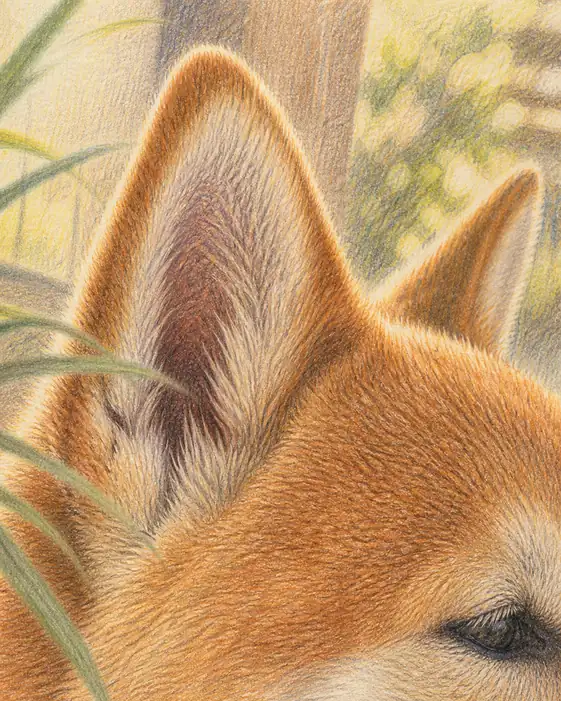 Listening to the Garden Whispers
 Dreaming in Warmth
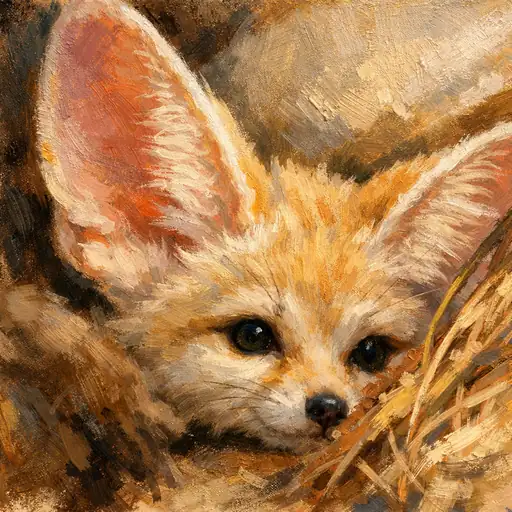 Alert Watcher of the Painted Desert
 Embrace of Peace
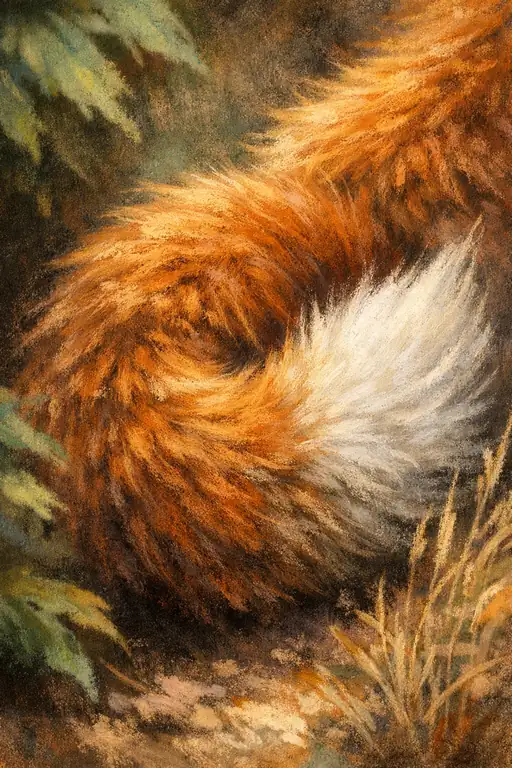 Fiery Spiral
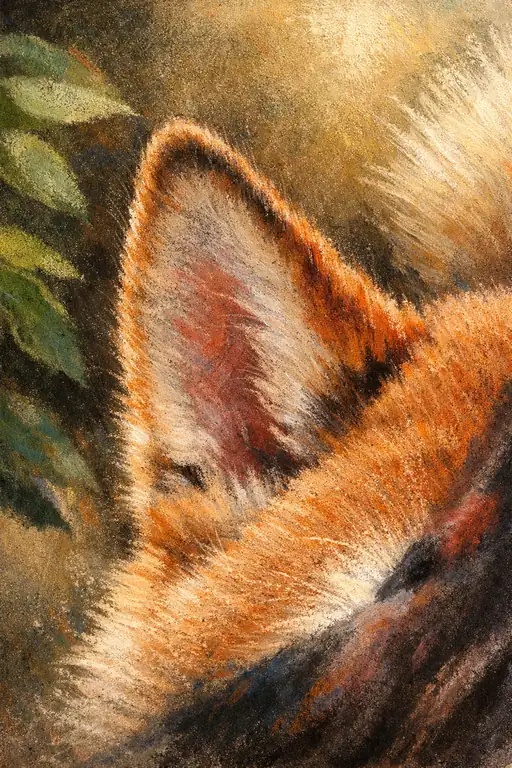 Wild Fox Ear Bathed in Light
 Dance of the Golden Tail
 The Nut Gatherer's Gaze