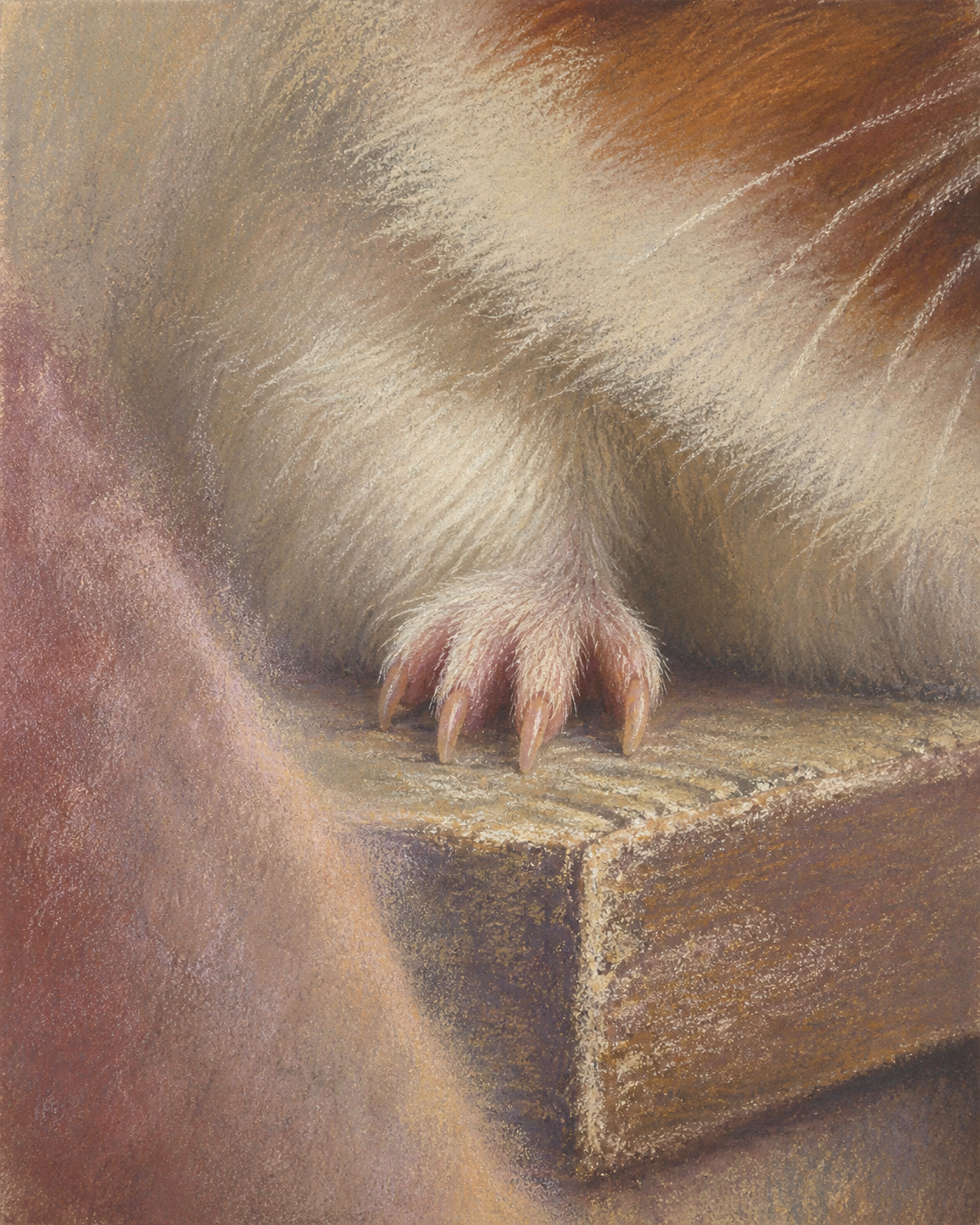
Small Steps, Great Life
Critique
1. Introduction This vertical pastel drawing offers a captivating, high-detail study of a small rodent’s paw resting on the edge of a weathered wooden block. The work is defined by its extreme focus on textural variety and a limited, earthy color palette that emphasizes the tactile qualities of the subject. By isolating a seemingly minor detail of the animal’s anatomy, the artist creates a sense of profound intimacy and quietude. This composition demonstrates a sophisticated approach to animal portraiture, favoring a fragmentary view over a traditional whole-body representation. 2. Description In the center of the frame, a small, pinkish paw with four distinct claws is positioned on the rough, horizontal surface of a wooden structure. Above the paw, a mass of dense, soft fur transitions from creamy white to a warm, reddish-brown. To the left, a large, blurred shape in muted reddish-purple tones suggests the presence of fabric or another soft surface in the foreground. The wooden block itself shows a granular, worn texture with visible grain and light-colored highlights along its edge, indicating a subtle light source from the side. 3. Analysis The formal strength of the piece lies in the dramatic contrast between the different materials depicted. The artist skillfully uses the grainy texture of the pastel medium to differentiate between the downy softness of the fur, the delicate skin of the paw, and the rugged, porous nature of the wood. The lighting is soft and diffused, creating gentle shadows that provide a sense of three-dimensional volume without harsh transitions. A harmonious color scheme of ochre, sienna, and off-white creates a unified atmosphere that feels both warm and grounded. 4. Interpretation and Evaluation This artwork serves as a contemplative exploration of the small and often overlooked aspects of nature. By bringing the viewer so close to the subject, the artist fosters a sense of empathy and wonder for the physical reality of a living creature. The technical execution is exceptional, particularly in how the fine lines of the fur appear to emerge from the broader, blended areas of color. The composition, while unconventional, is highly effective in its simplicity, proving that a single, well-rendered detail can be as powerful as a complex scene. 5. Conclusion To summarize, the work is a masterful exercise in observation and textural rendering that celebrates the aesthetic value of the minute. The initial curiosity about the subject matter is quickly replaced by a deeper appreciation for the artist’s ability to manipulate light and medium. It leaves the viewer with a lingering sense of the delicate beauty inherent in all life forms, regardless of their scale. This piece stands as a testament to the power of the macro lens in artistic expression and its capacity to reveal the extraordinary in the ordinary.
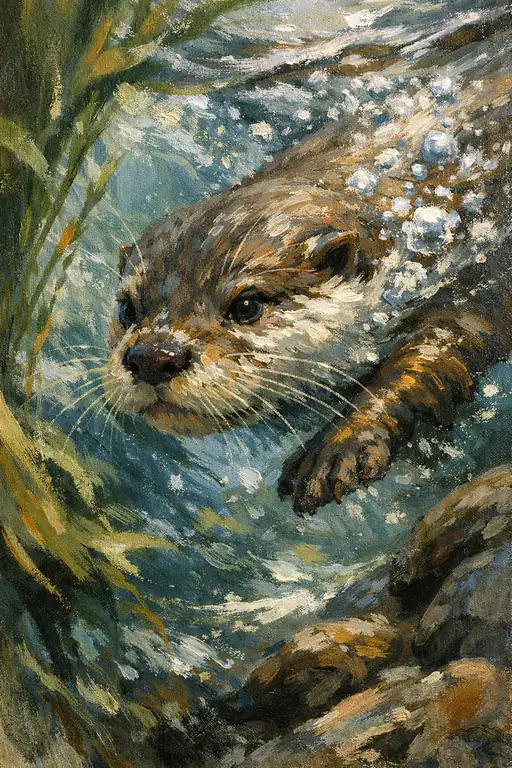 River's Wild Pulse
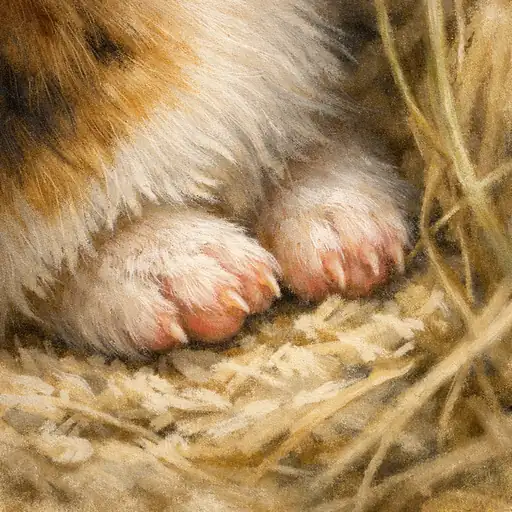 Resting Upon the Golden Straw
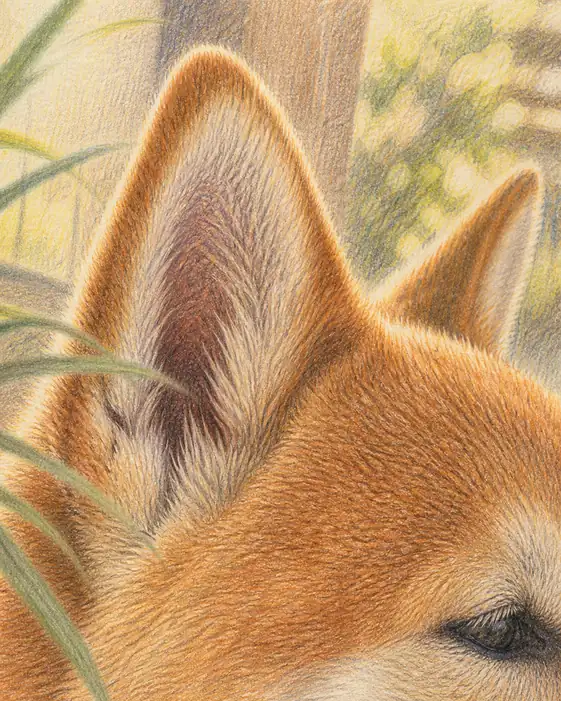 Listening to the Garden Whispers
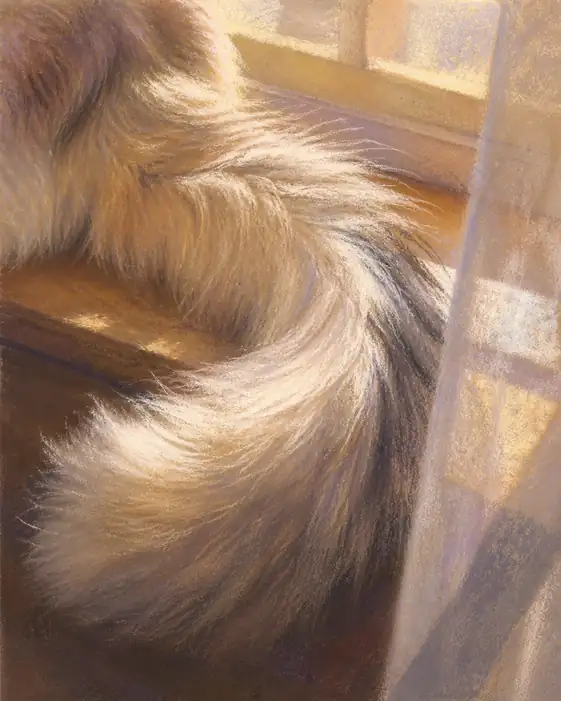 Golden Afternoon Nap
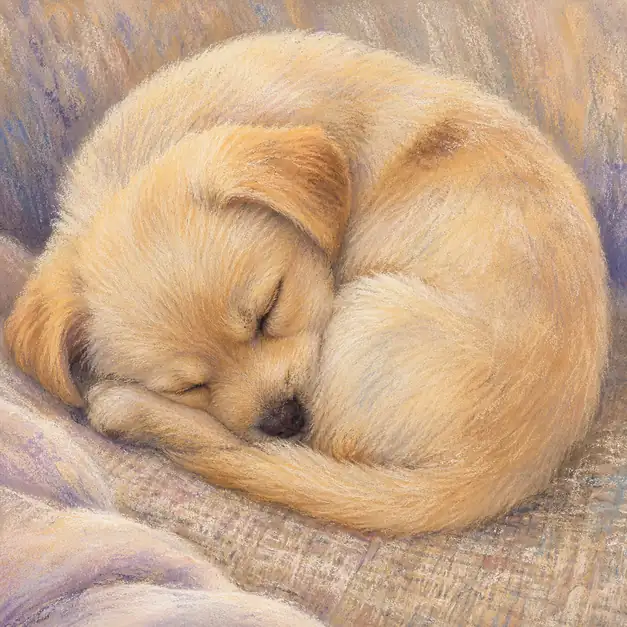 Dreaming in Warmth
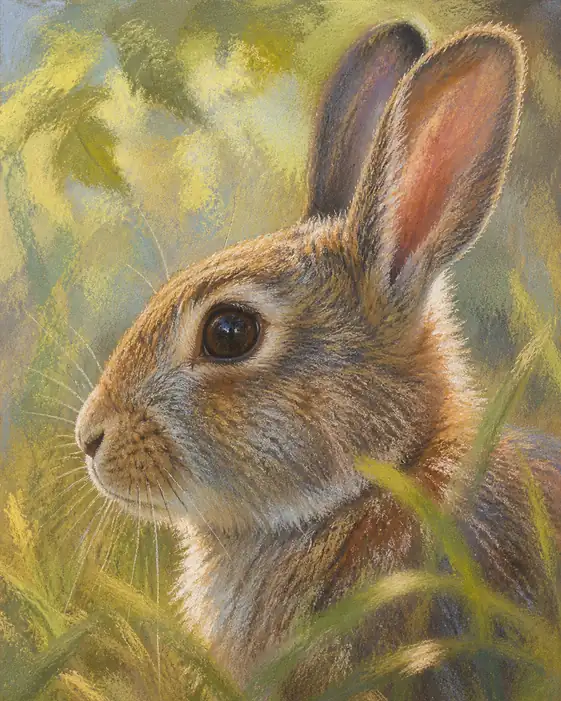 Gentle Morning in the Meadow
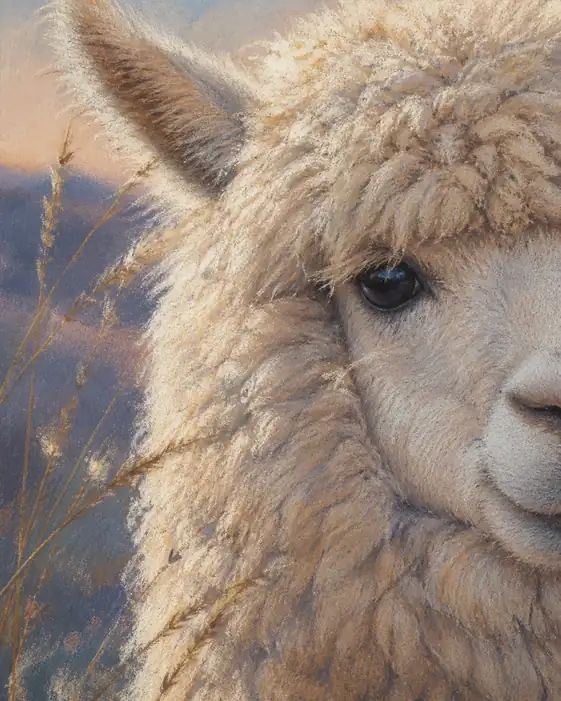 Gentle Gaze of the Mist
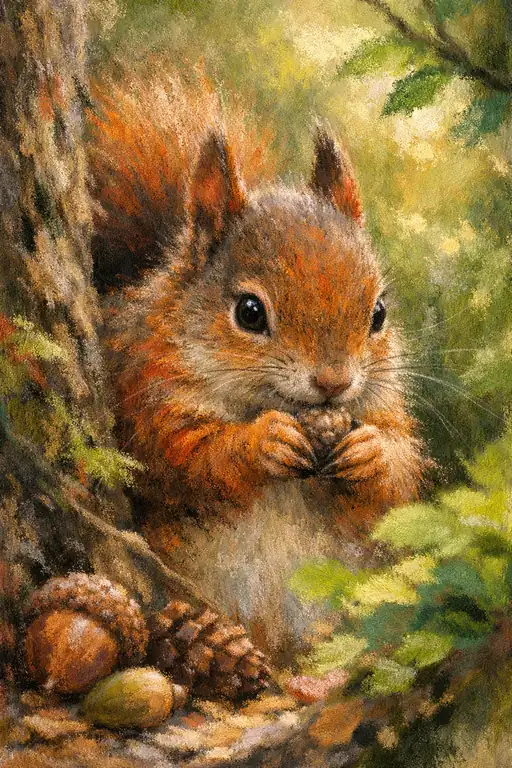 The Nut Gatherer's Gaze
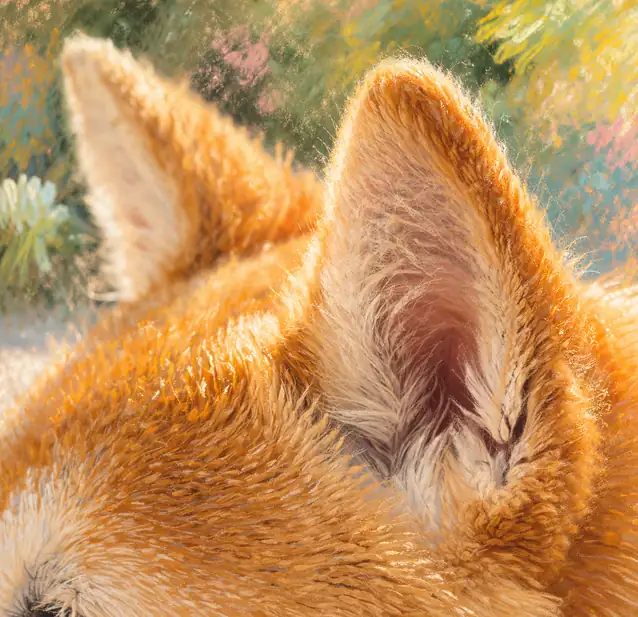 Shiba Ears Glowing in the Afternoon Sun
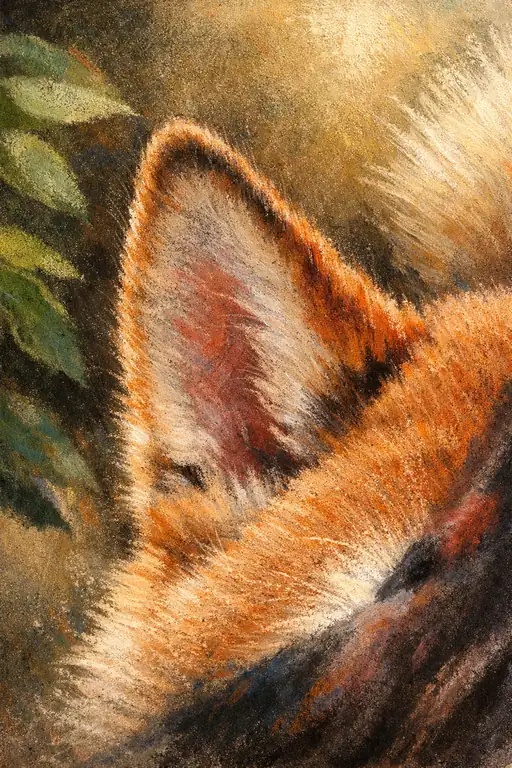 Wild Fox Ear Bathed in Light
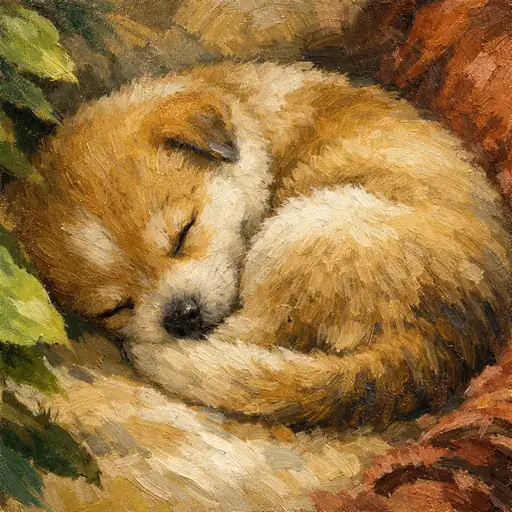 Slumbering Pups in Nature's Cradle