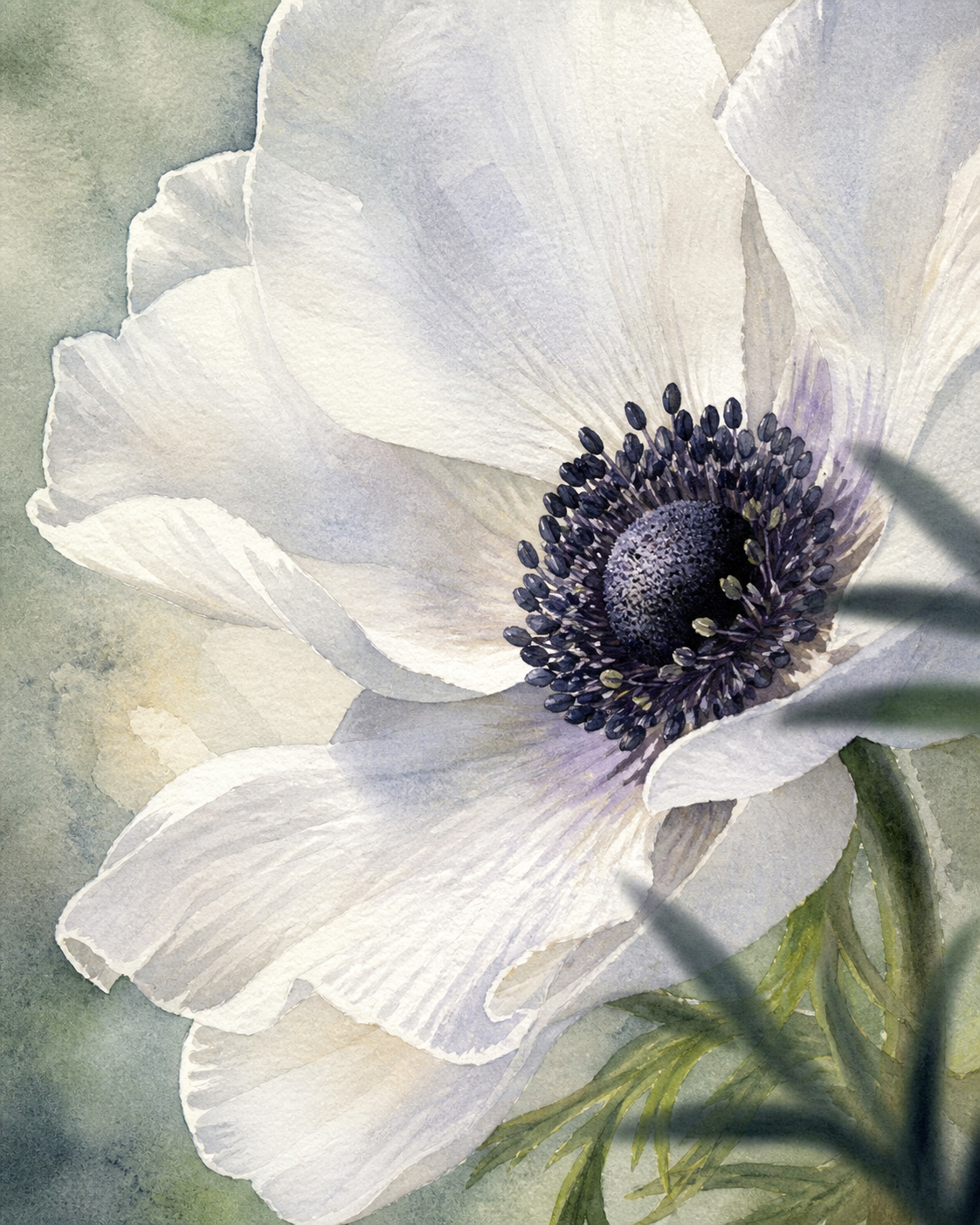
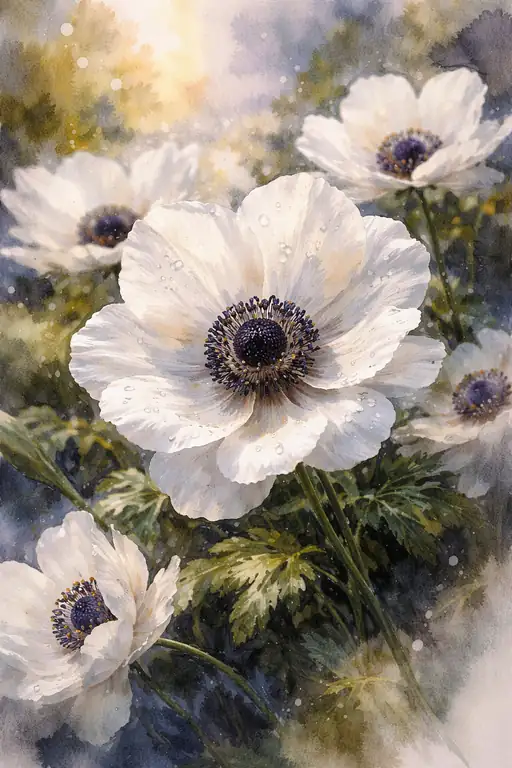
Whisper of the Anemone
Critique
1. Introduction This watercolor painting presents a detailed study of a large, blossoming flower, capturing its presence through delicate layering and a soft palette. The composition focuses on a single botanical subject, emphasizing the intricate relationship between light and organic form. This work demonstrates a commitment to observational precision while maintaining the fluid characteristics of its medium. 2. Description The central flower features broad, translucent white petals that exhibit subtle shifts in tone from pale lavender to soft cream. At the core, a dense cluster of dark purple stamens creates a striking focal point, surrounded by fine, radiating lines. The background consists of mottled greens and earthy greys, providing a textured surface that complements the smoothness of the floral elements. 3. Analysis The artist utilizes a varied range of watercolor techniques, including wet-on-wet applications for the background and precise line work for the petal veins. The high contrast between the dark center and the luminous petals establishes a strong sense of depth. An asymmetrical composition is achieved by positioning the flower slightly off-center, balanced by the presence of blurred foliage in the foreground. 4. Interpretation and Evaluation The transparency of the petals suggests a theme of fragility and the ephemeral nature of life. By focusing on a close-up perspective, the work invites the viewer to appreciate the subtle complexities of nature that often go unnoticed. The technical execution is highly effective, as the balance between controlled detail and spontaneous color bleeding enhances the overall realism. 5. Conclusion This botanical study successfully merges technical skill with a sensitive portrayal of its subject. While it begins as a simple representation of a flower, the careful attention to texture and light transforms it into a profound meditation on organic beauty. The final result is a cohesive and visually engaging artwork that honors the complexity of the natural world.
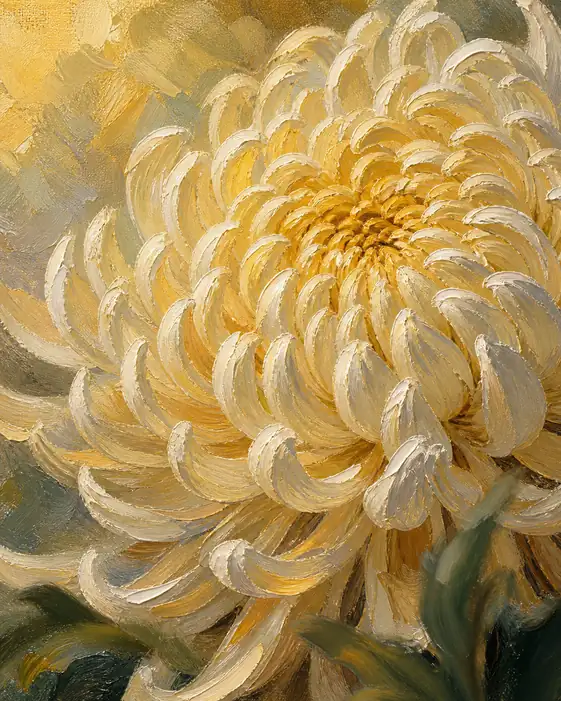 Serenity in White Ivory
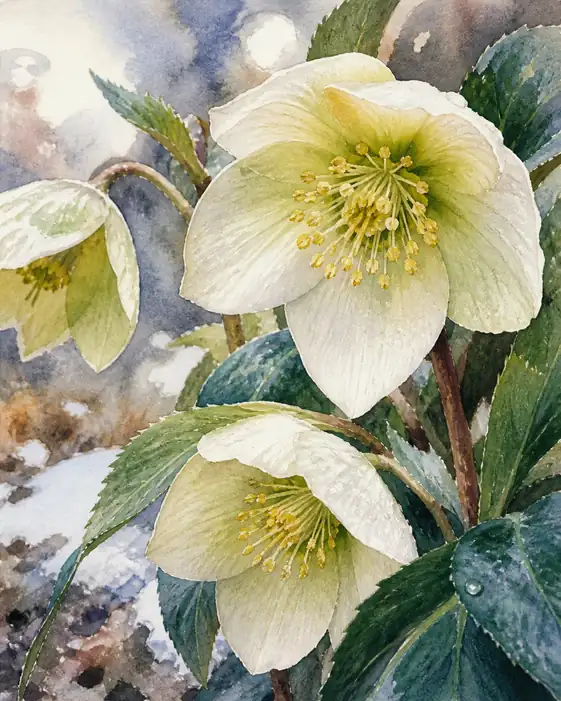 Breath of Winter Hope
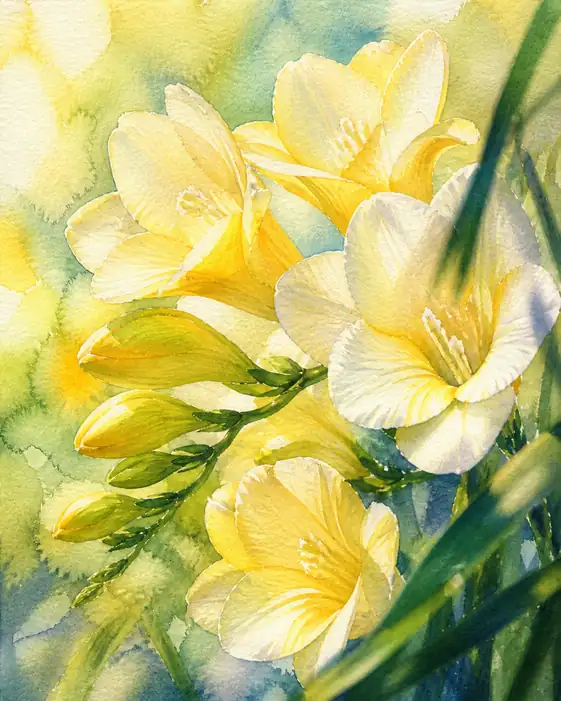 Glow of a Golden Spring
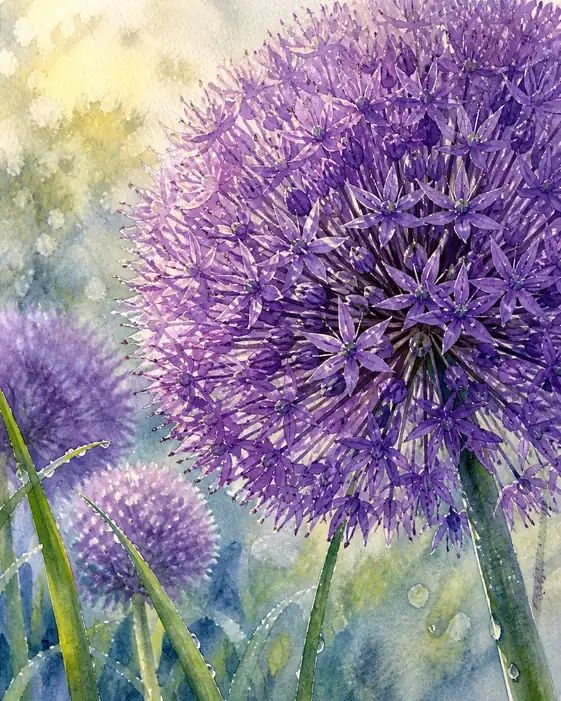 Spheres of Morning Dew
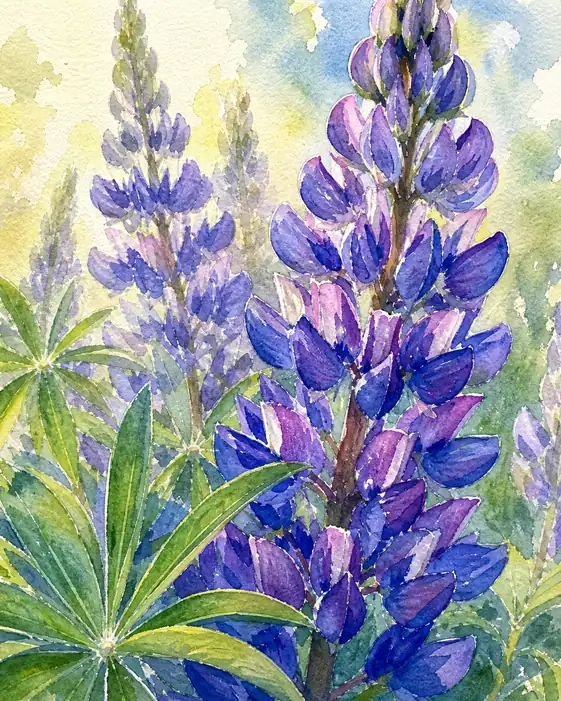 Indigo Spires of Light
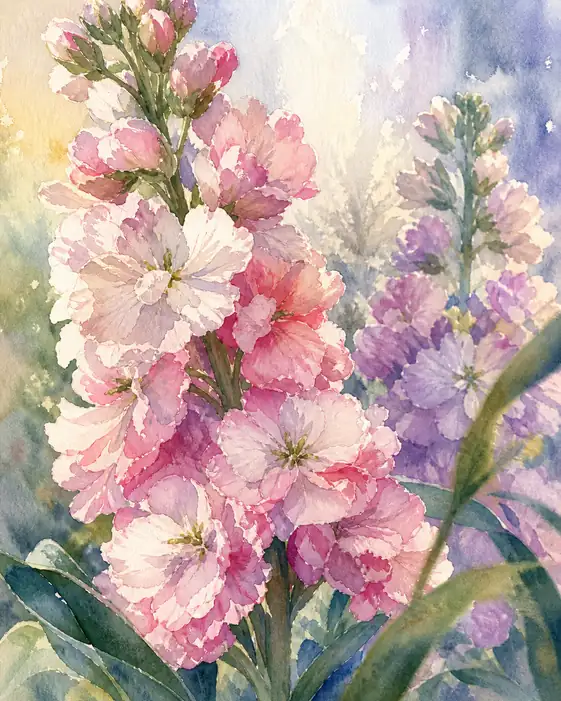 Luminous Ascent
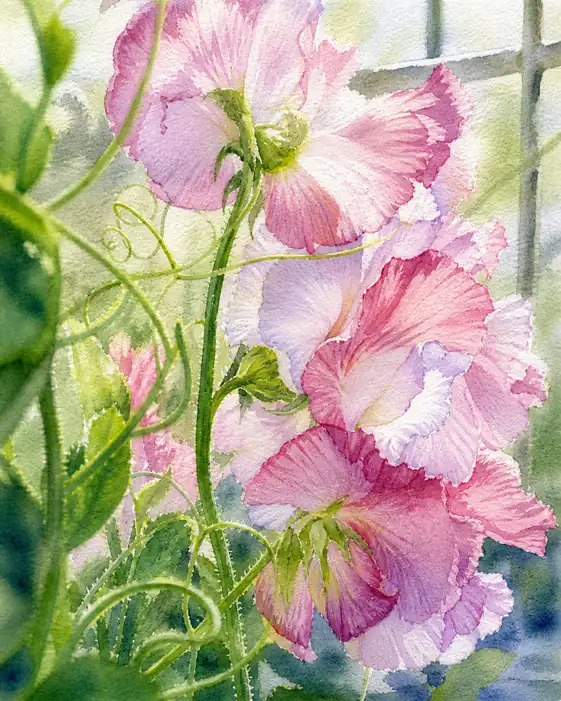 Fragile Whims of Summer
 Phantoms of the Quiet Dark
 Purity Awakening in Green
 Whispering Pansies
 Whispers of the Spring Breeze