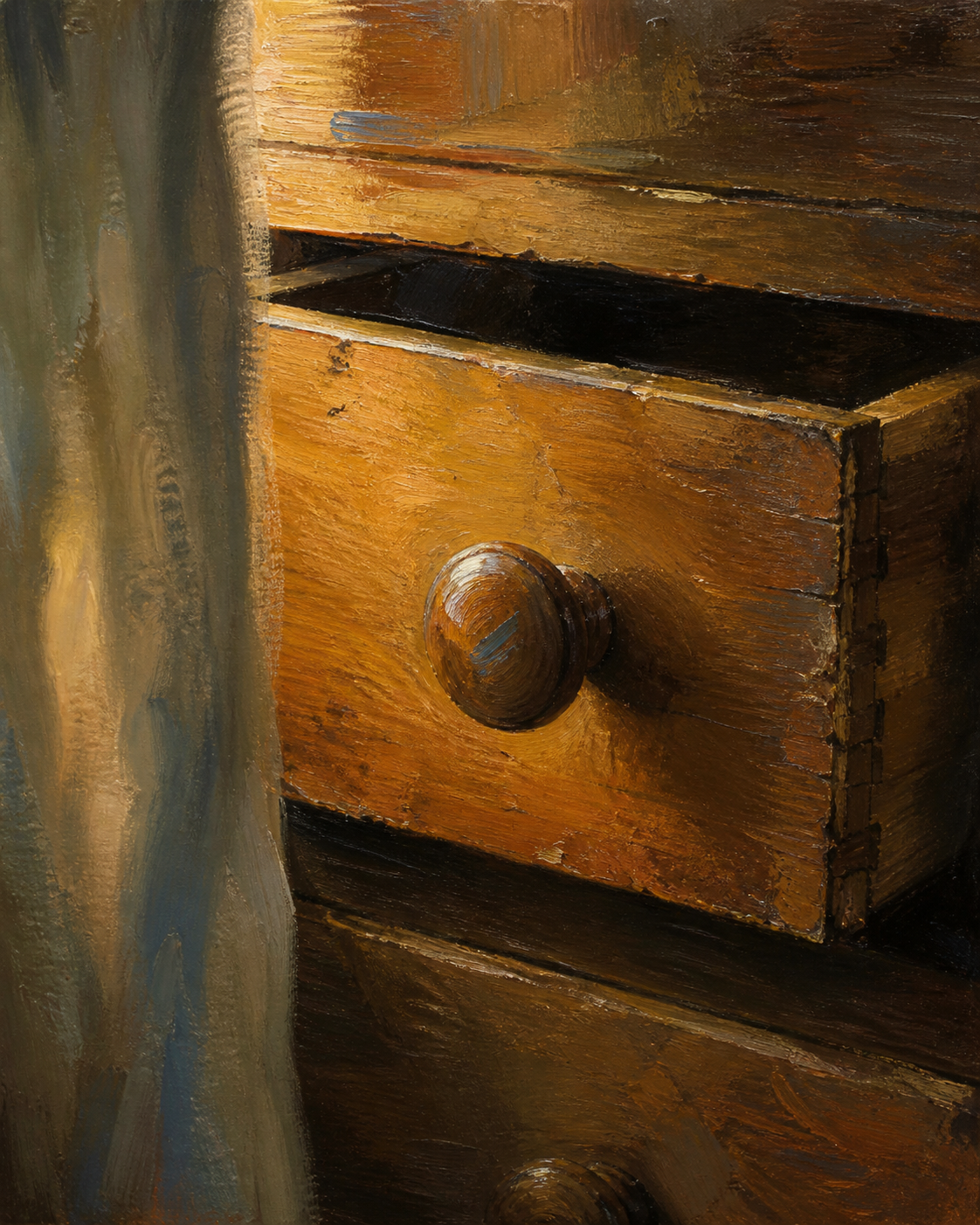
The Open Secret of Time and Grain
Critique
1. Introduction This still-life painting depicts a worn wooden chest of drawers, focusing on a single, slightly open drawer. By capturing everyday furniture from a close-up perspective, the work highlights the material texture and the beauty of the shadows created by light. Though simple in its composition, the piece reflects deep observation and a high level of descriptive skill. 2. Description The center of the frame features a wooden drawer that is left slightly ajar. A round knob is visible on the drawer front, which is detailed with wood knots, fine scratches, and the weathered patina that comes with age. To the left, a translucent, thin curtain hangs down, providing a soft contrast to the hard surface of the wood. The color palette is based on warm, almost orange-brown tones of the wood, with deep mahogany shadows creating a sense of depth. 3. Analysis The primary appeal of this work lies in the representation of the wood's texture, emphasized by the play of light. The joinery visible at the corner of the drawer and the subtle irregularities on its surface are three-dimensionally reproduced through thick brushwork. Light enters from the upper left, casting bright highlights on the knob and the edges of the drawer, which clearly defines its form. The vertical lines of the curtain and the horizontal lines of the drawer provide structural order to the canvas. 4. Interpretation and Evaluation This piece is a successful attempt to poetically express the accumulation of time and the traces of daily life hidden within a common piece of furniture. The partially open drawer hints at some private narrative contained within, sparking a faint sense of curiosity in the serene space. The harmony between accurate rendering and artistic expression is masterful, and the artist is highly commended for rediscovering beauty in the mundane through an original lens. The color scheme is stable and evokes a feeling of calm. 5. Conclusion Upon closer inspection, one is struck by the earnest density of the depiction found in every line of the wood grain. What initially appears to be a mere recording of old furniture transforms into an impression where one can almost hear the quiet breath of daily life. It is an exceptionally well-executed still-life that balances physical presence with emotional depth.
 The Pearlescent Veil of Morning Radiance
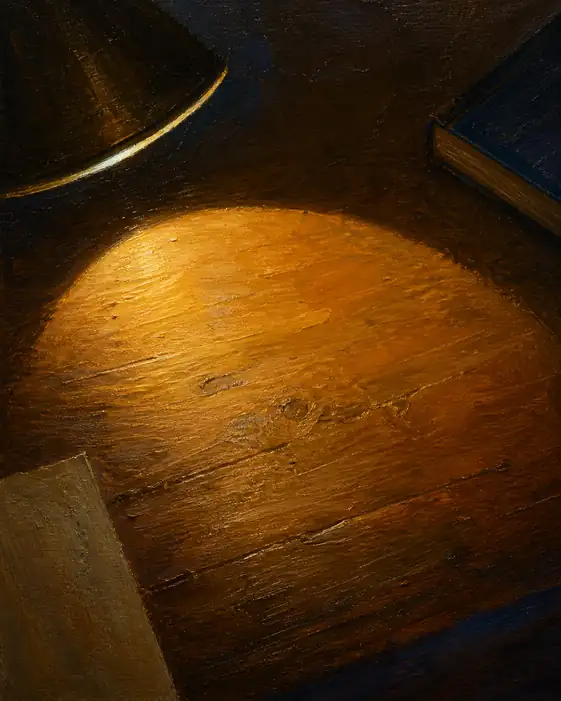 The Sanctum of Illuminated Focus
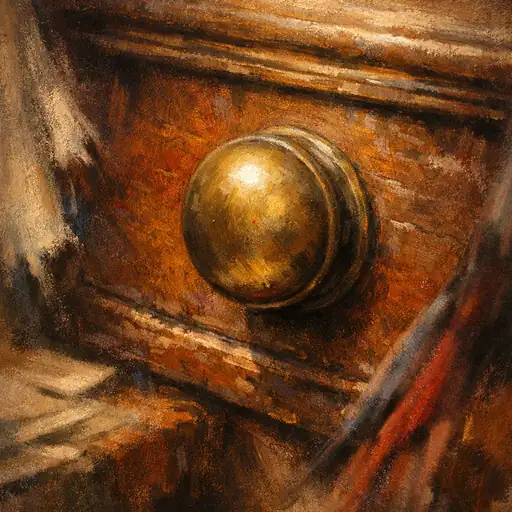 Threshold of Time
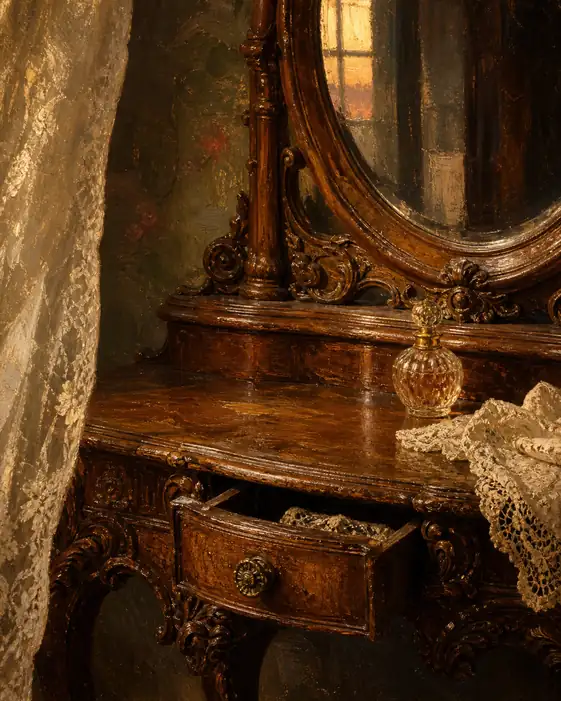 Fragrance of a Fading Dream
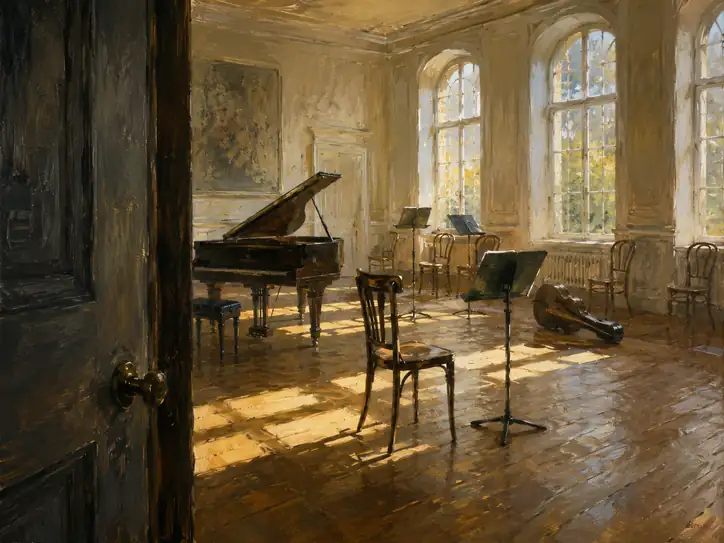 The Silence Before the Song
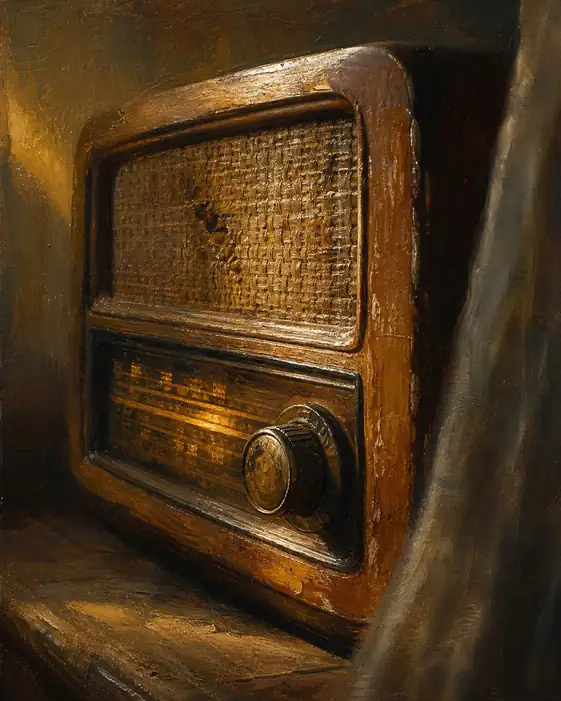 The Resonance of Amber Echoes
 The Glowing Hearth of the Sea
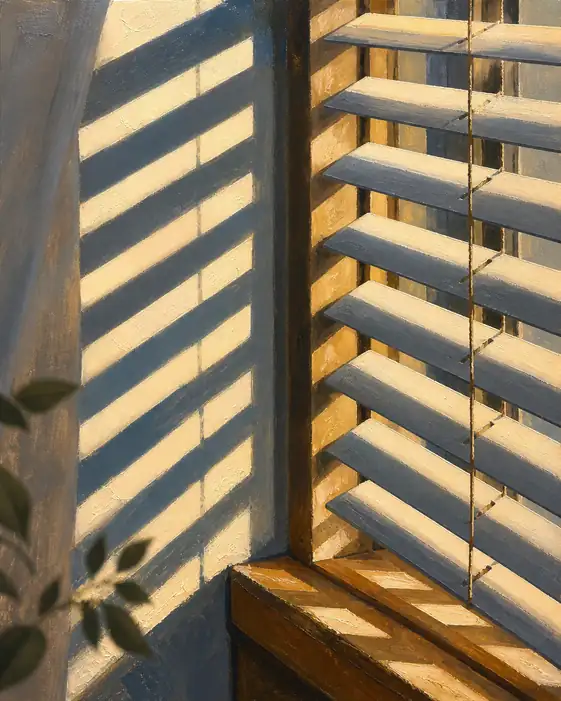 The Geometry of Afternoon Silence
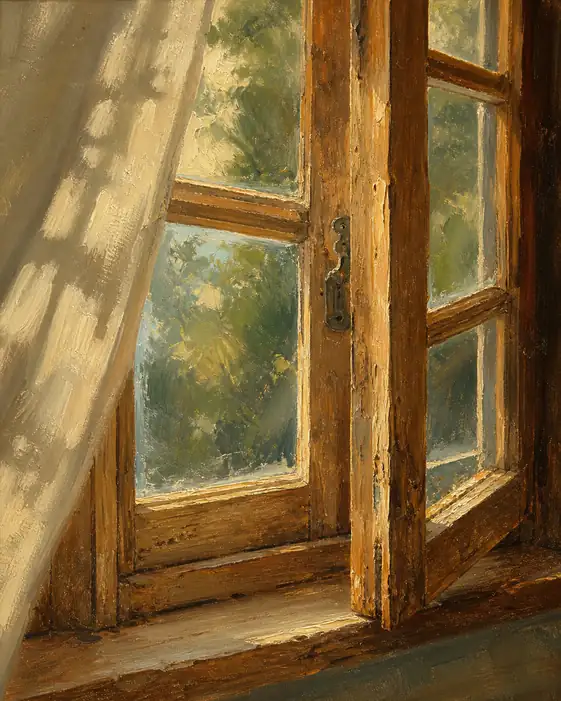 Threshold of Timeless Light
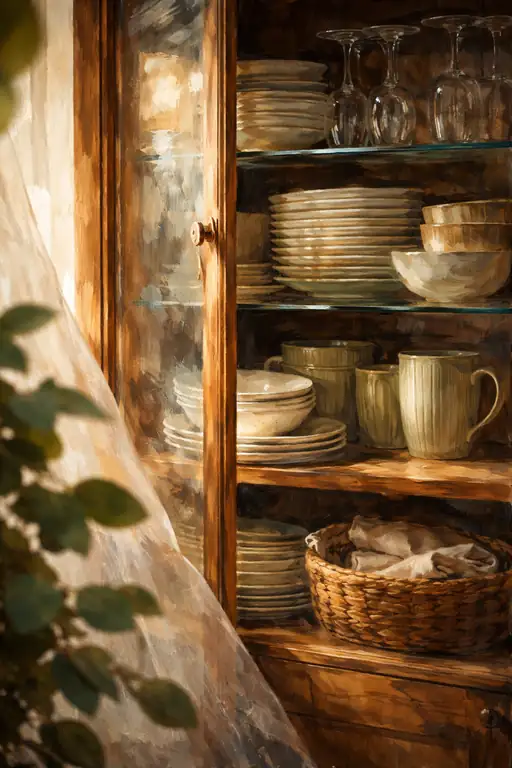 Treasures of the Hearth
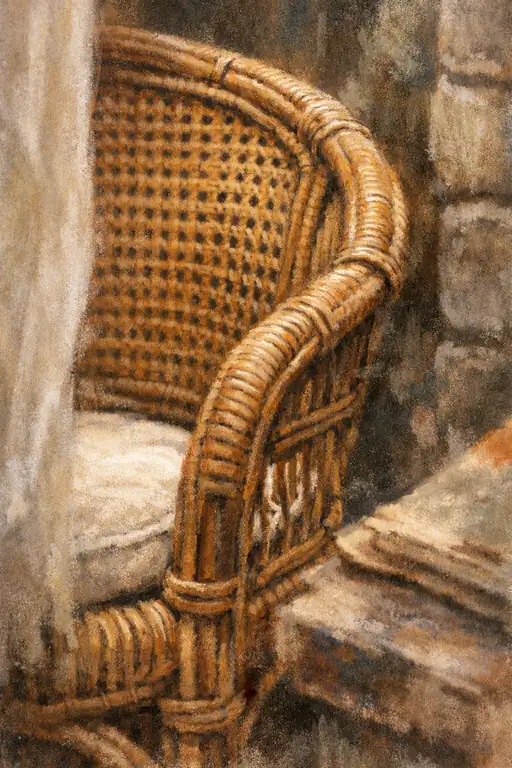 Sunlit Memories Woven in Rattan