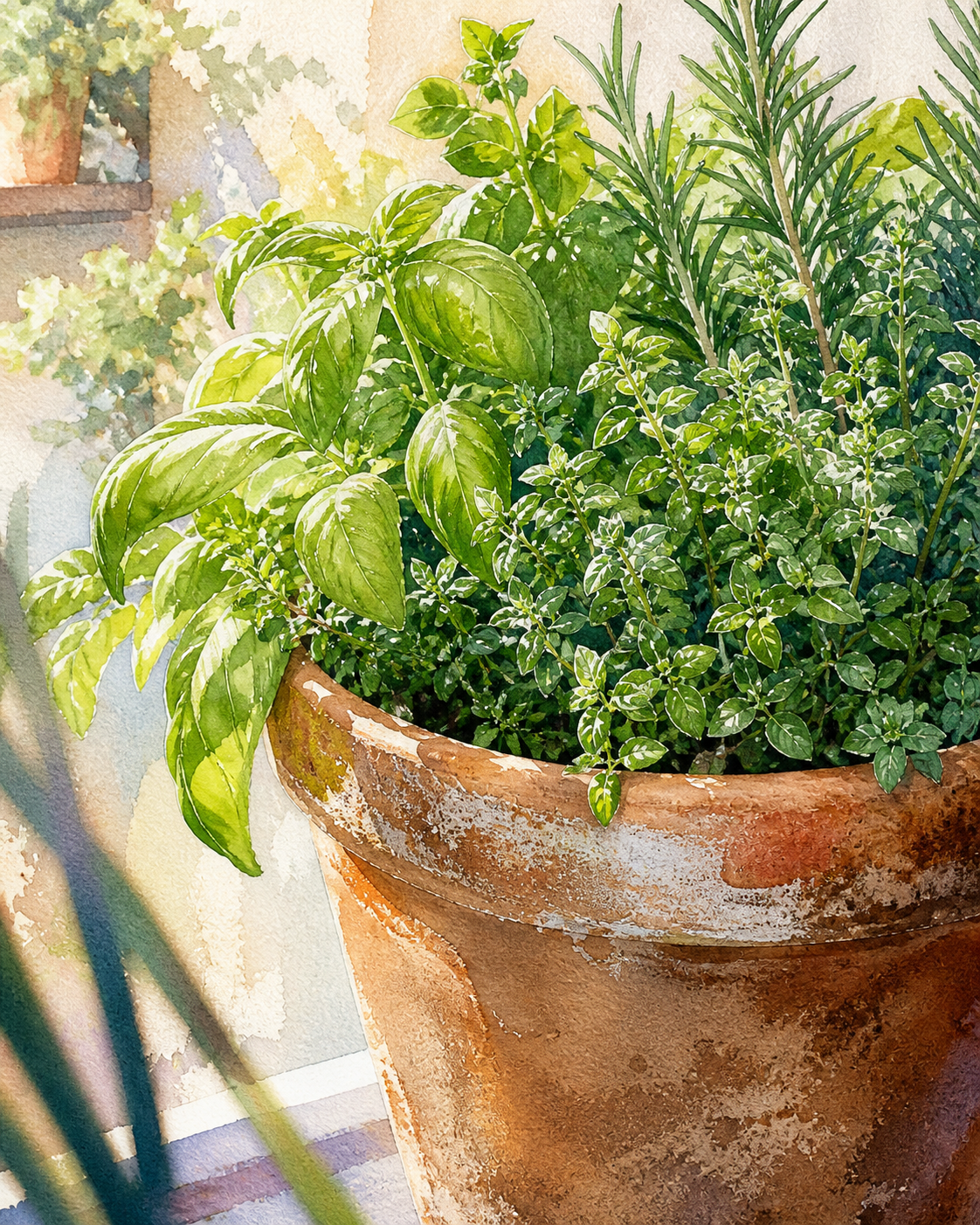
The Kitchen Garden's Emerald Cradle
Critique
1. Introduction This watercolor painting presents a vibrant and detailed study of various culinary herbs growing in a terracotta pot. The work focuses on the diverse textures and shades of green found in common plants such as basil and rosemary. It captures a sun-drenched moment, likely in a garden or on a windowsill, emphasizing the freshness and vitality of the botanical subjects. 2. Description A large, weathered terracotta pot dominates the lower half of the composition, its surface showing signs of age and mineral deposits. Emerging from the pot is a lush arrangement of herbs. Prominent basil leaves with glossy surfaces and visible veining occupy the left side, while tall, needle-like rosemary sprigs rise on the right. Smaller, variegated leaves fill the interstices, creating a dense tapestry of foliage. The background is rendered with soft, warm washes of light, suggesting a bright outdoor environment. 3. Analysis The artist employs a meticulous watercolor technique, utilizing layered glazes to achieve a rich range of greens. The play of light is central to the piece, with bright highlights on the basil leaves contrasting against the deeper shadows within the herb cluster. The texture of the terracotta pot is particularly well-rendered, using dry brush techniques or stippling to suggest a rough, porous surface. The composition is balanced, with the verticality of the rosemary offsetting the broad curves of the basil. 4. Interpretation and Evaluation This painting successfully evokes a sensory experience of a kitchen garden. The technical proficiency in capturing different leaf structures—from the broad and soft to the thin and rigid—demonstrates a high level of botanical observation. The lighting adds a layer of optimism and warmth to the scene, elevating a simple domestic subject into a compelling visual narrative. The choice of a weathered pot adds a sense of time and continuity, suggesting a well-tended garden. 5. Conclusion Through its careful attention to detail and light, the work celebrates the beauty of small-scale nature. The initial impression of a simple pot of herbs is replaced by an appreciation for the complexity of plant forms and the subtle interplay of light and shadow. It is a technically sound and aesthetically pleasing work that effectively uses the watercolor medium to convey life and light.
Same Subcategory
 The Peak Where Seasons Meet
Similar Artworks
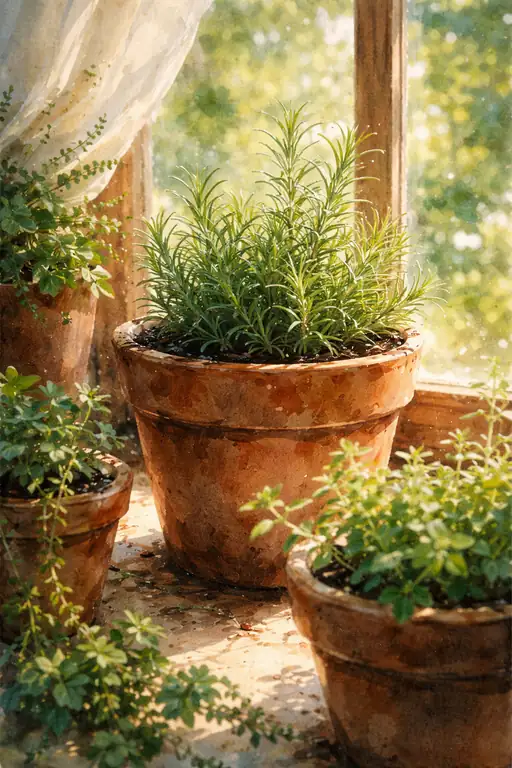 A Quiet Morning with Rosemary
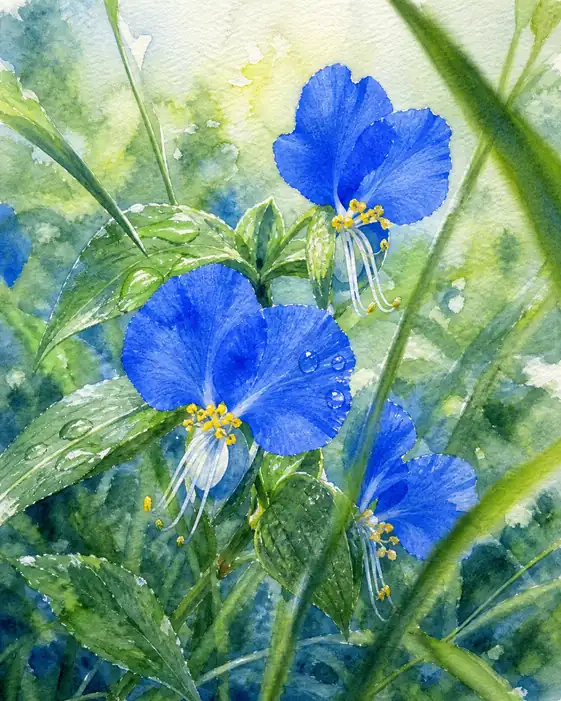 The Azure Soul of Morning
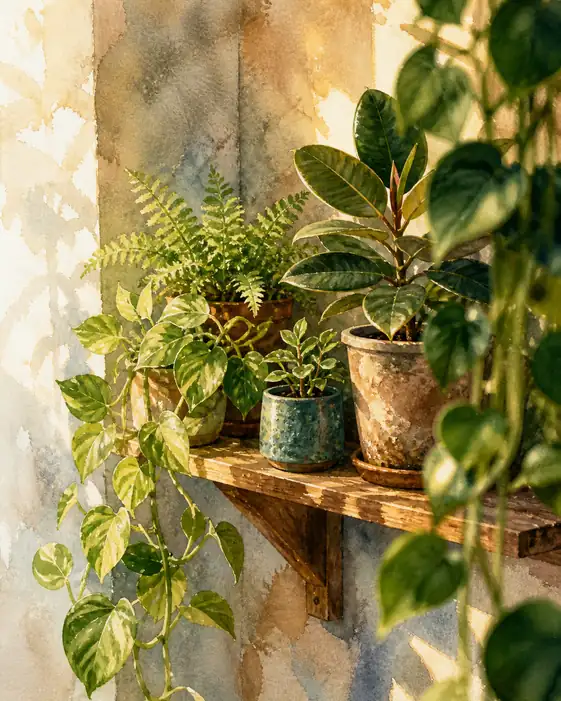 The Verdant Shelf of Morning Grace
 Solitude in the Whispering Woods
 Lace of the Ancient Forest
 Awakening of the Tiny Stars
 Luminous Whispers of Early Summer
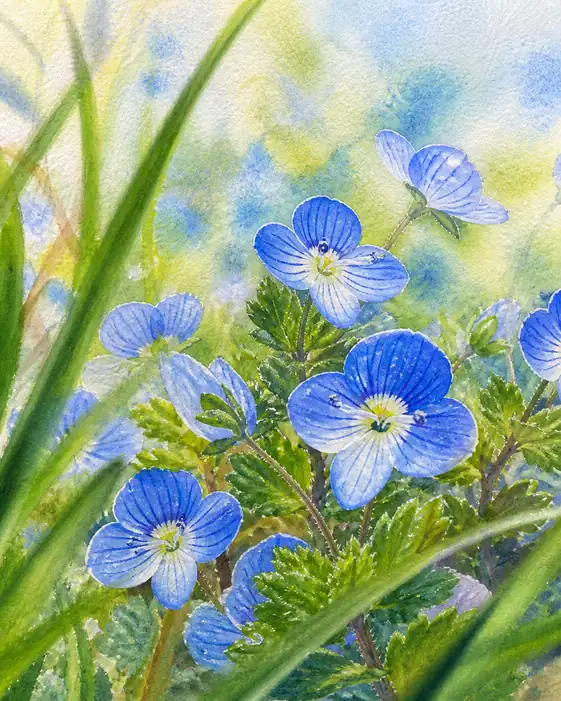 Sky Fragments in the Grass
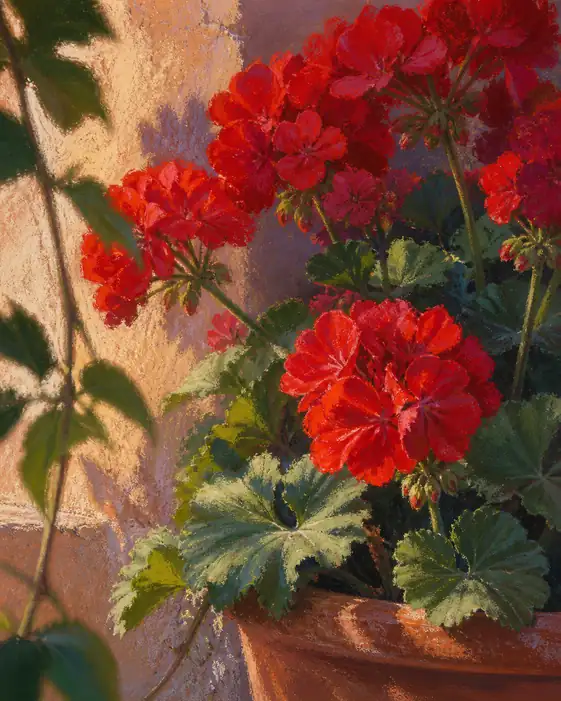 A Song of Red in the Sunlight
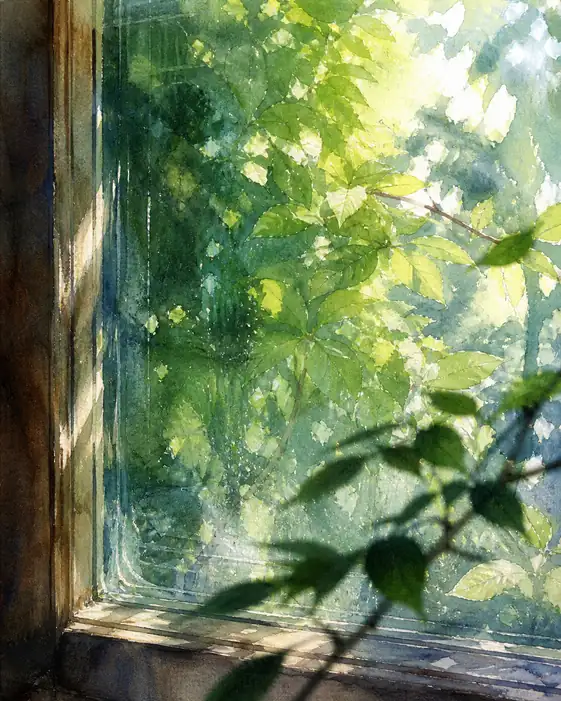 Verdant Portal to Summer Light