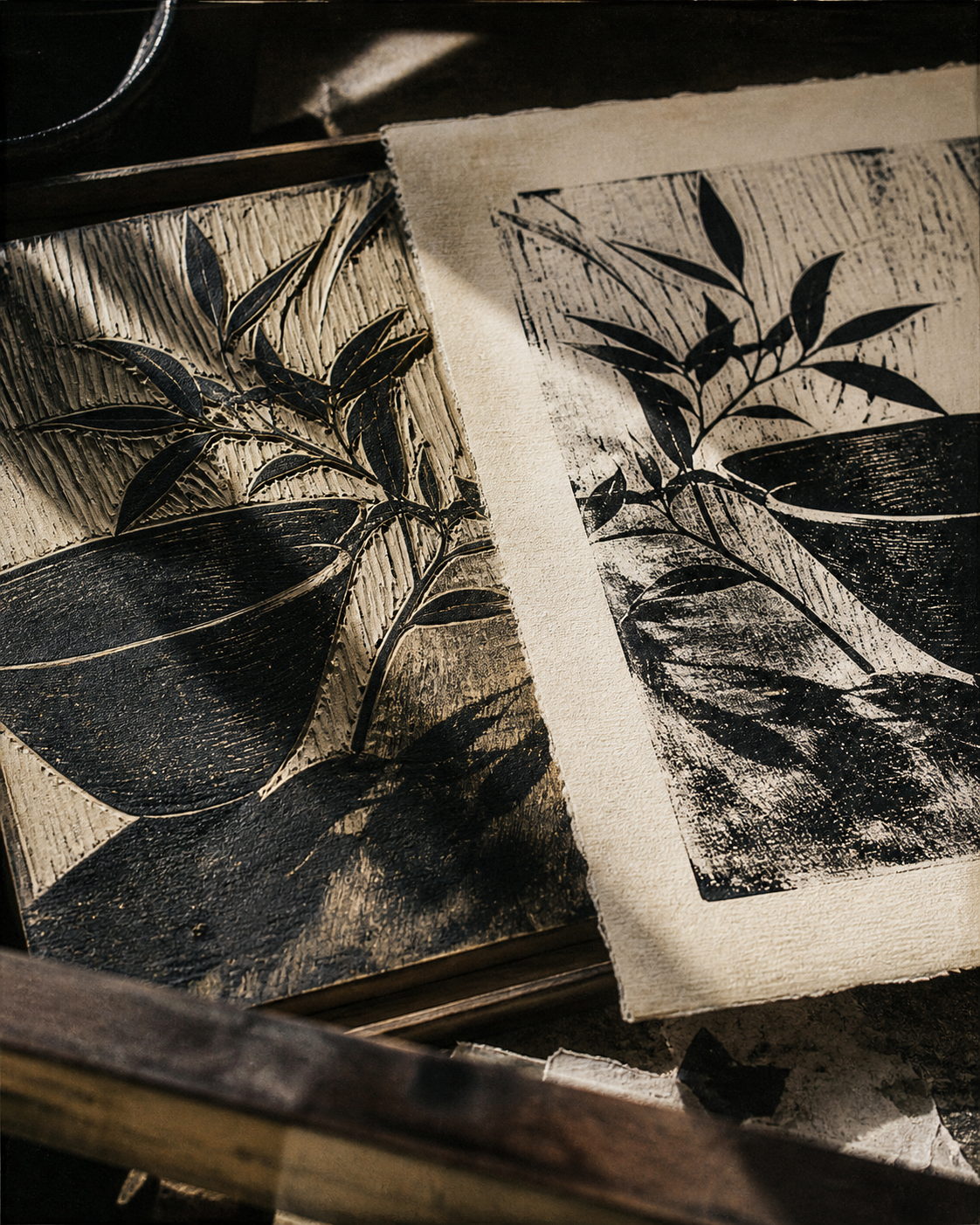
Birth of a Vision in Wood
Critique
1. Introduction This still life painting takes a meta-perspective, focusing on the process of woodblock printing. The scene presents a freshly carved block alongside its printed counterpart, simultaneously showcasing the breath of manual labor and the intrigue of reproductive art. It is a compelling composition that captures the beauty of traditional craft through a lens of modern realistic technique. 2. Description On the left side of the frame lies the printing block, still retaining traces of black ink. The surface is etched with powerful chisel marks, revealing a motif of leafy branches and soft, curved forms. Overlapping on the right is a piece of paper, likely washi, which displays the crisp black impression of the design. Both elements rest on a wooden workbench, illuminated by a strong light from the upper left that casts a sharp diagonal shadow across the paper. Scraps from the creative process are scattered around, adding to the workshop atmosphere. 3. Analysis The color palette is dominated by the stark black of the ink and the earthy beige and brown tones of the paper and wood, emphasizing the strength of the forms. Minute details, such as the uneven texture of the block, wood shavings, and the grain of the paper, are rendered with obsessive precision, heightening the sense of materiality. The composition is built on a diagonal axis formed by the two overlapping rectangles, instilling a dynamic rhythm into the static scene. The high contrast between light and shadow effectively defines the spatial depth. 4. Interpretation and Evaluation This work goes beyond merely documenting a print; it expresses the temporal flow between the act of carving and the result of printing. The artist's exceptional representational skill evokes the viscosity of the ink and the hardness of the wood, strongly stimulating the viewer's tactile senses. By meticulously reproducing the individual chisel strokes on the block, the artist conveys a deep respect for the creative process. It is a highly original expression that elevates a craft-based subject into the realm of painterly realism. 5. Conclusion Through detailed observation and masterful technique, the artist succeeds in rediscovering the primal power inherent in traditional woodblock printing. By juxtaposing the source block with the final print, the work captures the very moment beauty is born. While the viewer's initial attention may be drawn to the printed design, the complex expressions found within the carved marks of the block eventually become the most captivating element of the piece.
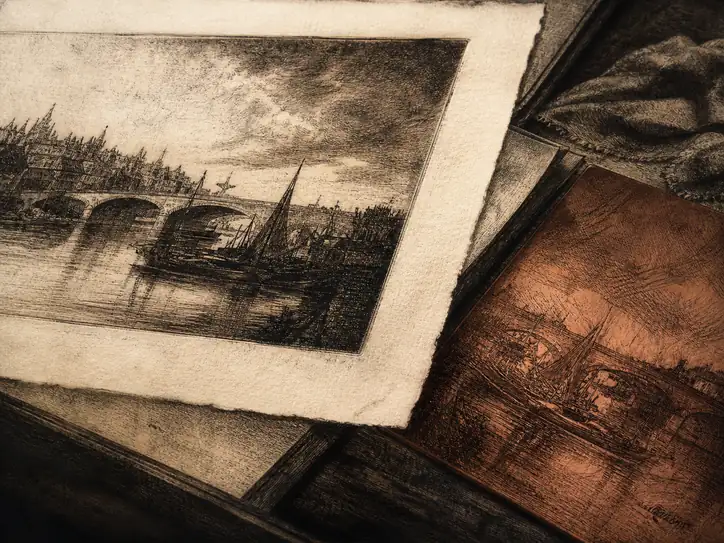 The Cradle of Etched Time
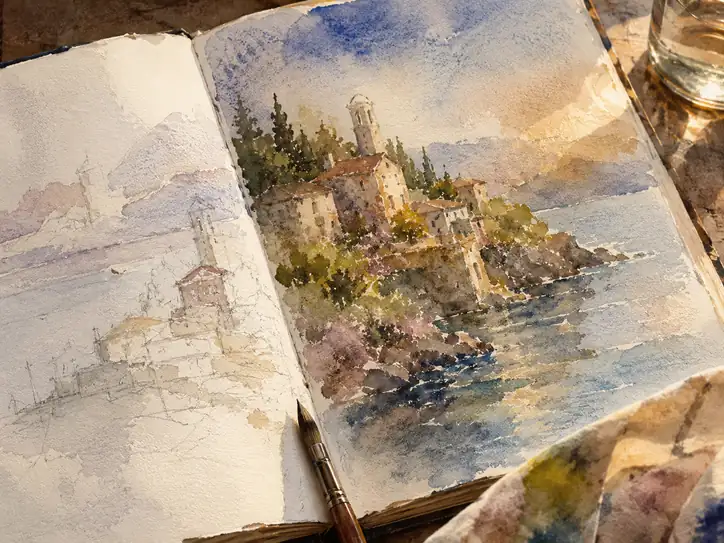 Azure Memories: The Unfolding Page
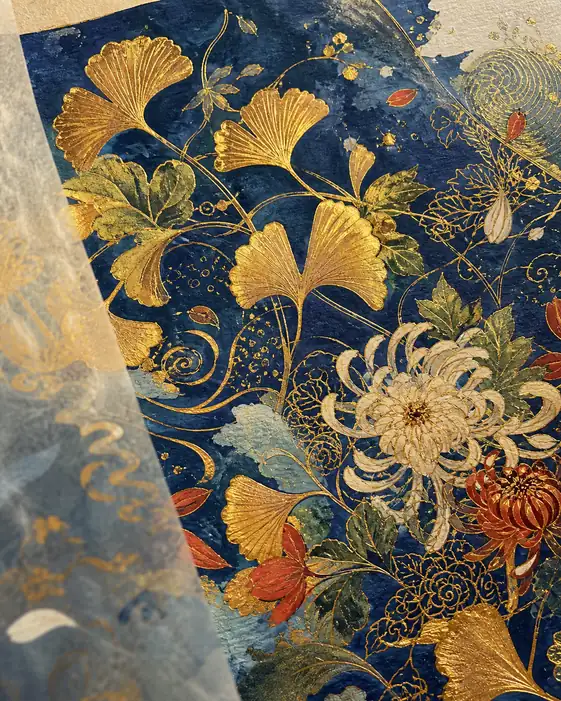 Symphony of the Golden Ginkgo
 Spring Plum Blossom and Sparkling Glass
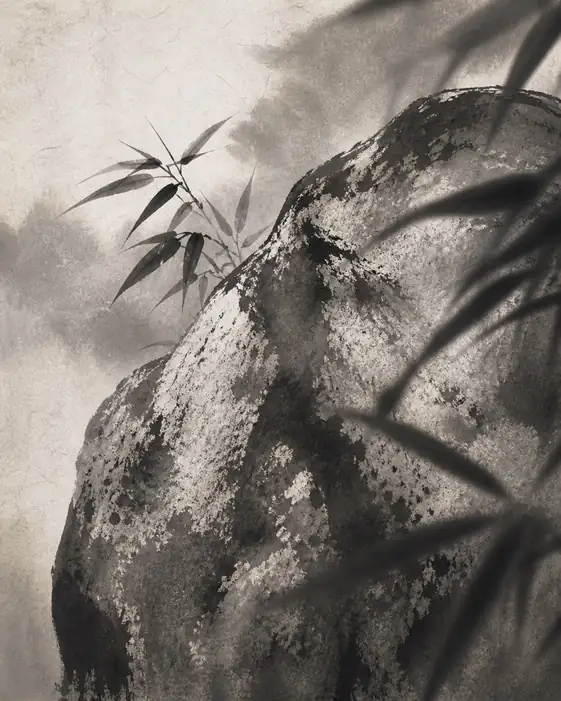 Dance of Ink and Mist
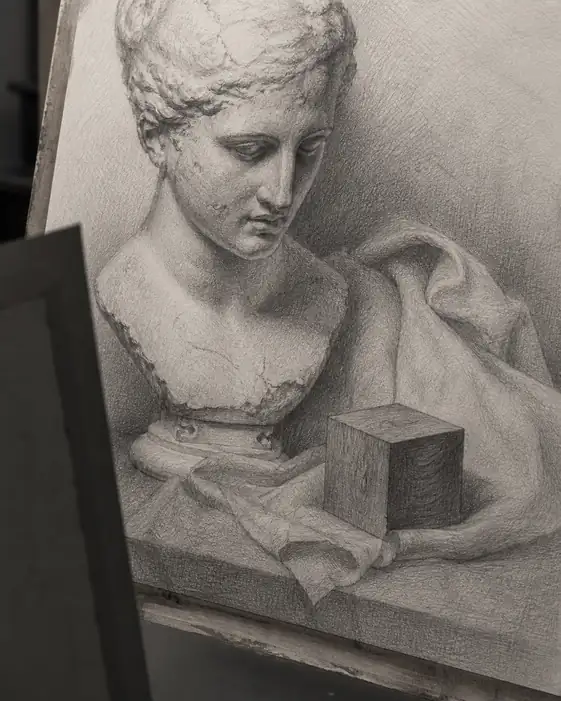 Melancholy of the White Stone
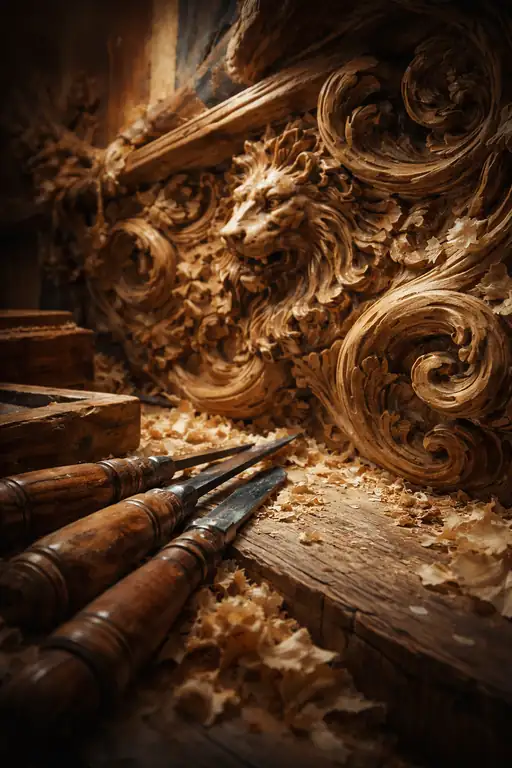 Breath of the Timber
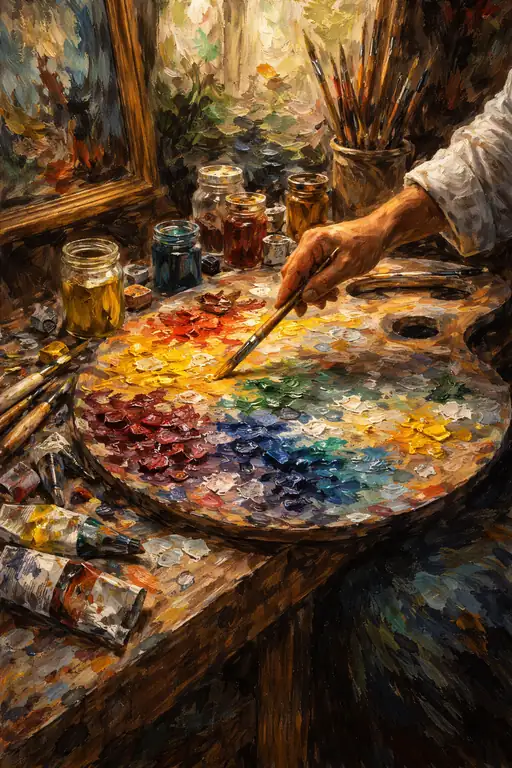 Genesis of a Masterpiece
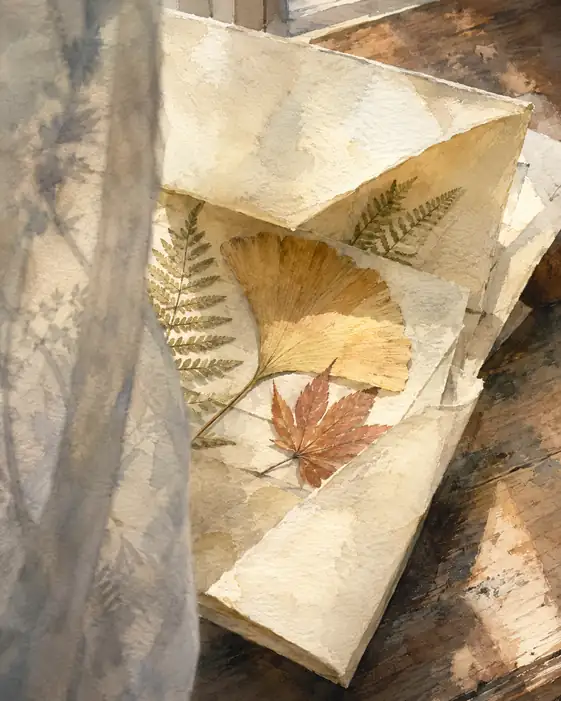 The Fragile Ink of Seasons Past
 The Gentle Alchemy of Creation
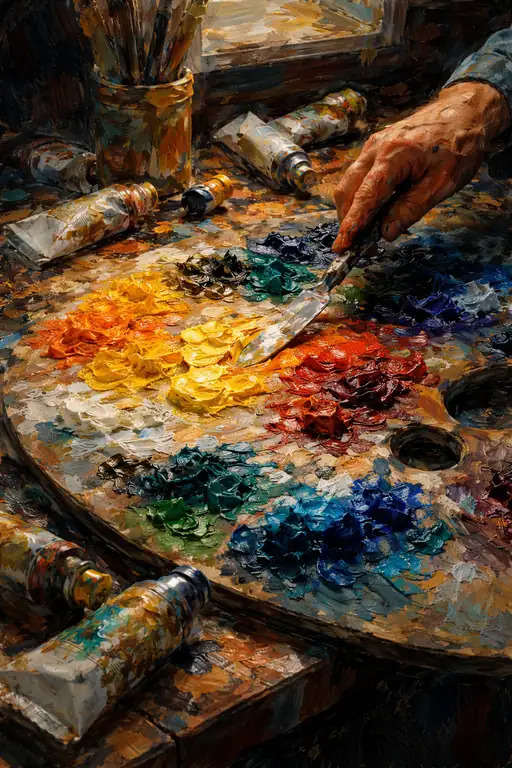 The Alchemist of Pigments