
True North of the Soul
Critique
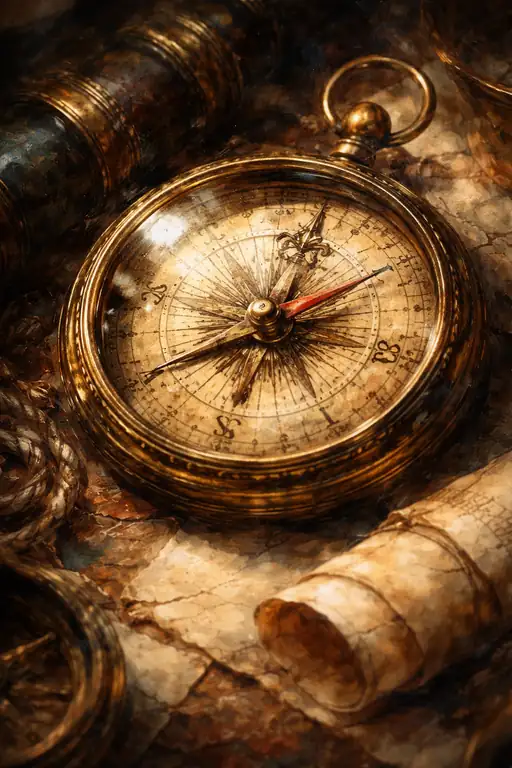
1. Introduction This piece presents a meticulously detailed close-up of an antique compass, rendered in warm earth tones. By focusing tightly on the compass rose, the artwork draws the viewer into the mechanics of historical navigation. The composition relies on geometric precision and organic textures, creating an intimate study of a scientific instrument. 2. Description The composition is dominated by a compass set within a brass-colored ring. The central dial features a multi-pointed star with alternating segments of gold and deep indigo. A slender needle points across a textured, parchment-like background marked with concentric circles. In the lower-left foreground, a blurred diagonal element cuts across the frame. 3. Analysis The artist employs a highly textured technique, with visible strokes suggesting colored pencils. This method gives the surface a granular quality, enhancing the antique aesthetic. The color palette contrasts complementary hues of golden ochre and deep blue. The blurred foreground material creates a shallow depth of field, forcing focus onto the central pivot. 4. Interpretation and Evaluation The compass serves as a timeless symbol of guidance and discovery. The extreme close-up transforms this functional tool into an object of geometric meditation, highlighting the beauty in historical scientific design. The contrast between rigid lines and soft foreground materials emphasizes the intersection of engineering and the physical world. The technical execution is commendable. 5. Conclusion Ultimately, this artwork is a compelling exploration of texture, geometry, and historical symbolism. By magnifying the details of a navigational instrument, the artist invites quiet contemplation. The work successfully bridges technical illustration and expressive still life, leaving a lasting impression of elegant, purposeful design.
Same Subcategory
Similar Artworks
 The Eye of Endless Wonder
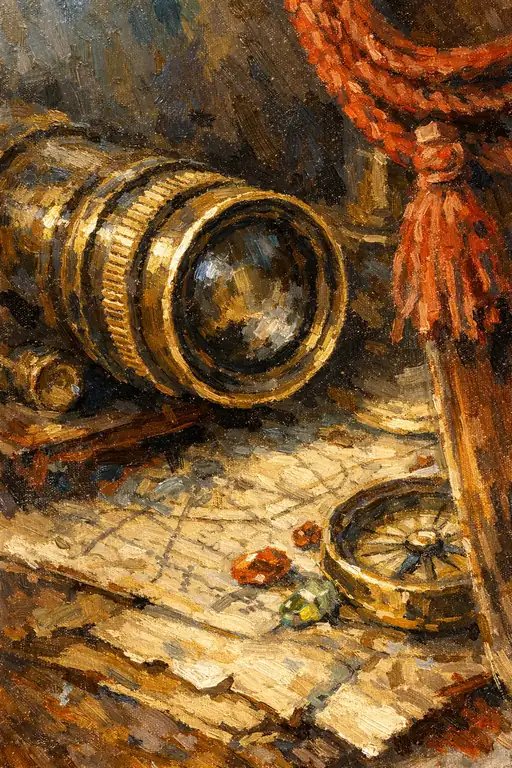 Fragments of a Broken Dream
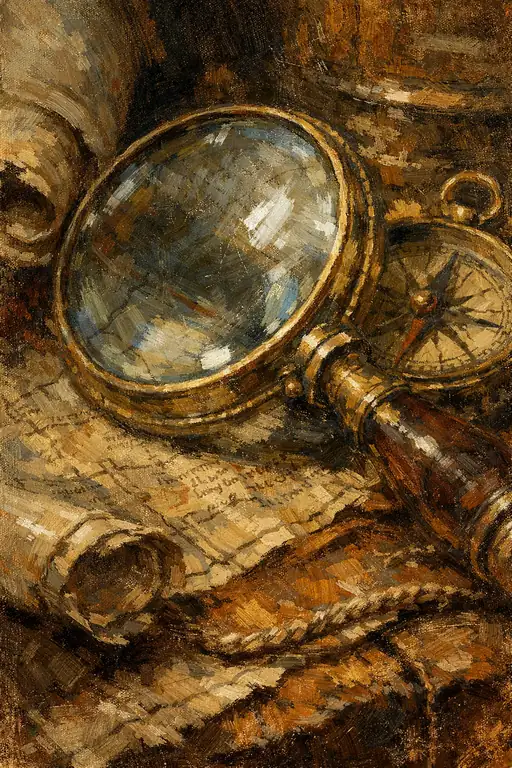 The Navigator's Golden Dream
 Secrets the Key Protects
 Cradling the Eye of Memory
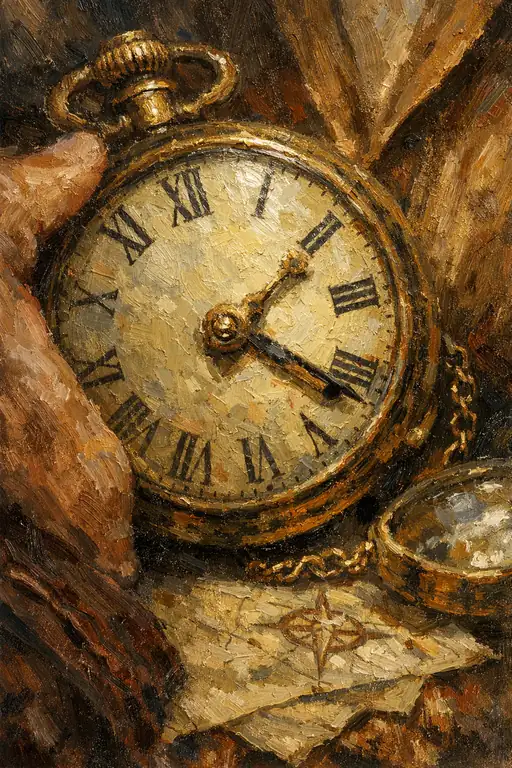 A Journey Guided by the Compass of Memories
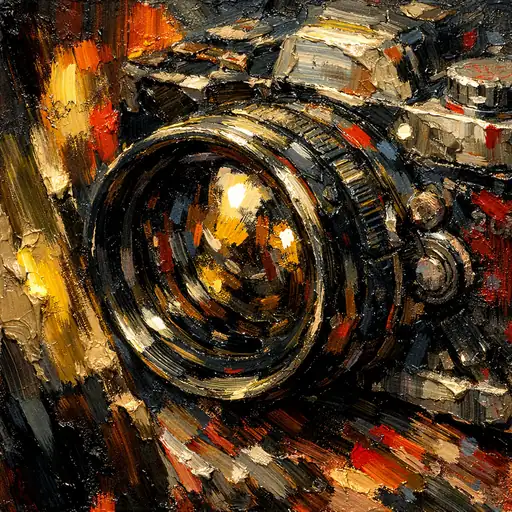 The Mechanical Eye That Captures Time
 The Transient Sun Caged in Glass
 The Compass that Knows My Heart's Direction
 The Quiet Resonance of Creation