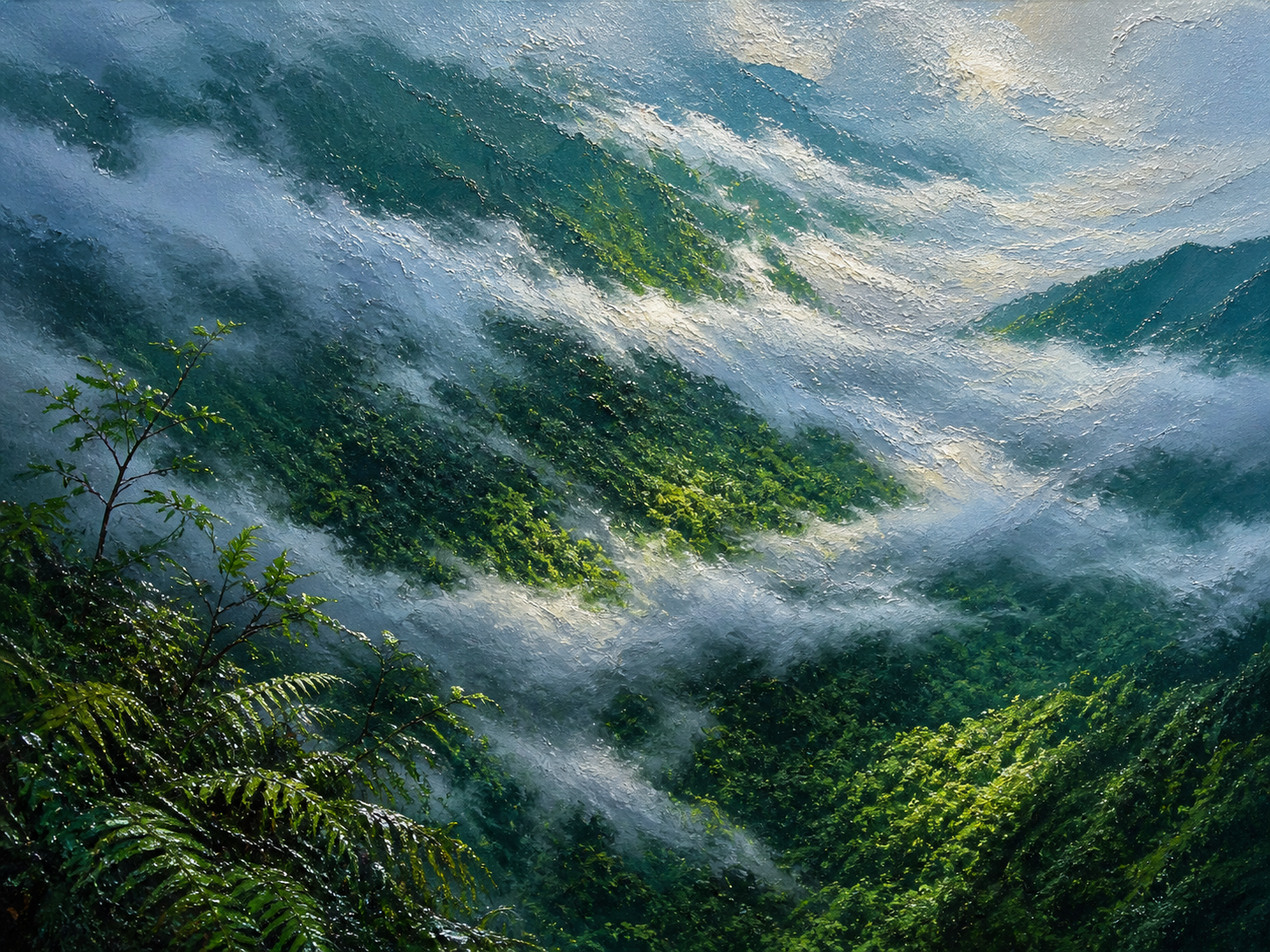
Symphony of the Shrouded Valleys
Critique
Introduction The artwork presents a lush mountain landscape where dense forests are partially veiled by undulating layers of white mist. It captures the vibrant energy of a humid wilderness, focusing on the dynamic interplay between the solid earth and the fluid atmosphere. The diagonal composition and distinctive texture draw the viewer into the mountains, creating a sense of mystery. Description Stretching diagonally across the canvas, the mountain slopes are covered in a rich tapestry of green foliage. A thick, opaque mist crawls across the terrain, its physical presence emphasized by heavy paint application. In the immediate foreground, detailed ferns appear glistening and wet, while dappled sunlight illuminates patches of the forest, creating a vivid contrast of light and shadow. Analysis The most striking formal element is the extensive use of impasto, particularly in the mist, which possesses a sculptural quality. This material thickness allows light to reflect in complex ways, adding tangible depth to the scene. The diagonal thrust establishes a powerful directional flow, while staccato brushstrokes throughout the forest represent light catching the myriad leaves. Interpretation and Evaluation The painting succeeds in visualizing the tactile qualities of the forest, such as its internal heat and moisture. The artist interprets nature as a field of constant transformation and surging energy, displaying a unique creative vision. By granting the amorphous mist a strong physical substance, the work demonstrates a masterly command of the medium and an emotional connection to the subject. Conclusion The depiction of the fog-shrouded forest invites the viewer to reflect on the cyclical patterns of life and the harmony of the ecosystem. Engaging with the vigorous brushwork leads to a contemplation of the earth’s rhythmic vitality. Ultimately, the work stands as a compelling piece that breathes a new dimension of life into the mountain landscape.
Same Subcategory
Similar Artworks
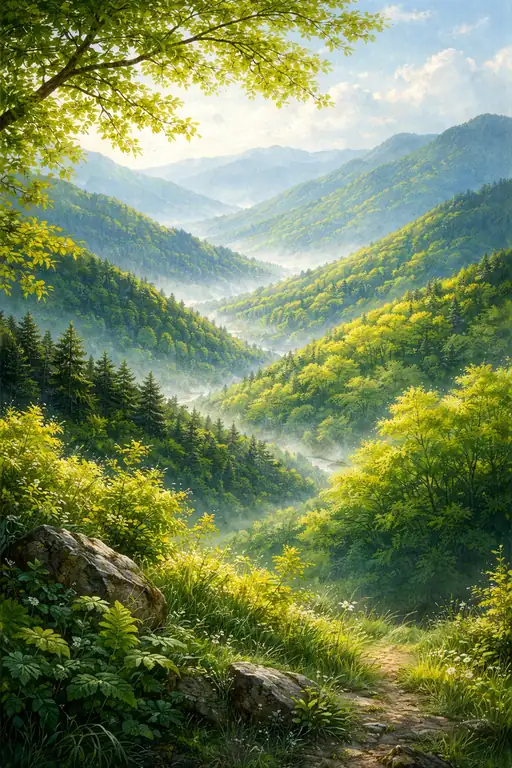 Veiled Valley's Quiet Majesty
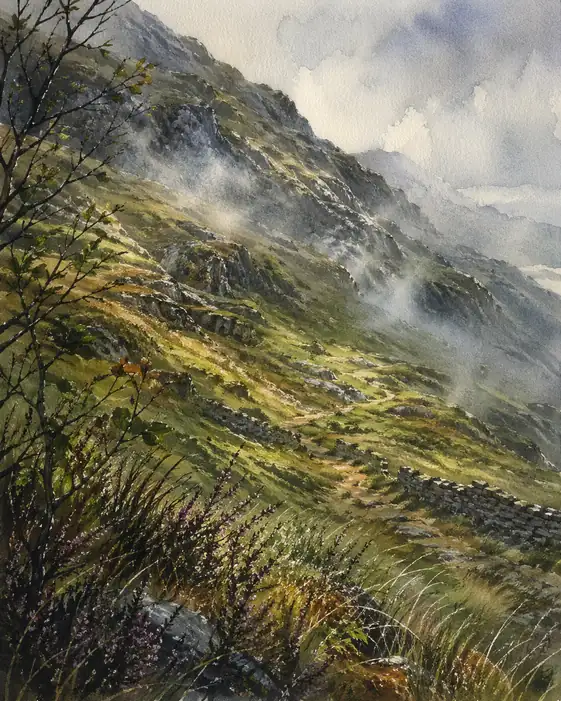 Misty Highland Path
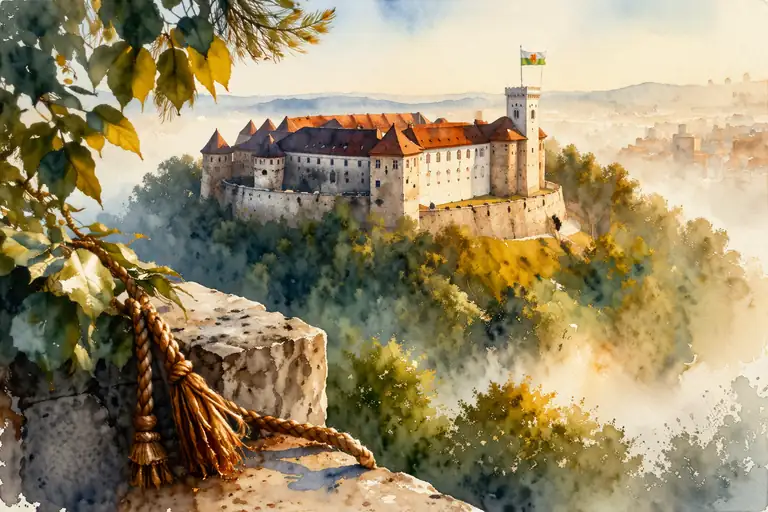 The Timeless Castle Enveloped in Morning Mist
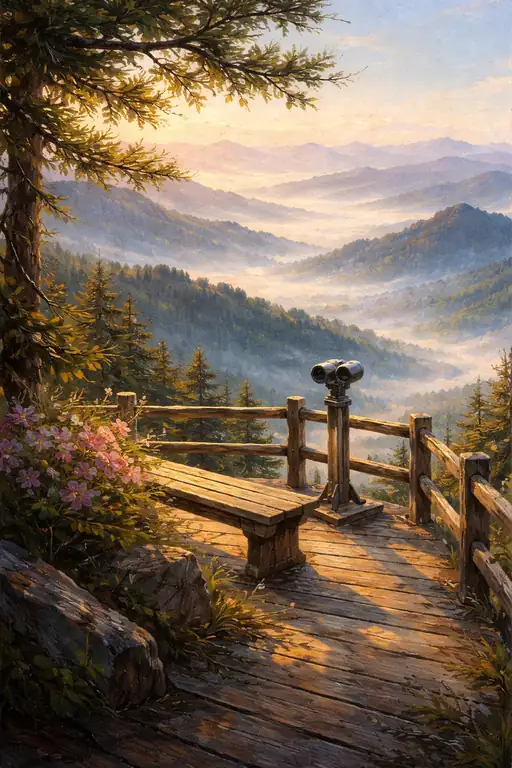 Serenity Above the Morning Mist
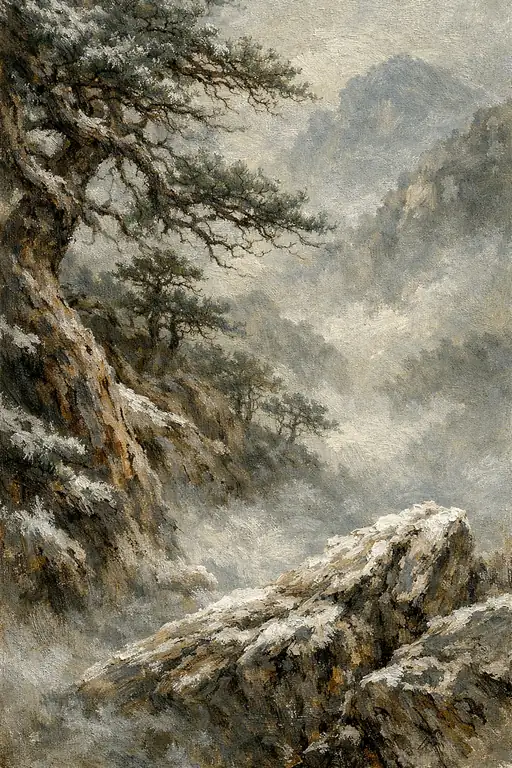 Frost's Silent Sentinel
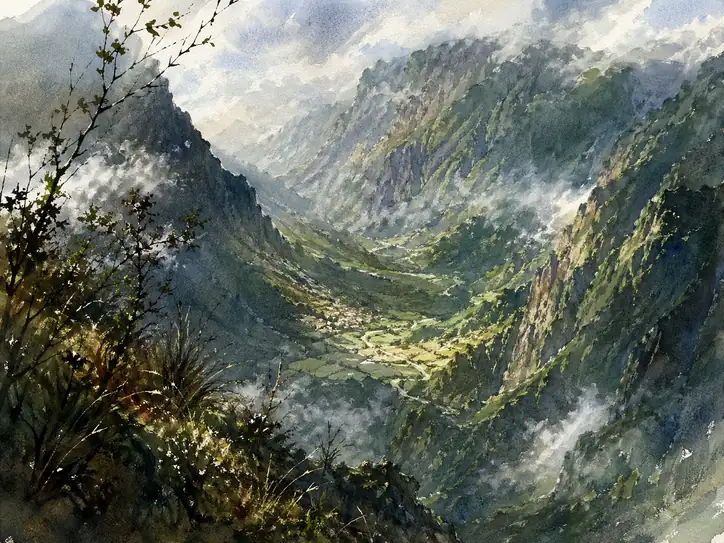 The Prayer of the Mist-Clad Peaks
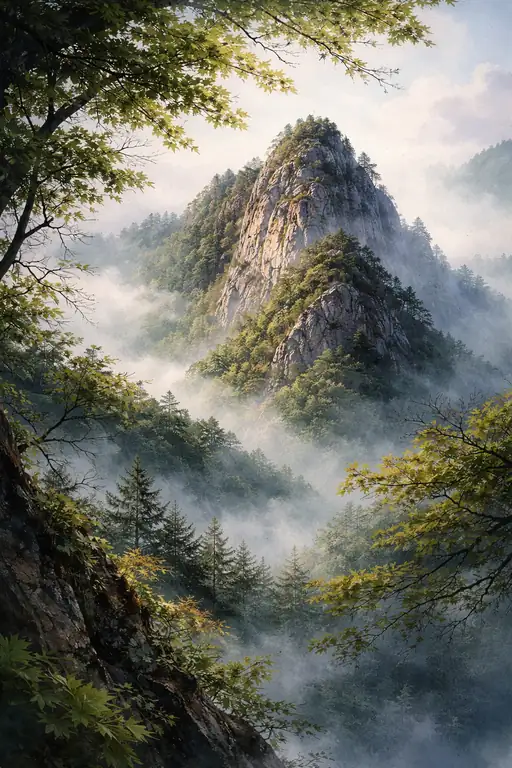 Echoes from the Fog-Kissed Peak
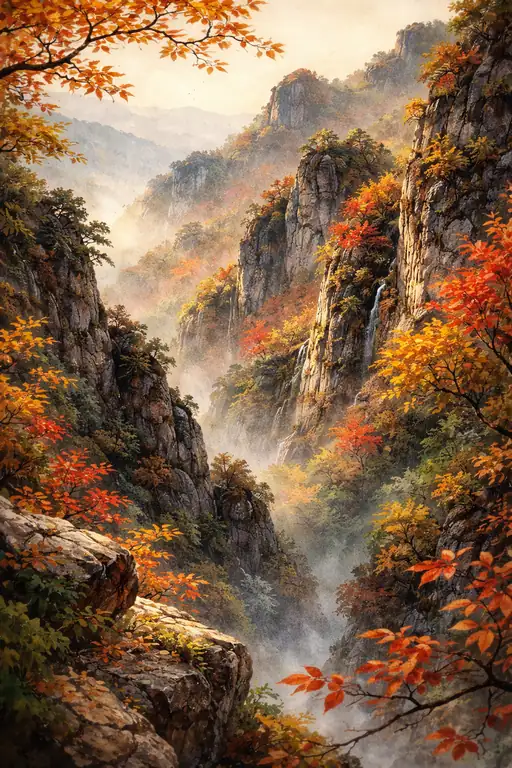 Whispers of the Eternal Autumn Mist
 Crimson Speed: Shiny Red Sports Car
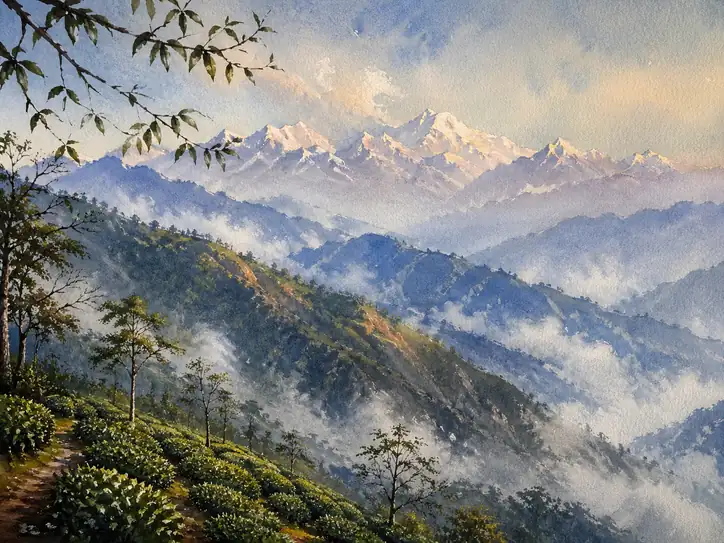 Where Earth Touches the Heavens