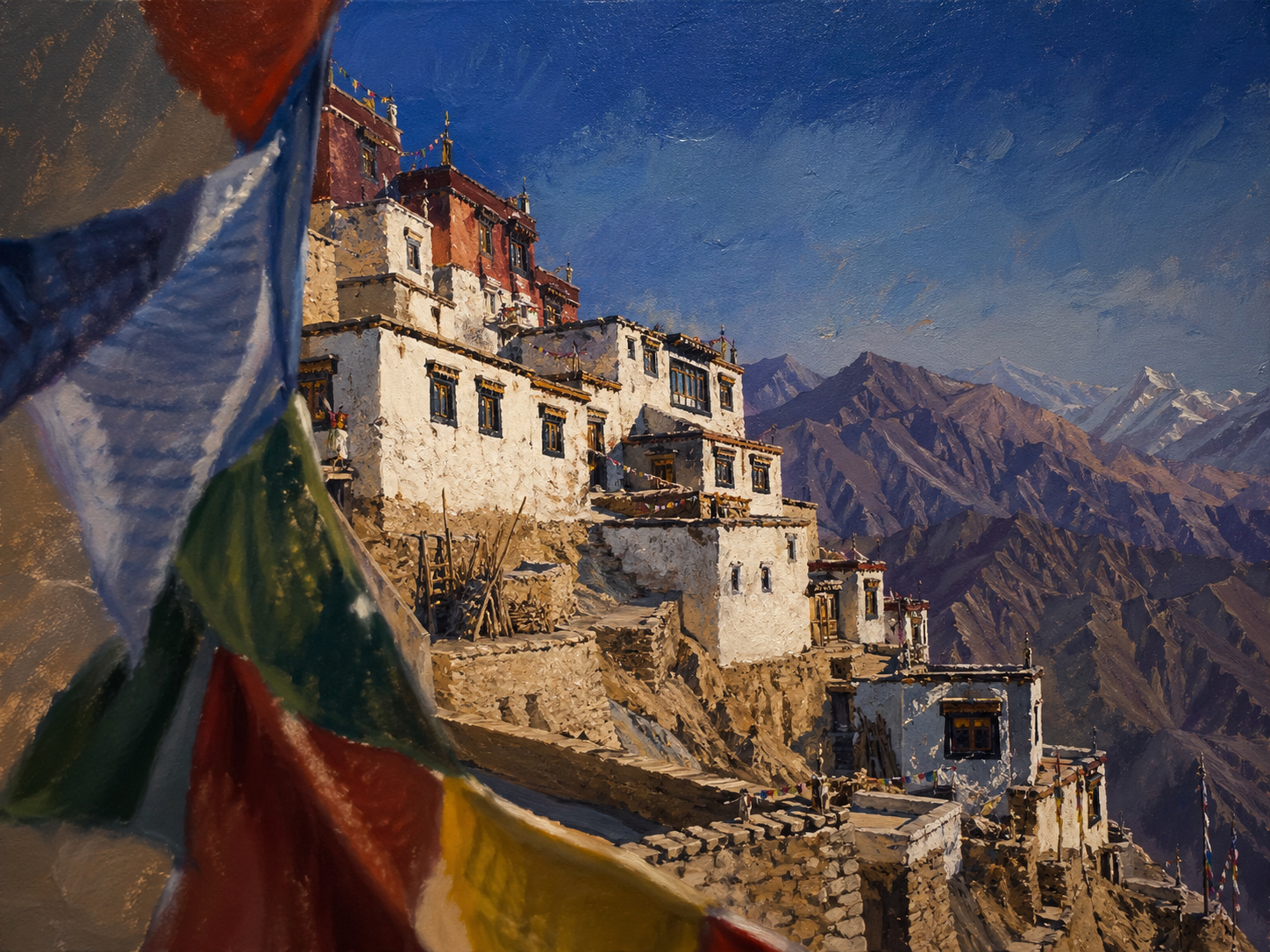
Winds of Prayer on the Silent Ridge
Critique
Introduction This evocative oil painting captures a high-altitude monastery or village perched precariously on a rugged mountainside, characteristic of Himalayan architecture. The work immediately establishes a sense of place through its dramatic use of light and the inclusion of traditional prayer flags in the immediate foreground. Description The composition is dominated by multi-story, white-washed buildings with small, dark windows and flat roofs, clustered along a steep incline. In the foreground, blurred prayer flags in vibrant shades of blue, white, red, yellow, and green flutter into the frame, suggesting movement and a high-altitude wind. Behind the architecture, a vast range of barren, sun-drenched mountains extends toward a brilliant, deep blue sky. Analysis The artist utilizes a thick, impasto technique that emphasizes the rugged texture of the stone walls and the surrounding terrain. The strong contrast between the bright white surfaces and the deep, cast shadows creates a powerful sense of three-dimensionality and the intensity of high-altitude sunlight. The diagonal placement of the buildings on the slope guides the eye upward toward the distant, jagged peaks. Interpretation and Evaluation The painting successfully conveys the resilience and spiritual devotion required to live in such a demanding environment. The vibrant prayer flags serve as a poignant symbol of faith and tradition against the stark, immense backdrop of nature. The technical execution is bold and confident, particularly in the handling of light and the expressive brushwork that brings a sense of energy to the scene. Conclusion This piece is a compelling study of architectural harmony within an extreme natural setting, captured with a visceral sense of light and atmosphere. While the initial impression is one of stark isolation, the presence of the colorful flags adds a layer of human warmth and cultural depth to the monumental landscape.
Same Subcategory
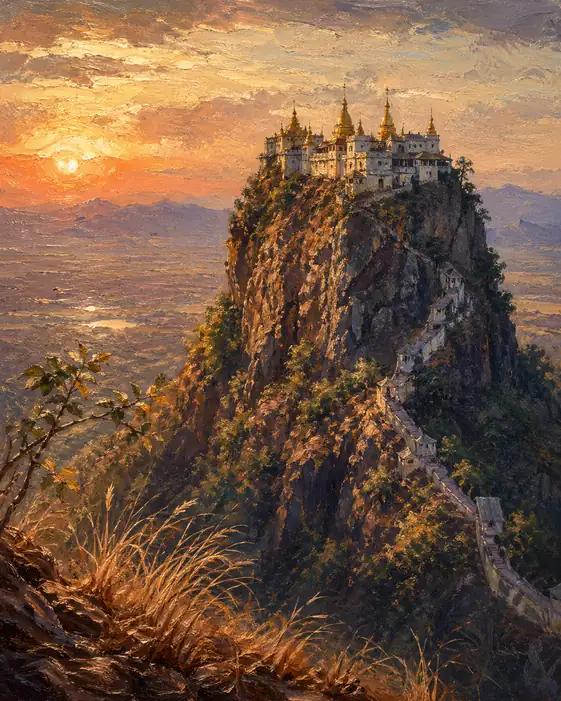
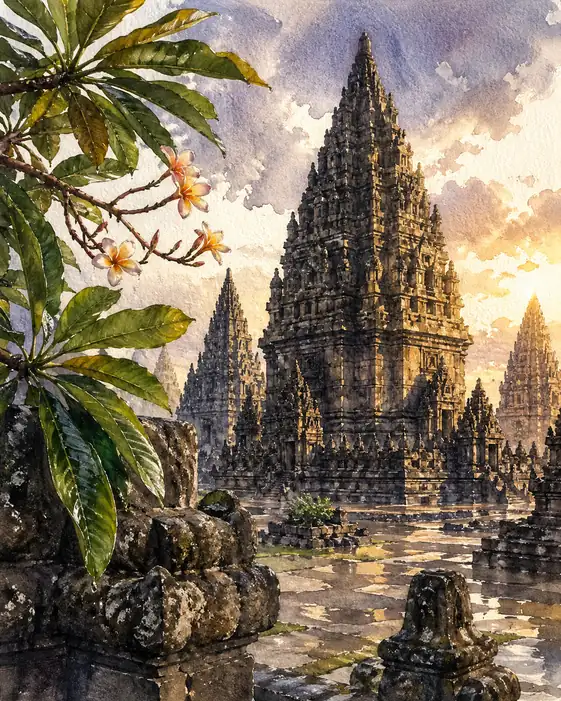 Divine Reflections: Sunset Over the Sacred Spires
Similar Artworks
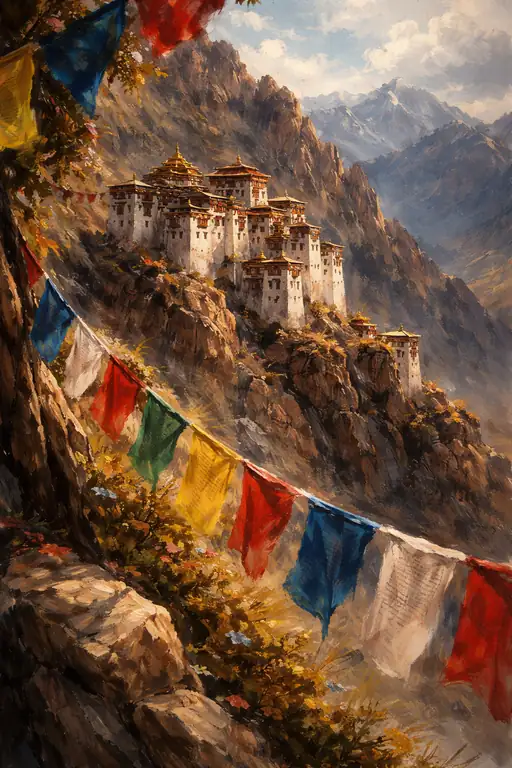 Sacred Serenity at the Edge of the Sky
 Whispers of Wind and Faith on the High Peaks
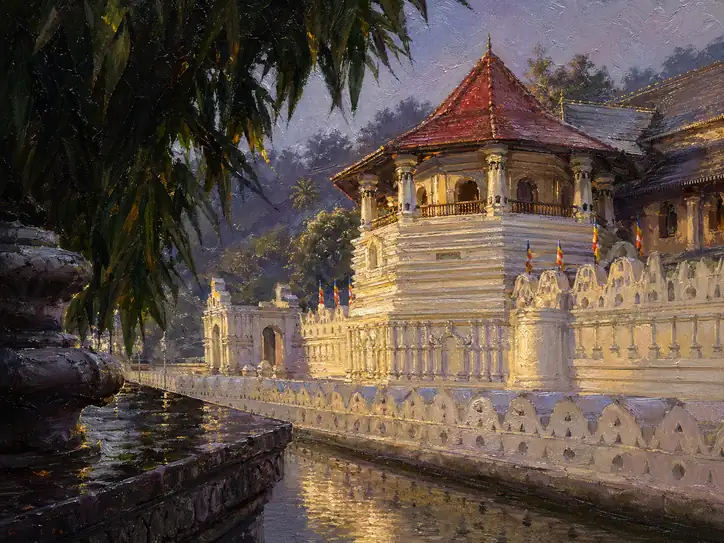 Reflections of Devotion: The Twilight Temple
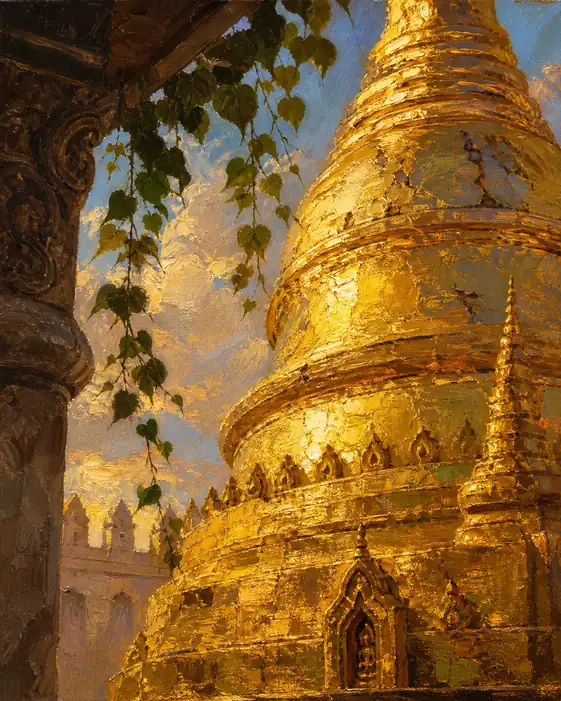 Golden Echoes of Devotion
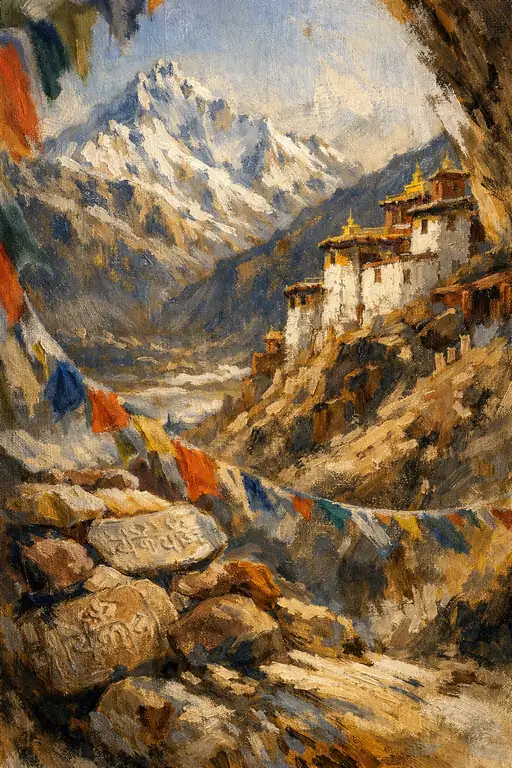 Whispers of the Wind and Snow
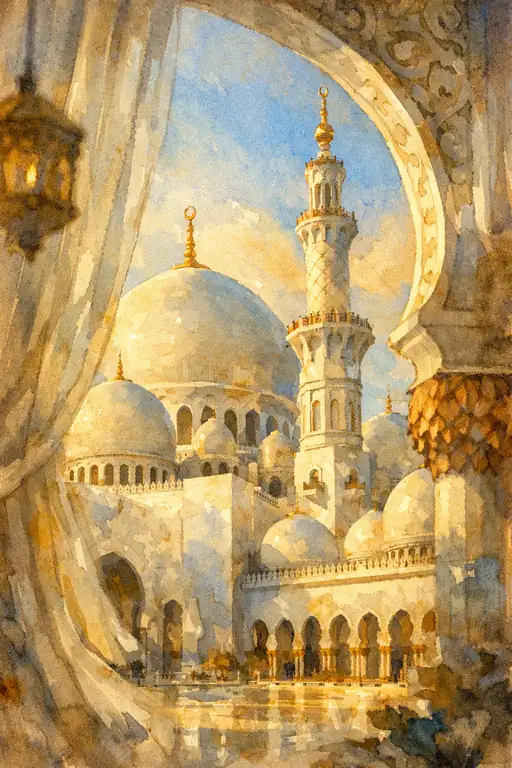 Veil of the Golden Sanctuaries
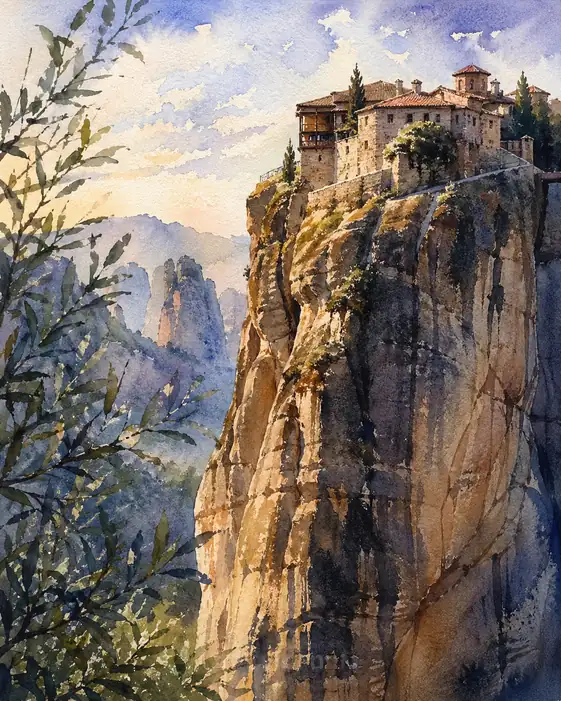 Sanctuary of the Sky-Bound Silence
 Where Silence Touches the Sky
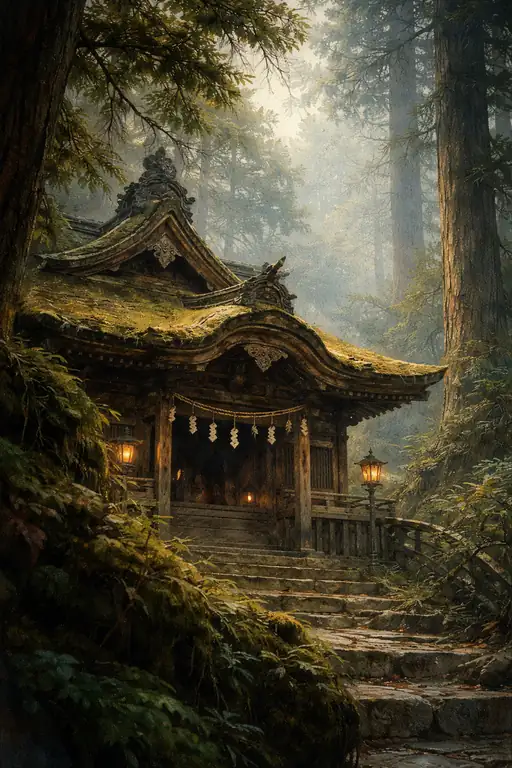 Sanctuary in the Shadows
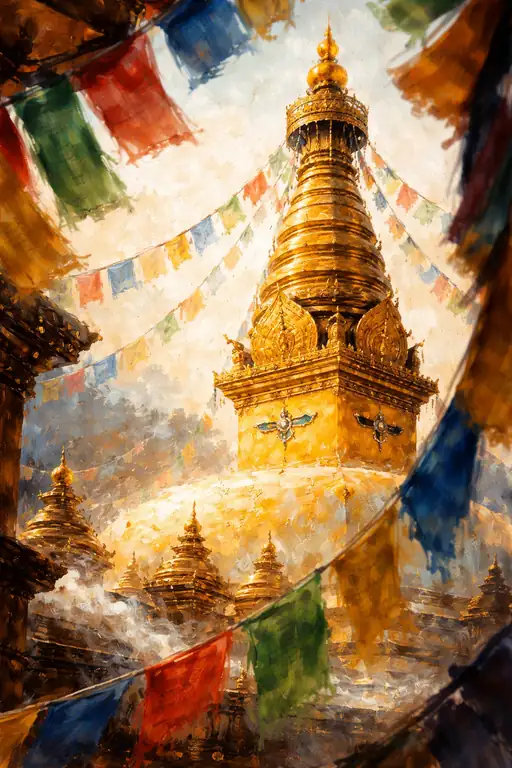 Breath of the Winds: The Golden Stupa's Radiant Prayer