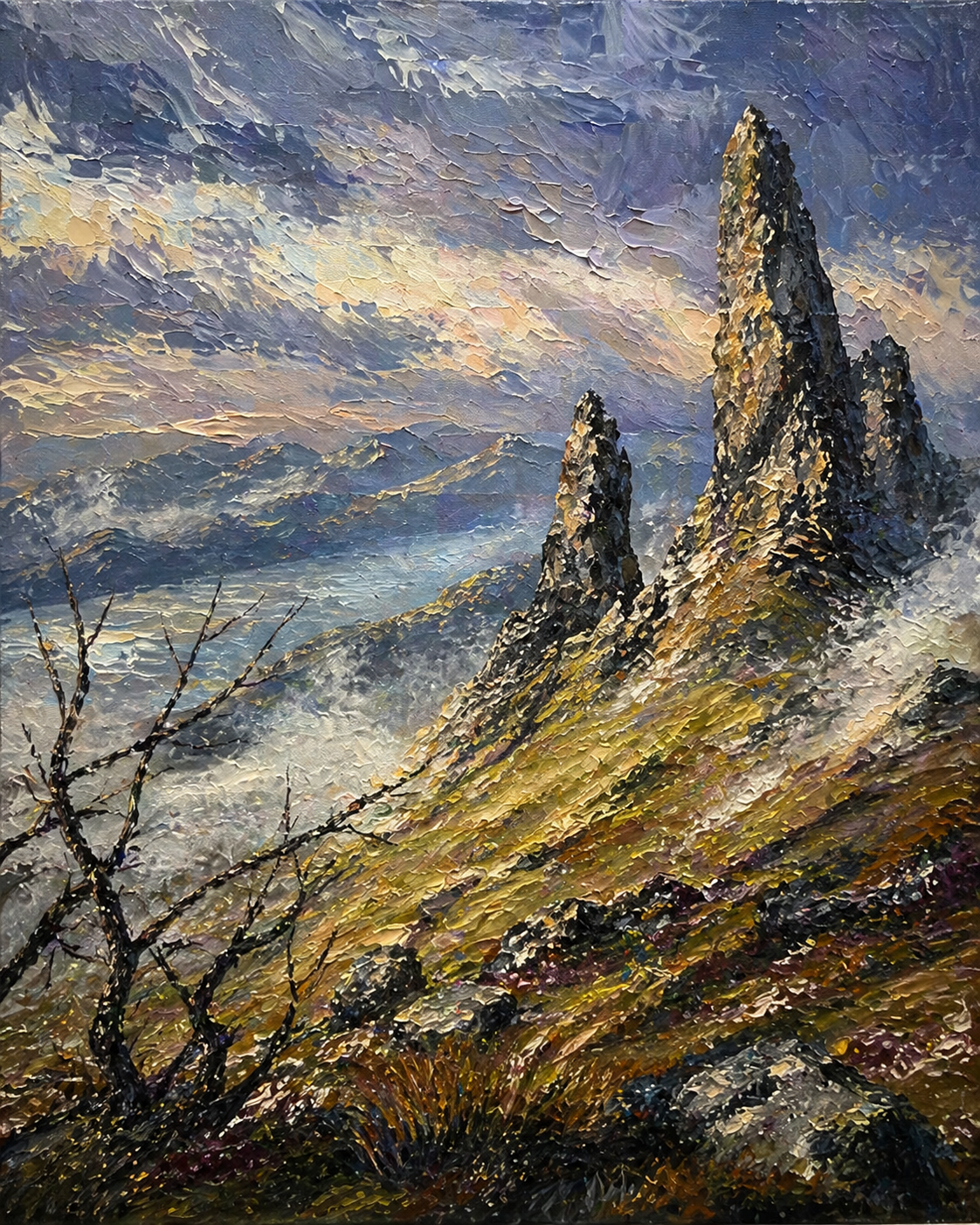
Awakening of the Ancients
Critique
1. Introduction This oil painting depicts a rugged mountainous landscape with dramatic peaks. The heavy impasto technique creates a powerful texture that conveys the sublime force of nature. In the composition, sharp rock formations dominate the right side, while a stark, withered tree stands in the left foreground. This arrangement establishes a silent yet intense atmosphere. 2. Description Examining the visual elements, three jagged pinnacles rise steeply, their surfaces illuminated in shades of yellow and brown. In the lower left, a dark, leafless tree extends its branches, adding tension to the scene. A sea of clouds blankets the midground, leading to distant purple mountain ranges beneath a sky filled with violet and gold hues. 3. Analysis The most striking formal quality is the thick application of paint, likely executed with a palette knife. This layered texture physically replicates the rough surface of the rocks. Coloristically, the contrast between the complementary purples and yellows generates visual energy. The verticality of the peaks opposed to the diagonal slope creates a dynamic sense of depth. 4. Interpretation and Evaluation The artwork transcends mere landscape representation, symbolizing the overwhelming power of the natural world. The contrast between the dead tree and the enduring stones reflects the transience of life versus eternity. The exceptional execution and masterful use of texture evoke profound emotions, demonstrating high artistic achievement in composition and color harmony. 5. Conclusion While initially overwhelmed by the aggressive brushwork, viewers gradually discover the meticulous compositional balance and delicate play of light. The painting successfully captures the raw beauty of the wilderness, offering a compelling contemporary vision. Ultimately, this evocative work leaves a lasting impression, deepening our respect for the natural environment.
Same Subcategory
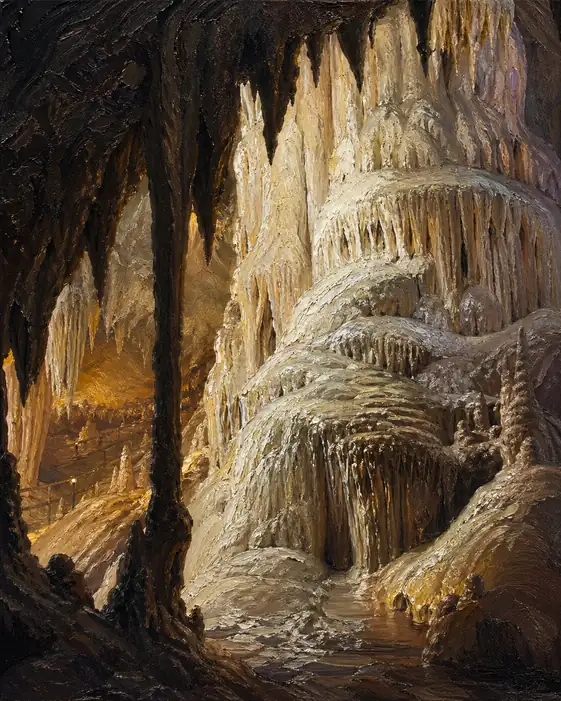 Cathedral of the Deep Earth
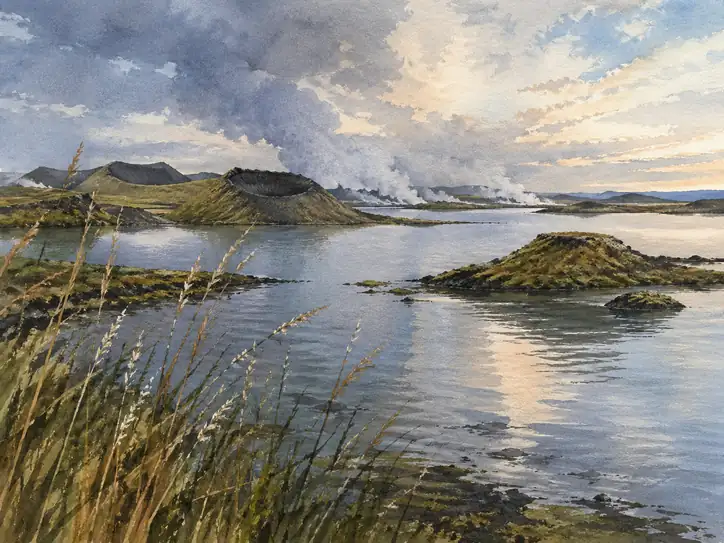 Breath of the Sleeping Earth
Similar Artworks
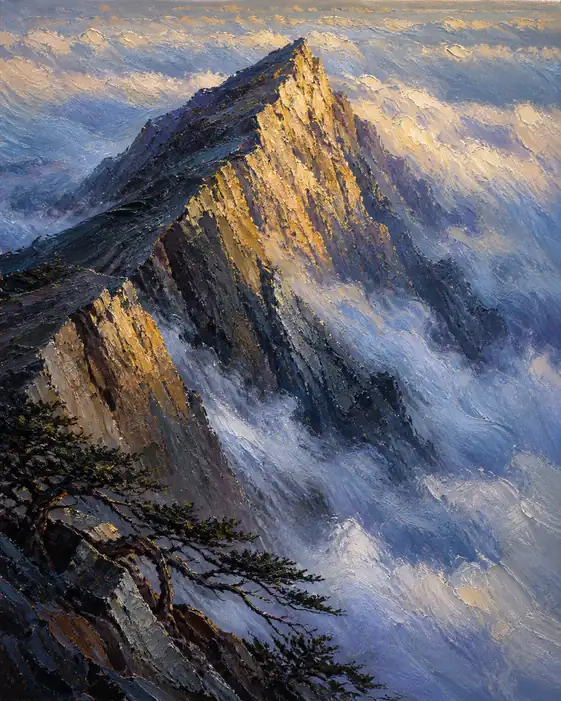 Sovereign of the Sea of Clouds
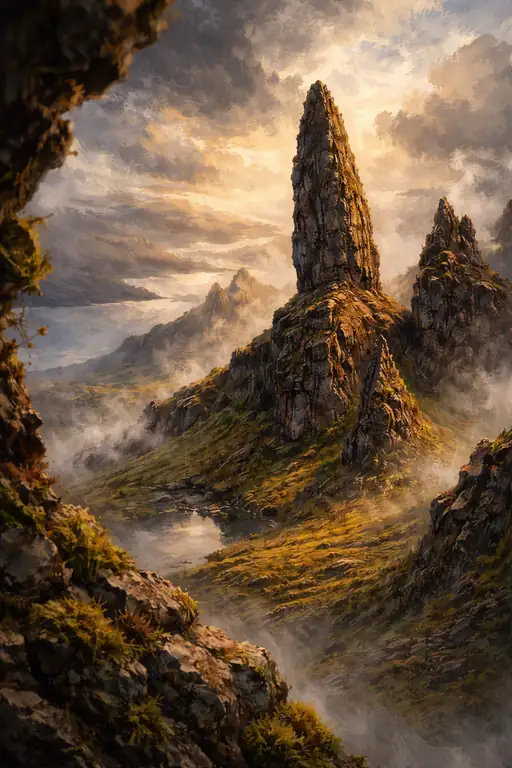 Silent Majesty of the Jagged Peaks
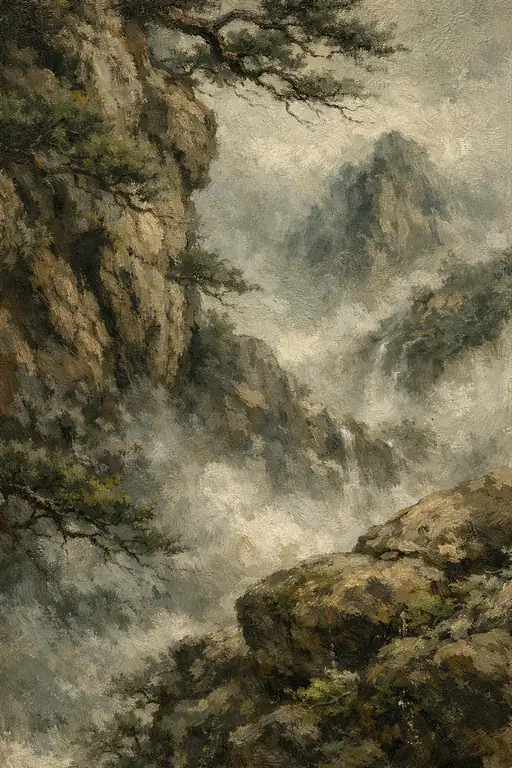 Whispers of the Misty Peaks
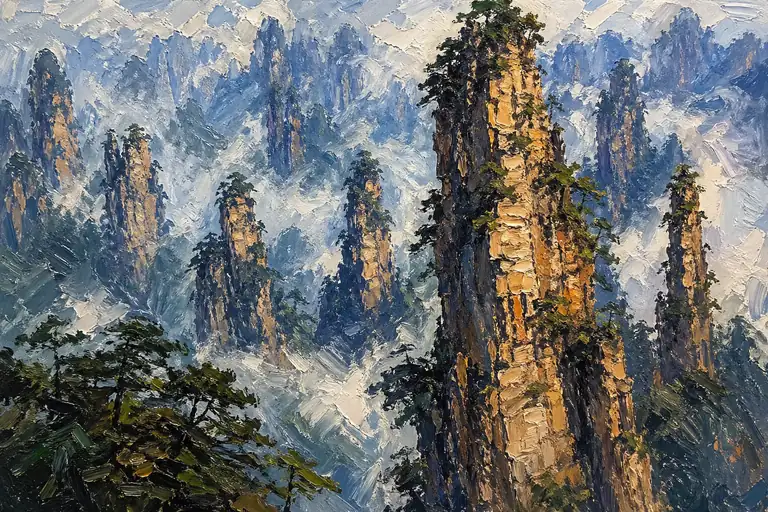 Pillars of the Eternal Sky
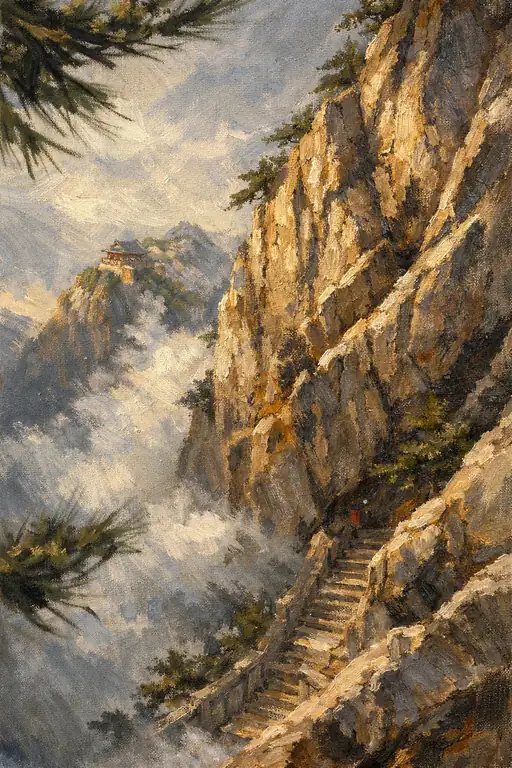 Above the World’s Silent Breath
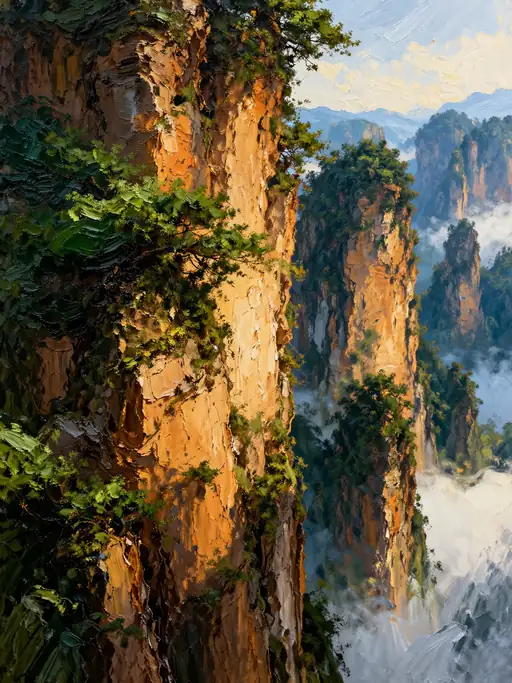 Pillars of the Earth: The Mist-Shrouded Canyons
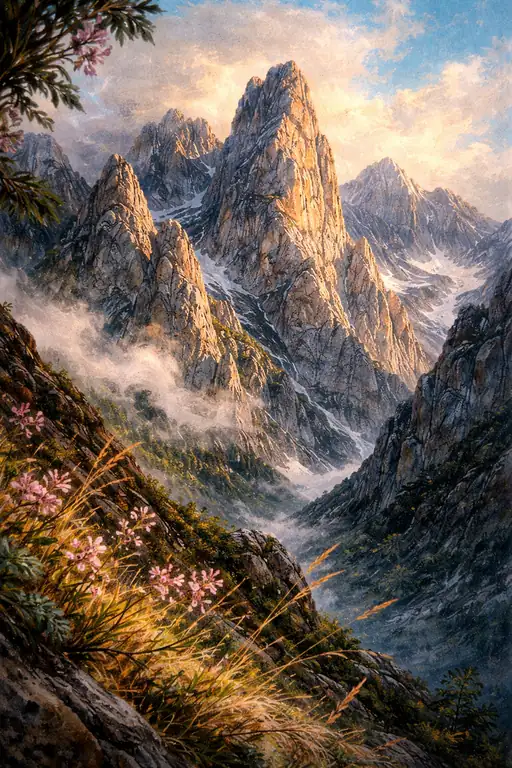 Awakening of the Giants
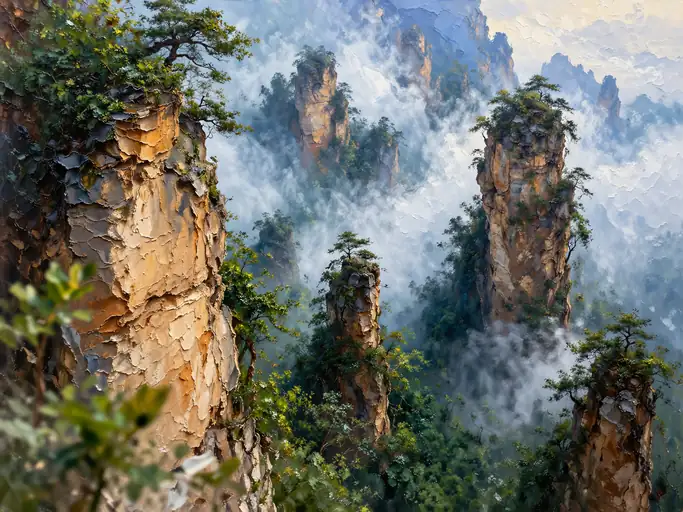 Timeless Pillars: The Quartz Sentinels of Wulingyuan
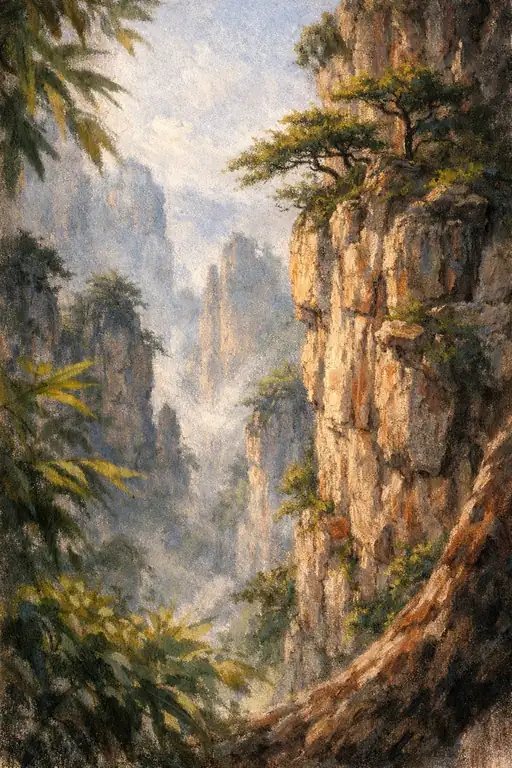 Forest of Stone: The Foggy Sentinels
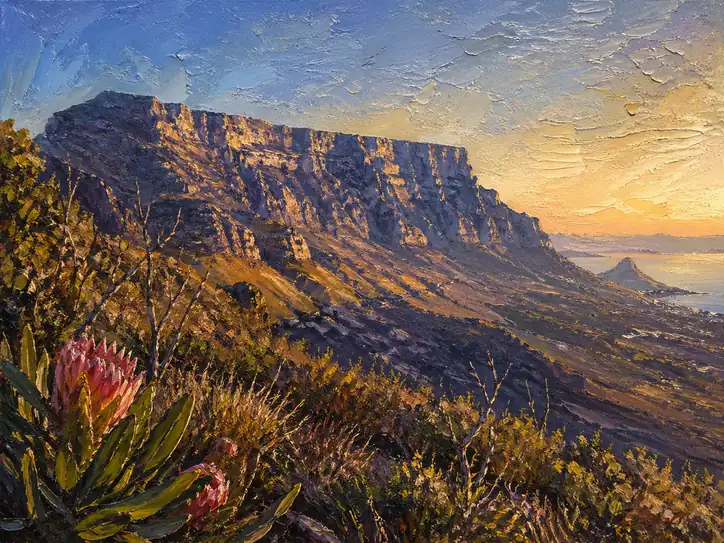 Glow of the Sentinel: Table Mountain and the Protea's Bloom