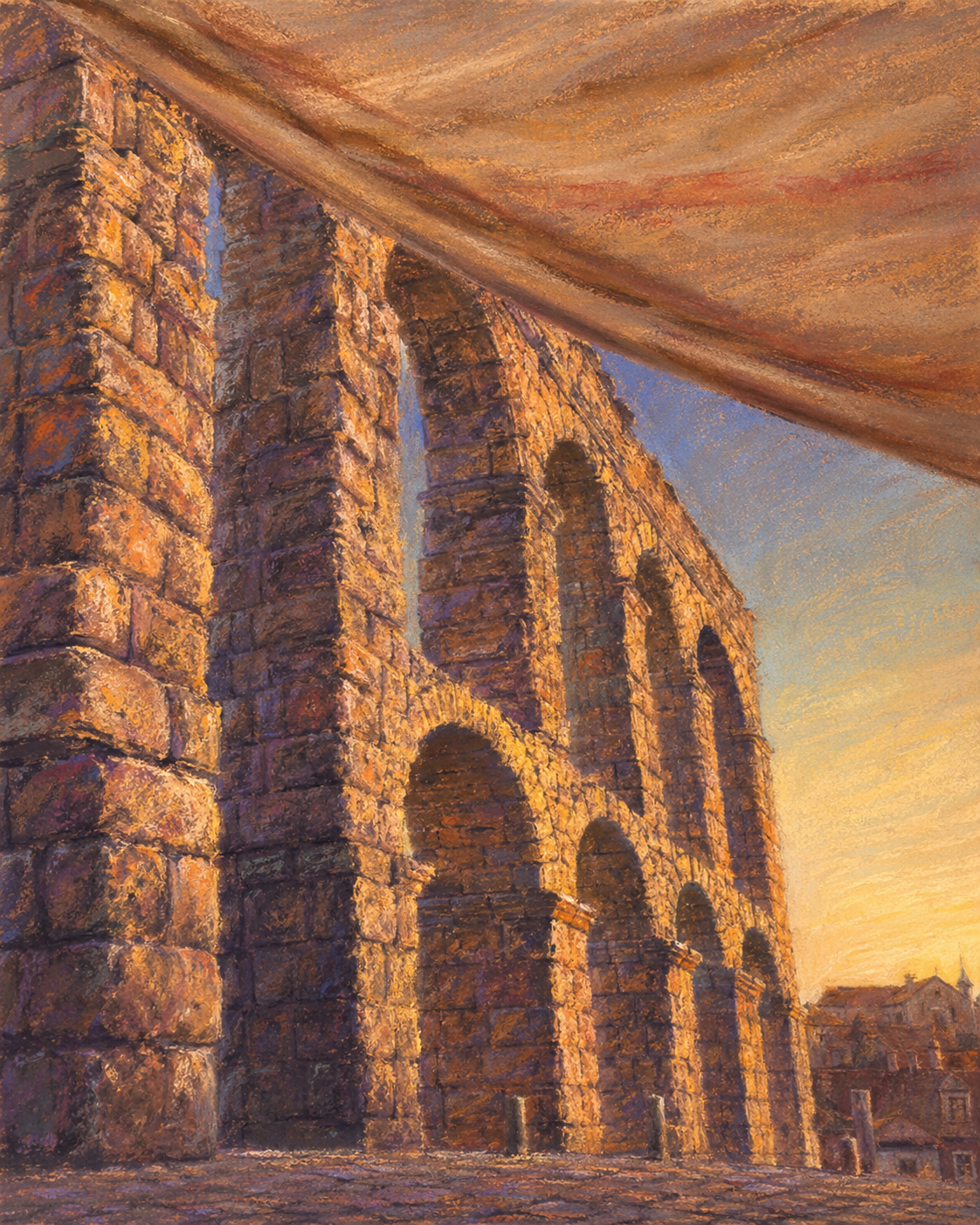
Under the Eternal Roman Echoes
Critique
1. Introduction This evocative painting presents a dramatic, low-angle view of a monumental ancient aqueduct, reminiscent of the Roman structure in Segovia. The composition is uniquely framed by a large, draped fabric cutting across the upper portion of the canvas. The overall atmosphere is one of nostalgic grandeur, bathed in the warm, golden glow of a setting sun. 2. Description The visual field is dominated by the massive stone pillars of the aqueduct rising against a twilight sky. The foreground ground is textured, while the upper right is covered by the diagonal sweep of the cloth. In the lower distance, the silhouette of a small town is visible. The medium appears to be pastel or textured oil, creating a grainy, luminous surface. 3. Analysis The artist utilizes an extreme perspective to emphasize the immense scale and weight of the historical architecture. The warm oranges and yellows of the sunlight create a striking contrast with the cool purples and blues of the shadows on the stone blocks. The inclusion of the fabric introduces a dynamic line that balances the rigid geometry of the arches. 4. Interpretation and Evaluation This artwork successfully captures the dialogue between the permanence of stone and the transience of light. The deliberate choice of a low vantage point invites feelings of awe, while the soft texture of the paint adds an emotional layer of warmth. The composition is highly innovative, integrating historical subject matter with a modern perspective. 5. Conclusion Ultimately, the painting is not just a depiction of a ruin, but a meditation on the passage of time and human history. The initial impact of the structure's scale yields to a softer appreciation of the ambient light. It stands as a powerful visual poem dedicated to enduring heritage.
Same Subcategory
 Breathing in Azure and Gold
 Reflections of a Future Dream
Similar Artworks
 The Eternal Pantheon
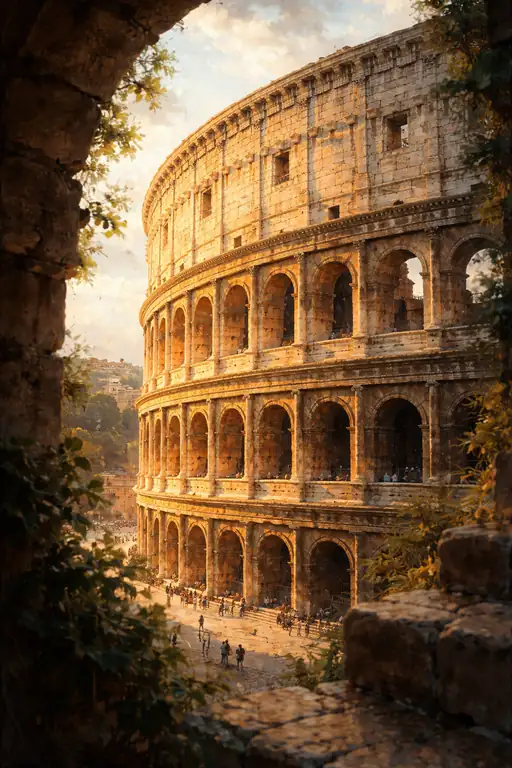 Golden Echoes of Empire
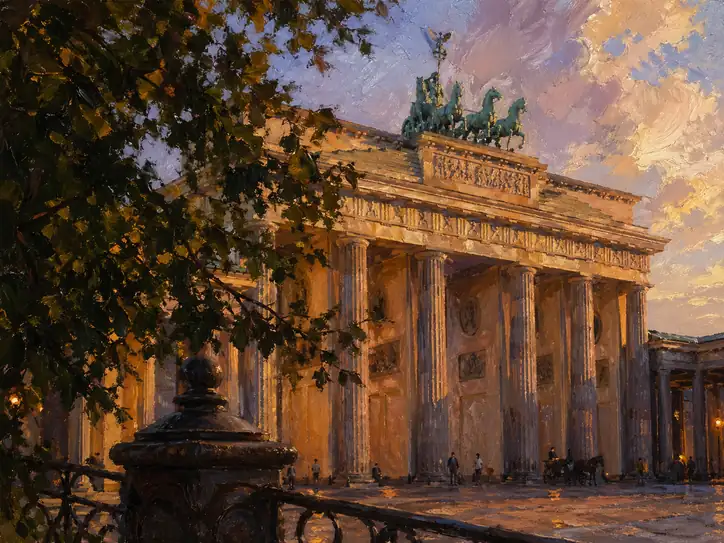 The Majestic Brandenburg Gate Bathed in a Golden Sunset Glow
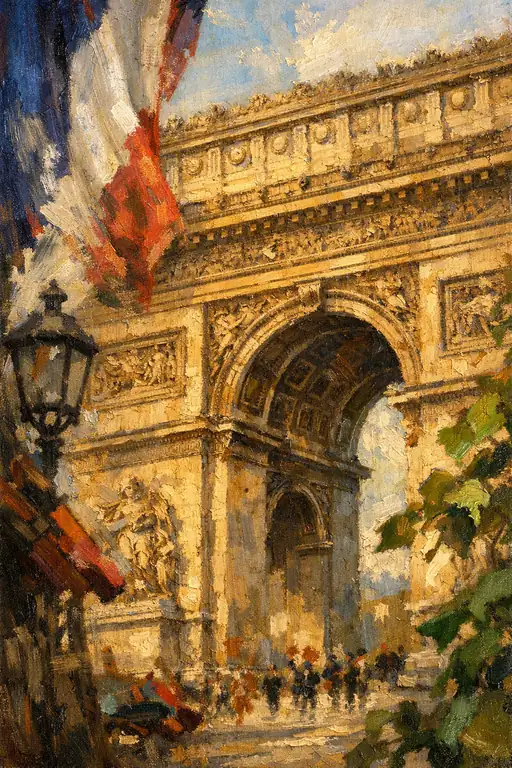 Tricolor Over Golden Stone
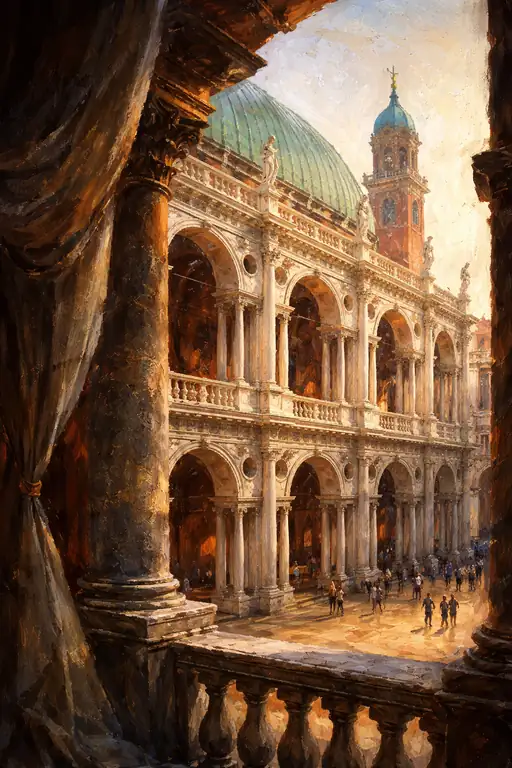 Palladio's Grandeur
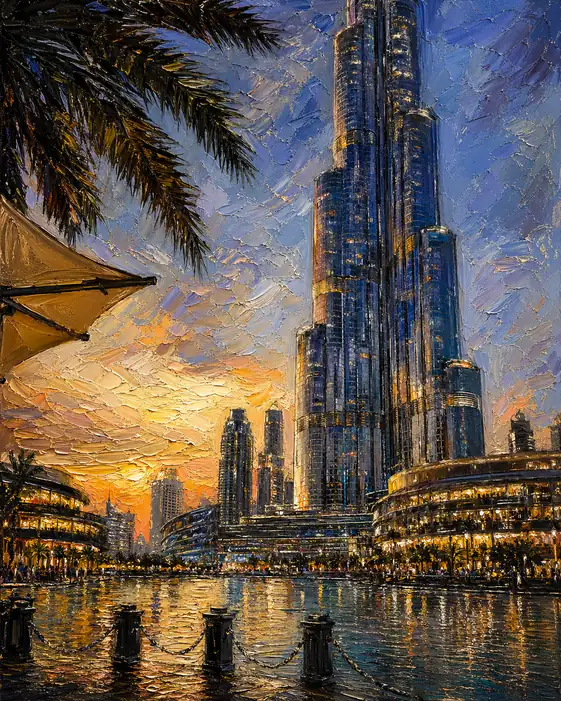 Reaching for the Infinite Dusk
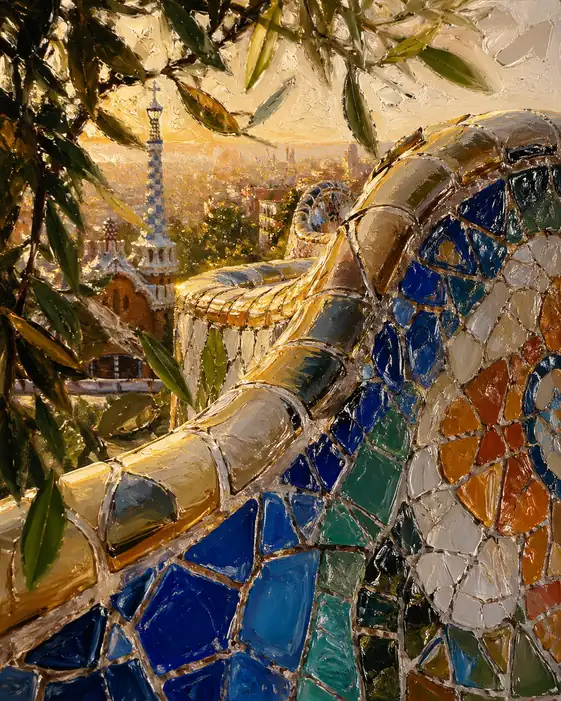 Gaudí’s Golden Dream
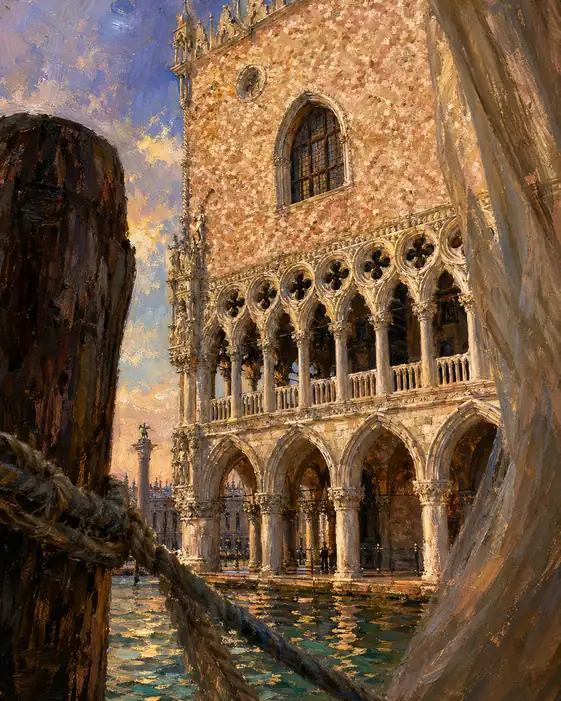 The Palace of Dreams at Golden Hour
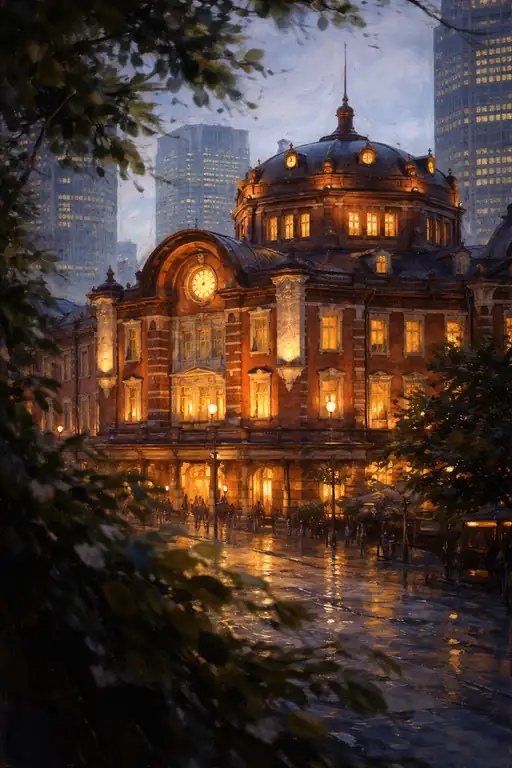 Echoes of Time in the Evening Rain
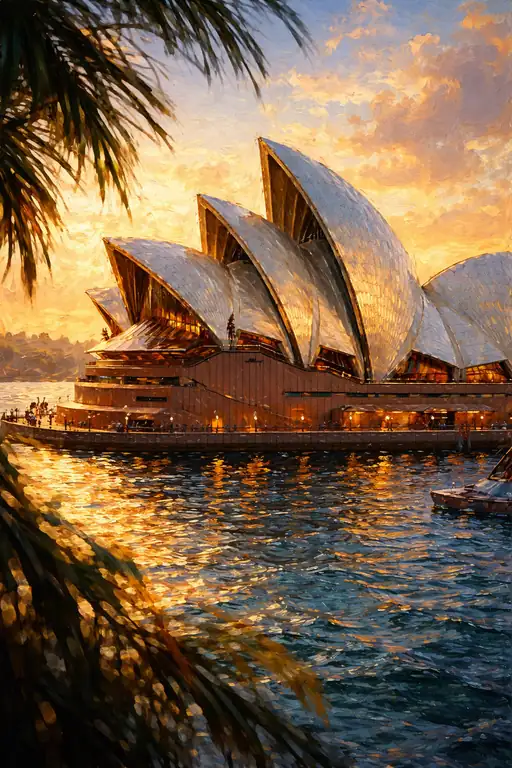 Golden Sails of the Urban Symphony