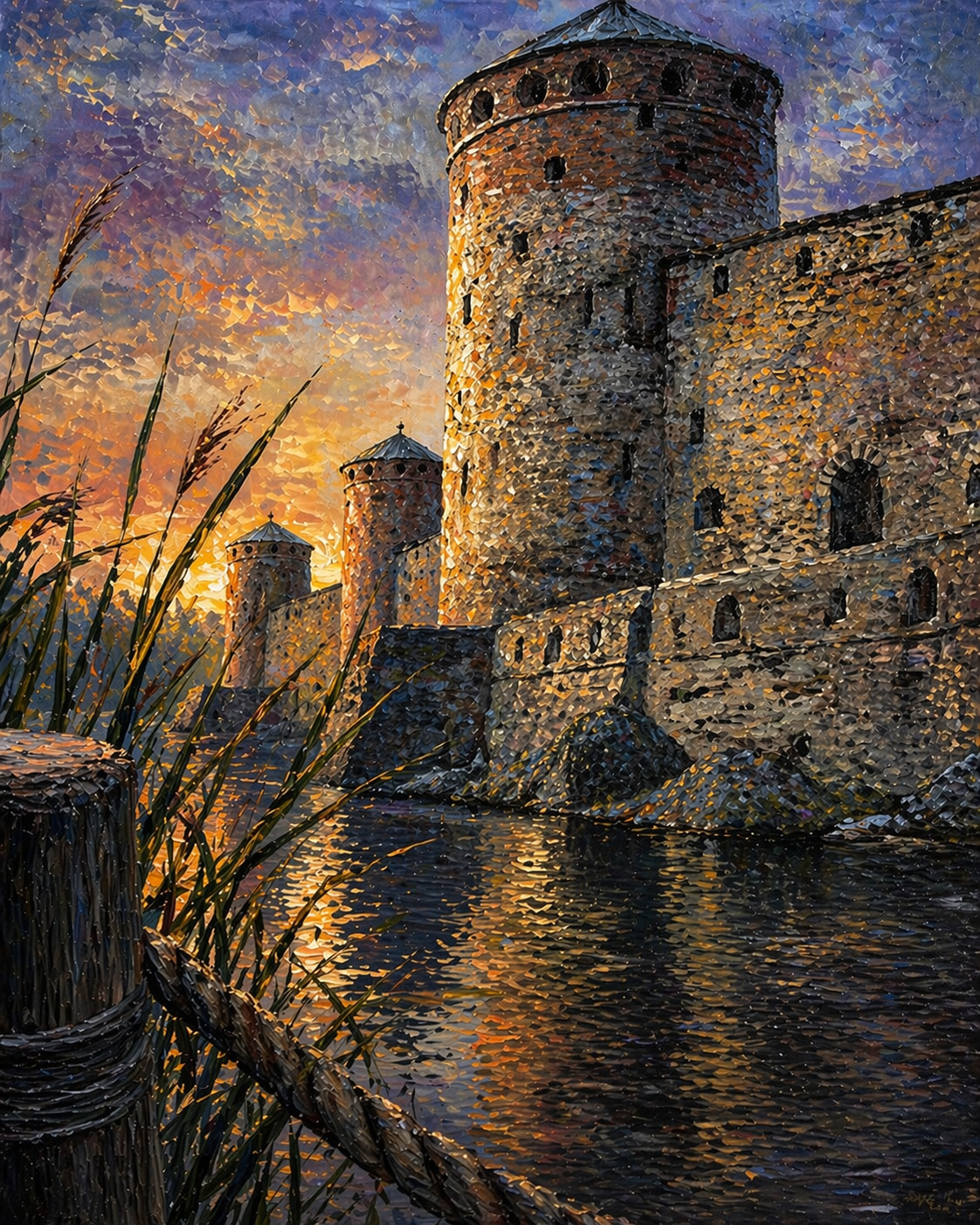
Twilight Embrace of the Stones
Critique
1. Introduction This vibrant landscape painting portrays a medieval stone fortress standing resolutely beside a body of water during a dramatic sunset. The work emphasizes the historical weight and structural permanence of the castle through a bold application of color and texture. It serves as an evocative study of how natural light can transform ancient stone into a luminous and dynamic subject. 2. Description A series of massive, cylindrical towers and stone walls dominate the right side of the composition, their surfaces catching the warm, golden light of the setting sun. In the lower left foreground, a weathered wooden post bound with rope and tall, dark reeds provide a sense of place and perspective. Below the castle, the dark water of the harbor reflects the brilliant orange and yellow hues of the sky in fragmented, shimmering patterns. The background sky is a tapestry of deep purples, fiery oranges, and soft yellows, suggesting the transition from day to night. 3. Analysis The artist utilizes a distinctive "broken color" technique, applying small, mosaic-like dabs of paint that blend optically from a distance. This approach creates a high degree of visual energy and movement across the stone surfaces, which would otherwise appear static. The composition uses a low-angled perspective, making the towers seem even more imposing against the swirling atmosphere. Light is the primary organizing principle, with the sharp contrast between the sunlit masonry and the deep, cool shadows in the tower's recesses providing a powerful sense of three-dimensional form. 4. Interpretation and Evaluation The painting successfully evokes a sense of romantic nostalgia and timeless strength through its expressive style. By juxtaposing the tactile, rugged texture of the fort with the fluid, ephemeral quality of the sunset and reflections, the artist explores the relationship between human history and natural cycles. Technical skill is evident in the complex layering of colors that creates depth without sacrificing the clarity of the architectural forms. The work is a contemporary reimagining of historical landscape motifs, using impressionistic methods to create a visceral and emotionally charged atmosphere. 5. Conclusion Ultimately, the work is a masterful exploration of light and substance that captures the enduring presence of the past. The initial impression of a solid, immovable structure is enriched by the lively, vibrating texture of the paint, revealing a hidden vitality within the stone. It remains a compelling example of how traditional architecture can be reinterpreted through a lens of expressive color and tactile surface work.
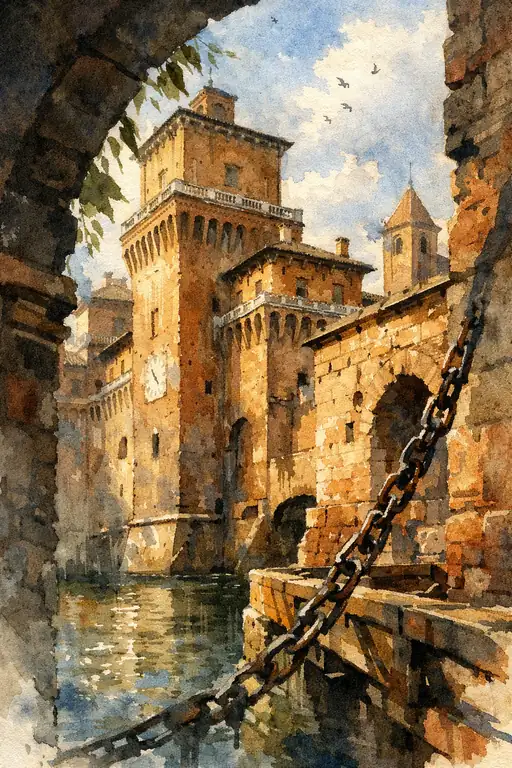 The Water Keep: Echoes of Stone and Sky
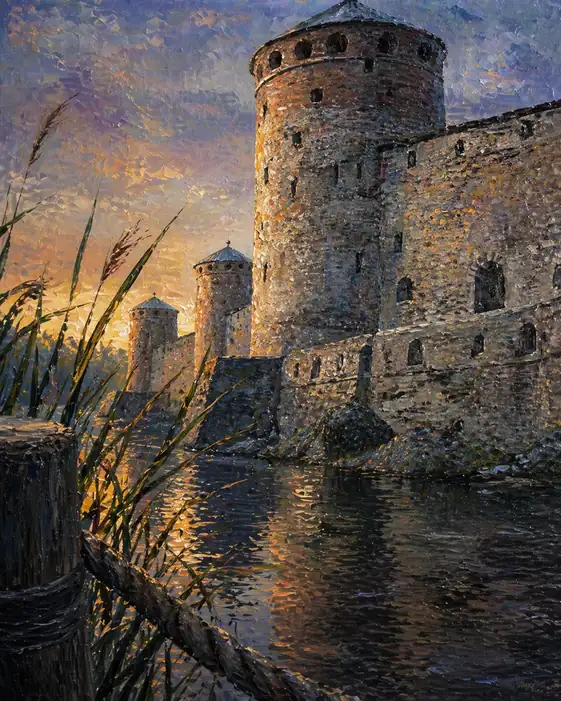 Soliloquy of the Sunlit Stone
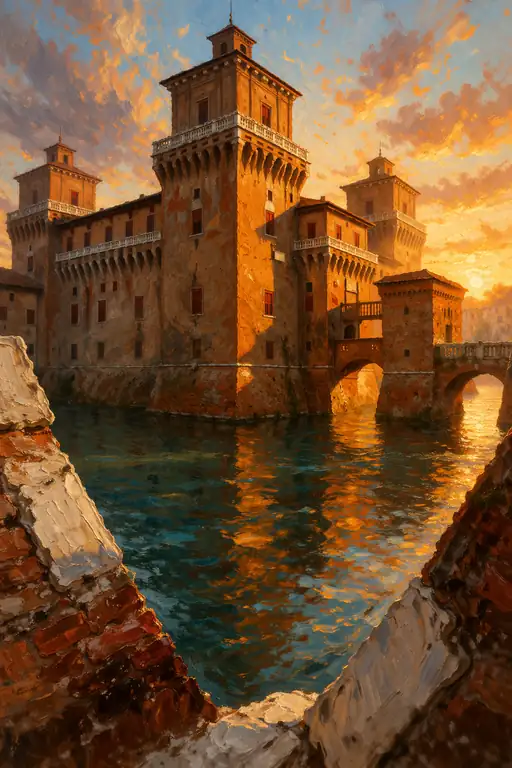 Golden Echoes on the Fortress Moat
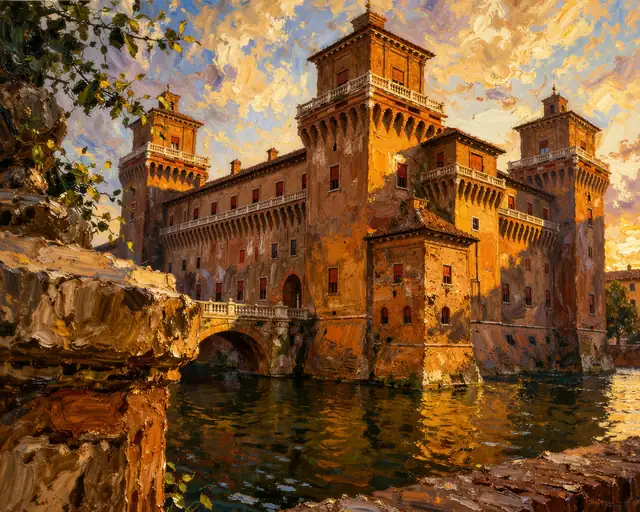 The Crimson Bastion at Sun's Demise
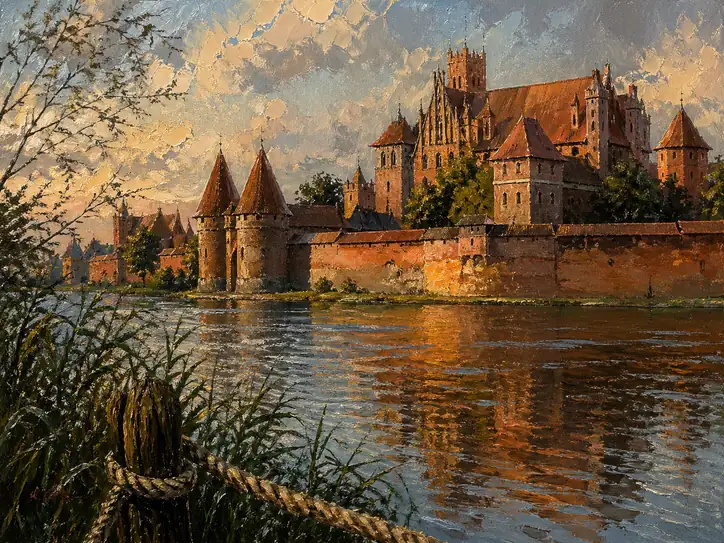 The Crimson Guardian's Sunset
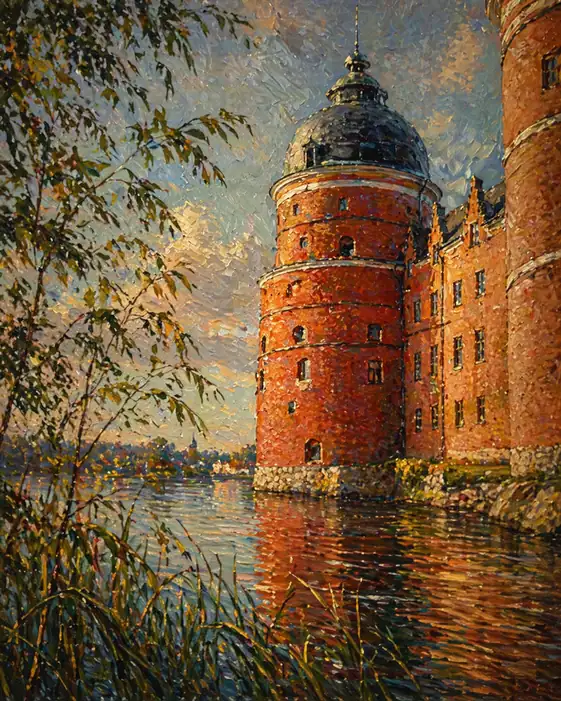 Serenity of the Spire
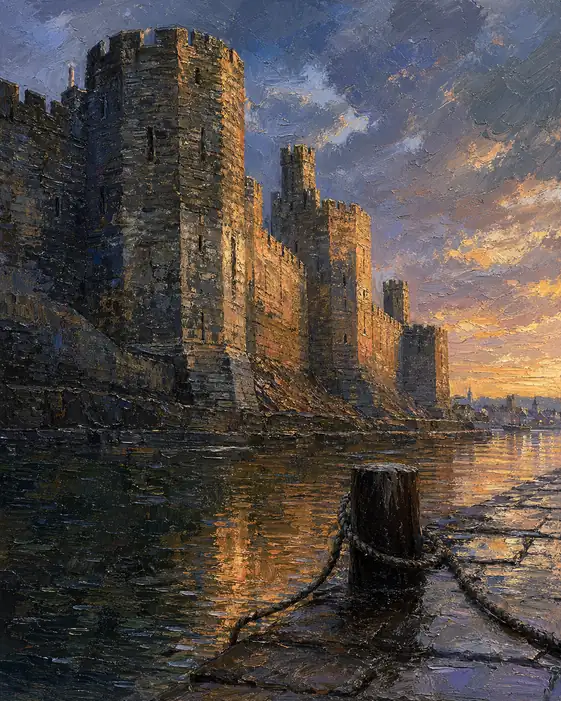 Golden Fortress at Sunset
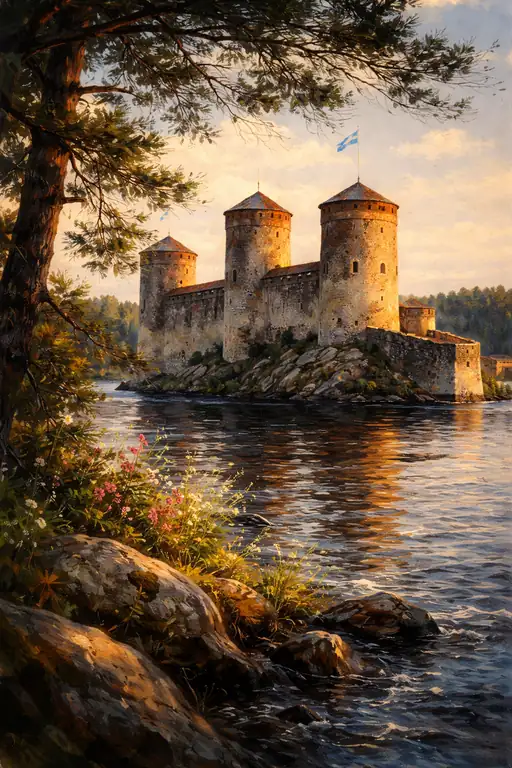 A Serene Vigil Over the Water
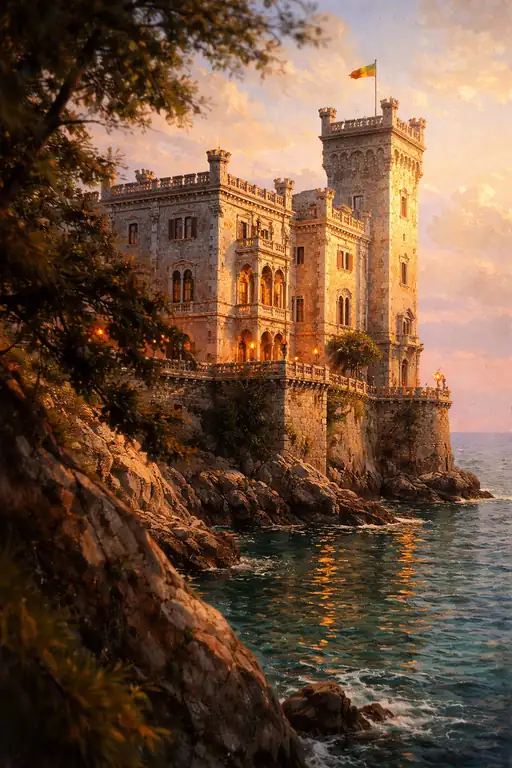 The White Guardian of the Azure Horizon
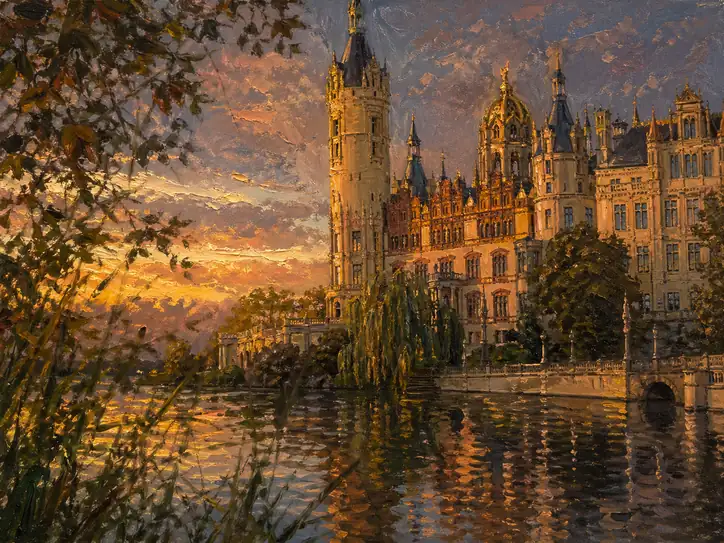 Echoes of a Golden Era
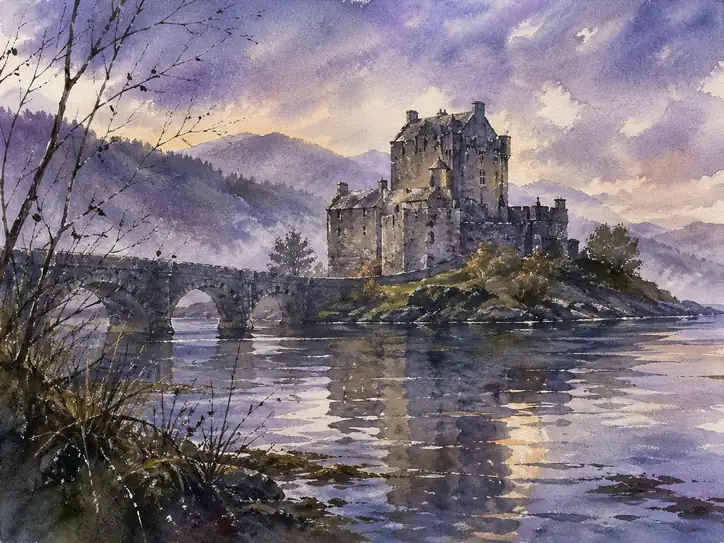 Whispers of the Loch