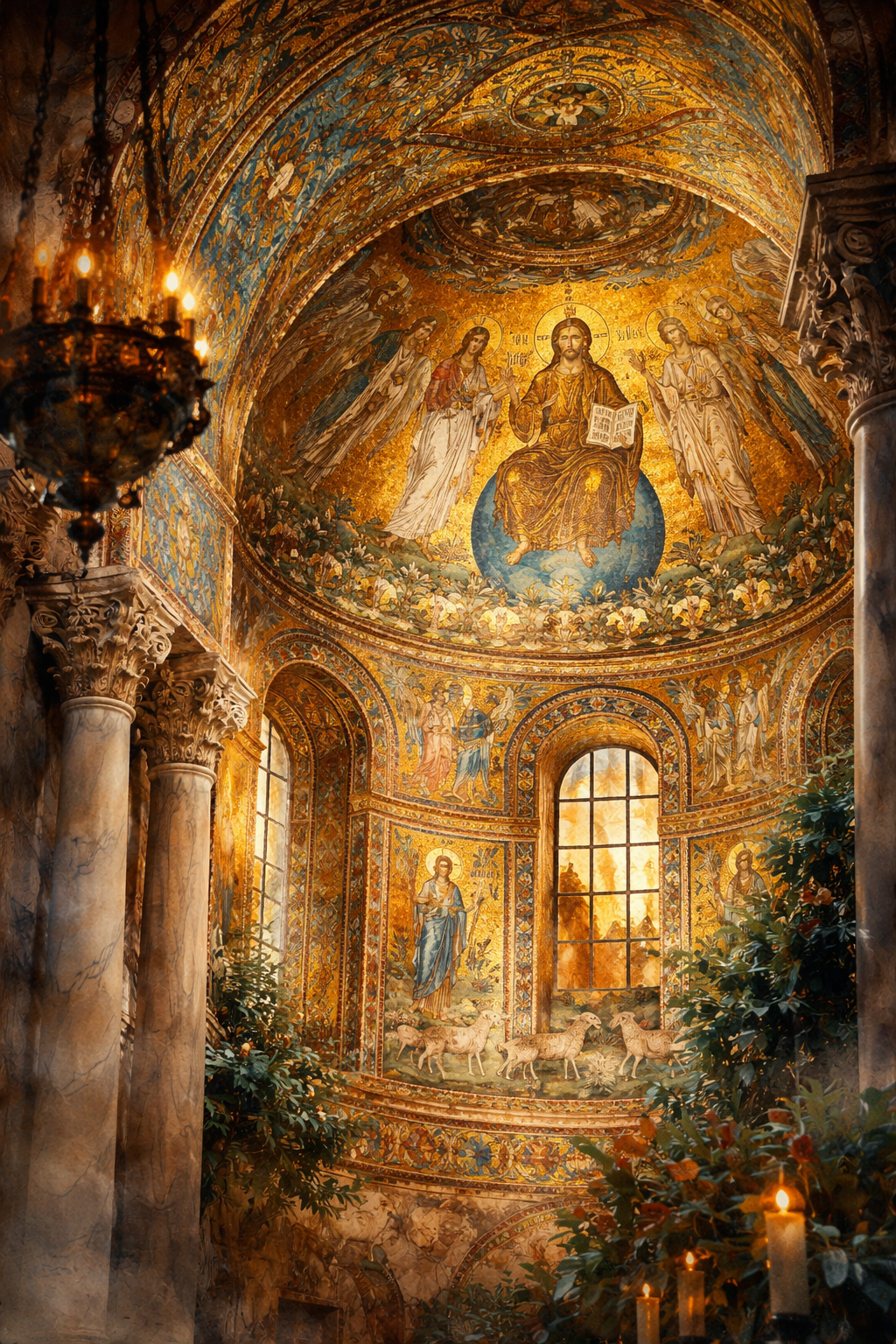
Sanctuary of the Golden Glow
Critique
1. Introduction This oil painting presents a breathtaking view of a Byzantine-style cathedral apse, rendered with meticulous attention to architectural grandeur. The composition captures the luminous quality of golden mosaics that cover the vaulted ceilings and walls. The work invites the viewer into a space of historical and spiritual significance, emphasizing the permanence of sacred structural design. It stands as a profound study of light, texture, and classical religious iconography. 2. Description The focus of the piece is a semi-dome featuring a central mosaic of Christ flanked by celestial figures. Below the apse, arched windows allow golden light to permeate the interior, highlighting intricate patterns and smaller figurative panels. Large Corinthian columns frame the left side of the canvas, providing a sense of scale and depth to the interior space. In the foreground, foliage and flickering candles suggest a living, inhabited environment within the ancient stonework. 3. Analysis The artist uses a dominant palette of gold, ochre, and deep blues to create a harmonious yet vibrant atmosphere. Linear perspective is expertly employed through the receding arches and the placement of columns, drawing the eye toward the central religious figure. Light functions as a primary structural element, transitioning from the soft glow of candles to the radiant brilliance of the gilded mosaics. The textural contrast between the smooth marble pillars and the granular mosaic surfaces adds significant tactile depth. 4. Interpretation and Evaluation This work successfully reconciles the rigid formality of historical architecture with the fluid, organic qualities of light and atmosphere. The technical execution of the mosaics demonstrates exceptional precision, capturing the way individual tesserae catch and reflect light. By including contemporary elements like plants and candles, the painting bridges the gap between historical preservation and modern experience. It evaluates the endurance of cultural heritage through a lens of aesthetic reverence and masterful craftsmanship. 5. Conclusion The initial impact of the painting centers on its overwhelming golden radiance, which gradually reveals layers of complex detail through closer observation. This transition from a general impression of light to a specific understanding of architectural form enhances the viewer's engagement with the subject. The work serves as a testament to the power of traditional artistry in evoking a sense of the sublime. Ultimately, it is a highly successful synthesis of historical documentation and artistic interpretation.
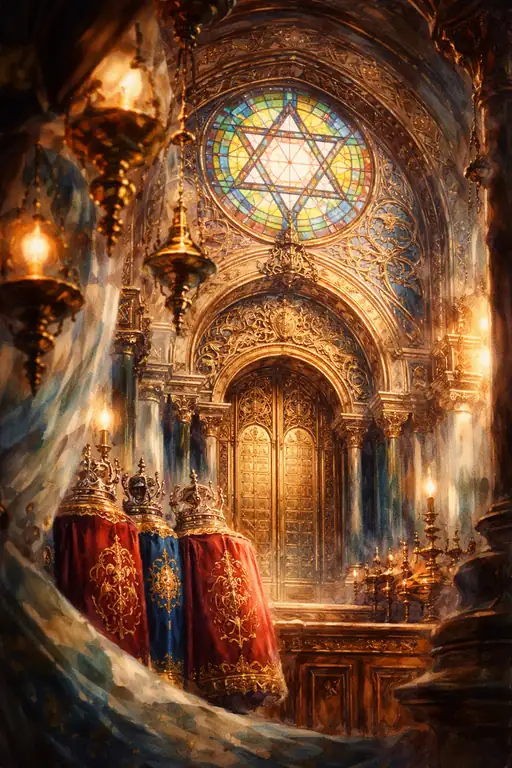 Golden Radiance of the Sacred Scrolls
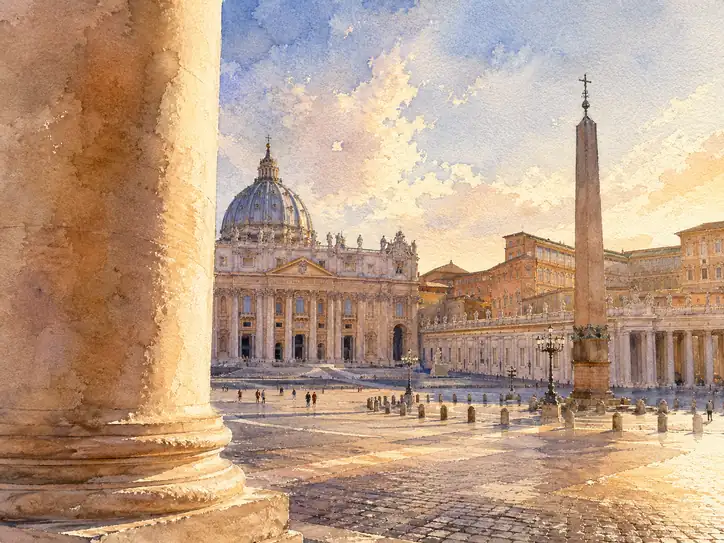 Eternal Grace in the Golden Hour
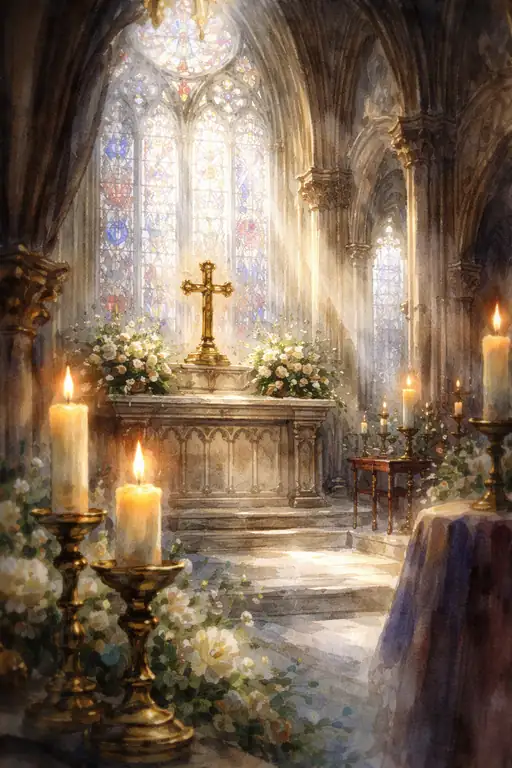 Illumination of the Gothic Rose
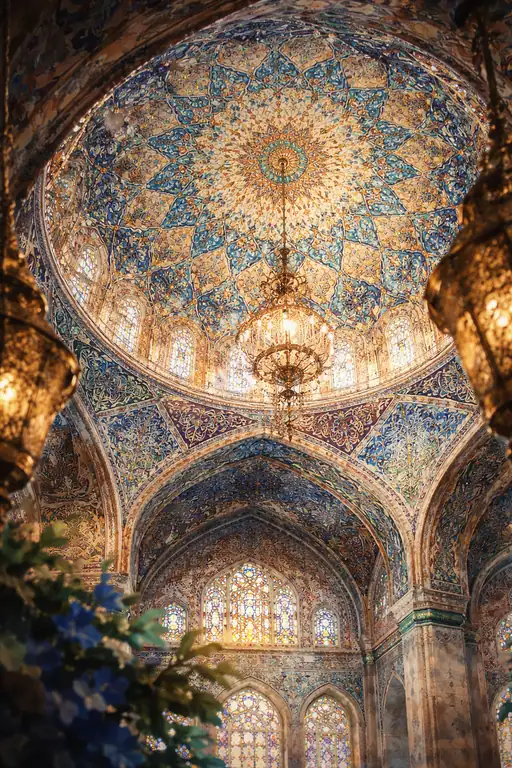 Symphony of the Golden Mosaic
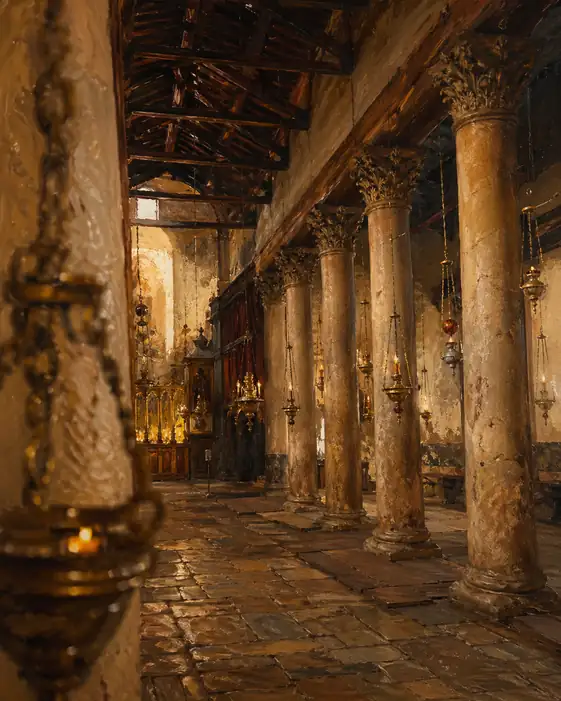 The Echo of Eternal Silence
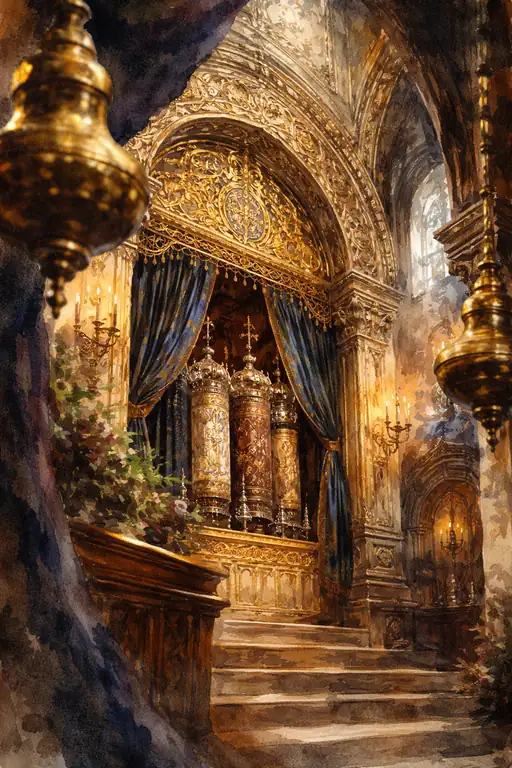 The Sacred Ark: Light of the Torah
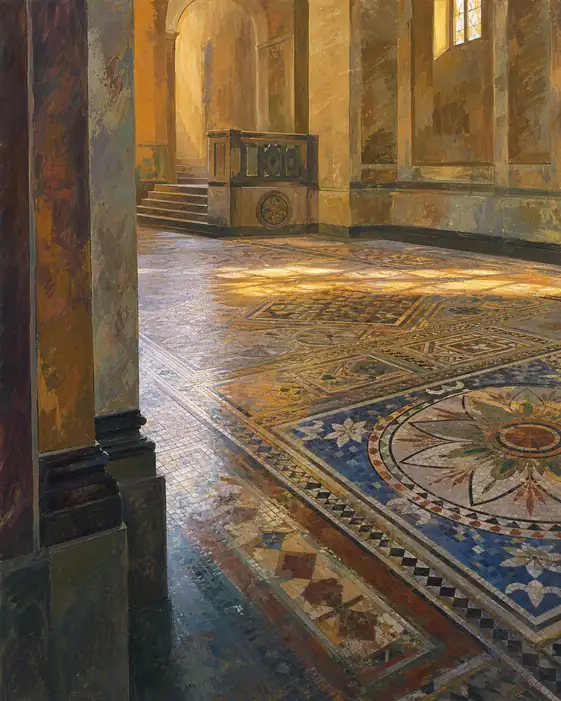 The Sacred Path of Light
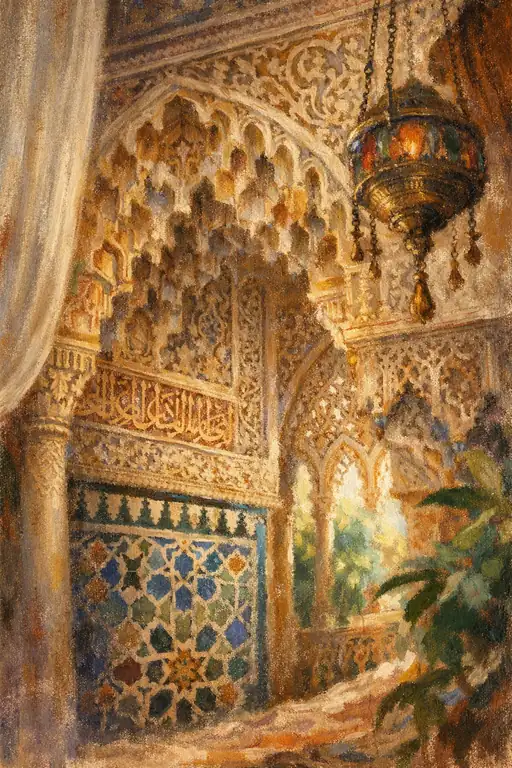 Alhambra Serenity
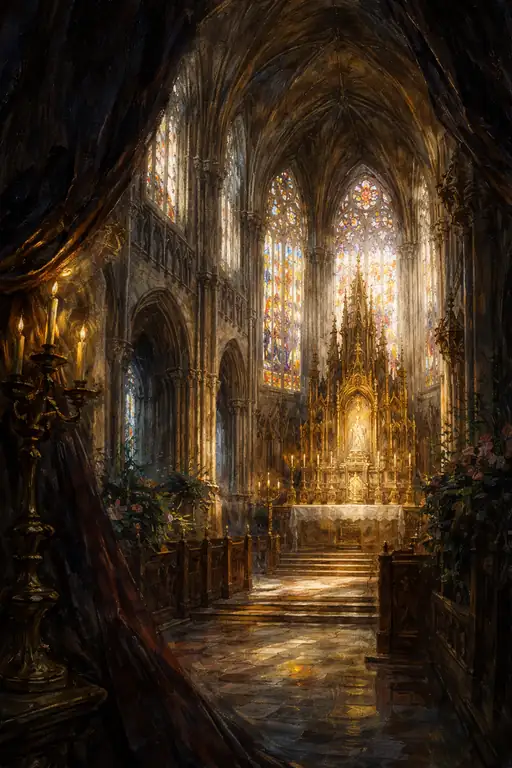 Divine Light in the Hallowed Halls
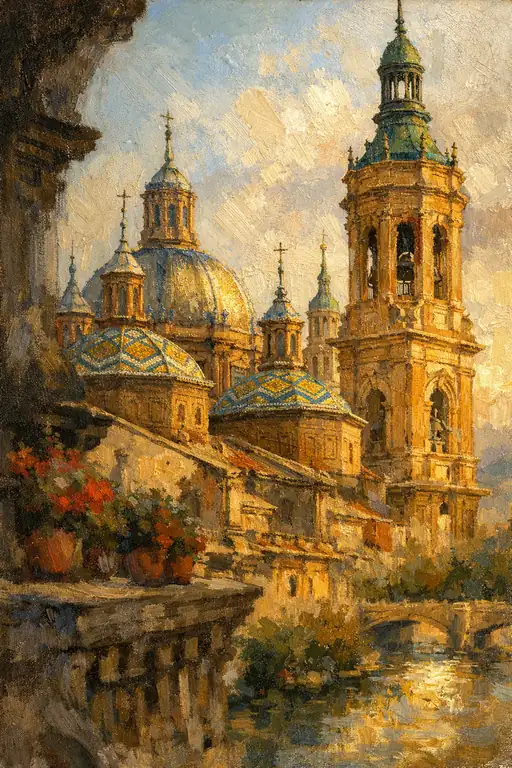 Domes of Golden Light