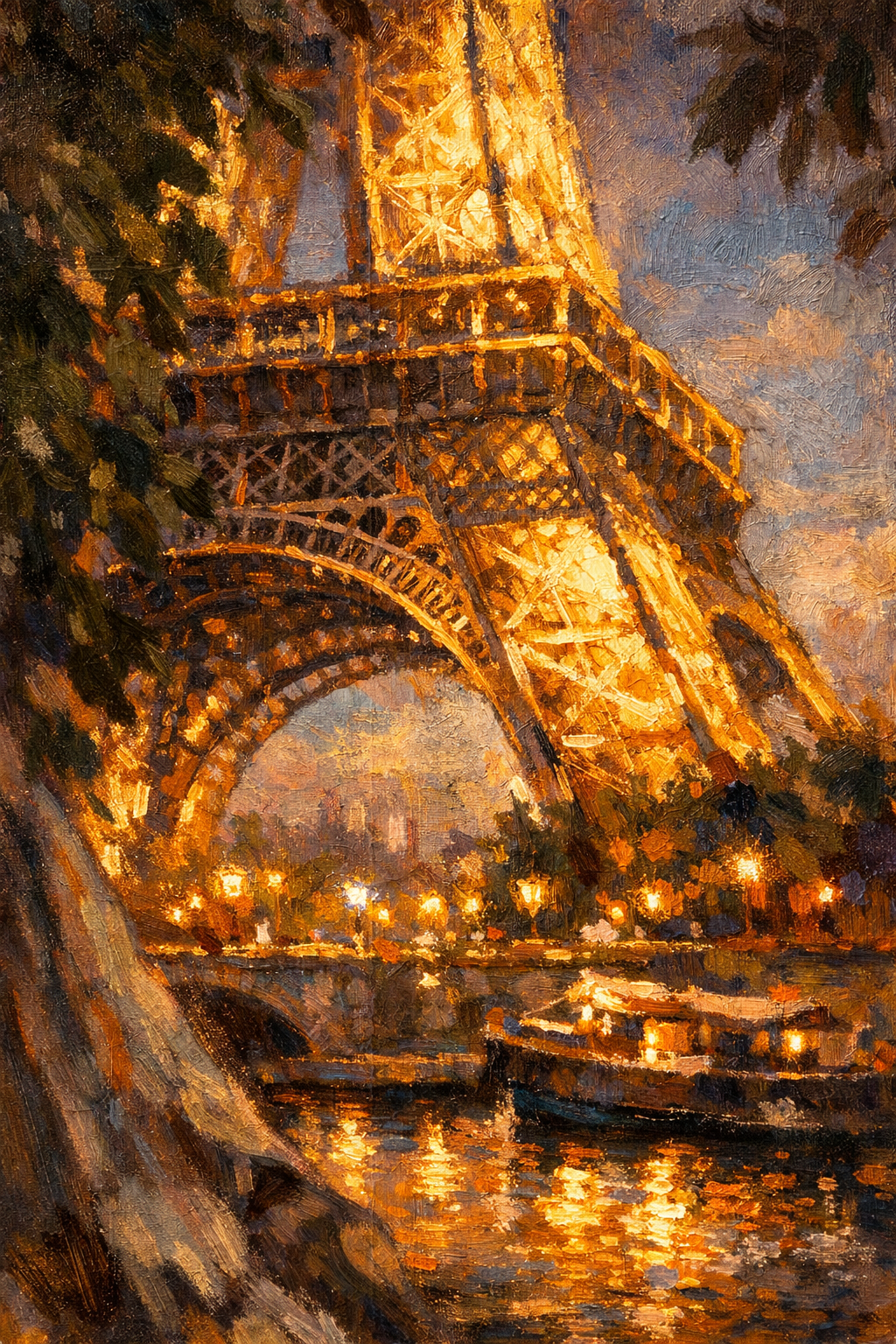
Golden Eiffel Tower at Night
Critique
1. Introduction This impressionistic painting presents a passionate portrayal of the Eiffel Tower at night, standing as a luminous icon of Paris. The work is characterized by its dramatic use of light and thick textures, which imbue the scene with extraordinary vitality. It creates a sense of awe by emphasizing the contrast between the radiant tower and the quiet darkness of the evening. 2. Description The grand arch of the golden Eiffel Tower dominates the canvas, radiating intense oranges and yellows. In the foreground, a large tree with dense green foliage provides a dark silhouette that frames the brilliant structure. Below, the calm surface of the river mirrors the city’s glowing lights, and a solitary vessel adds a peaceful urban touch to the composition. 3. Analysis The visual flow is meticulously constructed, using the verticality of the foreground tree to balance the elegant curves of the tower. Color harmony is achieved by contrasting the warm, fiery tones of the landmark with the cool purples and blues of the sky. Technically, the extensive use of impasto gives the light a physical presence, making the illumination feel tangible on the surface. 4. Interpretation and Evaluation The painting interprets the iron monument as a living entity composed of warmth rather than rigid metal. The rough texture simulates the atmospheric vibration of the city, demonstrating refined creativity. The work strikes a masterful balance between classical tradition and a modernist approach to texture, resulting in a piece that holds significant aesthetic merit and original expression. 5. Conclusion A viewer may initially be drawn to the iconic subject, but a deeper inspection reveals a sophisticated exploration of light. The transformation of a geometric structure into a source of radiance showcases excellent execution. Ultimately, this painting succeeds in capturing the poetic essence and romantic allure of Paris through its bold application of color.
Same Subcategory
 Towering Above the Clouds
 Golden Observatory of the Mind
Similar Artworks
 Golden Hour at the Eiffel Tower
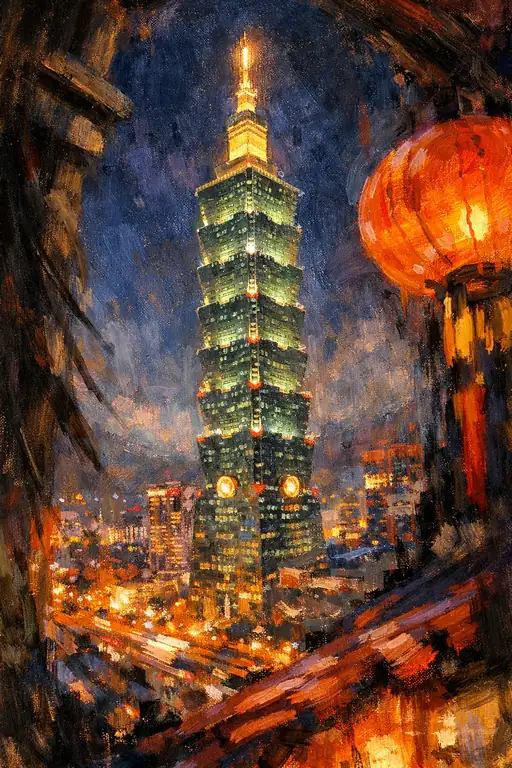 A Solitary Glow in the Urban Night
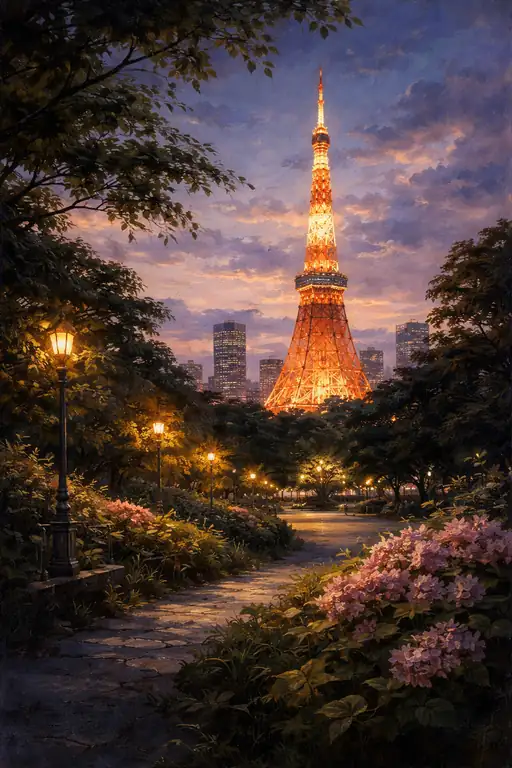 Twilight's Glowing Labyrinth
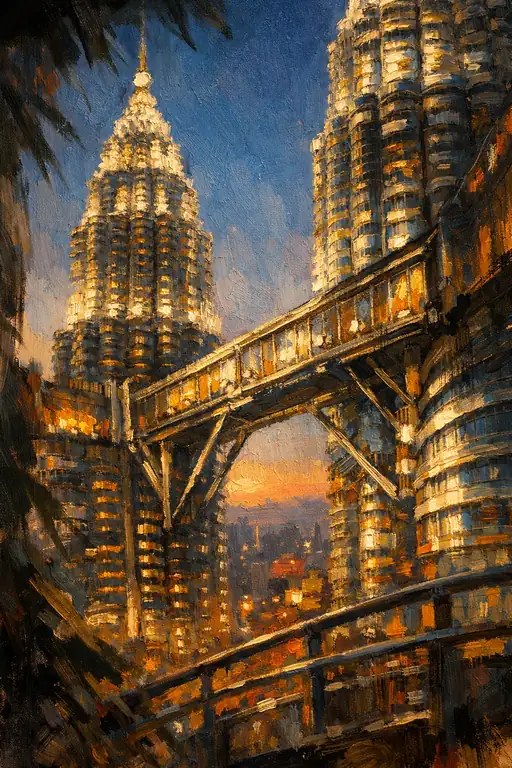 Monoliths Bathed in Golden Fire
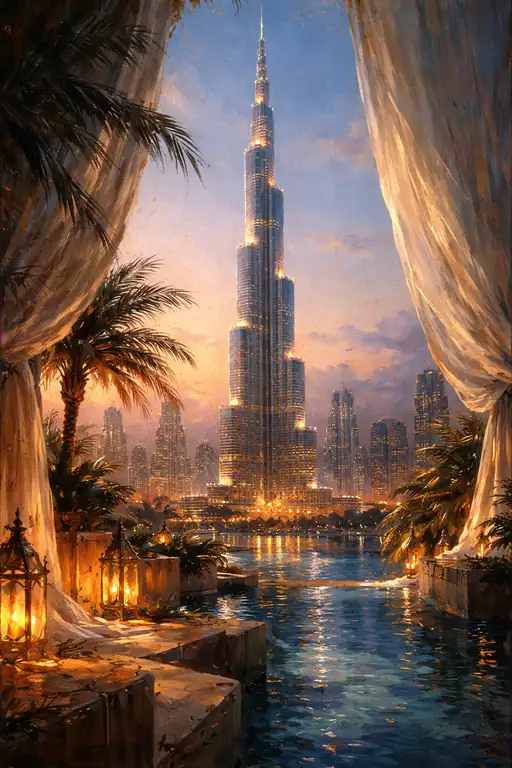 Glow of the Oasis Skies
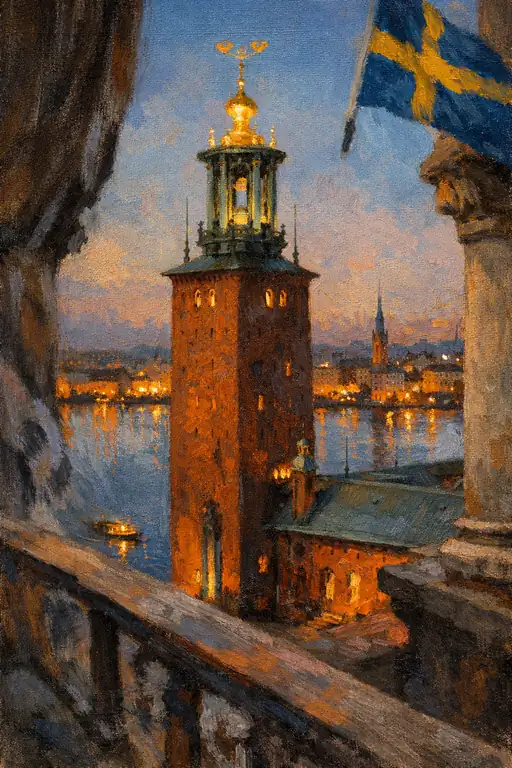 Stockholm City Hall: Nightfall Serenade
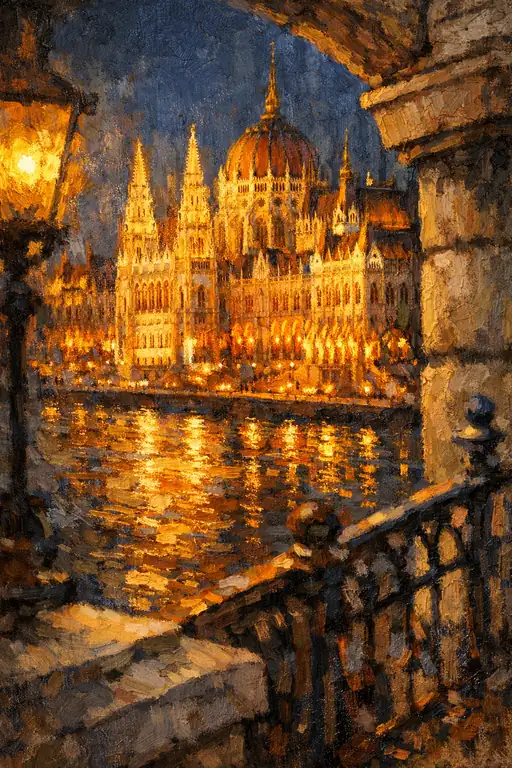 The Night Sings in Gold and Indigo
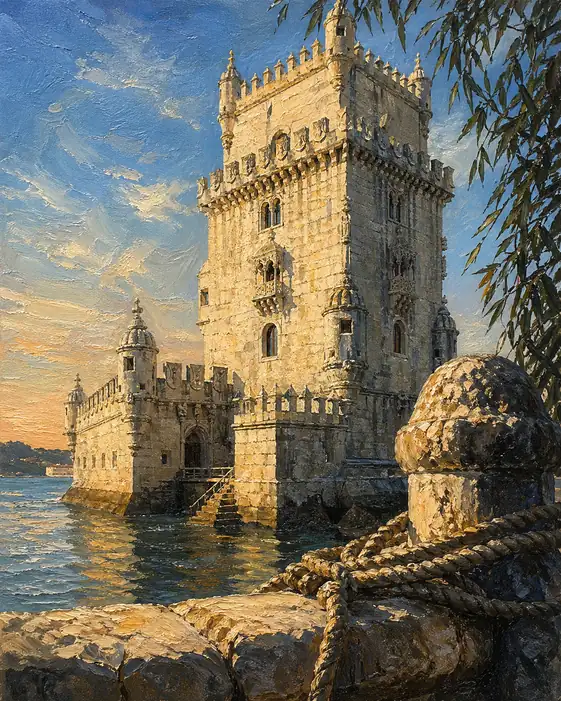 The Sentinel of the Golden Tide
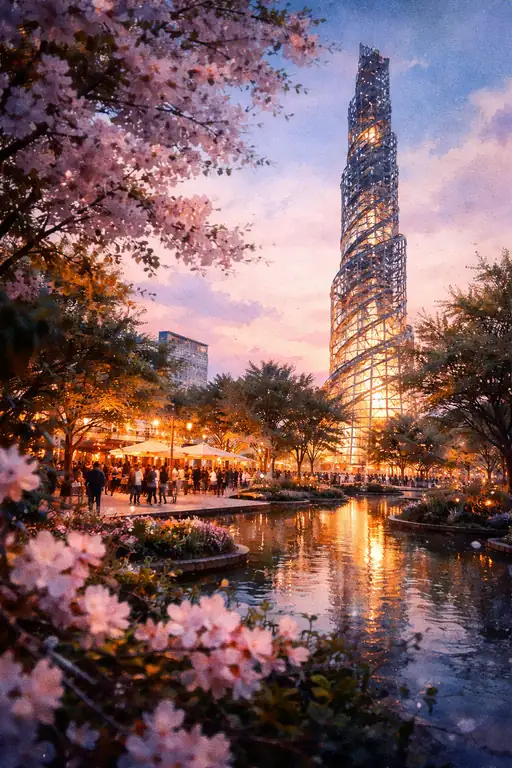 The Spiral Bloom in Twilight
 Sunlit Echoes of the Old Square