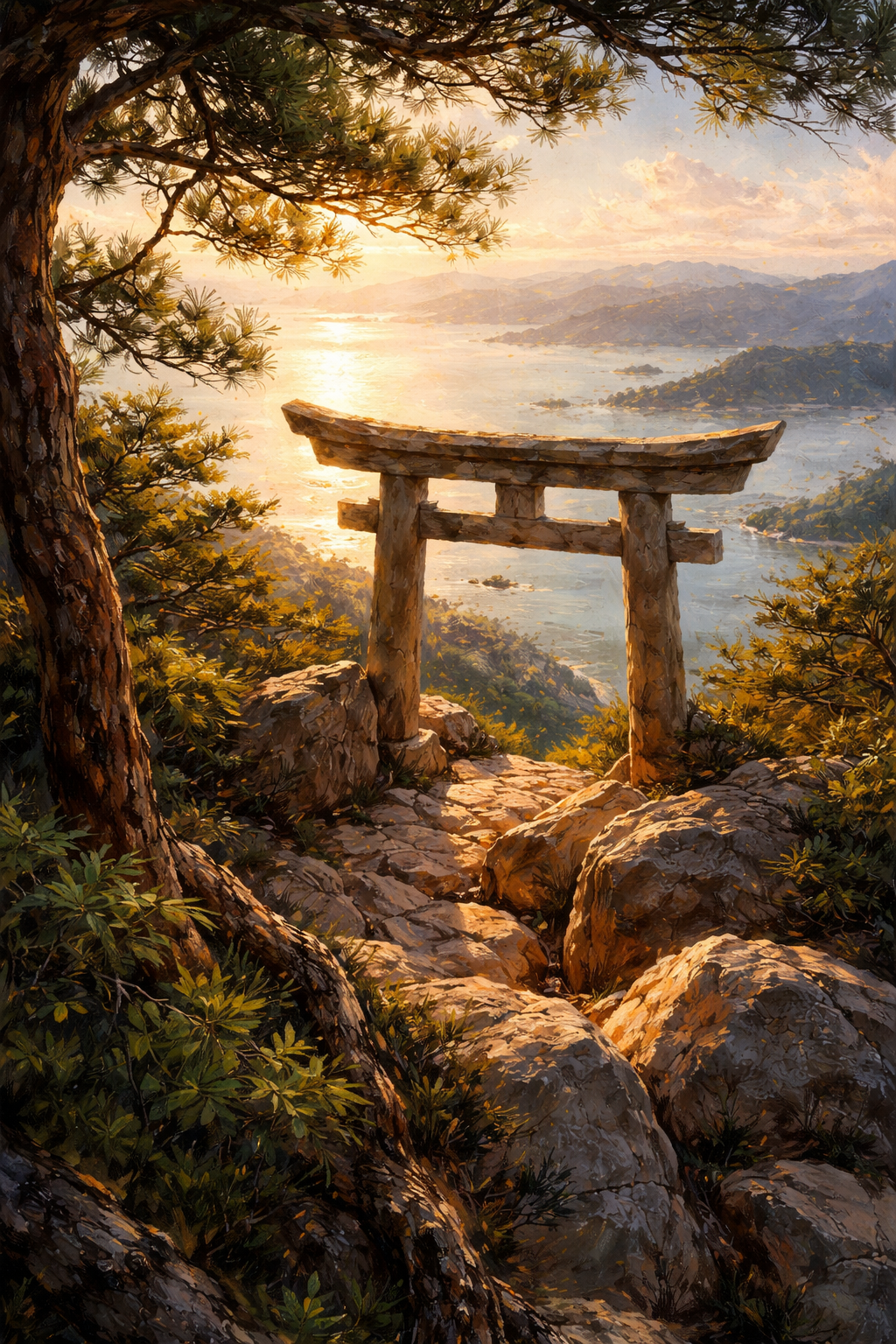
Golden Gateway to the Distant Isles
Critique
1. Introduction This landscape painting depicts a stone torii gate standing on a rugged cliff, overlooking a vast and majestic seascape. The entire scene is bathed in the golden light of sunset or sunrise, creating a serene and spiritual atmosphere. The viewer's perspective is naturally guided from the rough rocky path in the foreground through the gate toward the distant islands and mountain ranges. 2. Description In the foreground, a large pine tree is positioned on the left, its needles and branches extending to frame the top of the composition. A weathered torii gate made of rough-hewn stone stands centrally, with an uneven rocky path leading toward it. The middle ground and background feature a shimmering sea reflecting the sunlight, dotted islands, and layered silhouettes of distant mountains under a soft, clouded sky. 3. Analysis The color palette is dominated by warm ochre, gold, and brown tones, contrasted by the deep greens of the pine and dark blues in the shadows. The brushwork is both vigorous and precise, capturing the intricate textures of the stone surfaces and individual pine needles. Effective use of light and shadow emphasizes the three-dimensionality of the terrain and the brilliant reflection on the water, while the vertical tree and horizontal gate provide compositional stability. 4. Interpretation and Evaluation The work symbolically expresses a sense of awe for nature and traditional Japanese spirituality. The man-made torii gate blends harmoniously into the natural landscape, serving as a gateway to a sacred space. The artist's exceptional descriptive power and color sensitivity elevate the fleeting beauty of shifting light into a permanent form. The unique vantage point offers an immersive experience, evoking a deep sense of tranquility and spiritual peace. 5. Conclusion This painting is a highly accomplished work that fuses light, shadow, and a space of prayer with sophisticated technique. The contrast between the detailed textures and the expansive space encourages new discoveries with each viewing. The initial impression of a grand vista evolves through close observation into a deeper understanding of nature's depth and the silence of faith.
Same Subcategory
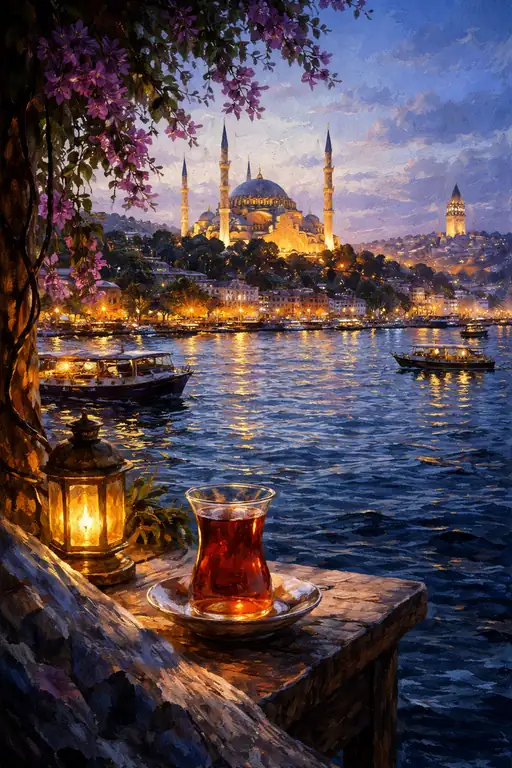 Istanbul's Golden Hour Tapestry
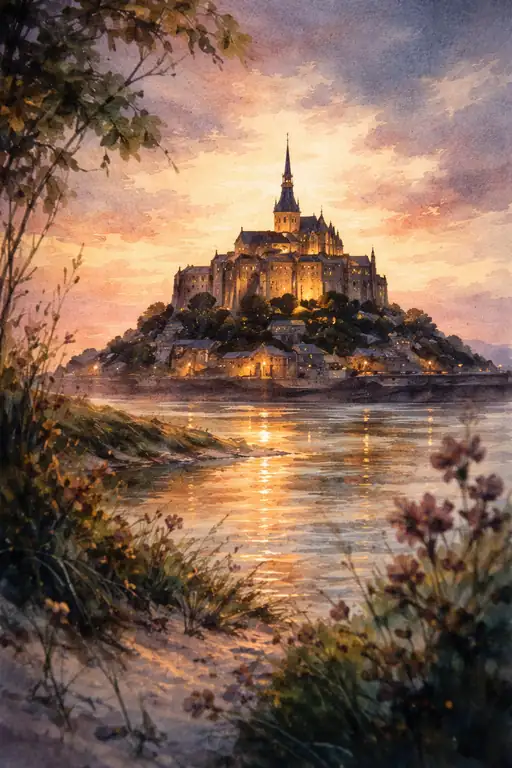 Mont Saint-Michel at Dusk
Similar Artworks
 The Light Through Which I Pray
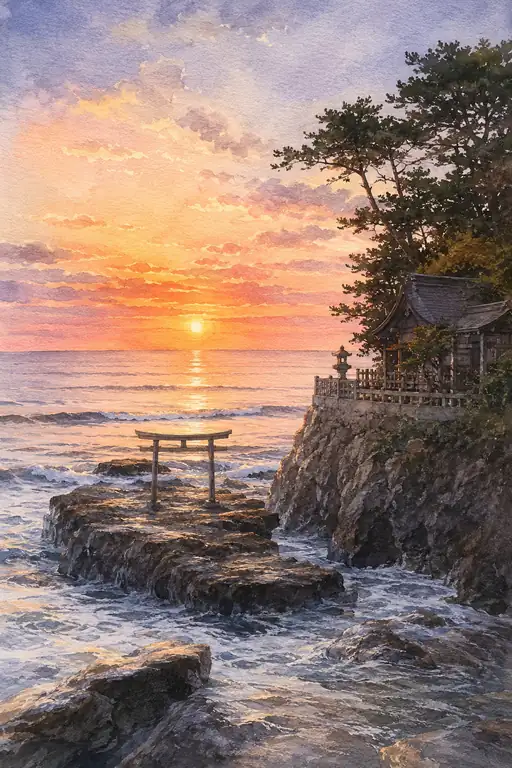 Between the Shrine and the Sea, Morning
 Crimson Dawn Over the Tranquil Sea
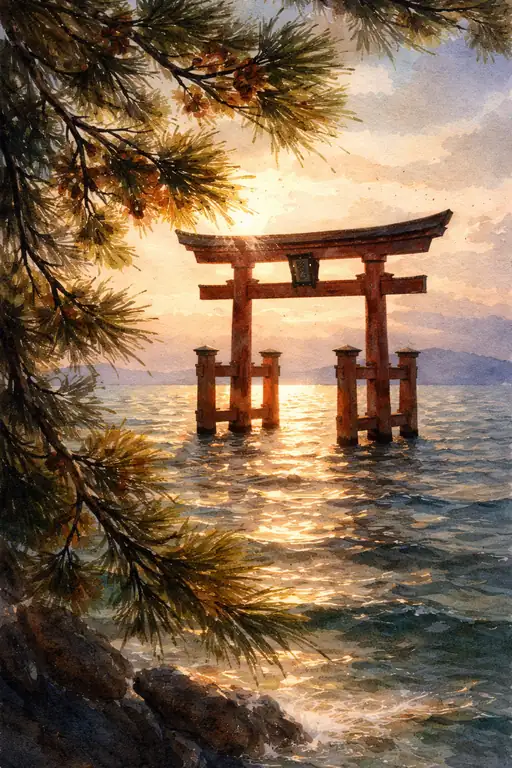 Whispers of the Golden Twilight
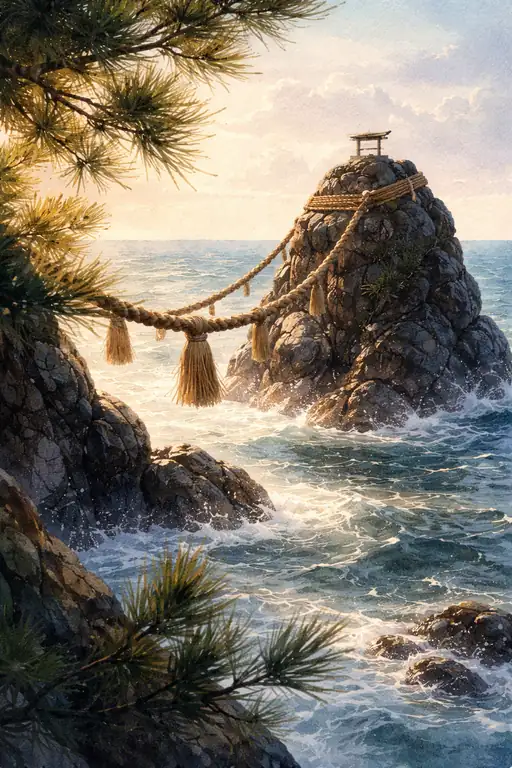 Symphony of the Eternal Tide
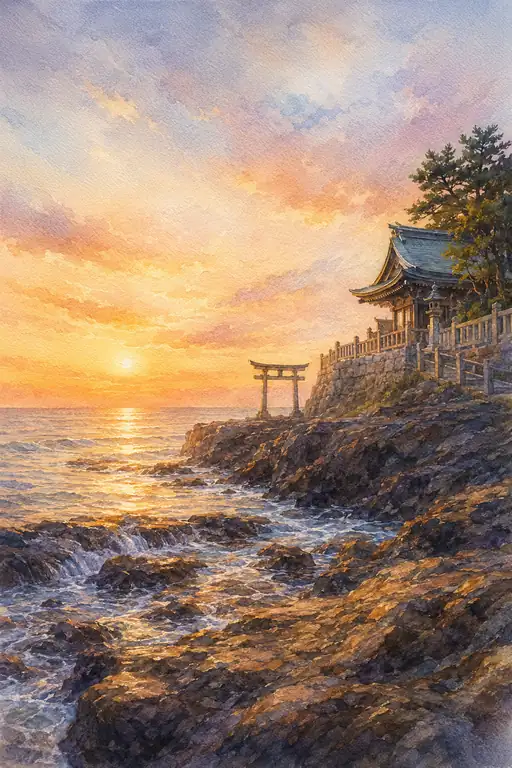 The Shrine Watches Its Small Door to the Sea
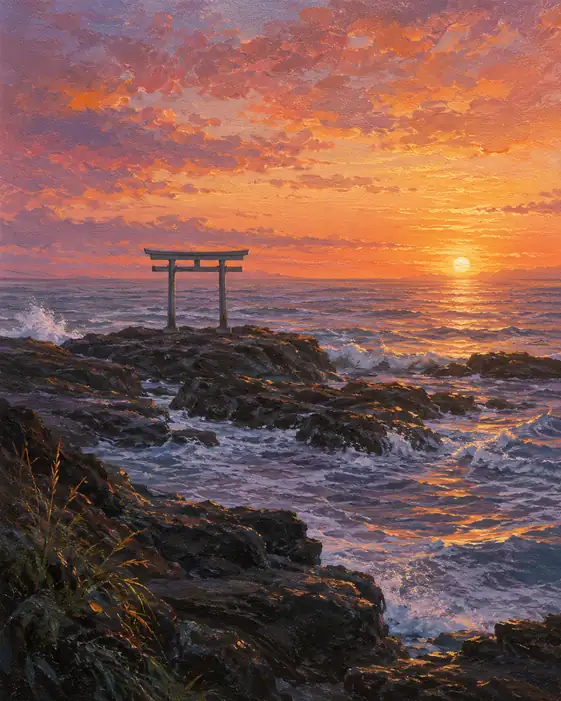 Dawn Opens a Channel Through Stone
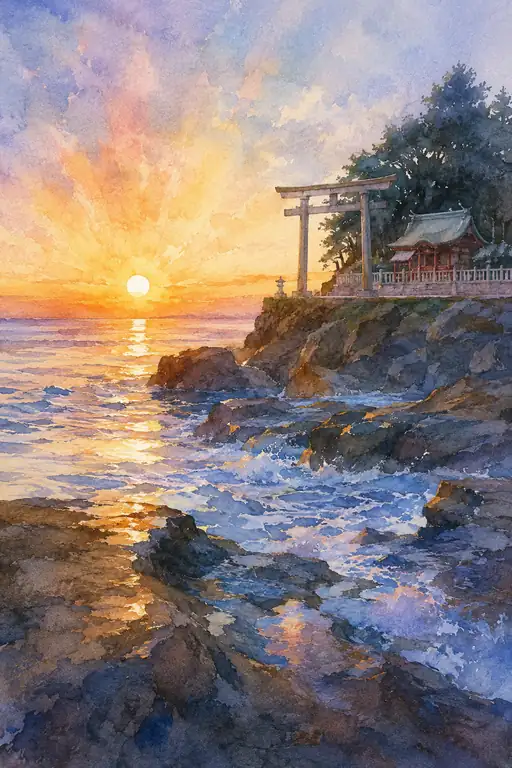 Morning Climbs Toward the Sanctuary
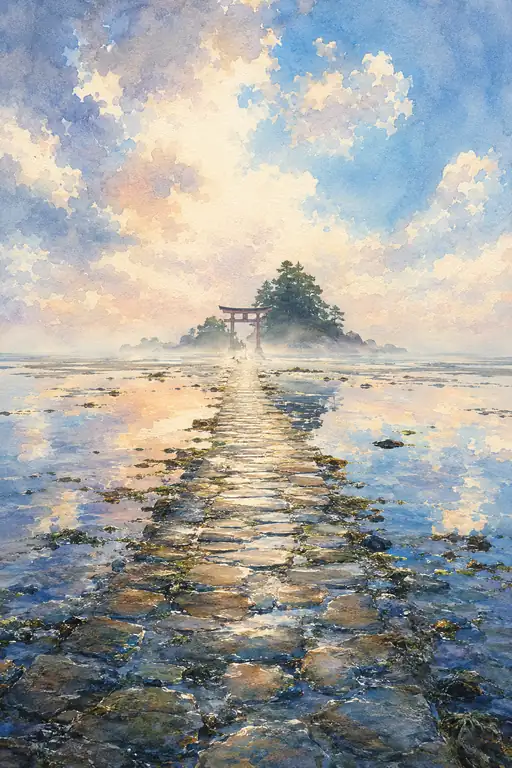 Mirror to the Sacred Island
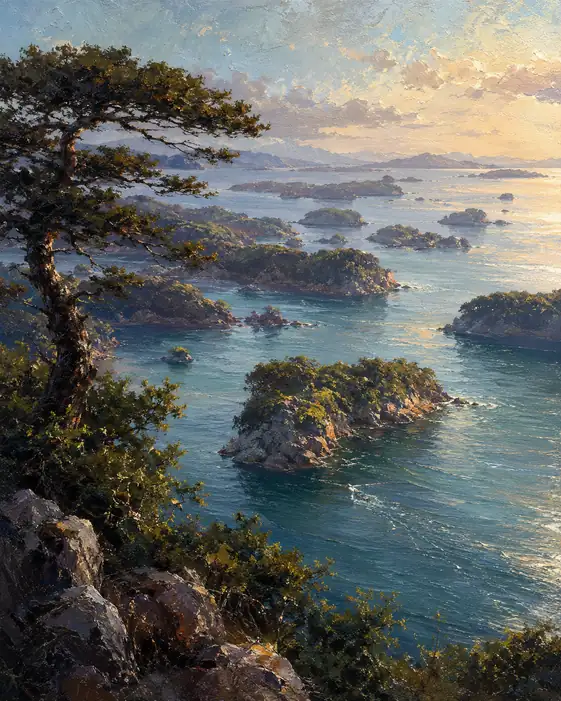 Eternal Dawn over the Emerald Archipelago