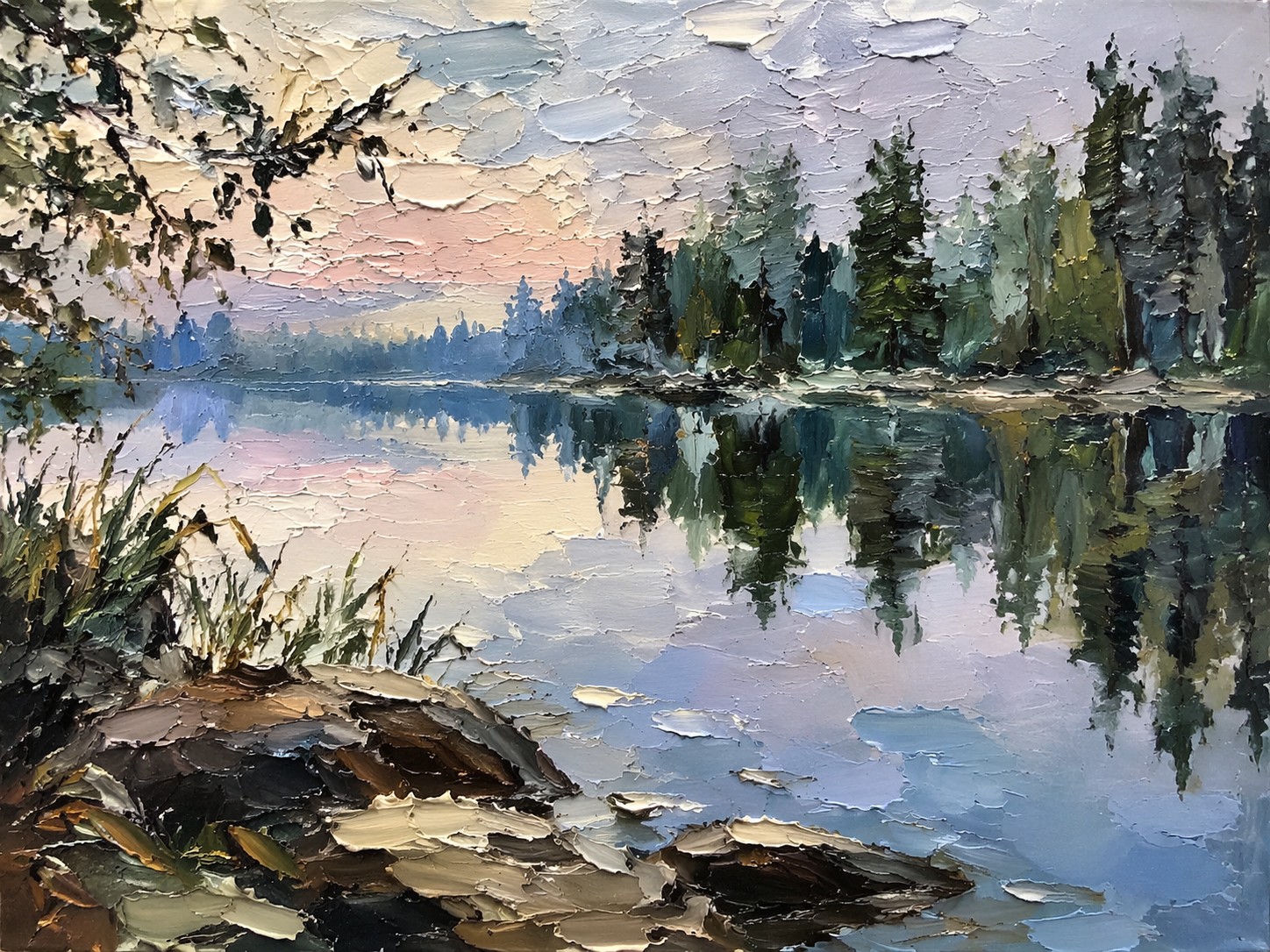
Mirror of the Silent Dawn
Critique
1. Introduction This landscape painting captures a serene lake at twilight or dawn, utilizing a bold impasto technique to render the natural world. The work emphasizes the interplay between the textured land and the reflective surface of the water, creating a vibrant yet peaceful atmosphere. 2. Description The composition features a dense evergreen forest lining the far shore, whose forms are mirrored almost perfectly in the still water below. In the foreground, a rugged bank of earth and stone, rendered with thick, structural strokes, provides a sense of immediacy. The sky above is a delicate blend of lavender, pale pink, and soft blue, casting a gentle glow over the entire scene. 3. Analysis The artist’s use of a palette knife or heavy brushwork is the defining characteristic of the piece, giving the light and shadow a physical presence. This tactile quality is particularly effective in the foreground rocks and the dense foliage of the trees. The cool blues and greens of the landscape are punctuated by the warm, pastel tones of the sky, balancing the overall color temperature. 4. Interpretation and Evaluation By employing such a vigorous application of paint, the artist transcends a simple depiction of nature to convey the raw energy and substance of the environment. The technical mastery of the impasto method is evident in how the reflections remain legible despite the broken, mosaic-like quality of the strokes. This approach gives the scene a modern, expressive feel while maintaining a classic sense of tranquility. 5. Conclusion While the subject of a reflective lake is common, the heavy texture of this painting offers a unique sensory experience. It successfully invites the viewer to appreciate both the grandeur of the landscape and the physical act of painting itself. Ultimately, the work is a powerful testament to the beauty found in the quiet moments of the wilderness.
Same Subcategory
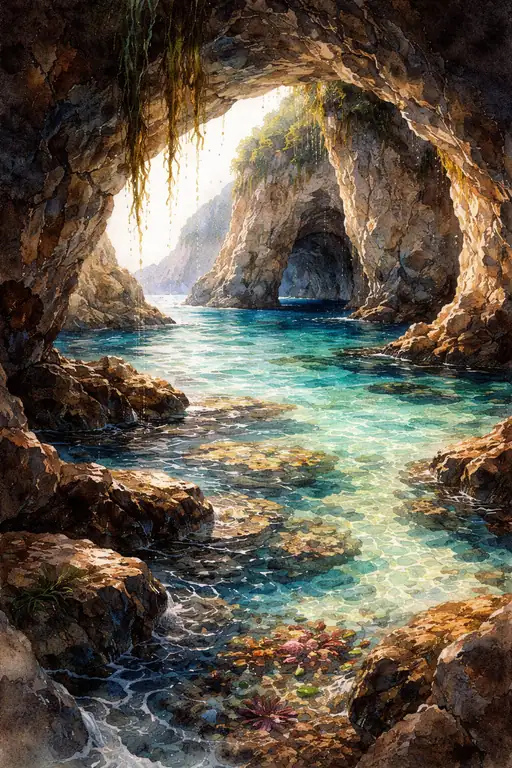 Autumn's Mirror on the Still Lake
Similar Artworks
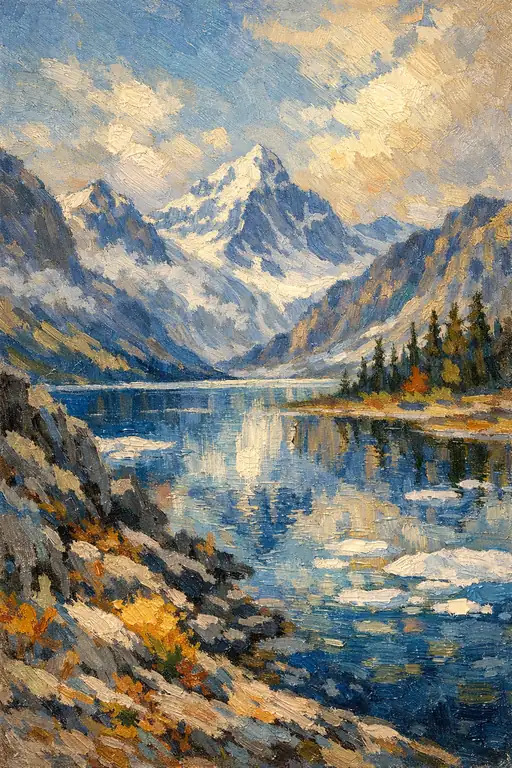 Silent Majesty of the Frozen Mirror
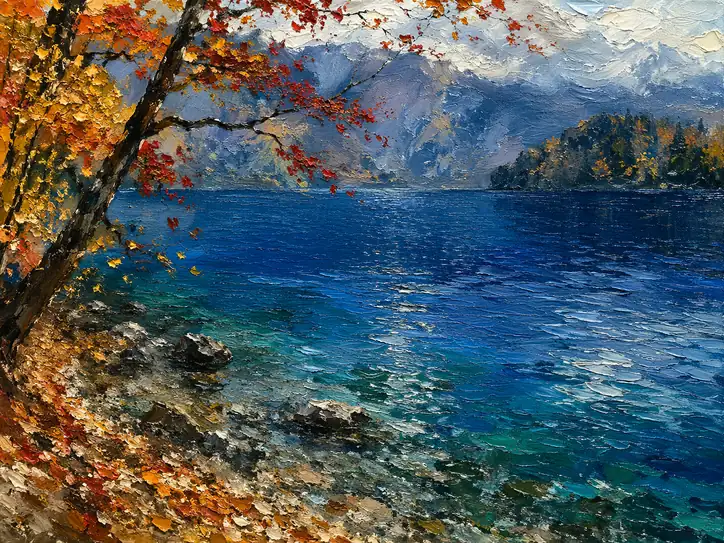 A Slumber in the Shadow of Peaks
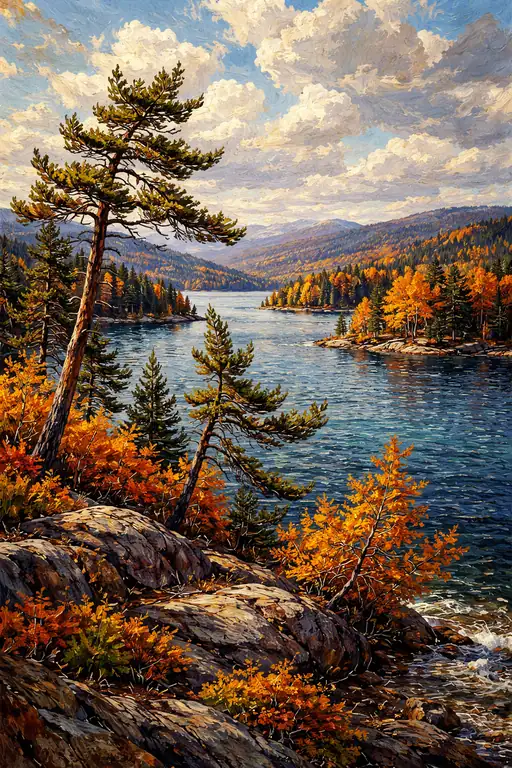 Autumn's Embrace on the Rocky Shore
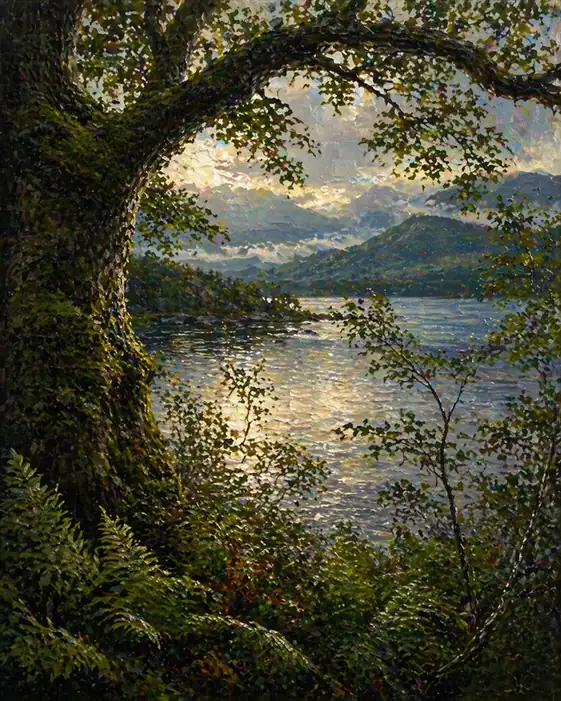 Emerald Embrace: A Lakeside Dream
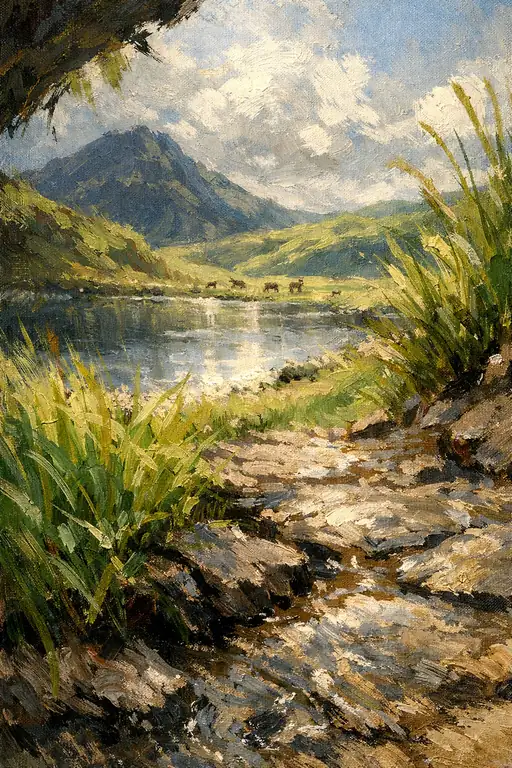 Whispers of the Sunlit Valley
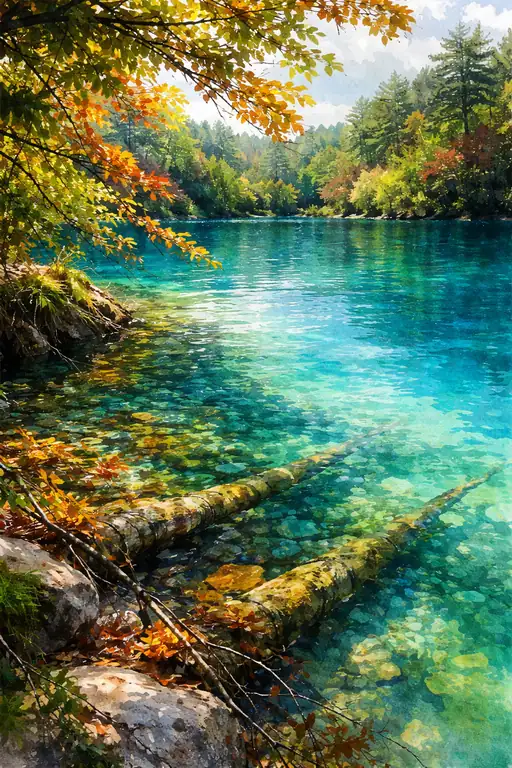 Emerald Depths: The Forest's Mirror
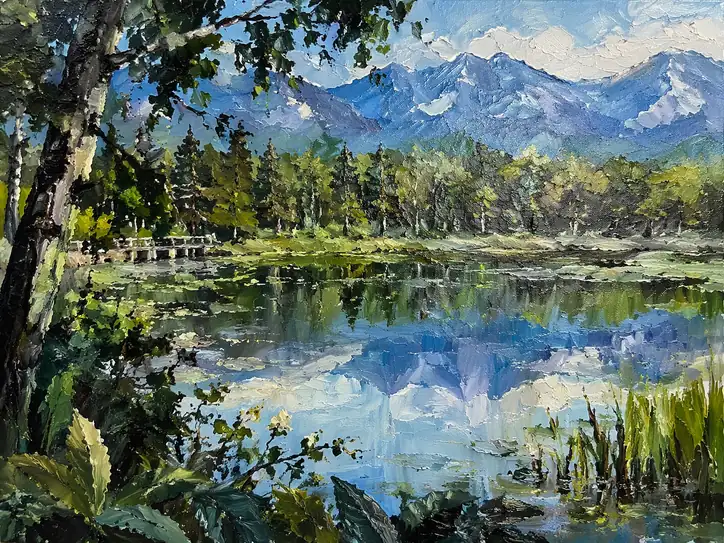 Vibrating Light Beneath the Majestic Peaks
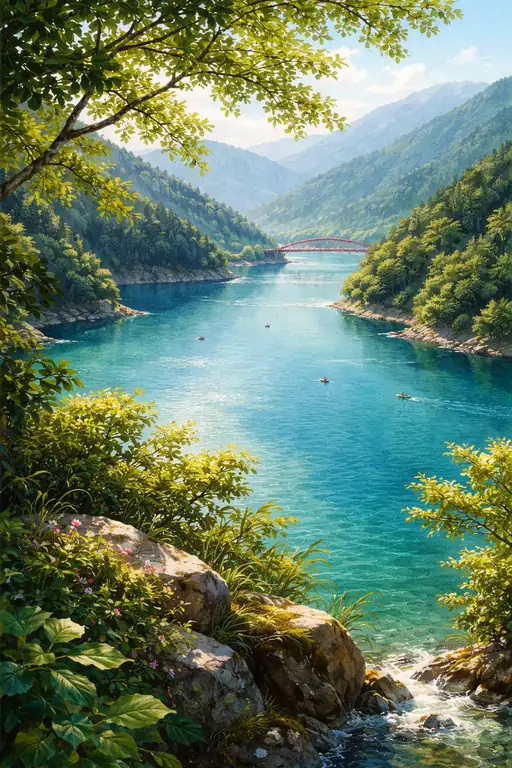 Bridge to the Cosmic Peaks
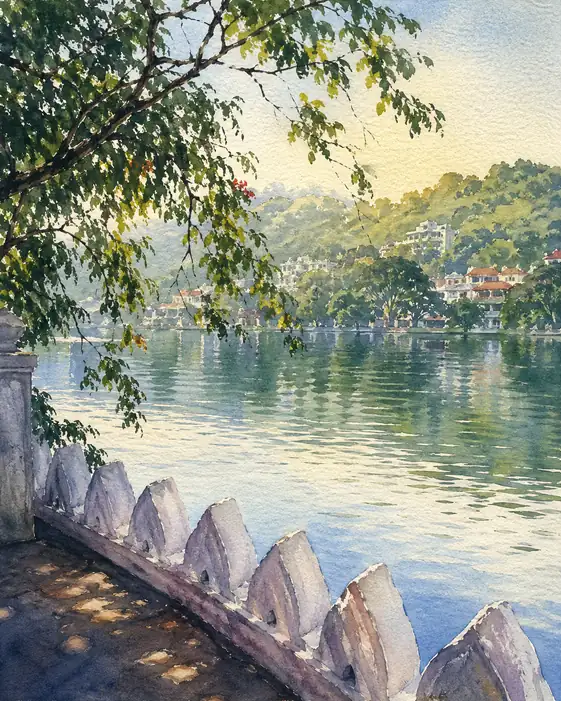 Memories of Light Upon the Water
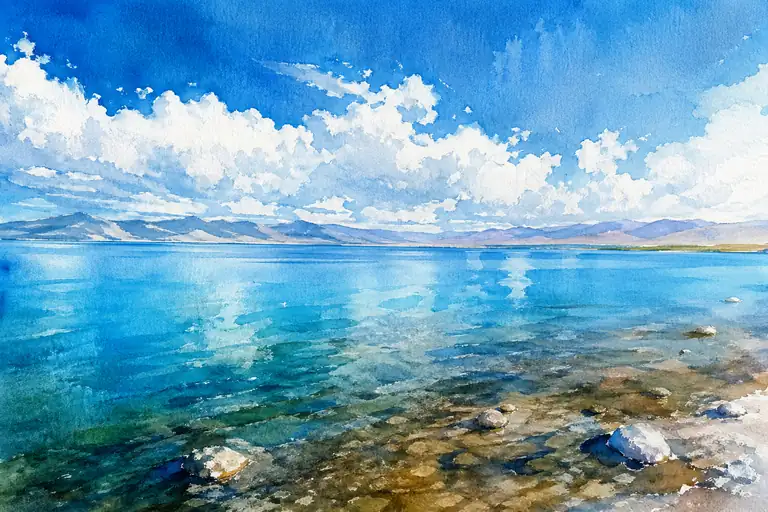 Mirror of the Infinite Blue