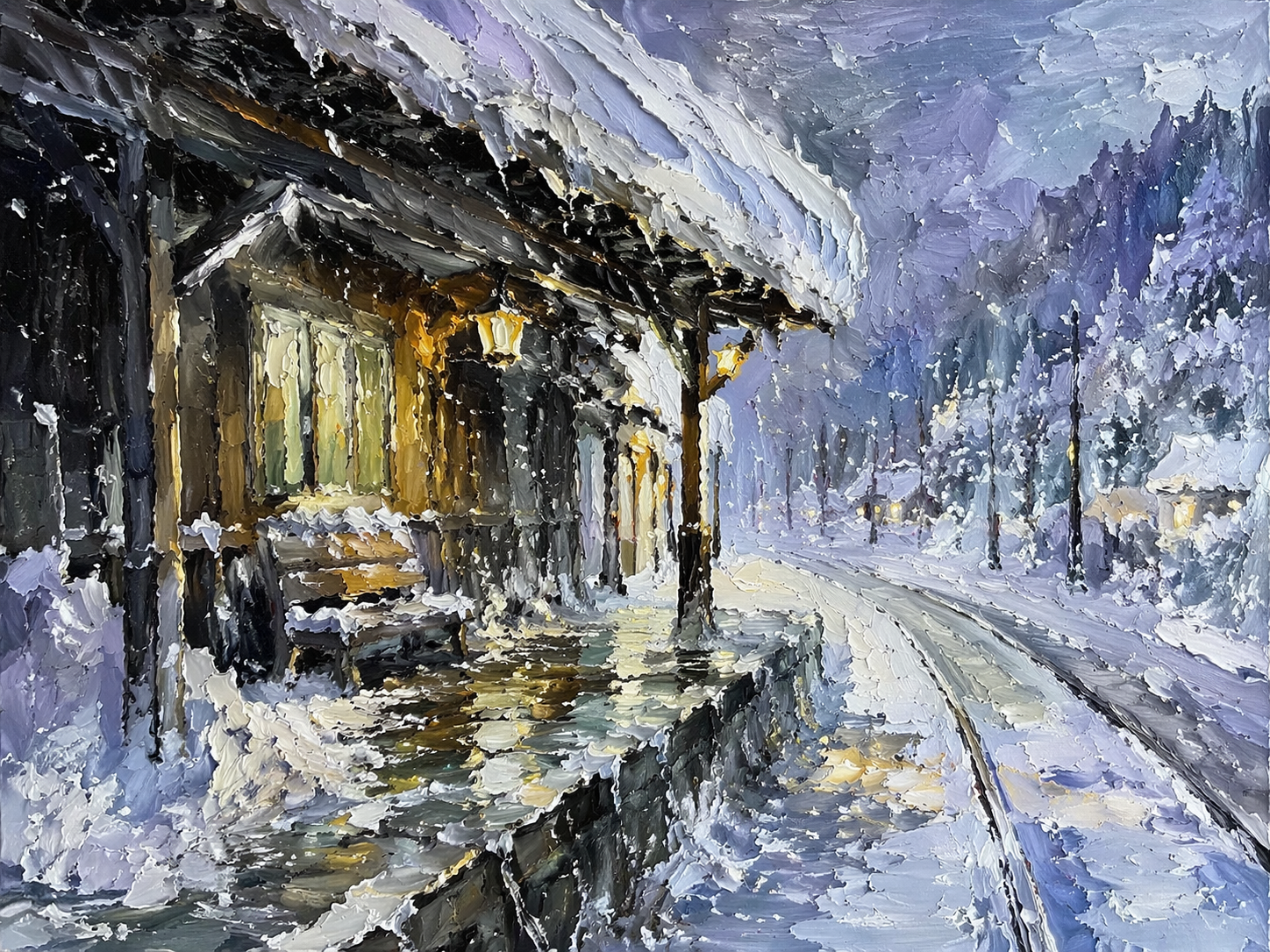
Winter's Refuge
Critique
1. Introduction This oil painting presents a tranquil yet evocative scene of a rural train station enveloped in a deep, wintry twilight. The composition focuses on the architectural details of a wooden station building on the left, juxtaposed with the sweep of snow-covered tracks that curve into the distant right. The artist utilizes a heavy impasto technique, where thick layers of paint create a tactile surface that mimics the physical weight and texture of accumulated snow. 2. Description On the left side of the canvas, the station building features a weathered wooden facade and a prominent overhanging roof heavily laden with white snow. Warm, golden light emanates from the rectangular windows, casting a soft glow onto the dark wooden walls and the snowy platform below. To the right, the railway tracks are defined by subtle, dark lines emerging from the white expanse, leading the viewer's eye toward a faint, distant cluster of lights. The sky is a complex blend of violet, gray, and deep blue, suggesting the onset of night. 3. Analysis The work is characterized by a high-contrast color palette that pits the freezing blues and purples of the landscape against the inviting oranges and yellows of the interior light. This temperature contrast creates a clear focal point at the windows, drawing immediate attention to the suggestion of human presence. The structural verticality of the station’s wooden pillars provides a stable anchor, which is then balanced by the fluid, receding curves of the snowy tracks. The physical depth of the paint adds an extra dimension, catching local light and creating real shadows on the canvas. 4. Interpretation and Evaluation This piece successfully captures the dual nature of winter, presenting it as both a harsh, cold environment and a backdrop for cozy refuge. The technique displays significant mastery over the palette knife, as the broad, confident strokes convey complex shapes without relying on fine lines. The dramatic lighting elevates the scene from a simple landscape to a narrative moment filled with quiet anticipation. The artist’s ability to balance the rough, sculptural quality of the paint with the delicate nuances of glowing light demonstrates a refined aesthetic sensibility and technical proficiency. 5. Conclusion While the initial impression is one of overwhelming cold and isolation, a closer examination reveals the profound sense of safety found within the glowing windows. The artist manages to transform a mundane architectural subject into a poetic exploration of light and texture. Ultimately, the painting stands as a powerful testament to the beauty inherent in quiet moments of solitude during the winter season. The interplay between the thick medium and the ethereal light ensures that the work remains visually engaging from various distances.
Same Subcategory
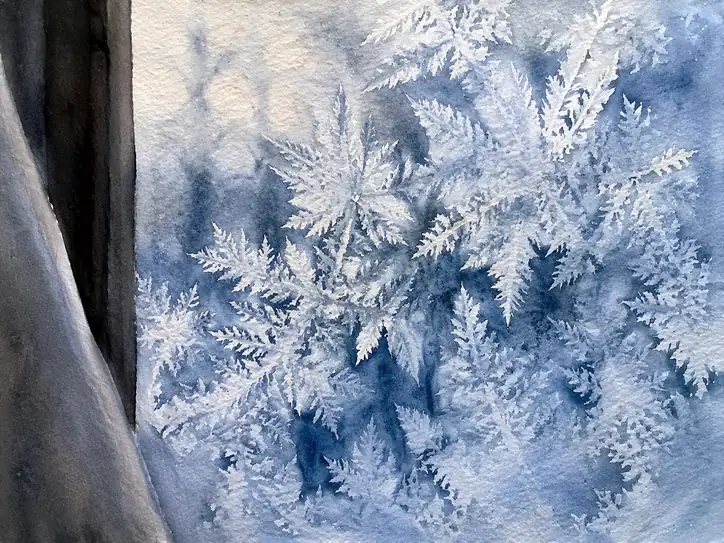 Silent Breath of Frost
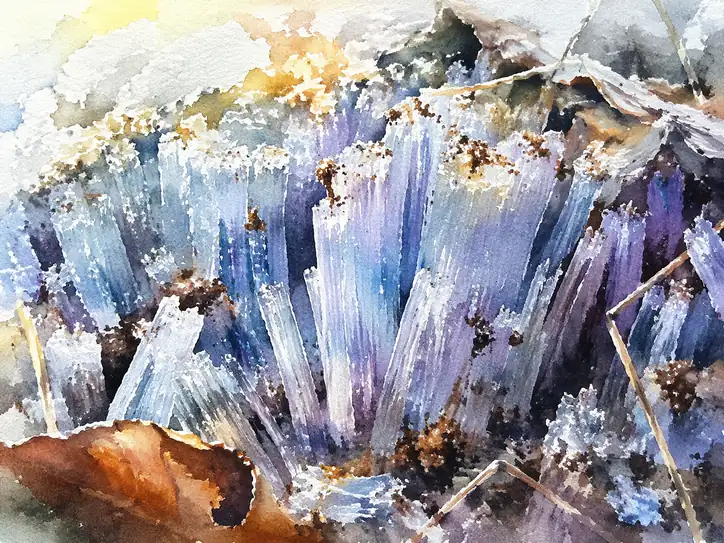 Crystalline Slumber: The Frost's Morning Delicate Crown
Similar Artworks
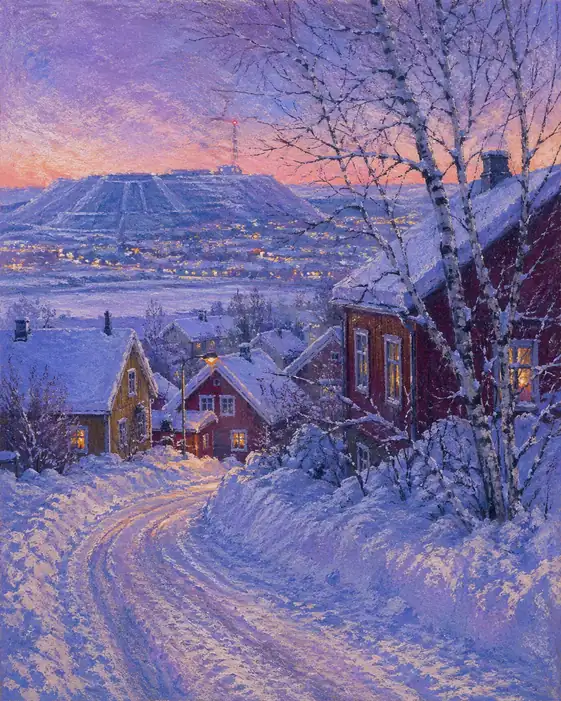 Gothic Radiance
 Mirror of the Frosty Silence
 Golden Echoes in the Silent Snow
 Golden Glow in the Frosty Woods
 Dawn's Embrace in the Slumbering Woods
 Golden Silence of the Winter Pines
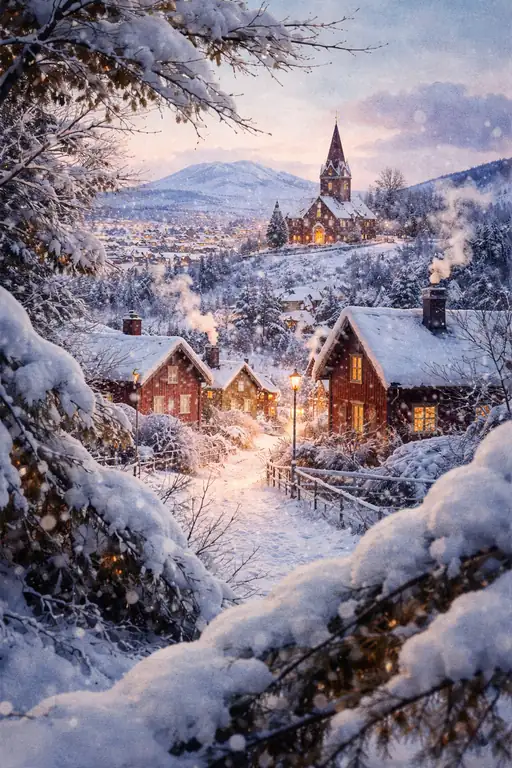 A Cozy Haven in the Freezing Twilight
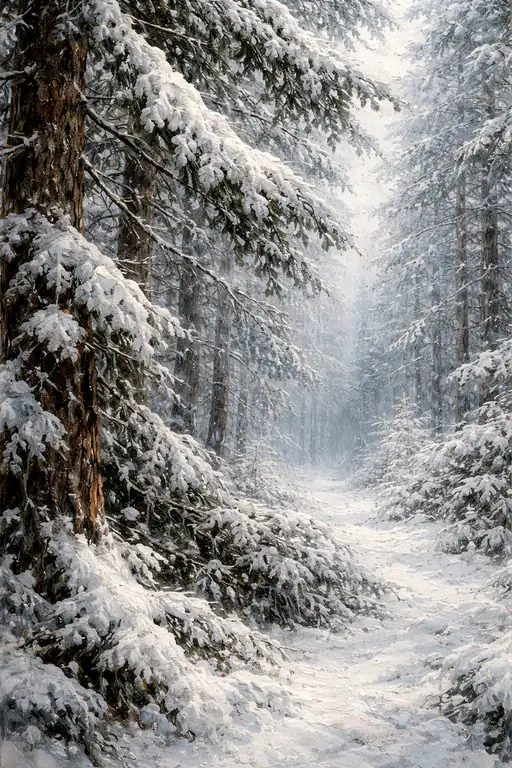 Path Through the Winter Woods
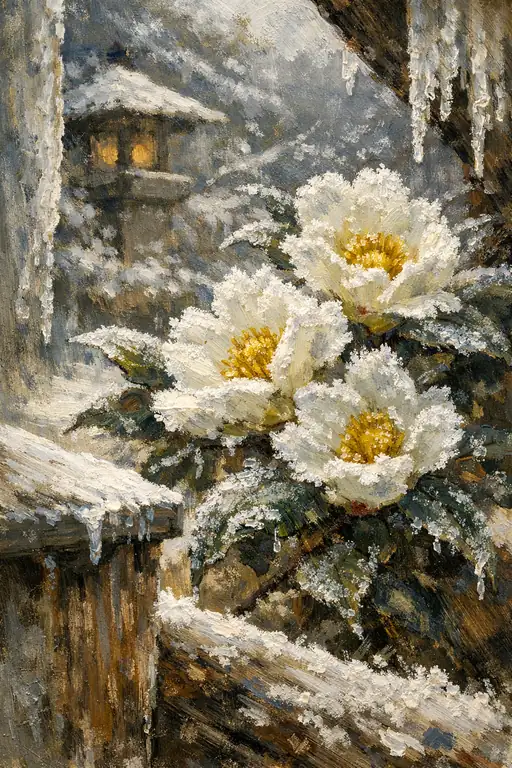 Winter's Soft Embrace
 Magical Aurora Over Snow-Covered Mountains Under a Starry Night Sky