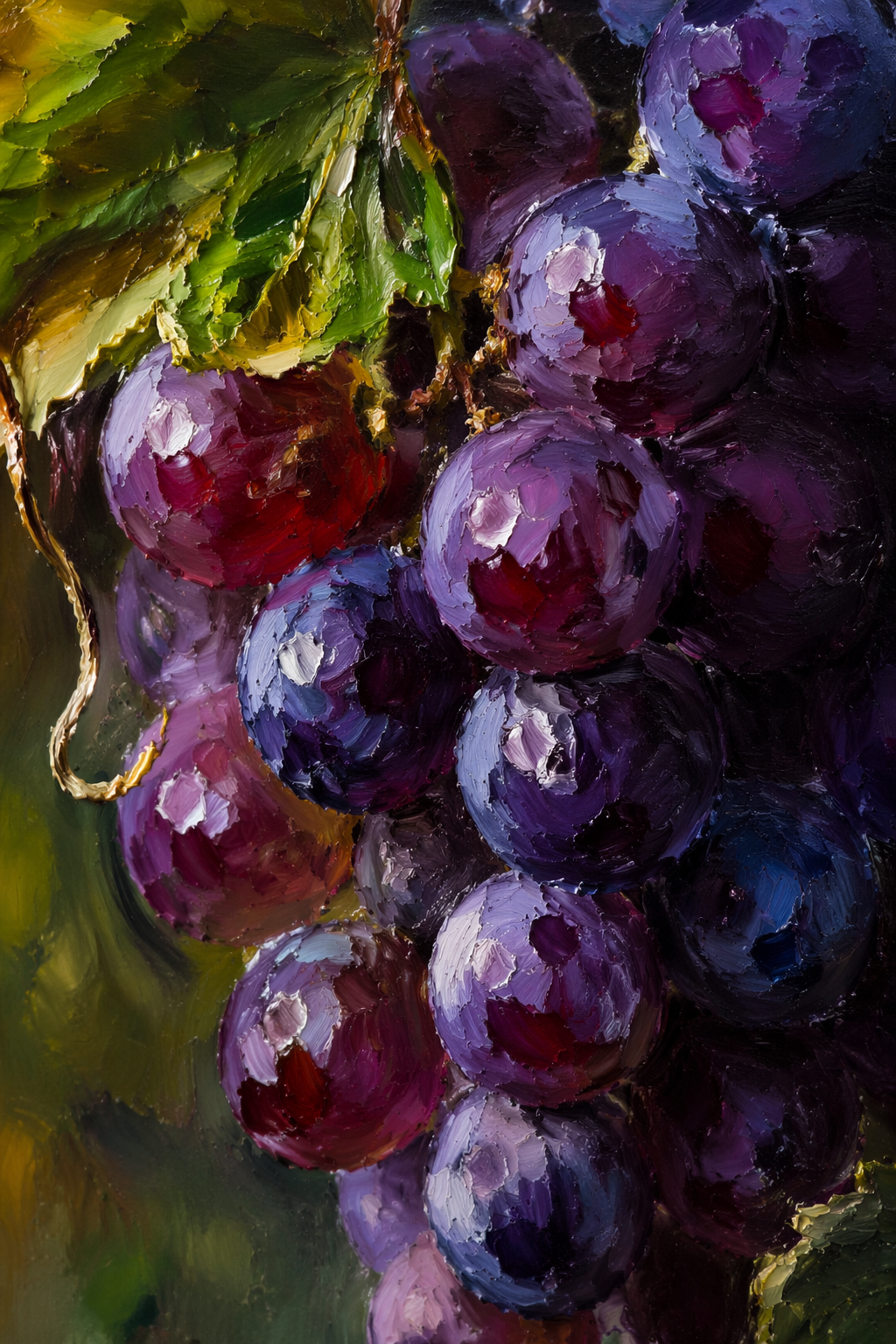
Violet Shadows and Harvest Light
Critique
1. Introduction This oil painting presents a compelling study of a cluster of grapes, characterized by a bold and expressive impasto technique. The artist effectively utilizes thick, sculptural brushstrokes to convey the physical presence and richness of the fruit. By focusing on a tight composition, the work emphasizes the interplay of light and shadow across the multifaceted surfaces of individual grapes. The piece moves beyond simple representation, inviting the viewer to engage with the tactile qualities of the medium itself. It is a work that celebrates the material essence of both the subject matter and the oil paint. 2. Description The composition is dominated by a dense cluster of grapes, rendered in a sophisticated palette of deep violet, crimson, and plum. Each individual grape is a repository of varied color, with highlights of pale lavender and bright white indicating the reflection of light on their curved surfaces. A large, textured green leaf arches over the top of the cluster, its surface worked with visible palette knife marks. The background remains dark and tonally subdued, which serves to push the vibrantly colored grapes into the foreground. The overall effect is one of intense saturation and rhythmic pattern, created by the repeating spherical forms. 3. Analysis The primary analytical focus of this work is its extraordinary texture, or matière. The heavy application of paint creates a literal three-dimensionality that catches the light in different ways depending on the viewer's angle. Strong chiaroscuro effects are employed, with deep shadows between the grapes providing the necessary depth to make them appear solid and weighty. The artist's handling of color is particularly noteworthy; instead of using flat tones, each fruit is a mosaic of smaller, distinct strokes that blend optically. This technique imparts a sense of internal light and energy to the fruit, making the cluster appear almost luminous. 4. Interpretation and Evaluation This painting can be interpreted as an exploration of sensory experience through the lens of traditional still life. The choice of the impasto technique elevates the humble grape into a monumental subject, emphasizing its ripeness and vitality. The work successfully balances descriptive accuracy with an almost abstract preoccupation with the physical properties of paint. From an evaluative standpoint, the artist demonstrates exceptional control over the medium, managing to maintain clarity of form despite the heavy accumulation of pigment. The composition is well-balanced, and the color harmony creates a mood of sophisticated opulence that is both timeless and modern. 5. Conclusion In conclusion, the work is a powerful demonstration of how texture can be used to enhance the emotional and physical impact of a painting. The artist’s ability to imbue inanimate objects with such a strong sense of life is a testament to their technical skill. While the initial attraction is the vibrant color, the lasting impression is one of the substantiality and richness of the form. This study of grapes stands as a successful fusion of traditional subject matter and a modern, tactile approach to oil painting. It ultimately leaves the viewer with a profound appreciation for the expressive potential of a heavily worked surface.
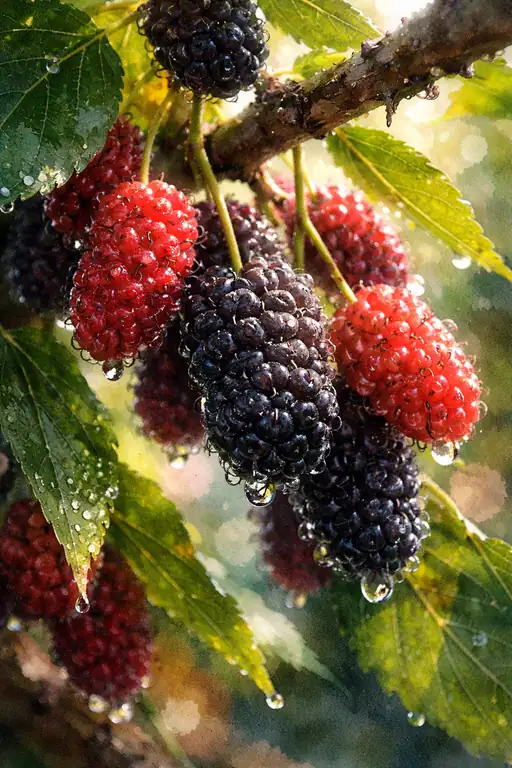 Tears of the Midnight Mulberry
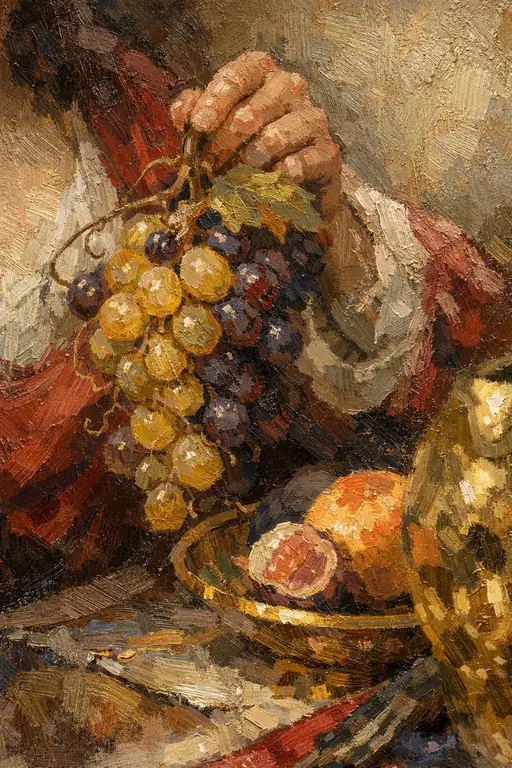 Bounty Held in Grateful Hands
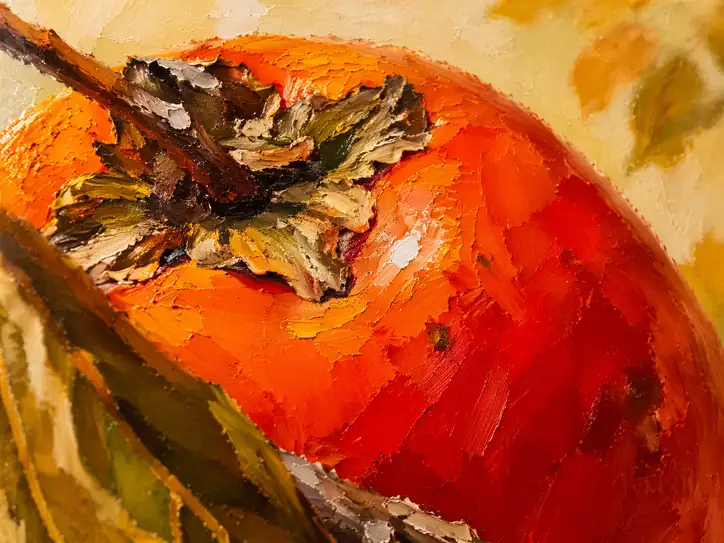 Crimson Globe of Autumn
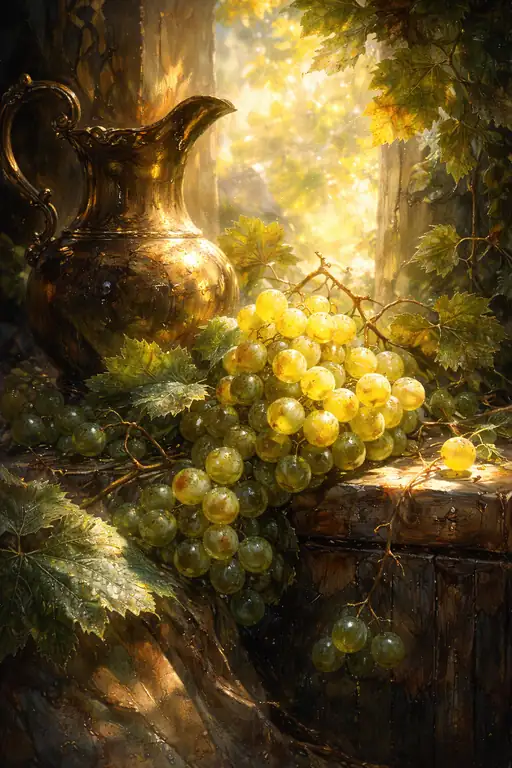 Whispers of the Sunlit Vine
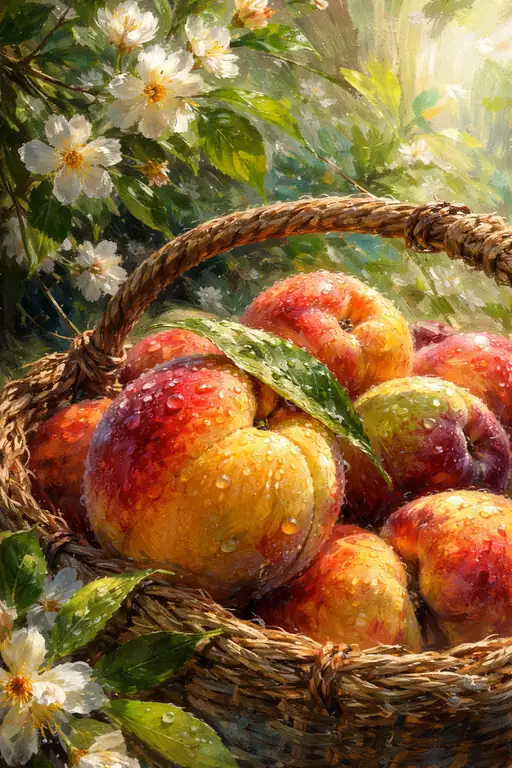 Summer's Bounty
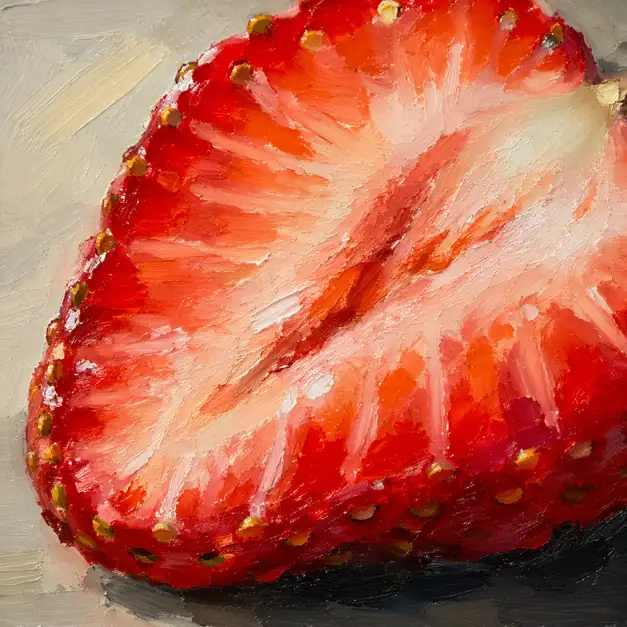 Radial Energy of the Strawberry Core
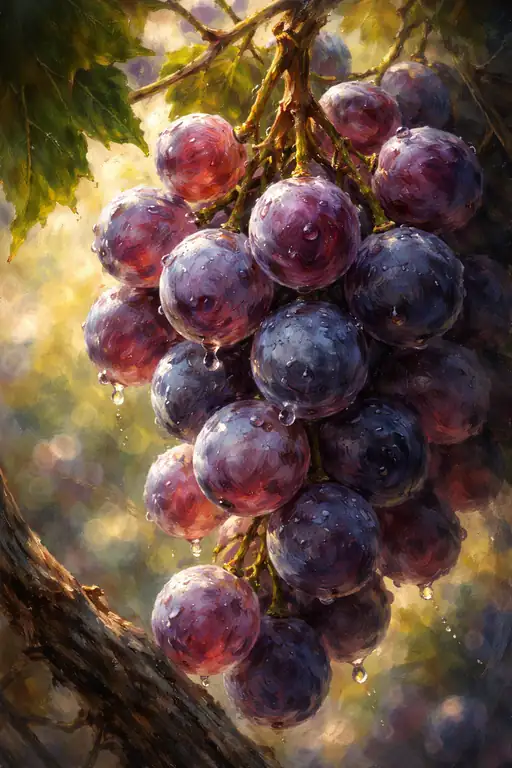 Juicy Jewels of the Vintage Vine
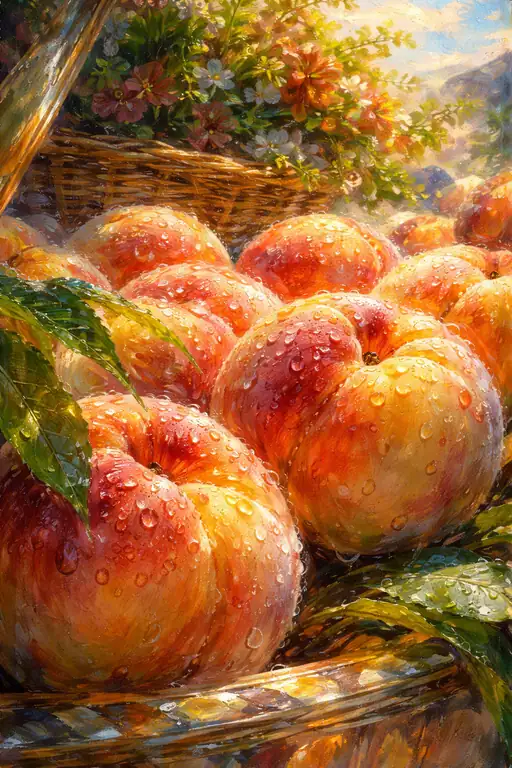 Warm Embrace of the Ripe Peaches
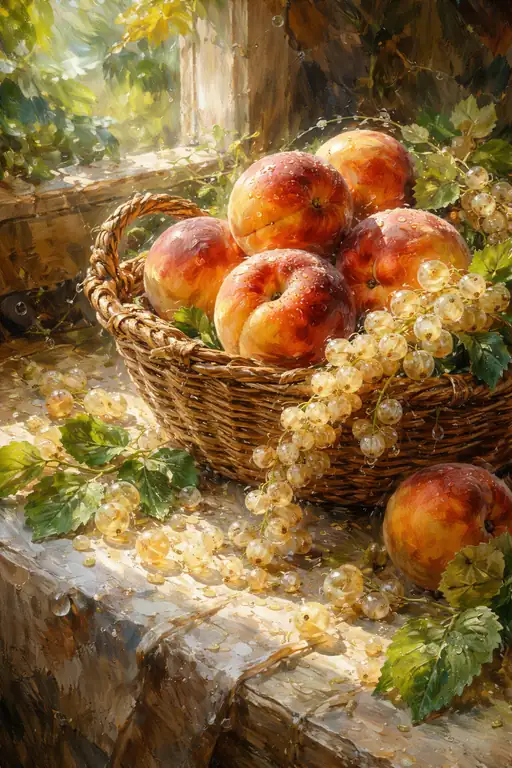 Harvest of the Sunlit Window
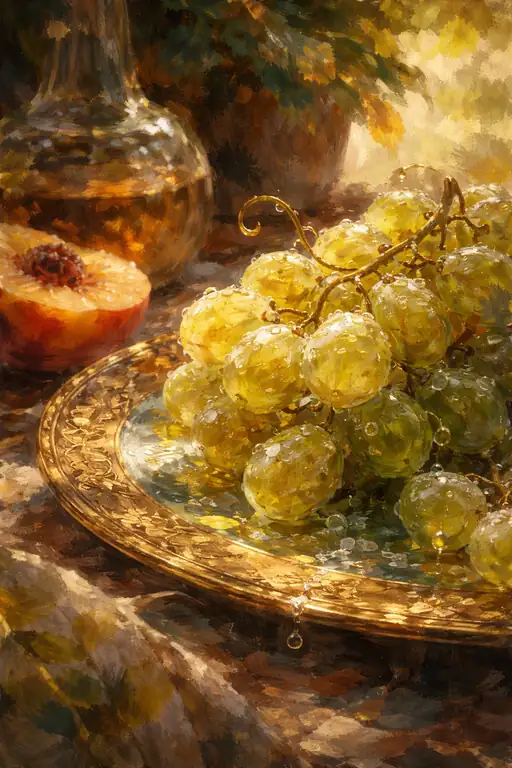 Amber Dreams of the Harvest
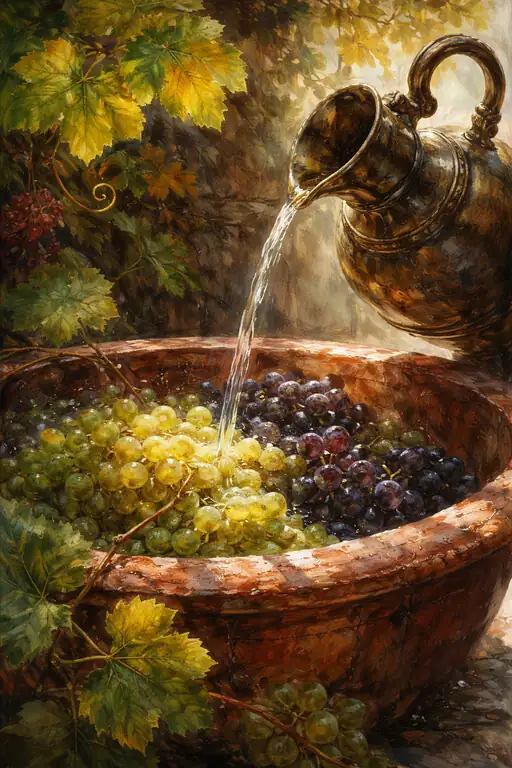 Crystal Tears on the Grapes