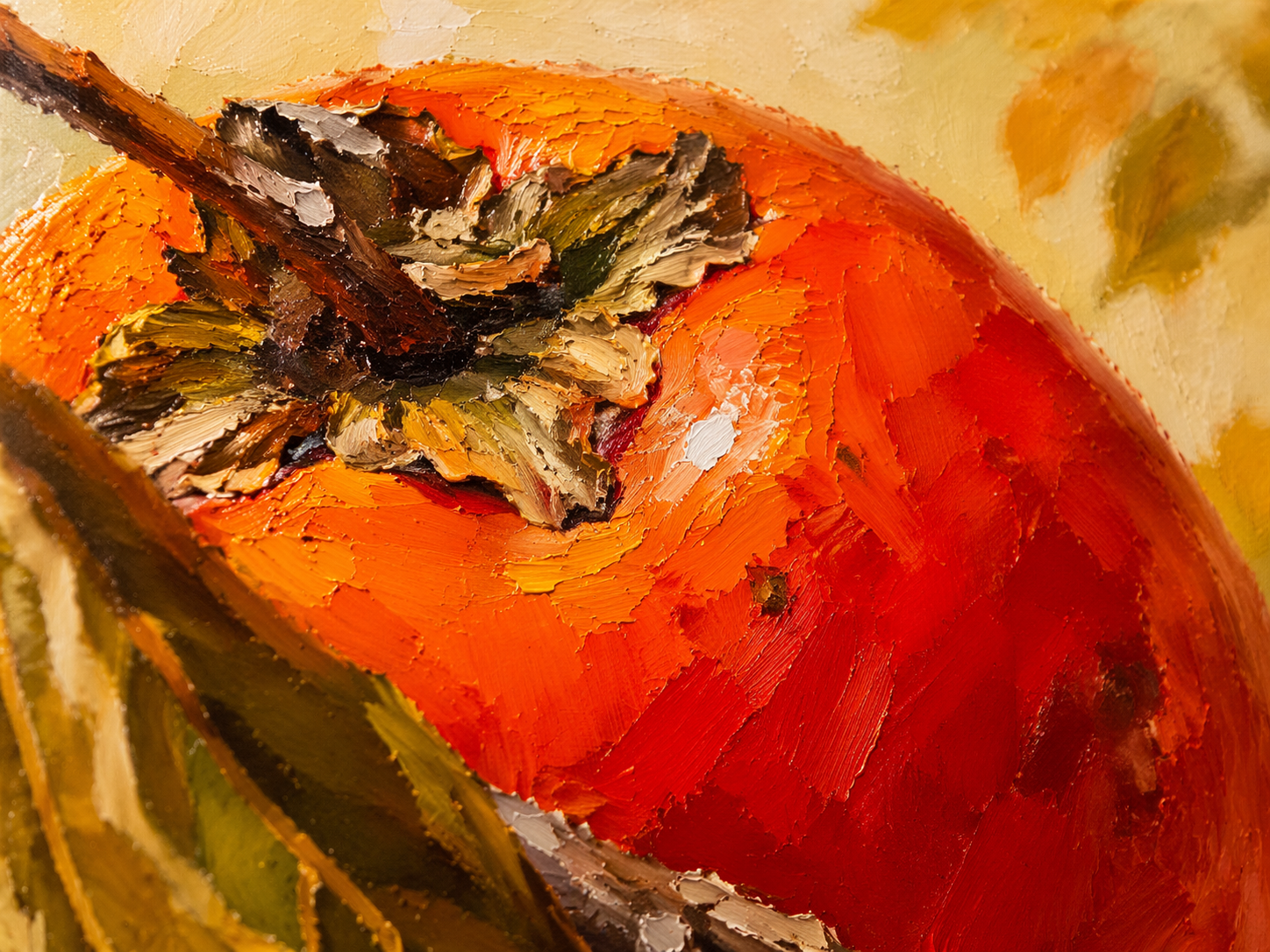
Crimson Globe of Autumn
Critique
1. Introduction This oil painting presents a vivid close-up of a ripe persimmon, executed with a focus on tactile surface textures. The artist employs a macro perspective to capture the intricate details of the fruit’s calyx and its vibrant skin. This foundational approach immediately draws the viewer into a sensory exploration of a familiar autumnal subject. 2. Description The composition is dominated by the large, spherical form of the persimmon, rendered in saturated oranges and deep reds. Thick impasto brushstrokes define the rugged calyx, which features a range of brown and ochre tones. The surrounding leaves and background are suggested through looser, broader strokes of green and pale yellow, providing a soft contrast to the fruit’s core. 3. Analysis The work’s formal strength lies in its aggressive use of texture and light. High-contrast highlights are applied with thick dabs of white paint, simulating the fruit’s reflective sheen. The brushwork follows the fruit’s curvature, creating a sense of volume and weight through rhythmic application rather than precise blending. 4. Interpretation and Evaluation The piece demonstrates a high degree of technical skill in the manipulation of oil media. The artist’s ability to evoke the physical presence of the subject through heavy impasto is particularly effective. While the subject is simple, the original execution and bold color palette elevate the humble fruit into a powerful study of organic form and materiality. 5. Conclusion Initially, the painting appears to be a straightforward still life, but closer inspection reveals a complex interplay of texture and color. The final impression is one of vitality and physical substance, effectively summarizing the artist's masterful command over the impasto technique.
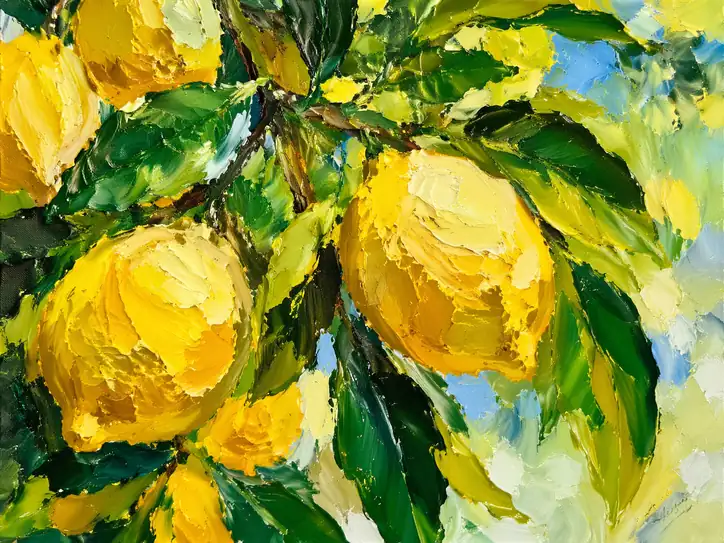 Citrus Vitality
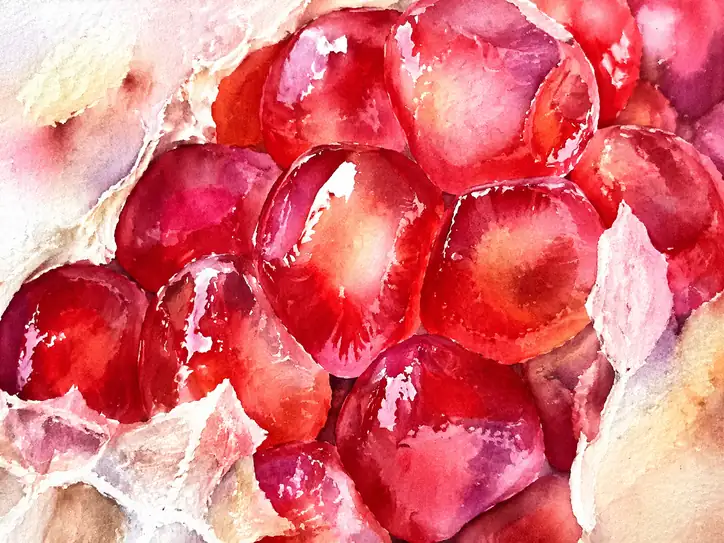 Ruby Jewels of the Orchard
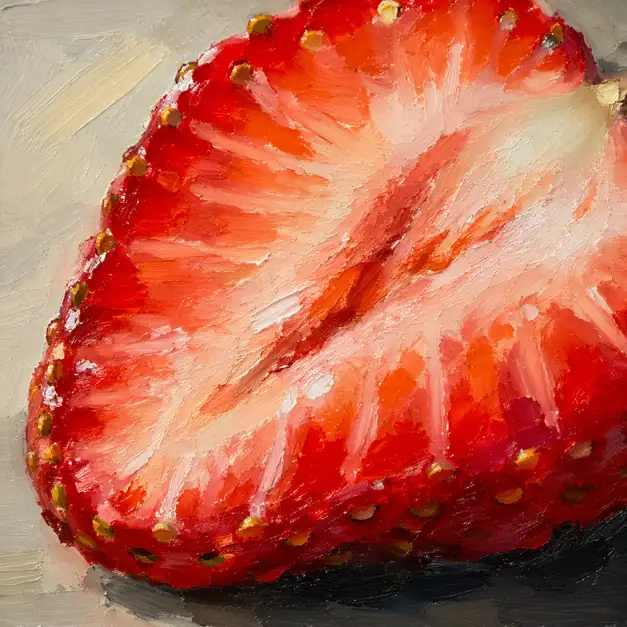 Radial Energy of the Strawberry Core
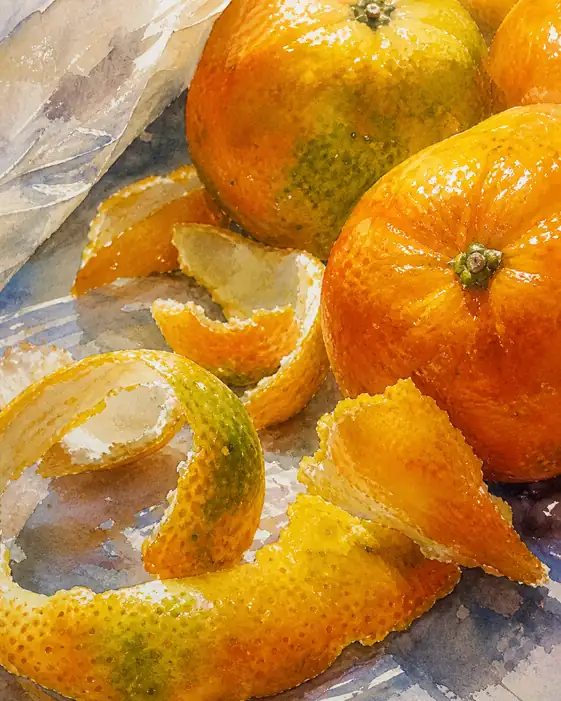 Life’s Spiraling Radiance
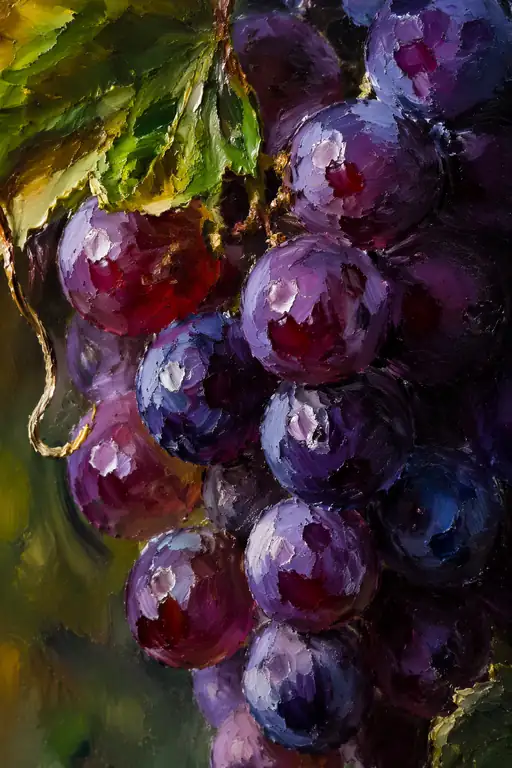 Violet Shadows and Harvest Light
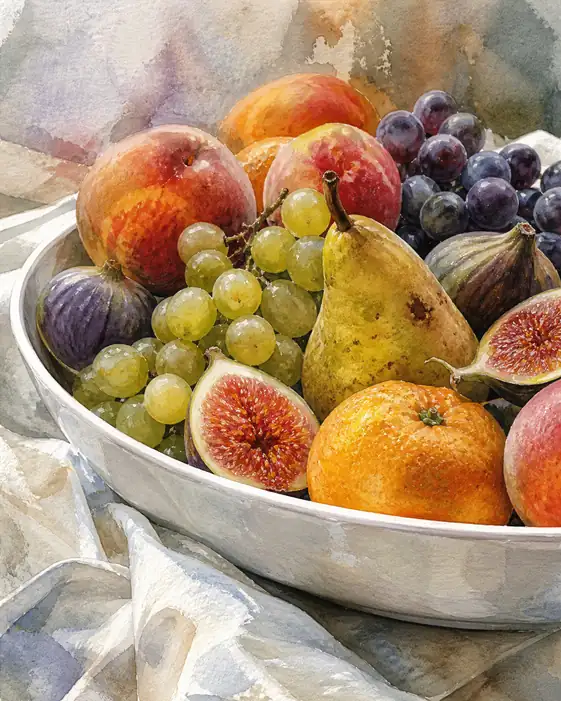 Symphony of Nature's Bounty
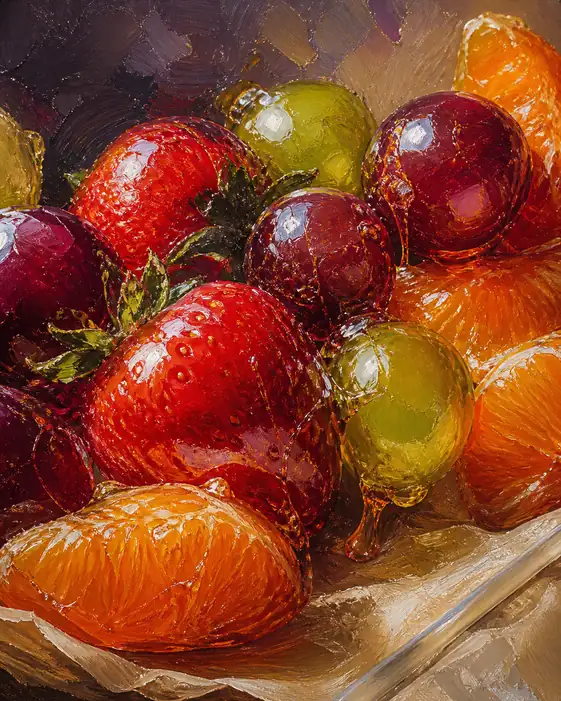 Crystal Harvest: The Soul’s Sweetness
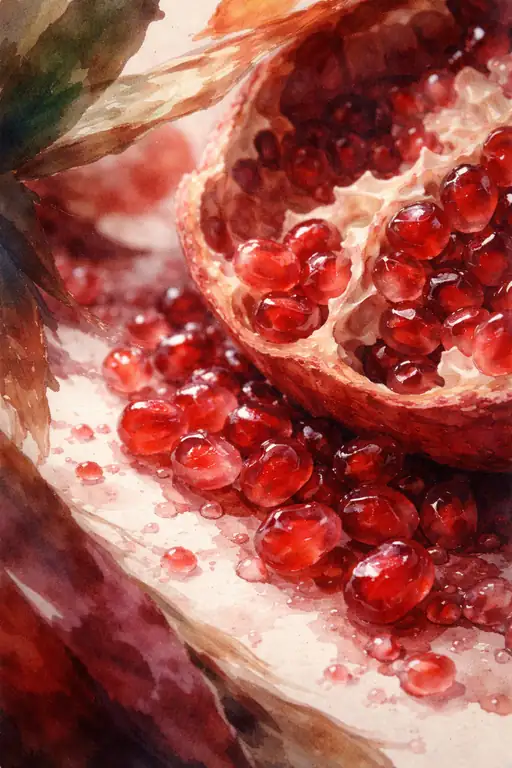 The Bursting Secret of Life
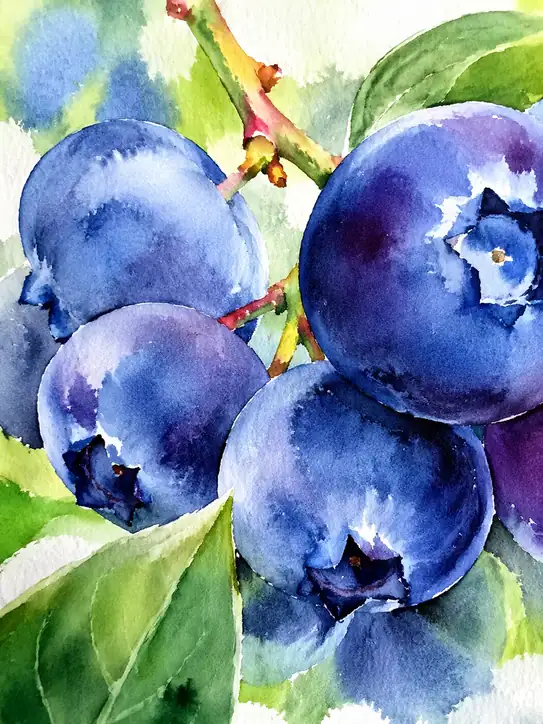 Indigo Globes of the Morning Dew
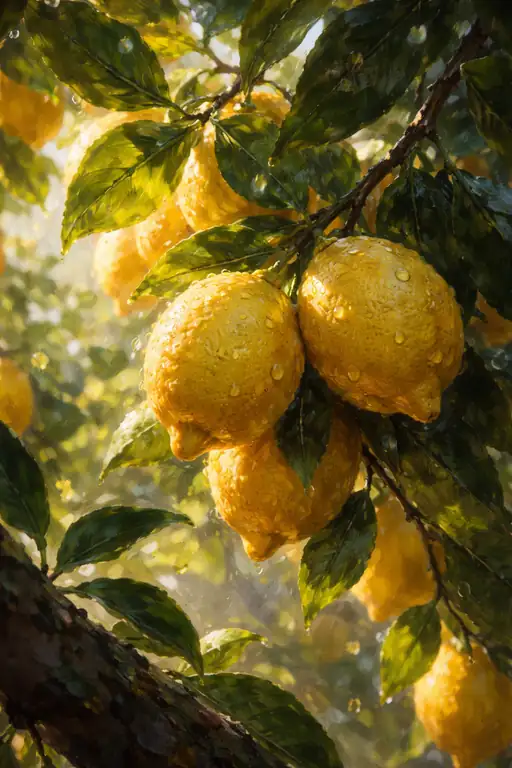 Tears of Gold in the Rain
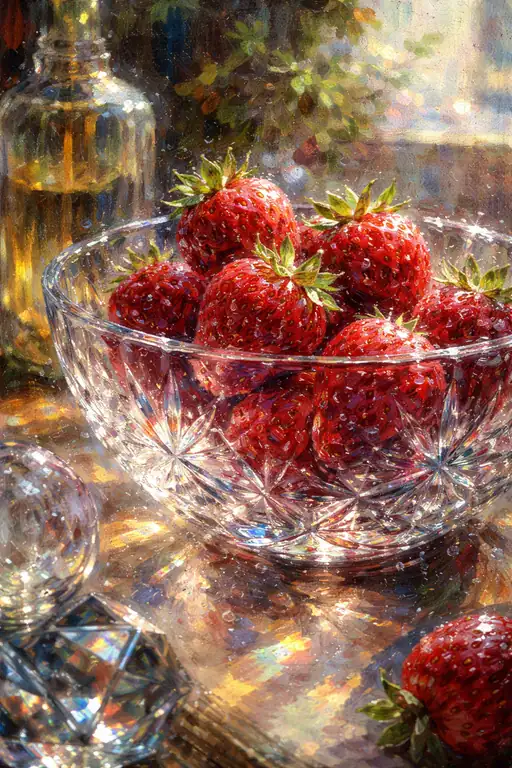 Crimson Gems of Summer's Zenith