Symmetry in Pine and Amber
Critique
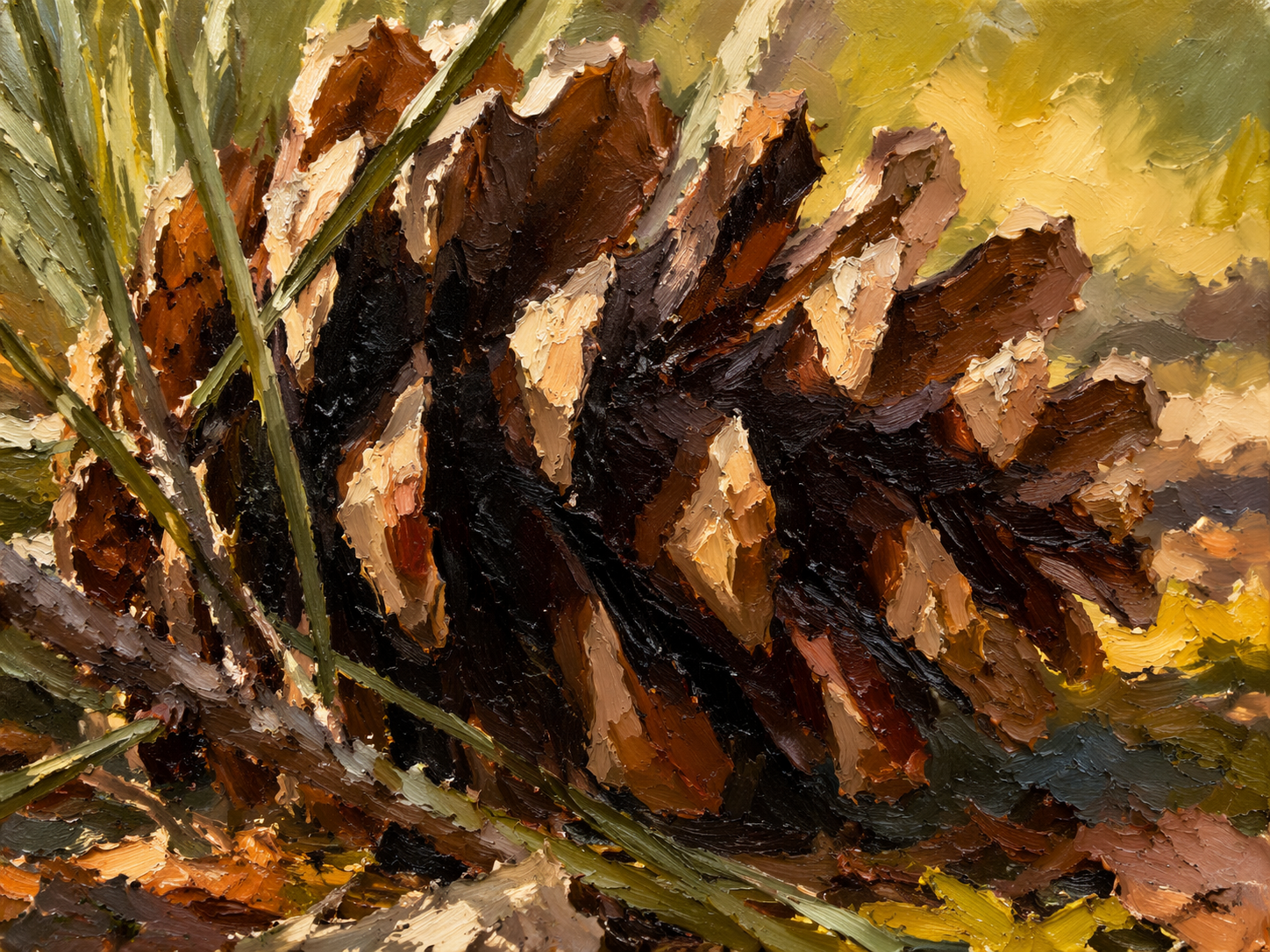
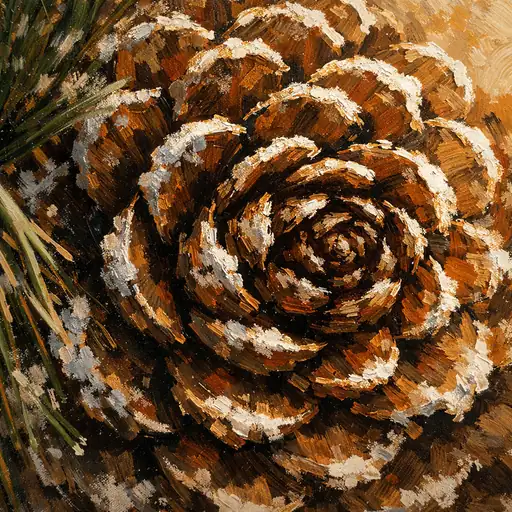
1. Introduction This oil painting presents a compelling and highly textured study of a pine cone resting on a bed of needles, utilizing a heavy impasto technique to emphasize its rugged form. The artist focuses on the intricate geometry of the pine cone's scales, transforming a common forest-floor object into an investigation of volume and material weight. Set against a backdrop of warm, dappled light, the work captures a quiet moment of natural stillness within a forest ecosystem. The piece demonstrates a significant investment in the physical properties of oil paint, using its thickness to mirror the hardy, organic textures found in the wild. 2. Description The primary subject is a large pine cone, positioned diagonally across the composition. Its individual scales are rendered with thick, decisive strokes of amber, burnt sienna, and dark umber, with lighter ochre highlights indicating where sunlight catches the edges. Several slender green pine needles crisscross the foreground and upper-left corner, their linear forms providing a sharp contrast to the staccato texture of the cone. The ground below is a complex mosaic of earthy browns and muted yellows, suggesting a layer of fallen leaves and organic debris. The overall color palette is warm and naturalistic, evoking the atmospheric quality of a sunlit woodland floor. 3. Analysis The work’s primary strength lies in its structural rhythm, established by the repeating patterns of the pine cone's scales. The artist utilizes strong chiaroscuro to define these individual elements, with deep shadows between the scales creating a sense of profound internal depth. The impasto technique is particularly effective here; the physical height of the paint peaks creates actual shadows on the canvas, enhancing the three-dimensional illusion. By contrasting the heavy, textured application of the pine cone with slightly softer, more blended areas in the background, the artist successfully directs the viewer's focus to the central subject while maintaining a sense of spatial context. 4. Interpretation and Evaluation This painting can be interpreted as a meditation on the enduring beauty of overlooked organic forms. By isolating the pine cone and rendering it with such tactile intensity, the artist invites an appreciation for the complexity and resilience inherent in nature’s reproductive structures. From an evaluative perspective, the work is highly successful in its use of color to convey atmosphere and temperature. The technical decision to use a palette knife or stiff brush to build up the surface adds a modern, expressive energy to a traditional landscape subject. The result is a piece that feels both grounded in direct observation and liberated by the visceral pleasure of the medium. 5. Conclusion In conclusion, the painting is a masterful exploration of texture and light within a micro-landscape. The artist’s ability to imbue a simple pine cone with such a powerful sense of physical presence and dignity is commendable. While the initial attraction is the rich, autumnal color scheme, the lasting impression is one of the substantiality and rhythmic complexity of the form. This work serves as an evocative reminder of the intricate beauty found beneath our feet. The final outcome is a harmonious and robust portrayal that captures the essential character of the forest floor with confidence and skill.
Same Subcategory
 Whispers of the Pearlescent Tide
Similar Artworks
 Fallen Acorn Among Amber Veins
 A Silence Waiting to be Painted
 Sculpture of the Winter Pine
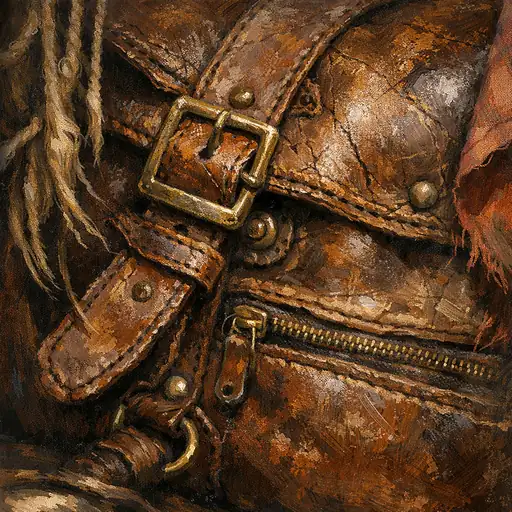 Scars of a Thousand Journeys
 The Eternal Sparkle of a Promise
 A Refreshing Memory Frozen in Time
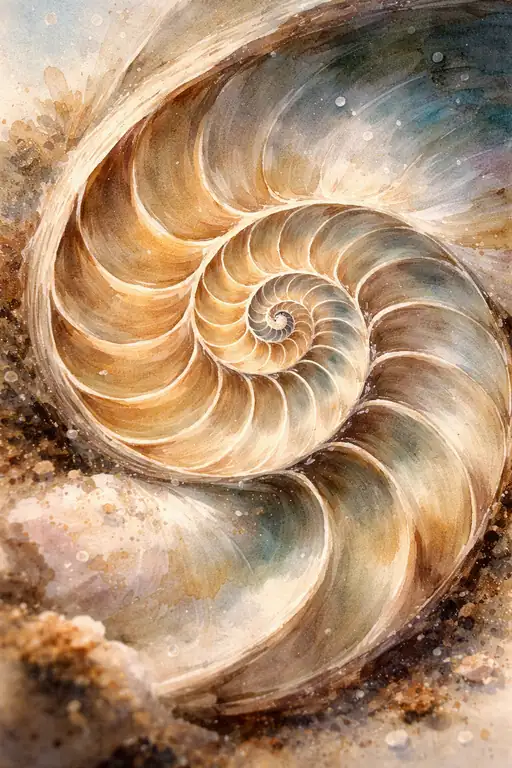 The Golden Ratio of the Ancient Seas
 Whispers of the Still Life
 Nostalgic Tears in the Harbor Light
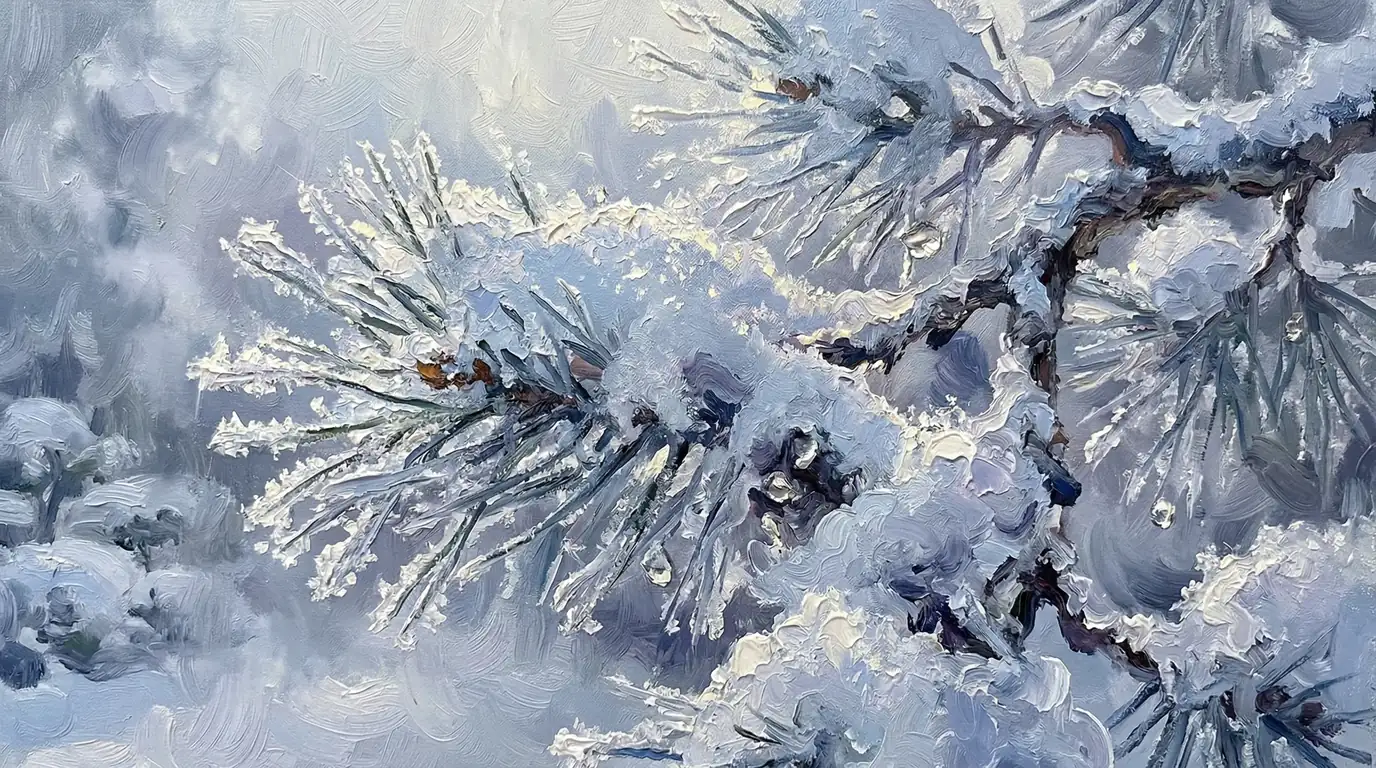 Embrace of the Winter Mantle