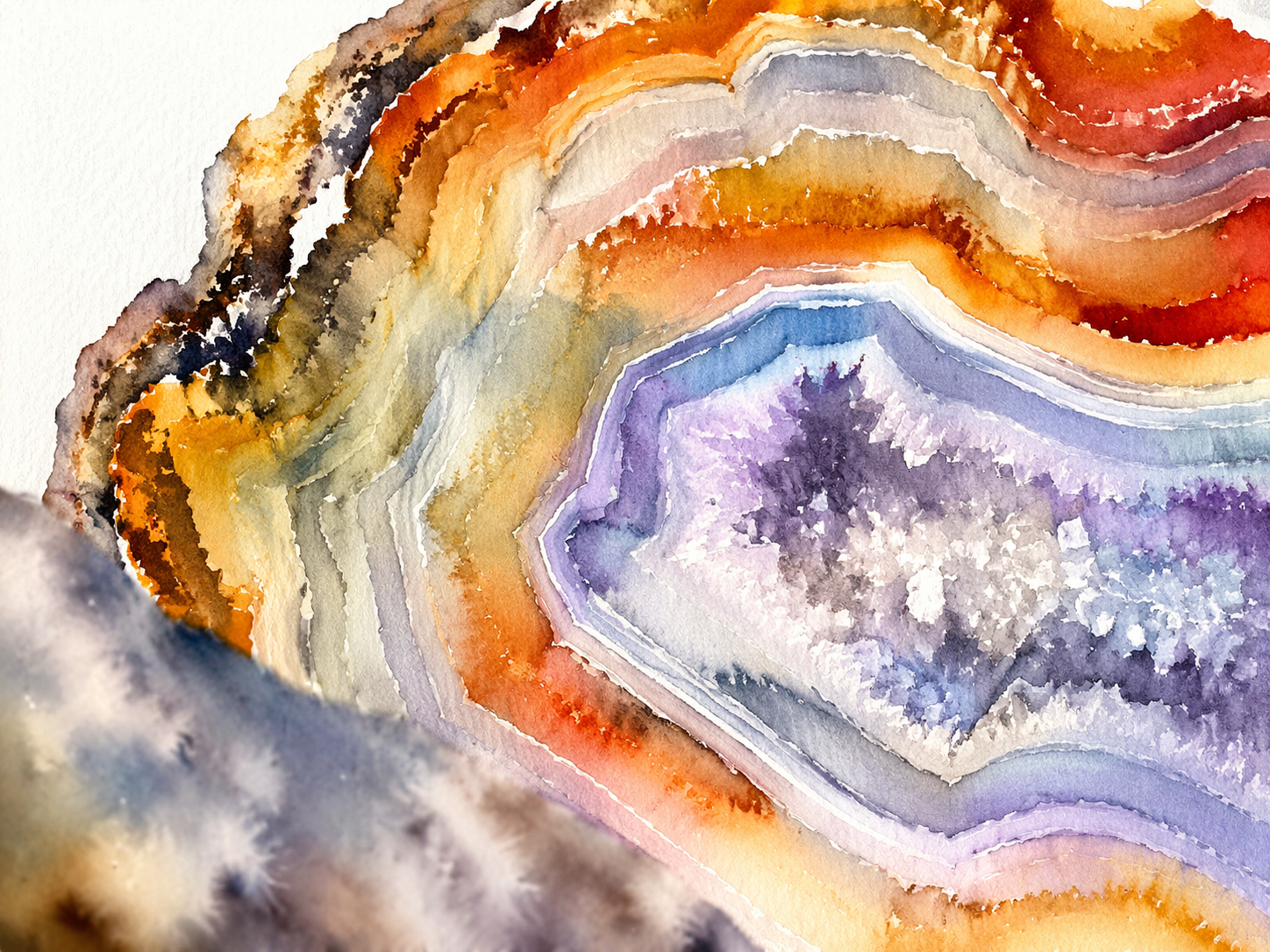
Geological Rhythms
Critique
1. Introduction This vibrant watercolor painting explores the intricate internal structure of an agate or geode, translating geological stratification into a rhythmic display of color. The work balances technical precision with the fluid unpredictability of the medium, creating a compelling visual map of mineral growth. It establishes a high-energy atmosphere through its bold, saturated palette and the dynamic tension of its concentric composition. 2. Description The artwork features a series of jagged, concentric bands in shades of fiery orange, deep red, and pale ochre, which encircle a crystalline core of lavender and violet. The center of the geode is represented by delicate white and purple stippling that suggests a cluster of small quartz crystals. Along the outer edges, the colors transition into muted greys and browns, providing a neutral boundary against the white background of the paper. 3. Analysis The artist utilizes a combination of controlled washes and wet-on-wet techniques to articulate the varying textures of the stone layers. The use of salt or a similar granular technique is visible in the central crystal area, creating a convincing crystalline texture that contrasts with the smoother outer bands. Strong color transitions between the layers are achieved with minimal bleeding, indicating a high degree of control over water distribution and pigment saturation. 4. Interpretation and Evaluation This piece successfully transforms a geological specimen into a sophisticated exploration of abstract form and color harmony. The decision to use a warm and cool color contrast within the concentric rings adds visual excitement and draws the eye inevitably toward the luminous center. Technically, the execution is exceptional, particularly in how the artist manages to retain the brightness of the pigments while maintaining a sense of organic depth and complexity. 5. Conclusion Initially perceived as a bright decorative pattern, the painting reveals itself on closer inspection to be a thoughtful study of natural geometry and translucency. It stands as a vibrant example of contemporary natural history illustration, where the medium of watercolor is pushed to its expressive limit. Ultimately, the work celebrates the hidden beauty of the earth's interior, presenting a fossilized moment in time with remarkable clarity and artistic flair.
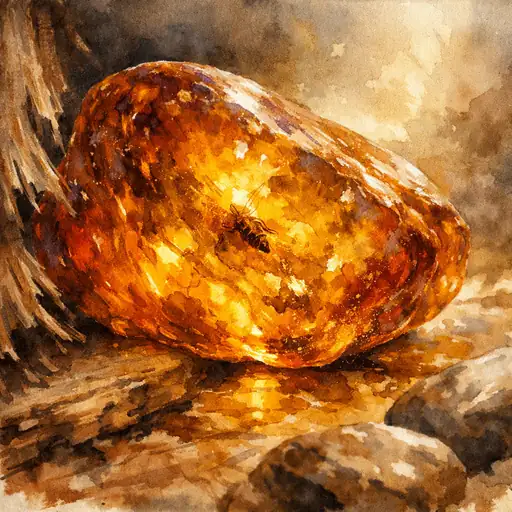 The Golden Tomb of the Lost Wings
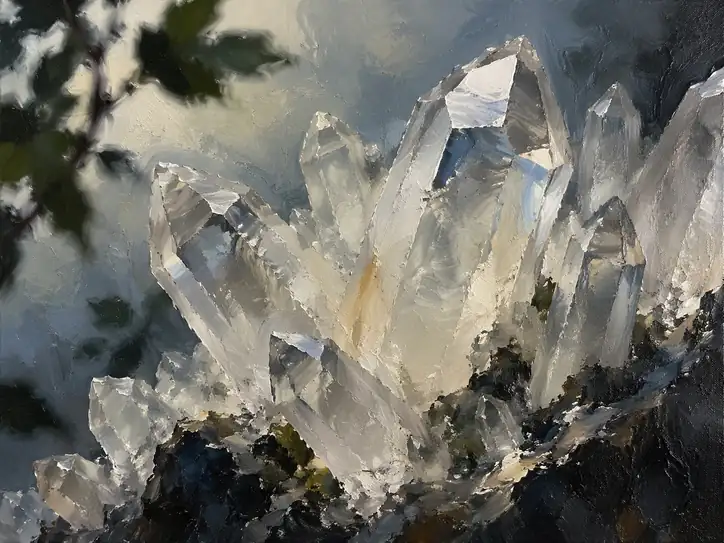 Crystalline Quietude
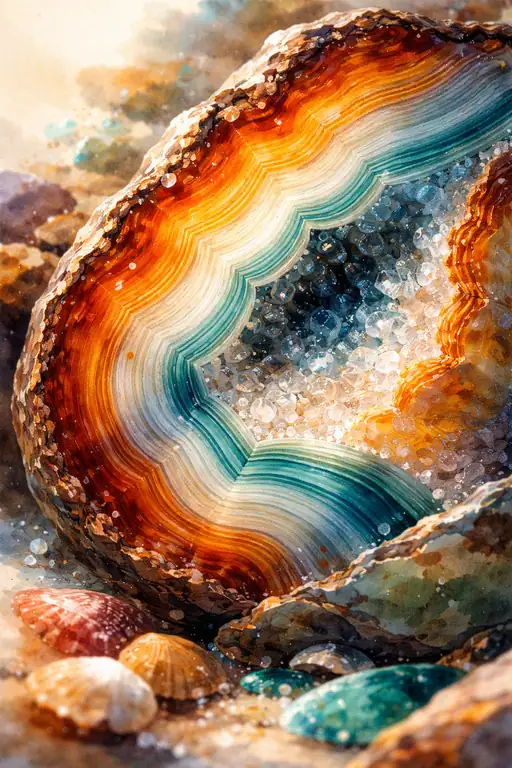 The Earth's Hidden Rainbow
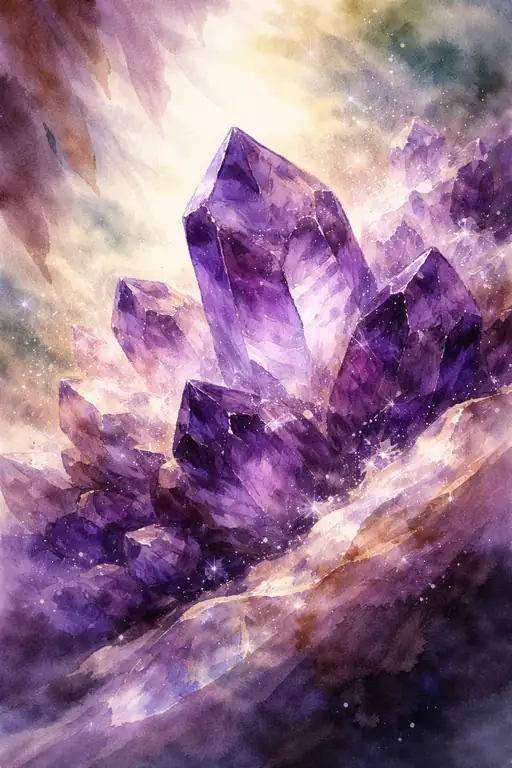 Luminous Wonders of Violet
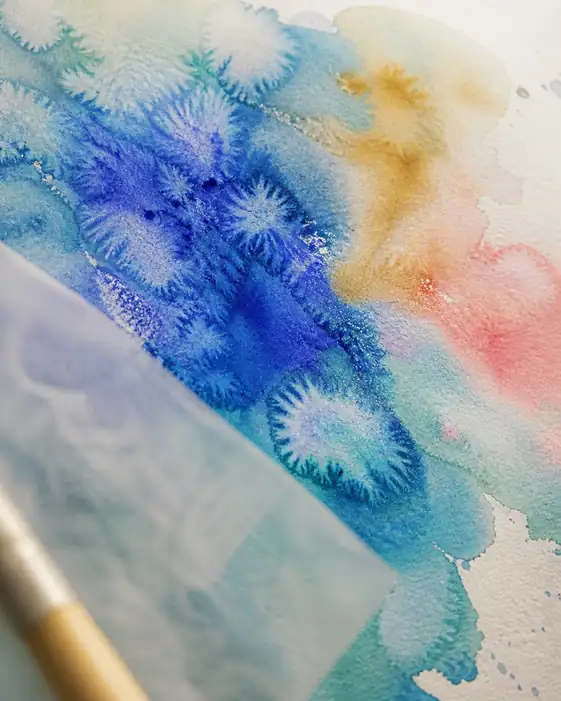 Crystallization of the Invisible
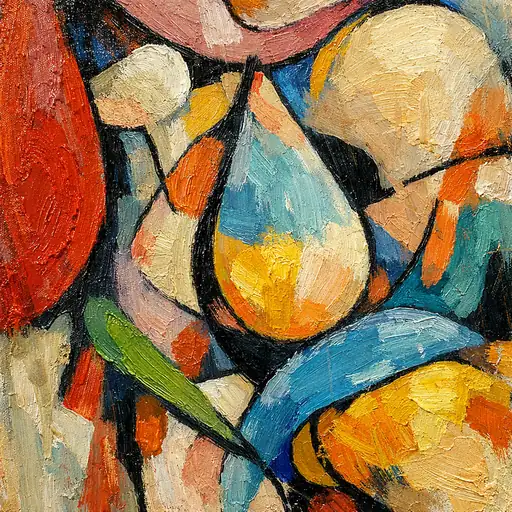 Symphony of the Stained Glass Soul
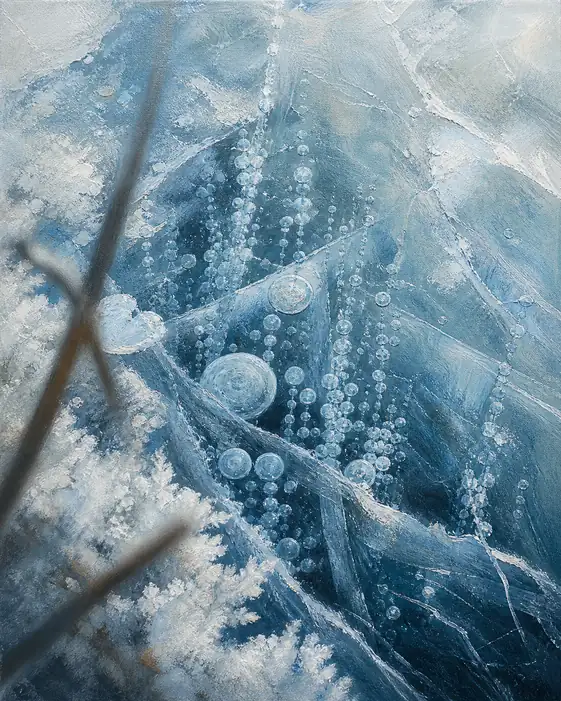 Breath Held in Blue Silence
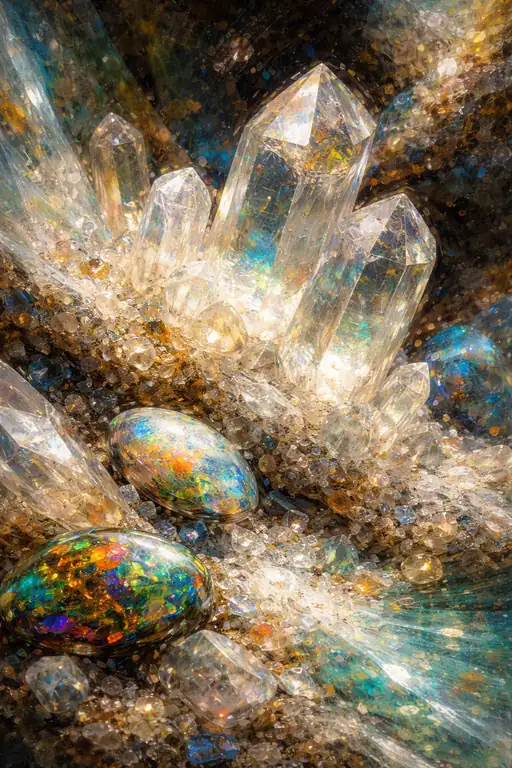 Echoes of the Earth's Hidden Magic
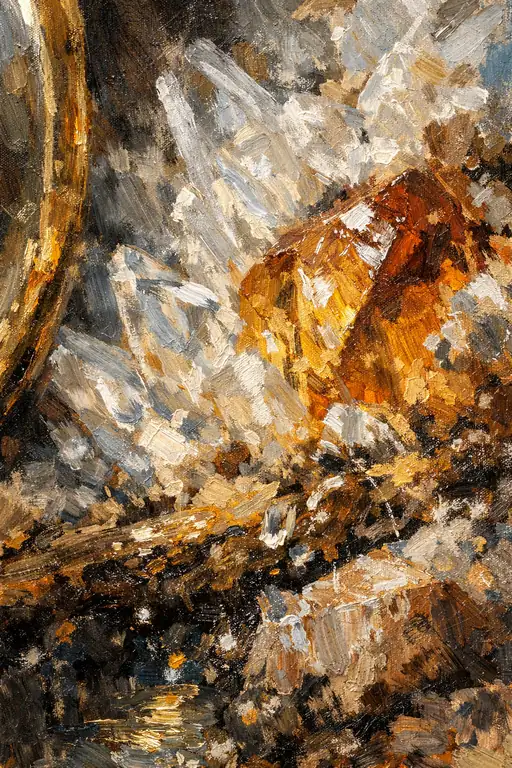 Slumber of the Golden Earth
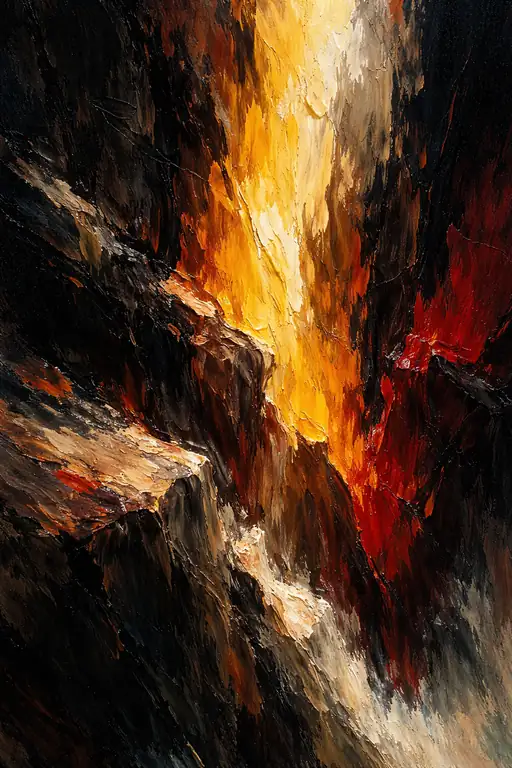 Golden Light in the Crevice