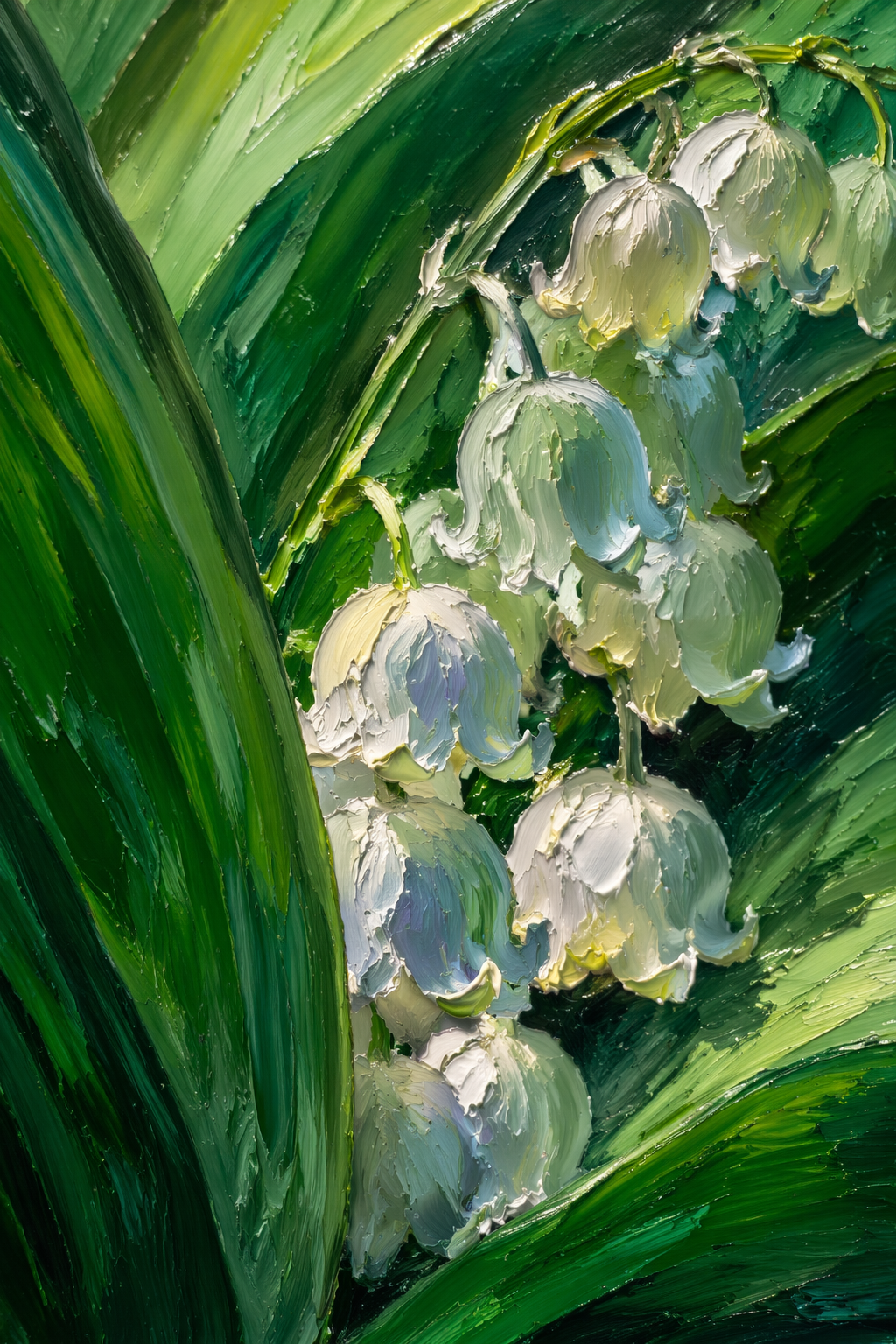
Luminous Cascade of Spring
Critique
1. Introduction This vertical oil painting offers a captivating, close-up view of Lily of the Valley, captured with a thick and expressive impasto technique. The composition focuses on a cluster of bell-shaped white flowers that gently cascade down the right side of the canvas, framed by large, verdant leaves. The artist uses a heavy application of pigment to breathe physical life into the delicate botanical Subject, creating a surface that is as much a sculpture as it is a painting. 2. Description The main focus of the work is the series of small, hanging blossoms, rendered in creamy whites with subtle hints of pale yellow and soft blue in the shadows. Each flower is a distinct, rounded form defined by bold, raised brushstrokes. Surrounding these delicate bells are expansive, elongated leaves in a spectrum of greens—from bright lime to deep forest emerald. The leaves curve gracefully from the left, their long, parallel veins suggested by the direction of the palette knife strokes. 3. Analysis The strength of the piece lies in the remarkable textural contrast between the small, intricate flowers and the broad, sweeping surfaces of the leaves. The artist employs a high-key lighting approach, where the white of the petals reflects light from a source above, creating a sense of luminosity within the dense paint. The rhythmic repetition of the floral bells creates a vertical movement that guides the viewer's eye downward, while the dark shadows between the leaves provide significant depth. 4. Interpretation and Evaluation This work successfully reconciles the inherent fragility of the Lily of the Valley with the rugged, permanent nature of heavy oil paint. By amplifying the physical presence of the plant through impasto, the artist elevates a simple garden blossom into a monumental subject. The composition is well-balanced, utilizing the diagonal thrust of the leaves to create a dynamic yet stable framework. The technical execution is exceptional, demonstrating a sophisticated understanding of how light interacts with thick material. 5. Conclusion While the subject matter is traditionally associated with ephemeral delicacy, the heavy execution gives the piece a lasting, structural quality. The initial impression of fresh, spring-like vitality is reinforced upon closer inspection by the confident, material-focused technique. Ultimately, the painting stands as a powerful testament to the ability of art to transform the most delicate aspects of nature into a robust and enduring visual experience.
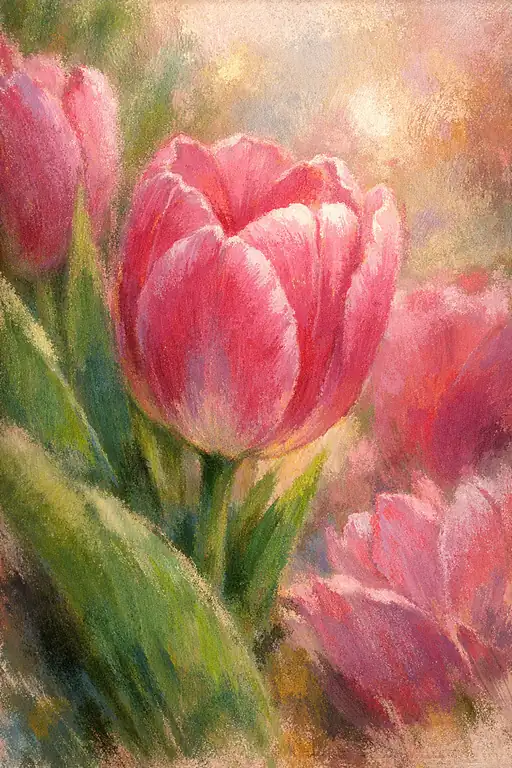 Golden Haze of Spring
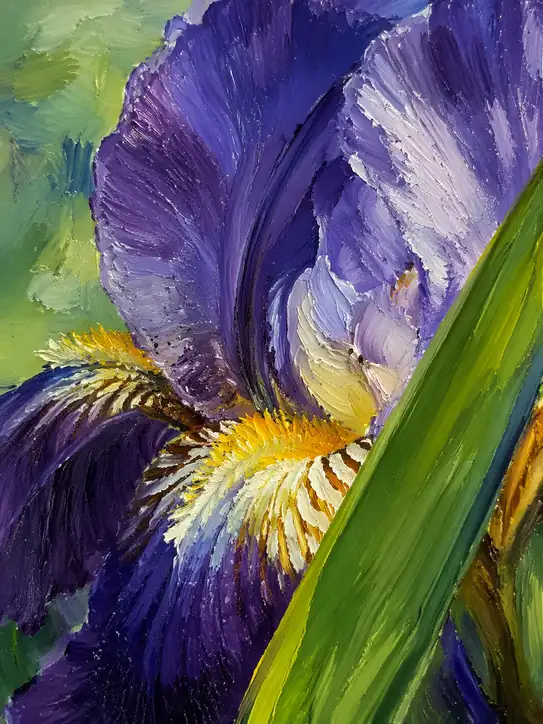 Violet Majesty Unveiled
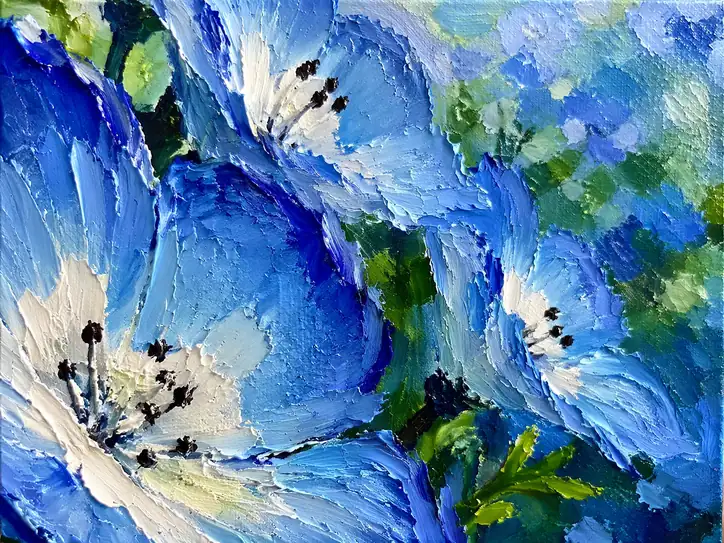 Cerulean Rhythms of Nature
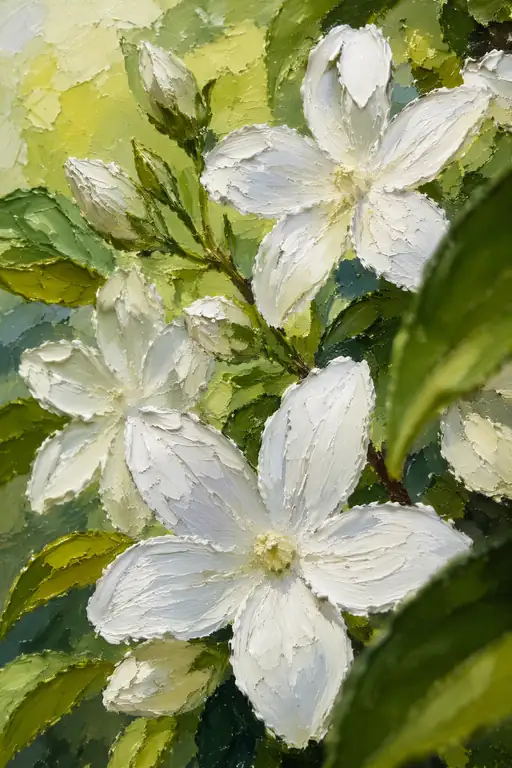 Brilliant Promise of White
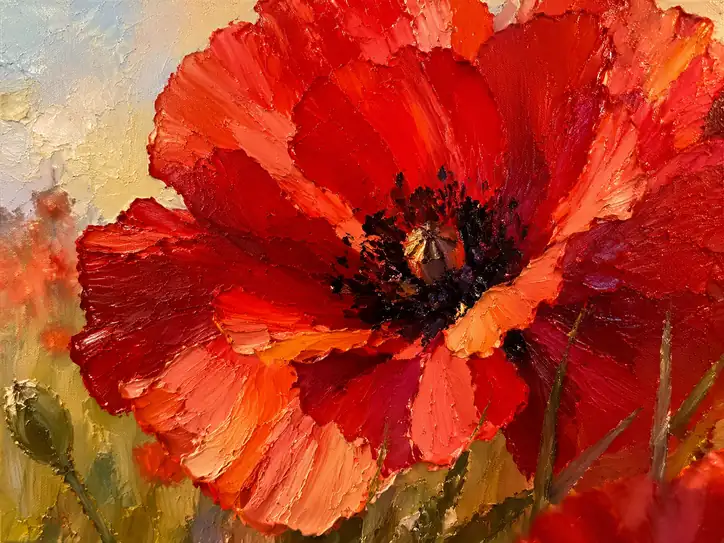 Scarlet Awakening
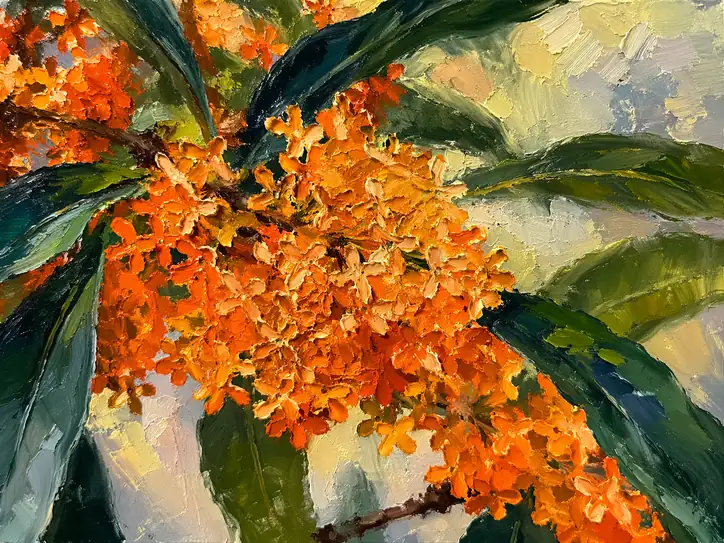 Vivid Impasto Osmanthus
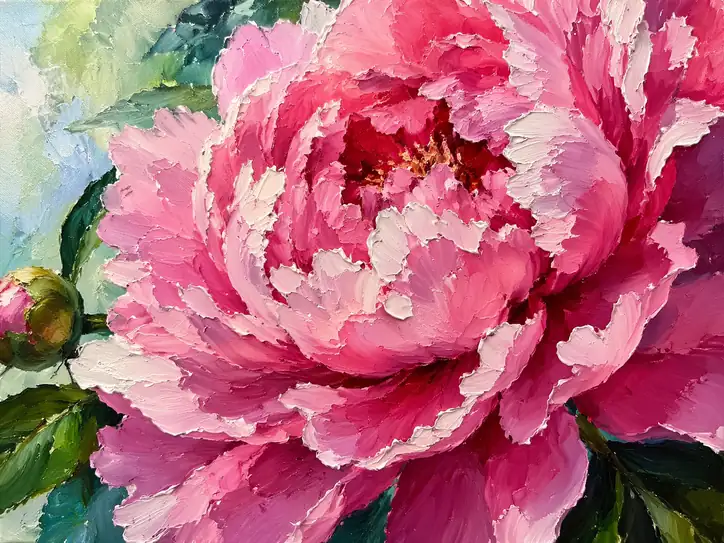 Vibrant Crest of Spring
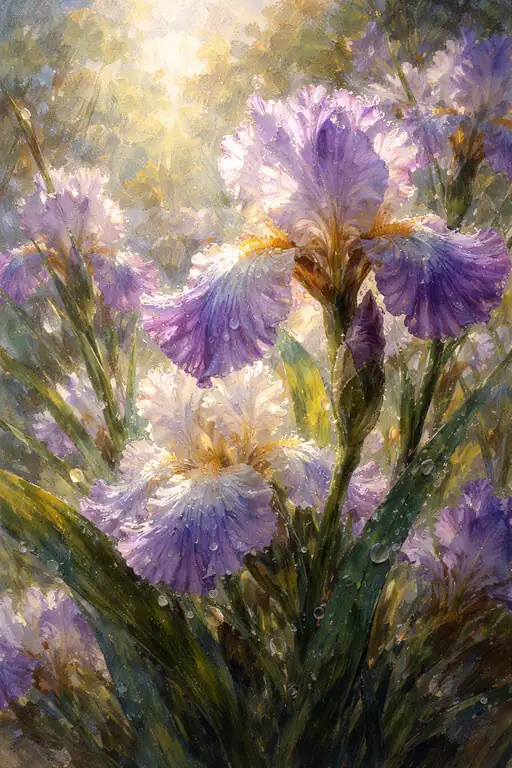 Morning's Gentle Kiss
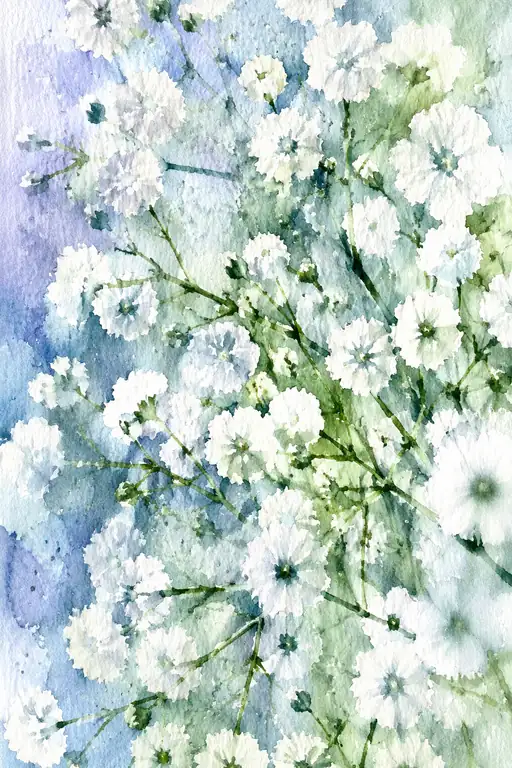 Dreamy Gypsophila Against Purple
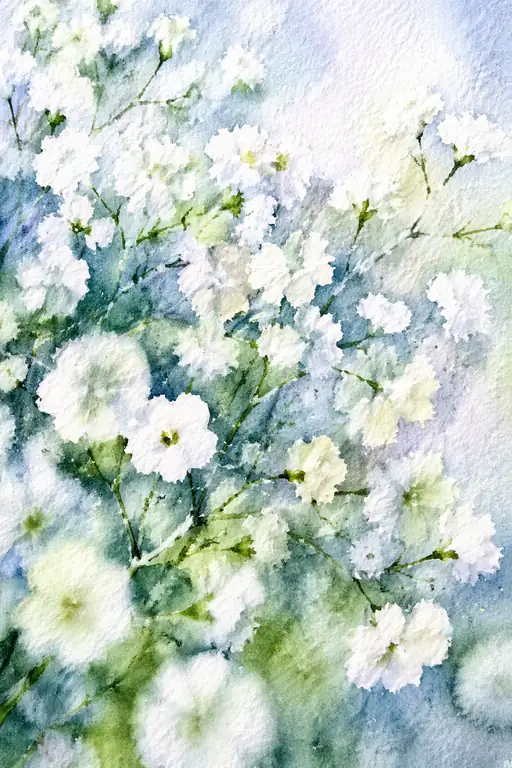 Airy Watercolor Gypsophila
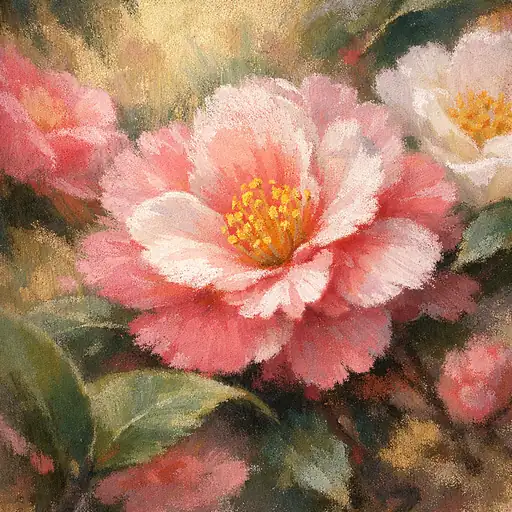 Thick Impasto of a Spring Blossom