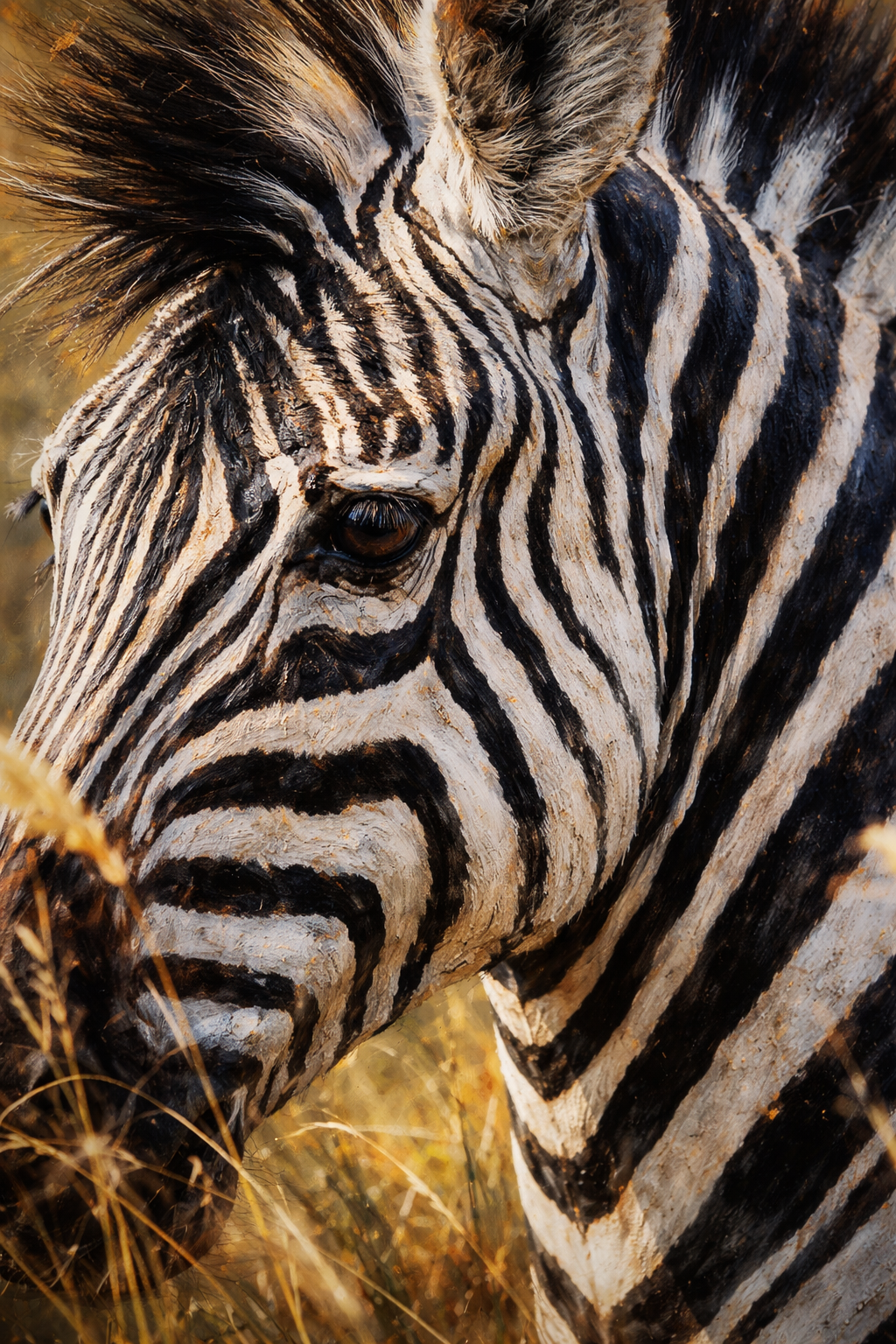
The Solitary Gaze of the Savannah
Critique
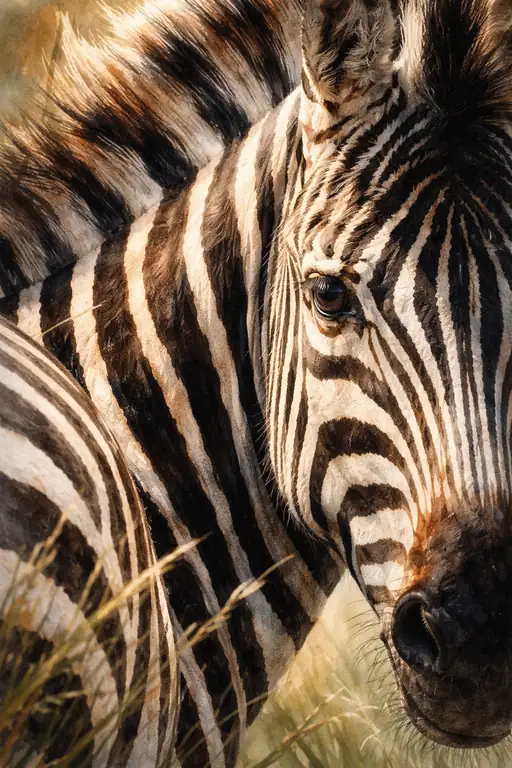
1. Introduction This artwork presents a compelling close-up portrait of a zebra, capturing the raw vitality of the wilderness alongside its extraordinary formal beauty. Dominating the frame is the head, rendered to highlight intricate stripe patterns and nature's geometry. The viewer's gaze is drawn toward the dark, liquid eye, which subtly reflects the soft ambient light. 2. Description The focus lies in the realism applied to the complex patterns and textures. The stark contrast between black and white stripes follows the facial contours to suggest underlying musculature and depth. Each bristle of the short mane is individually defined, while the golden background grass provides a warm bokeh that emphasizes the subject's powerful presence. 3. Analysis Formally, the rhythmic repetition of curving stripes imbues the composition with dynamic energy. Varying line thickness and subtle twisting articulate the robust structure, transforming the pattern into a three-dimensional presence. The chromatic tension between the monochromatic subject and the warm background creates a visual hierarchy, emphasizing the solitary dignity of the animal within its sunlit habitat. 4. Interpretation and Evaluation This piece demonstrates a profound respect for the mathematical designs found in nature, recontextualizing the zebra as a fusion of decorative pattern and organic life. The artist successfully balances anatomical study with an artistic sensibility that elevates the subject. The precision used to convey the transparency of the eye and coarse mane reveals a sincere commitment to life. 5. Conclusion By integrating exhaustive detail into a unified image, the work achieves a high level of sophistication. While the initial attraction is the graphic allure of the stripes, engagement reveals the quiet breath of the wild. The commitment to realism has produced a symbolic presence, making this an outstanding contribution to the animal portraiture.
Same Subcategory
Similar Artworks
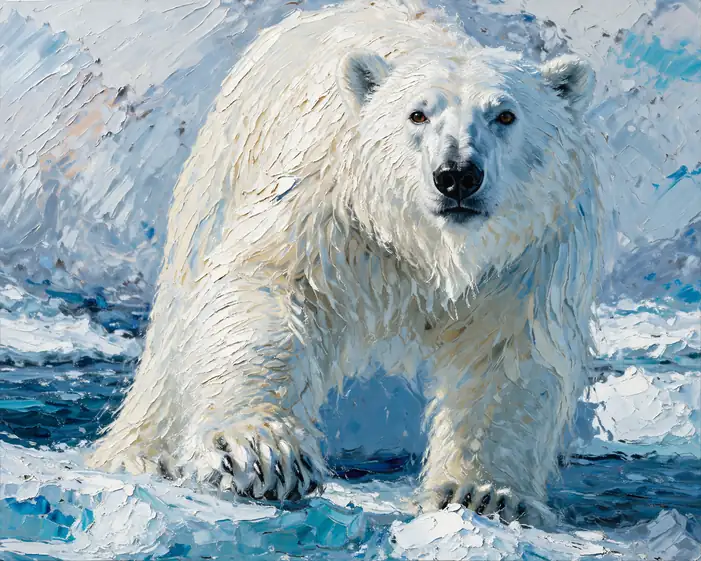 The Indomitable Form Within the Freezing Expanse
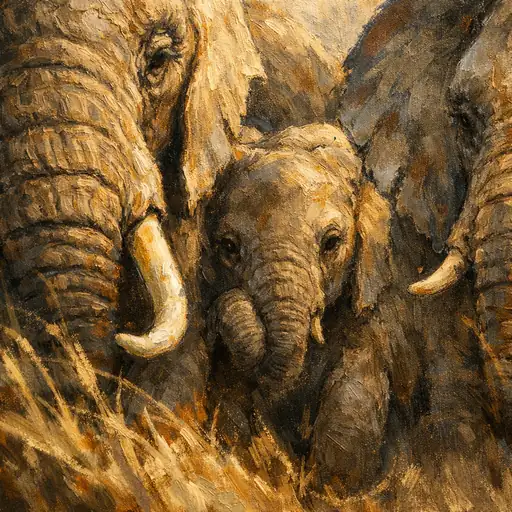 Monuments of Dust and Bone
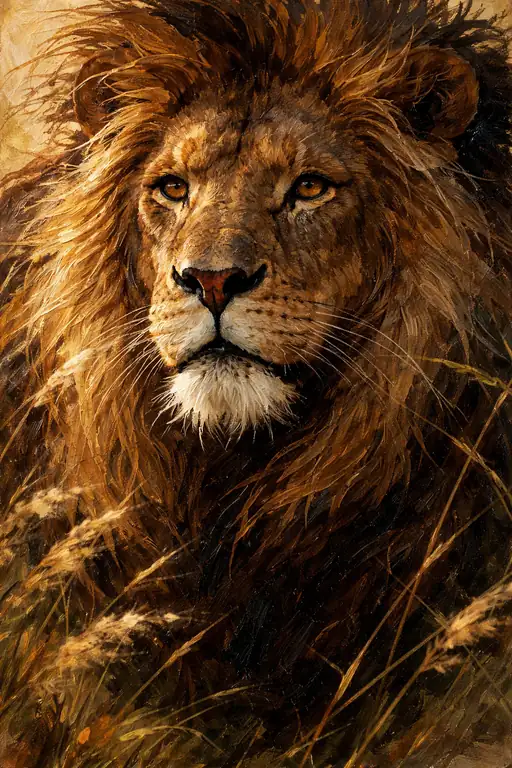 A King's Silent Endurance
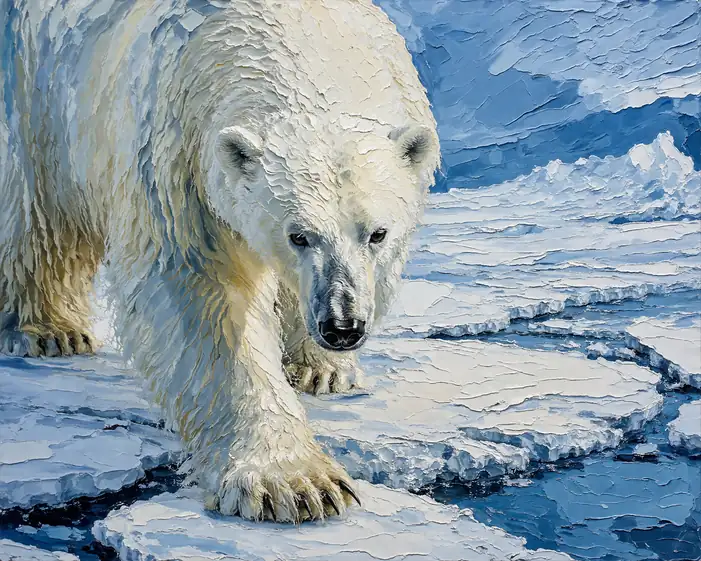 The Solitary Path Across the Fractured Realm
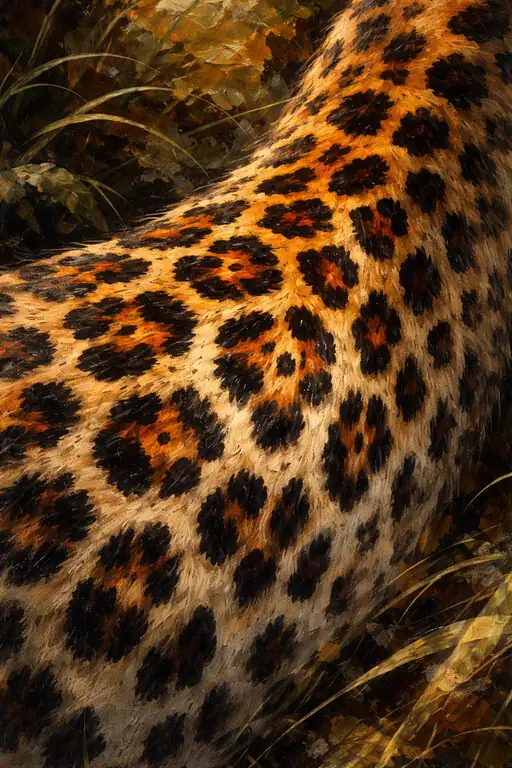 Rhythm in the Shadows
 Echoes of a Forgotten Path
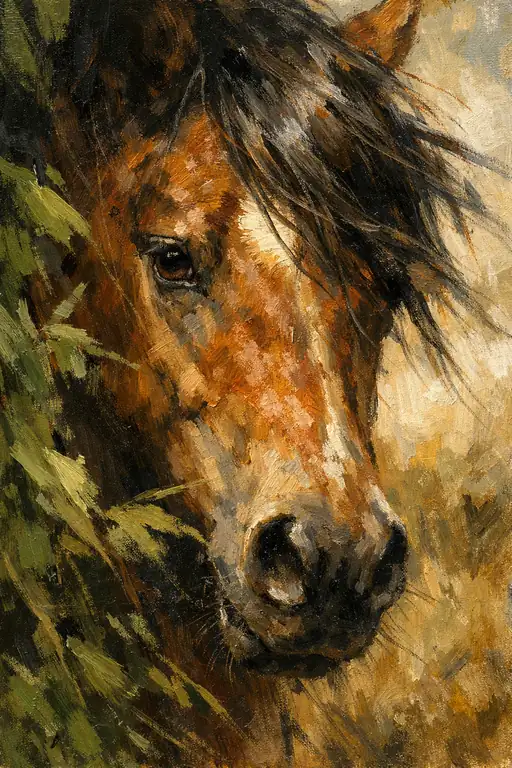 Echoes of the Wild
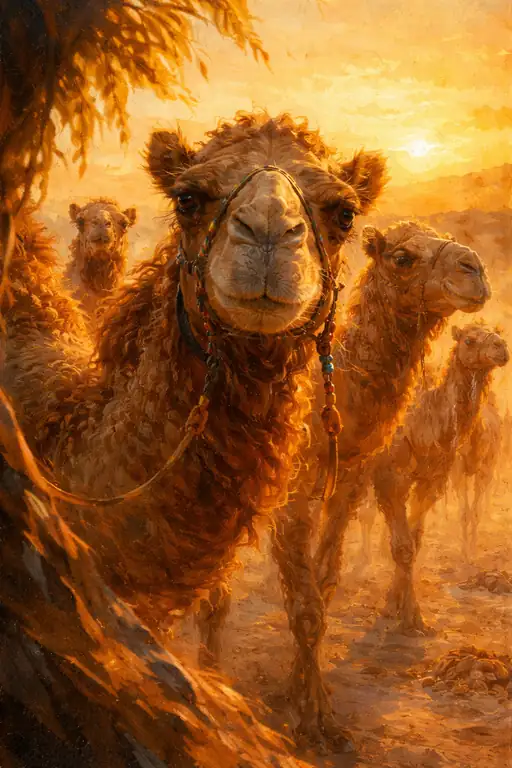 Journey Through the Golden Haze
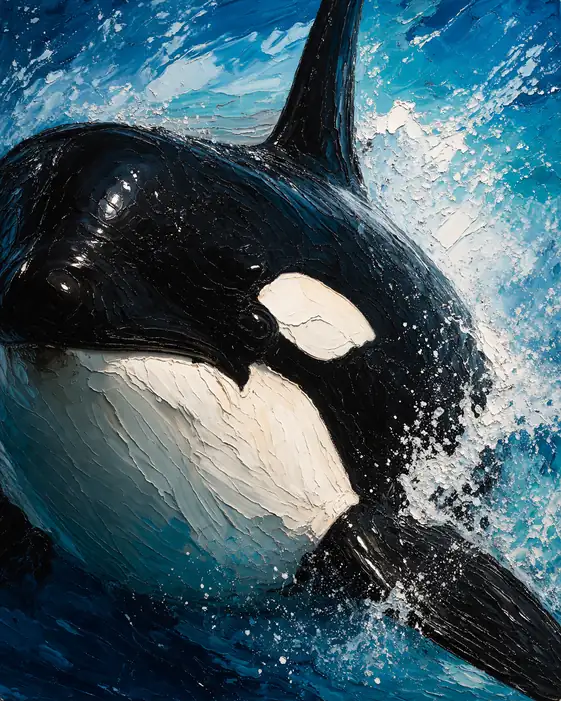 Breaching the Surface: The Raw Power of the Orca
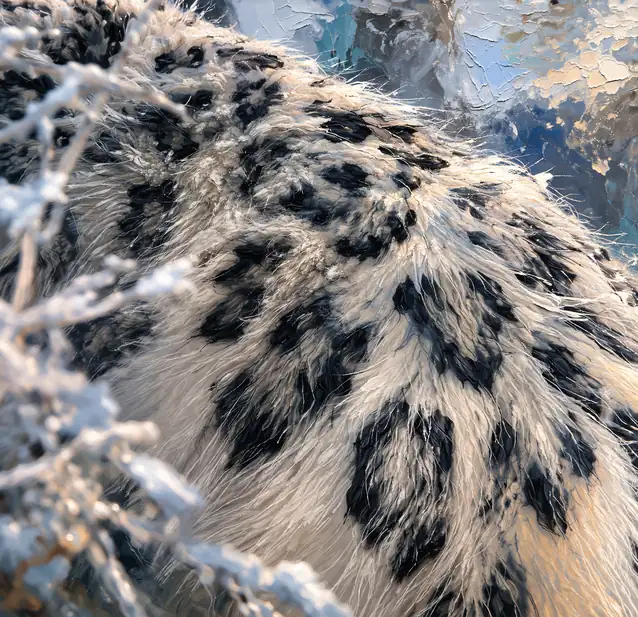 Quiet Endurance Beneath the Frost