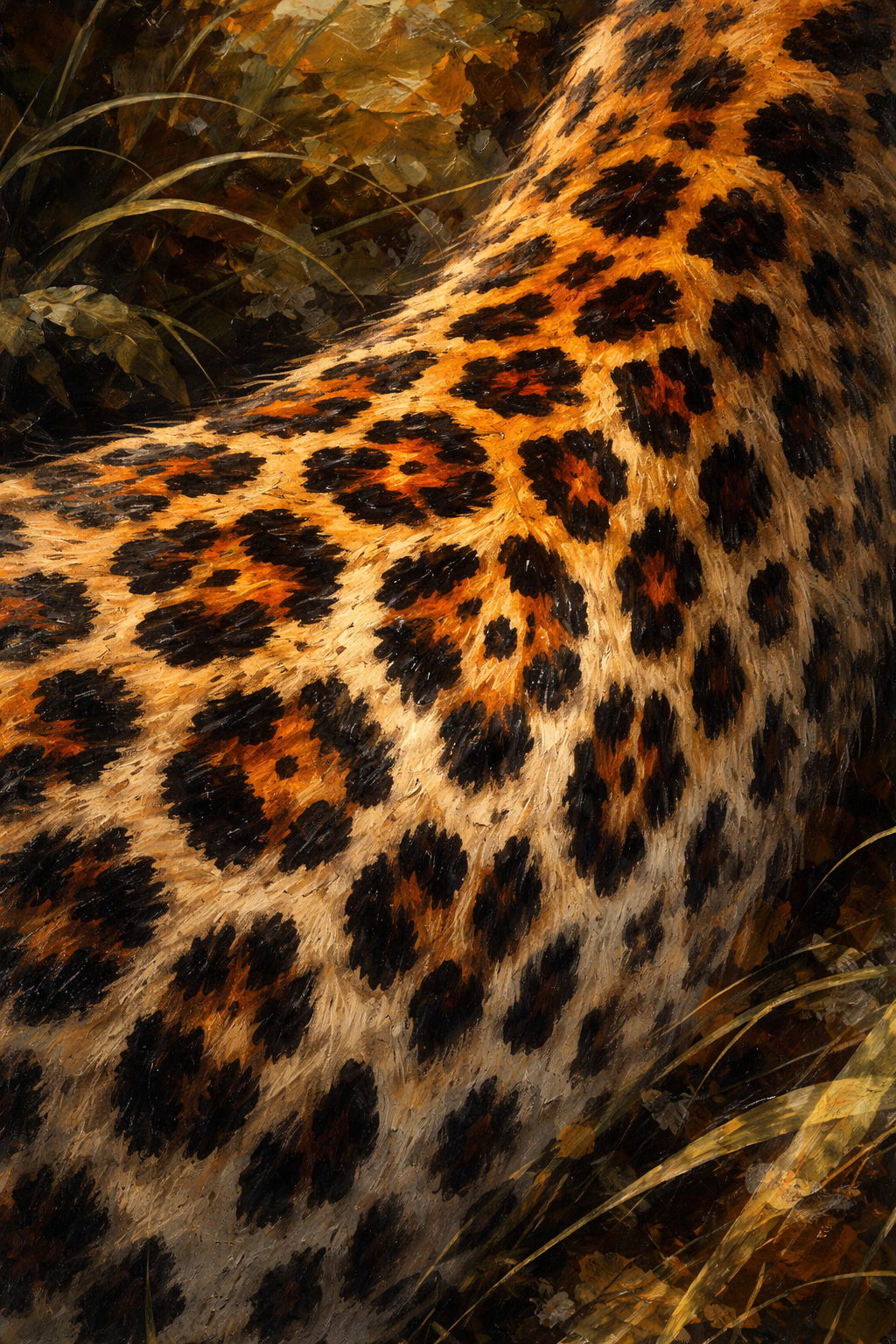
Rhythm in the Shadows
Critique
1. Introduction The artwork presents a meticulously rendered close-up study of a leopard's coat, executed in a style that emphasizes both texture and form. This composition departs from traditional wildlife portraiture by focusing exclusively on a fragment of the animal's body rather than its entire silhouette. By isolating the pattern of the fur, the work invites the viewer to appreciate the inherent aesthetic qualities of natural camouflage. The overall atmosphere is one of quiet intensity, achieved through a combination of complex organic patterns and a somber, shadowed background. 2. Description The central focus of the image is the dense arrangement of leopard rosettes, which vary in size and clarity across the depicted surface. These markings are characterized by dark, irregular borders surrounding centers of deep amber and ochre. The underlying fur transitions from a pale cream in the lower sections to a vibrant golden-brown toward the upper regions. In the periphery, slender blades of grass and dark foliage are visible, rendered with sharp, decisive strokes. The lighting appears to originate from an external, unseen source, casting a soft glow that follows the curvature of the animal's musculature. 3. Analysis The artist utilizes a tactile brushwork technique that suggests the individual strands of fur while maintaining a cohesive, painterly surface. The repetition of the rosette patterns creates a strong visual rhythm that guides the eye diagonally across the frame. This rhythmic quality is balanced by the stability of the dark background, which provides a necessary contrast to the bright, warm tones of the fur. The use of highlights on the upper curve of the body successfully conveys a sense of three-dimensional volume and physical weight. Color transitions are handled with subtle blending, ensuring a naturalistic progression between varied shades of gold and brown. 4. Interpretation and Evaluation This work serves as a sophisticated exploration of the relationship between nature and abstraction. While the subject remains clearly identifiable, the tight framing elevates the organic patterns into a study of pure visual elements. The technical execution is exceptional, particularly in the way the brushstrokes mimic the direction of hair growth to enhance the sense of realism. The composition is well-balanced, avoiding a cluttered appearance despite the complexity of the spots. Its primary value lies in its ability to transform a common biological feature into a compelling focal point that demands focused observation. 5. Conclusion The piece succeeds in capturing the raw beauty of a predator's hide through disciplined observation and expressive technique. Initial focus on the individual markings eventually gives way to an appreciation for the structural harmony of the entire surface. This painting demonstrates a profound understanding of texture and light, resulting in a powerful tribute to the intricate designs found in the natural world.
Same Subcategory
Similar Artworks
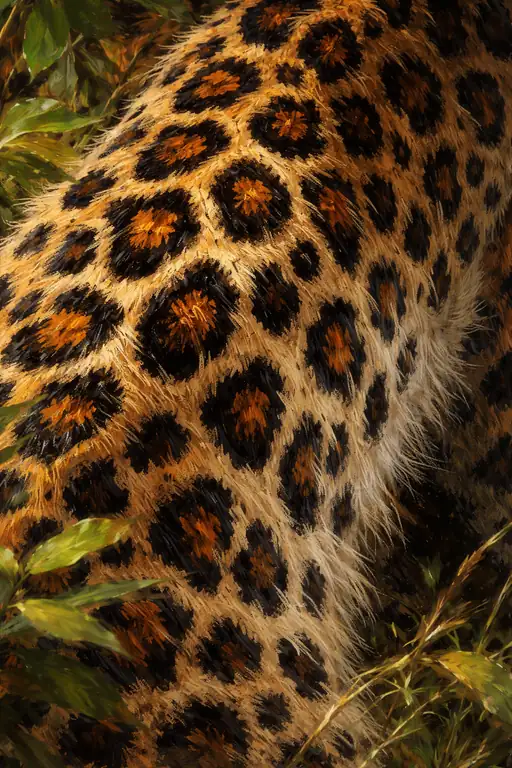 Silent Guardian of the Twilight
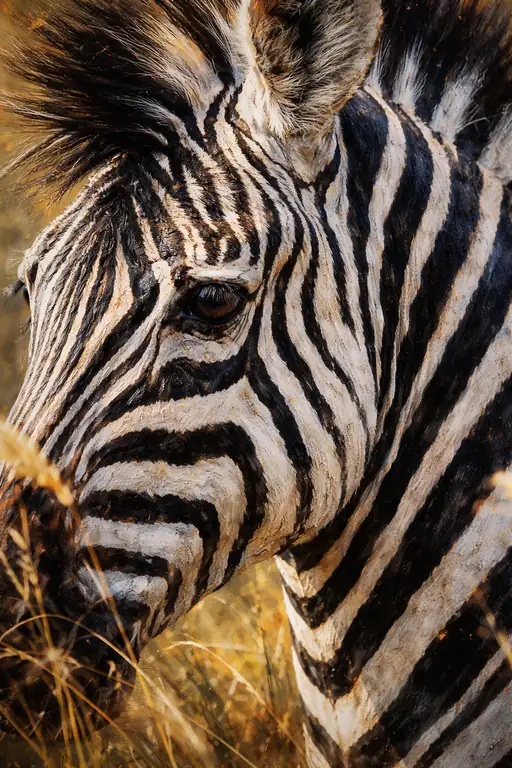 The Solitary Gaze of the Savannah
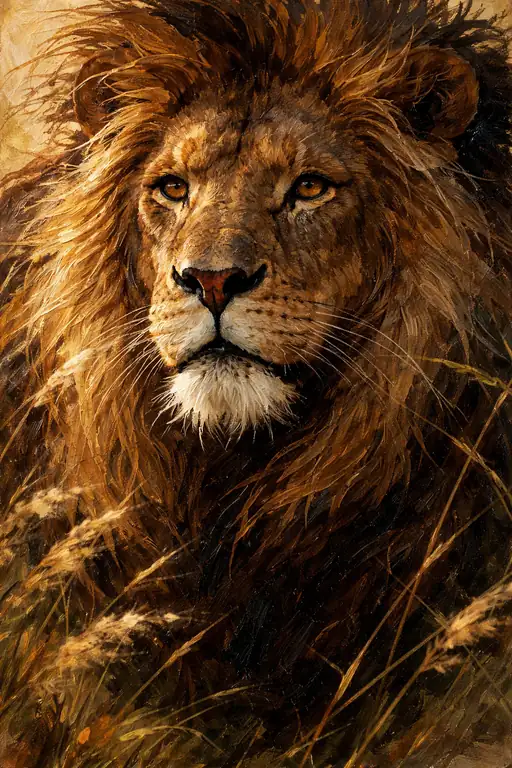 A King's Silent Endurance
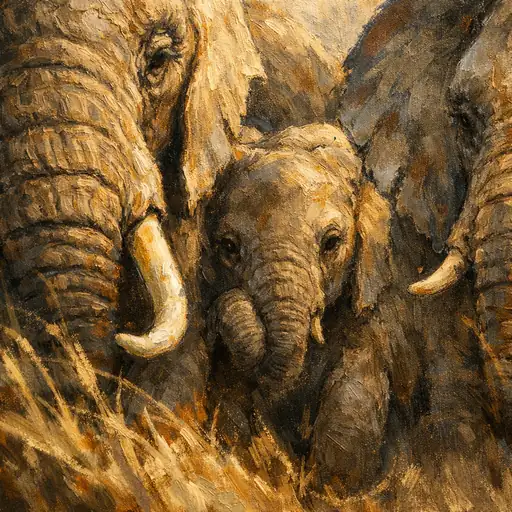 Monuments of Dust and Bone
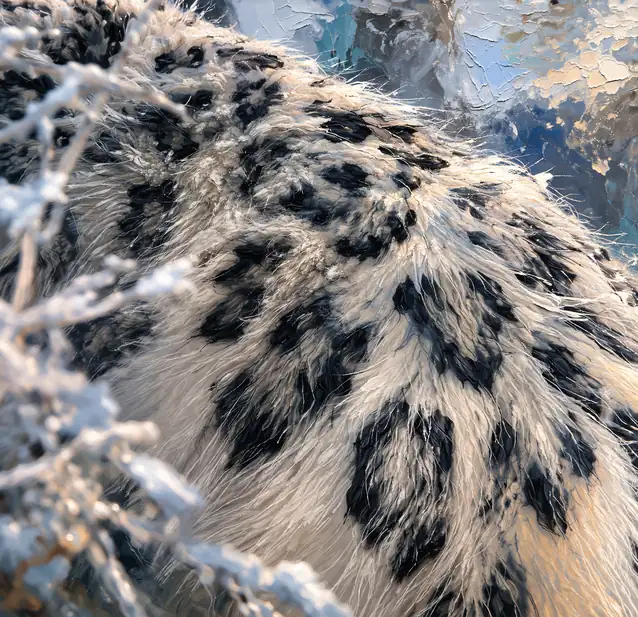 Quiet Endurance Beneath the Frost
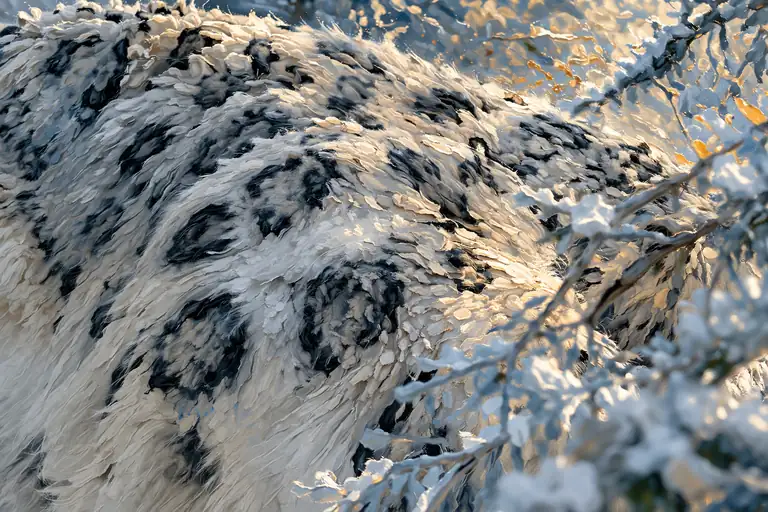 Golden Warmth on Frosted Camouflage
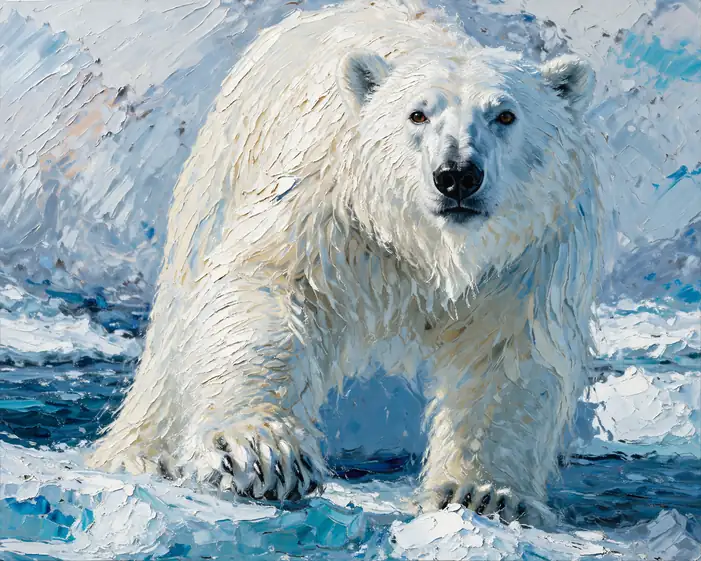 The Indomitable Form Within the Freezing Expanse
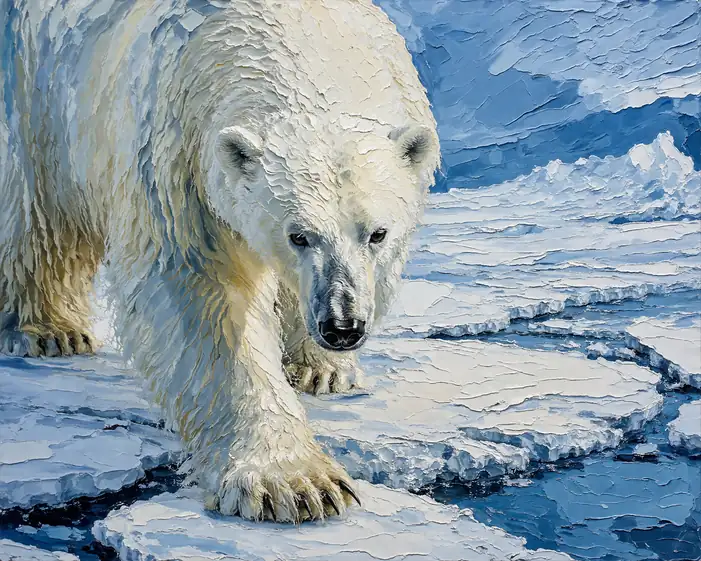 The Solitary Path Across the Fractured Realm
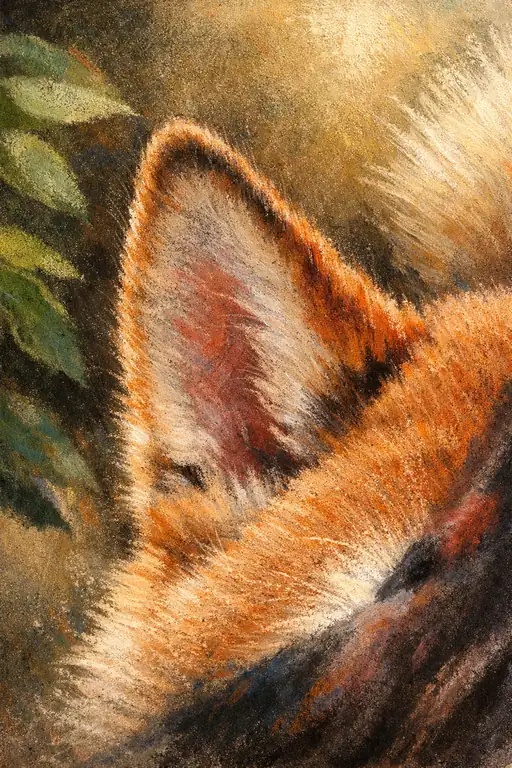 Wild Fox Ear Bathed in Light
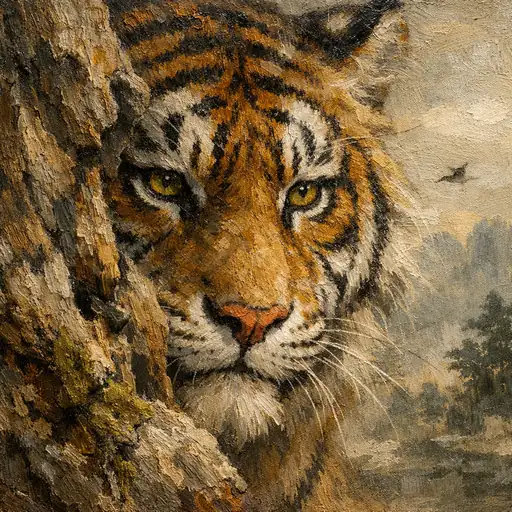 Gaze from the Silent Canopy