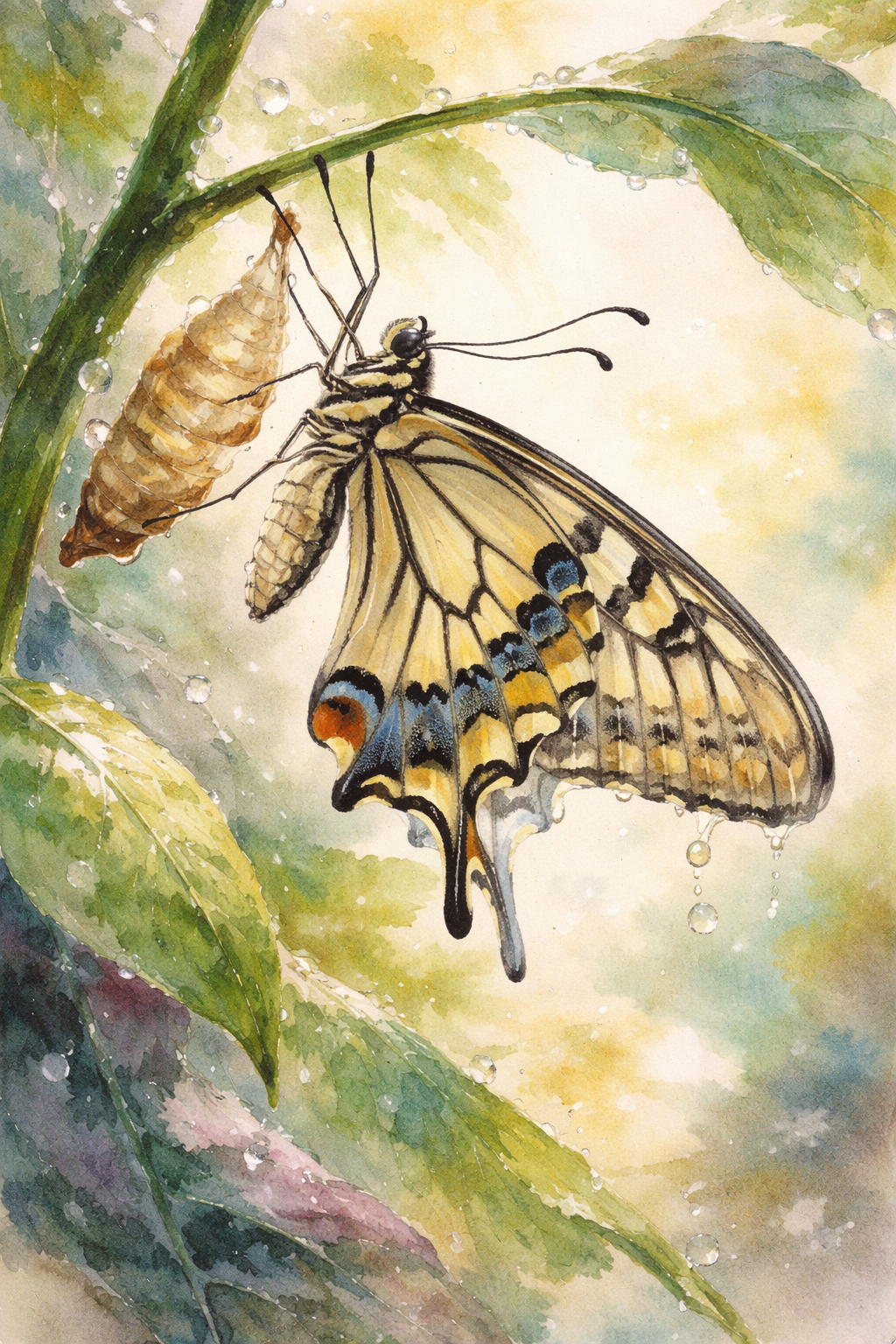
Dawn of Metamorphosis
Critique
1. Introduction This watercolor painting captures the poignant moment of a newly emerged swallowtail butterfly resting beside its discarded chrysalis. Focusing on a significant biological transformation within the natural world, the work visualizes the quiet yet powerful pulse of life through delicate brushwork. The combination of precise observation and the inherent transparency of the watercolor medium creates a piece that functions as both an artistic expression and a detailed study of nature. The overall atmosphere invites viewers to reflect on the intricate beauty and wonder of the environment. 2. Description In the center of the composition, a large butterfly with intricate yellow and black wing patterns is positioned vertically, clutching a green stem. To its left hangs a brownish, textured chrysalis that appears empty, marking the origin of the creature’s current form. The surrounding foliage consists of lush green leaves and stems adorned with numerous translucent water droplets, suggesting early morning dew or recent rainfall. The background is a soft, atmospheric blur of pale yellow, green, and earthy tones, which imbues the scene with a sense of depth and misty luminosity. 3. Analysis The composition utilizes a strong diagonal line formed by the plant stem, which guides the viewer's eye across the frame and provides a structural anchor for the central subjects. This diagonal is balanced by the vertical orientation of the butterfly, emphasizing the stillness of the moment. Technologically, the artist employs a mix of wet-on-wet techniques for the ethereal background and sharp, fine-lined details for the butterfly's wings. The treatment of light is particularly effective, with bright highlights on the water droplets creating a convincing illusion of transparency and volume. 4. Interpretation and Evaluation The work serves as a compelling depiction of metamorphosis, capturing the humidity and freshness of a natural habitat. The slight asymmetries in the butterfly’s wings and the weight of the dripping water droplets symbolize the precarious yet resilient nature of new life. The artist's mastery of color and control over the medium allows for a sophisticated interplay between scientific realism and poetic expression. By focusing on multiple elements—such as composition, texture, and light—the painting achieves a high level of aesthetic harmony and intellectual depth. 5. Conclusion While the piece initially appears to be a traditional botanical illustration, closer inspection reveals a profound lyrical quality within the soft background and delicate lighting. It successfully portrays the grand drama of birth and transformation through minute details like a single drop of water or the texture of a leaf. Ultimately, the work stands as a refined artistic achievement rooted in a deep appreciation for the complex beauty found in the natural world.
Same Subcategory
Similar Artworks
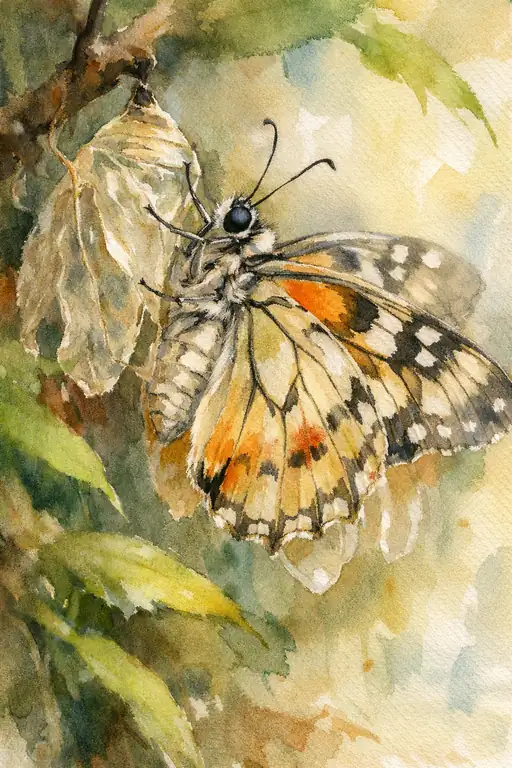 Awakening to a New Emerald World
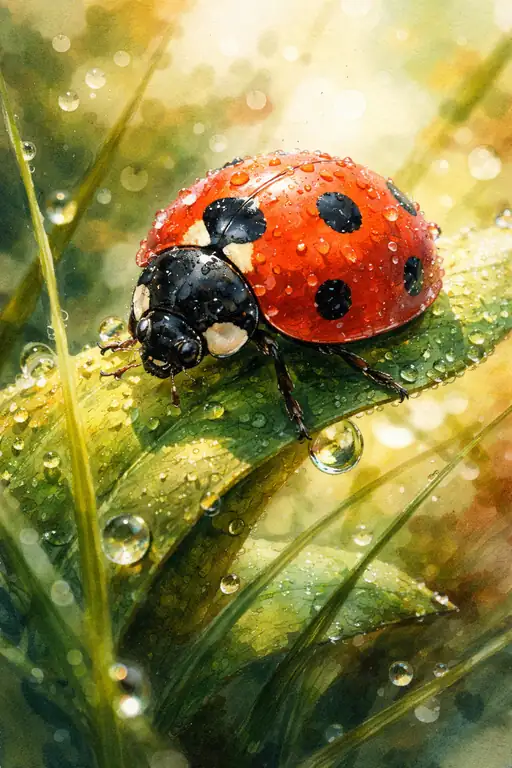 Vibrant Rhythm of the Ocelli
 Resting on a Summer Bloom
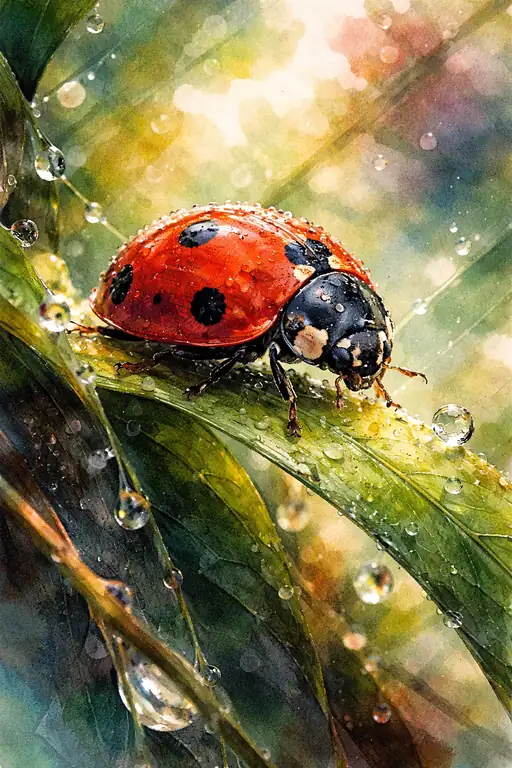 Jewel of the Garden: A Ladybug Suspended in Morning Light
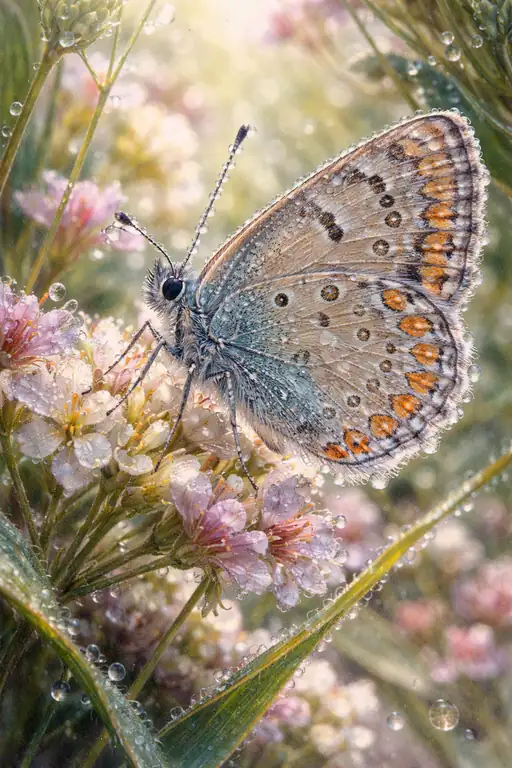 Whispers of the Morning Room
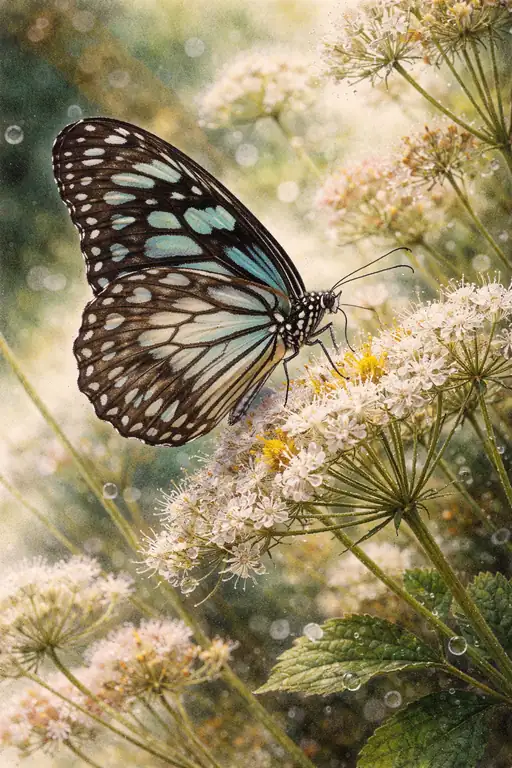 A Moment's Respite in the Sunlit Garden
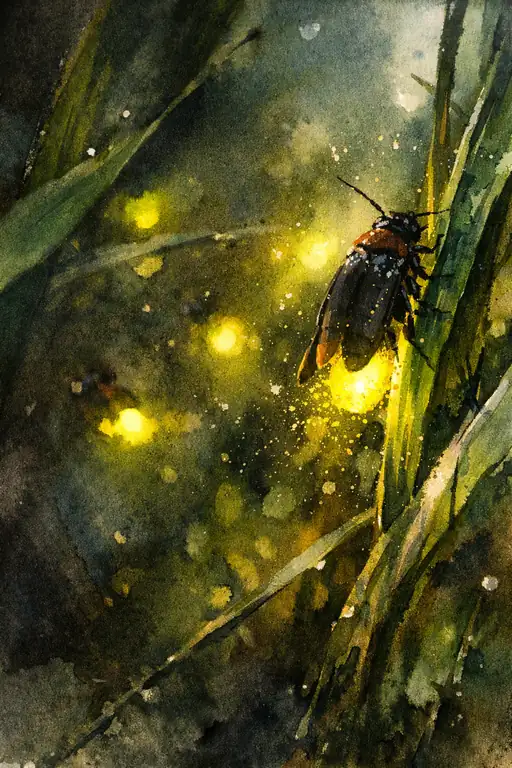 Morning Droplets and a Tiny Wanderer
 Whispers of the Sunlit Monarch
 Dance of the Pollen Seekers
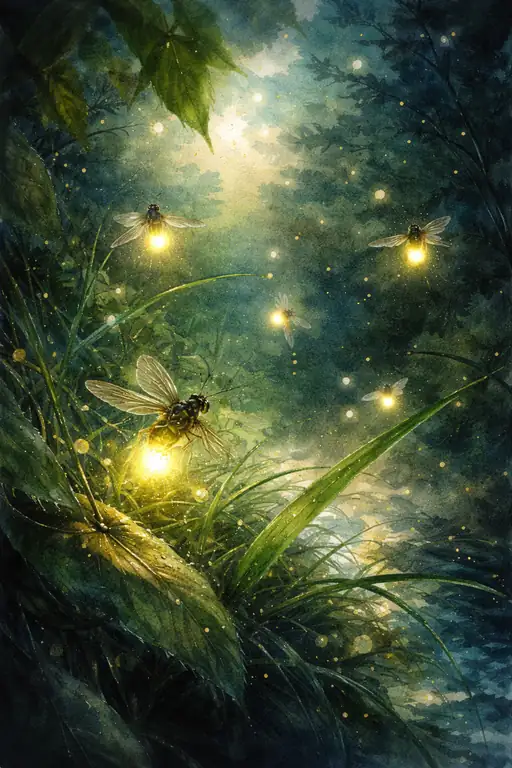 Luminous Specters: The Magic of Bioluminescence in the Deep Woods