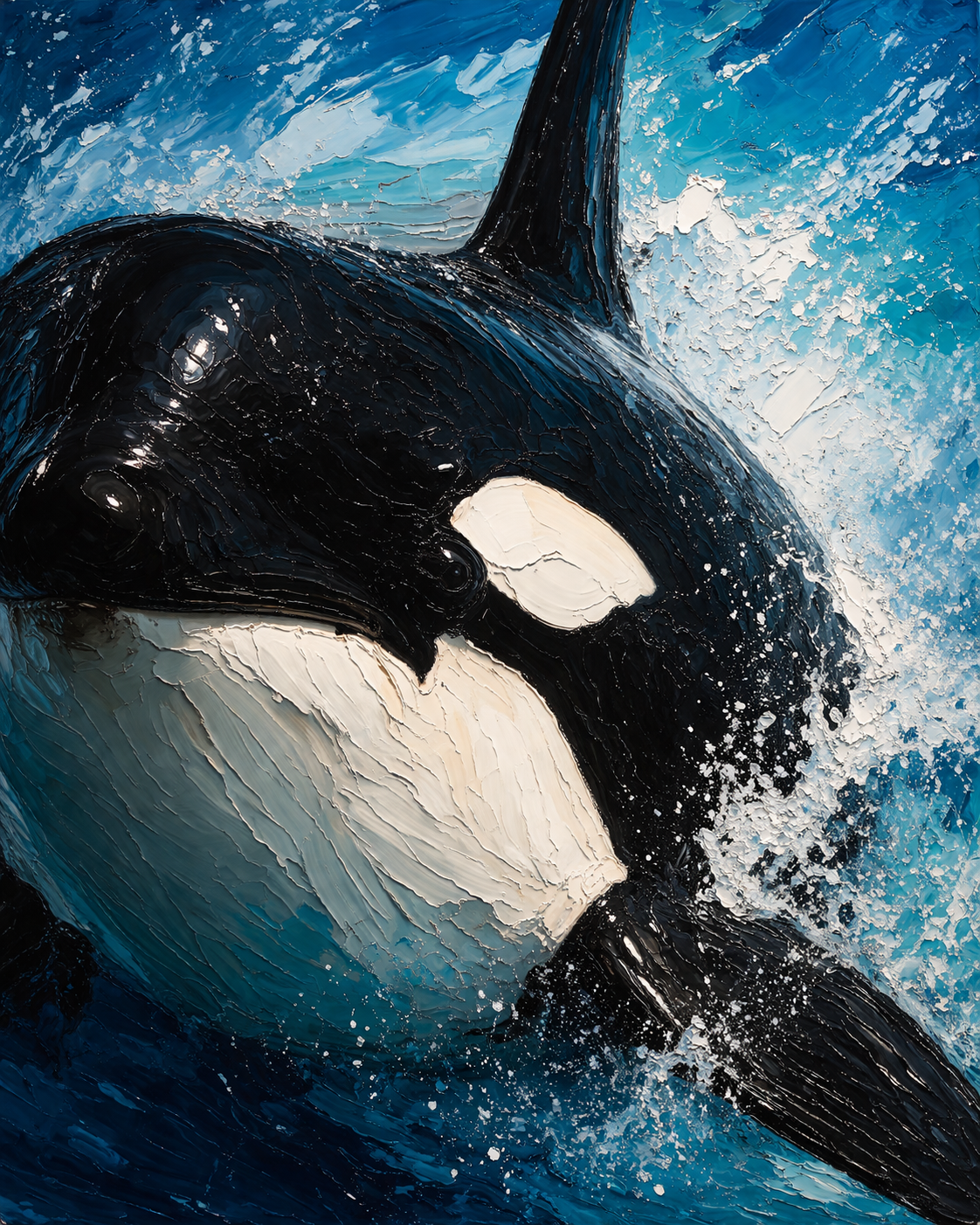
Breaching the Surface: The Raw Power of the Orca
Critique
1. Introduction The painting presented here is a dynamic portrait of an orca, capturing the creature at a moment of intense physical action. The composition focuses on a close-up view of the mammal as it surfaces through the ocean waves. This work immediately establishes a powerful presence through its bold use of texture and light. It invites the viewer to experience the raw energy of marine life through a highly tactile lens. 2. Description In the center of the canvas, the head and dorsal fin of the orca dominate the frame, rendered in glossy black and stark white. The creature's eye reflects a point of light, suggesting a lifelike intelligence and awareness. Surrounding the body, a chaotic array of white and blue strokes represents turbulent water and sea spray. The background consists of deep blue hues that contrast sharply with the vibrant white splashes. The overall scene is one of swift, upward movement. 3. Analysis The most striking formal element of this piece is the heavy impasto technique, which creates a three-dimensional surface. Thick layers of paint are applied with a palette knife, giving the orca's skin and the water a physical weight. The contrast between the saturated black of the body and the high-key white of the splashes creates a strong tonal rhythm. Horizontal and diagonal brushstrokes interact to suggest the resistance of the water against the whale's powerful frame. 4. Interpretation and Evaluation This artwork successfully conveys the strength and majesty of the orca through a combination of realism and expressionistic texture. The artist’s choice to use such thick media enhances the sense of splash and spray, making the aquatic environment feel tangible. Technically, the handling of the palette knife is masterful, controlling the flow of heavy paint to define both smooth skin and jagged waves. The piece stands as a compelling celebration of oceanic vitality and organic form. 5. Conclusion Through its vibrant execution, the painting transforms a brief natural moment into a lasting monument of maritime power. The initial impression of chaotic motion evolves into an appreciation for the structural harmony between the subject and its environment. In conclusion, the work serves as a testament to the evocative potential of impasto in representing the fluid forces of nature. It leaves a lasting impact on the viewer's perception of the sea.
Same Subcategory
 Embrace of Peace
 The Nut Gatherer's Gaze
Similar Artworks
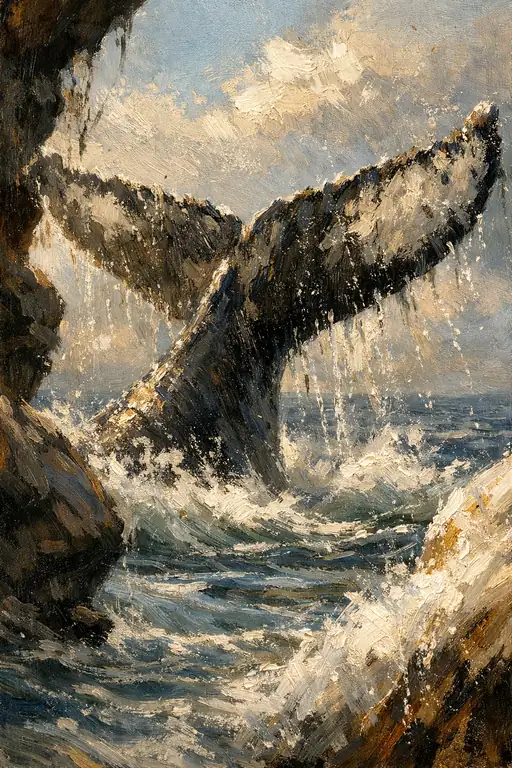 The Untamed Majesty of the Deep
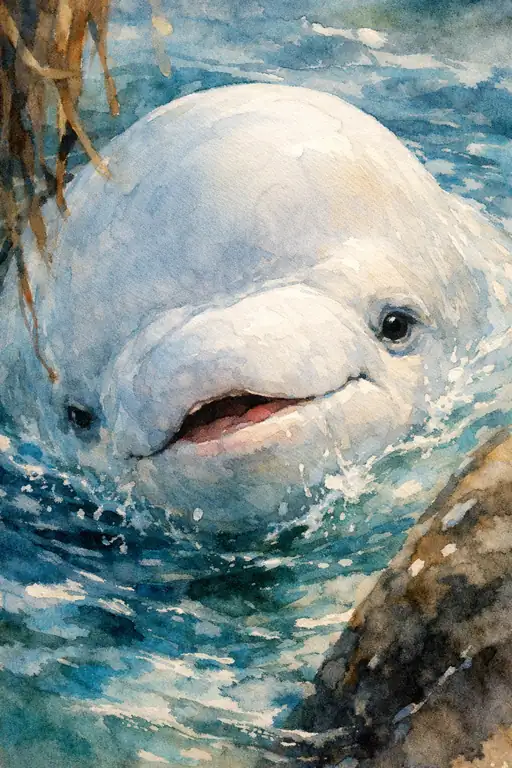 A Gentle Greeting from the Deep
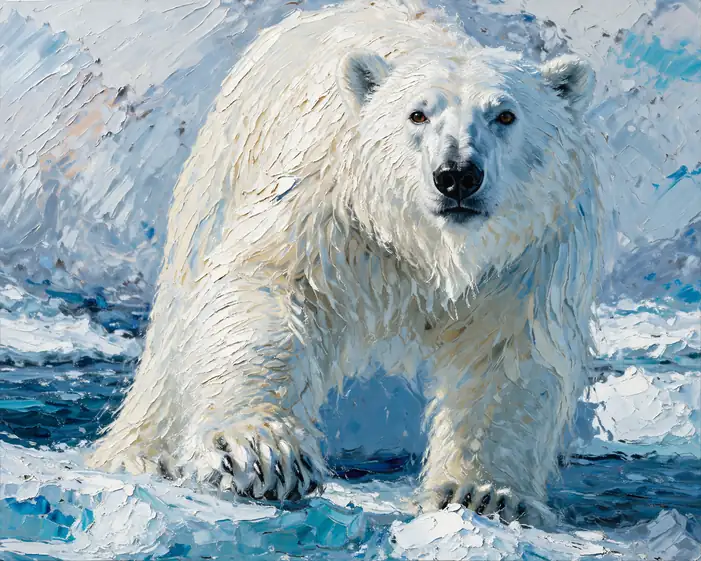 The Indomitable Form Within the Freezing Expanse
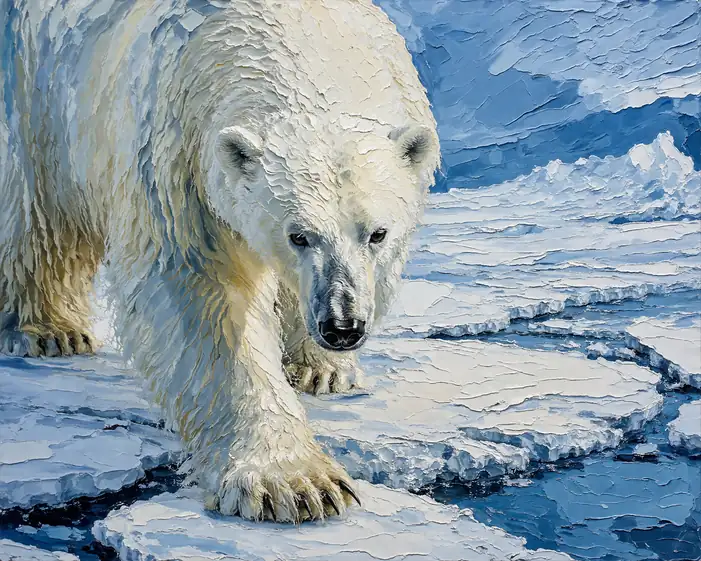 The Solitary Path Across the Fractured Realm
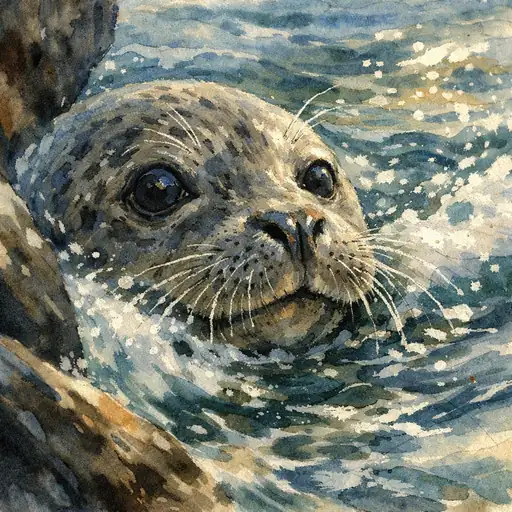 A Fleeting Glint in the Maelstrom
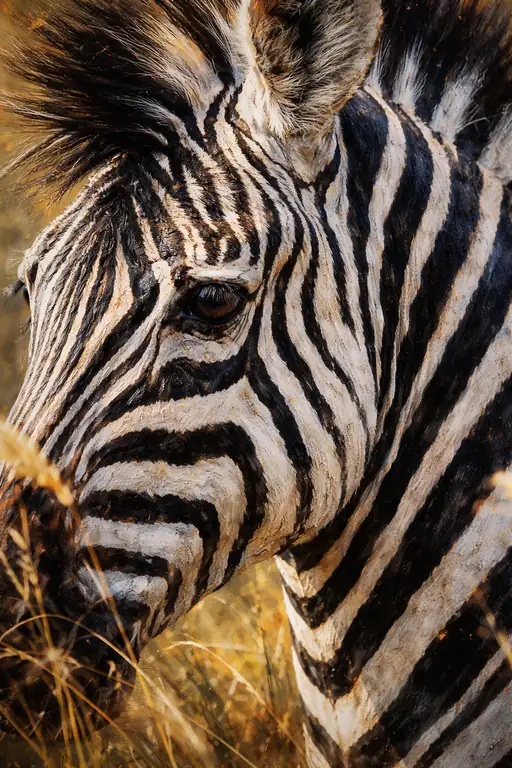 The Solitary Gaze of the Savannah
 Monuments of Dust and Bone
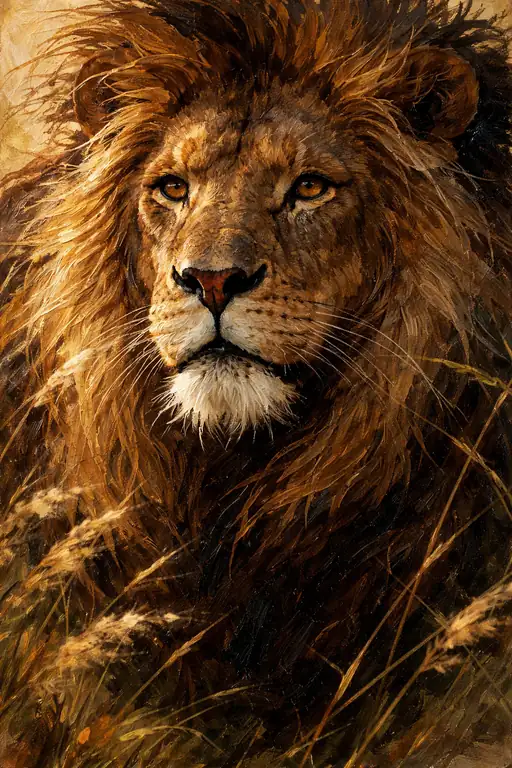 A King's Silent Endurance
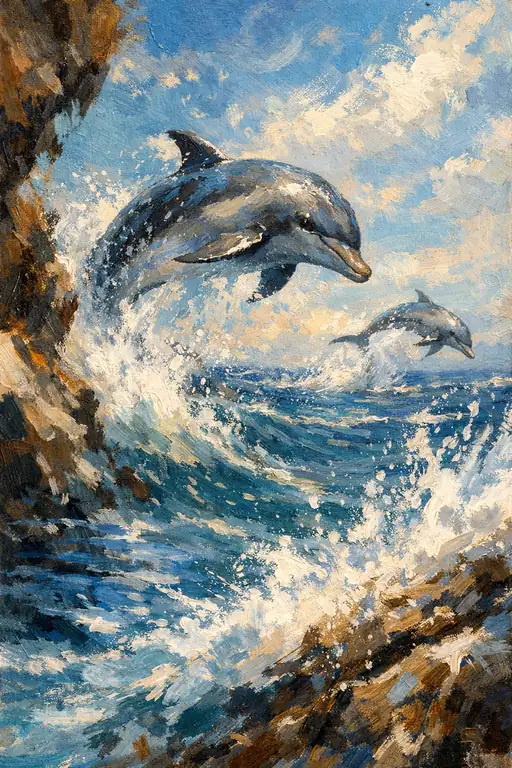 Exuberant Leap Through Churning Seas
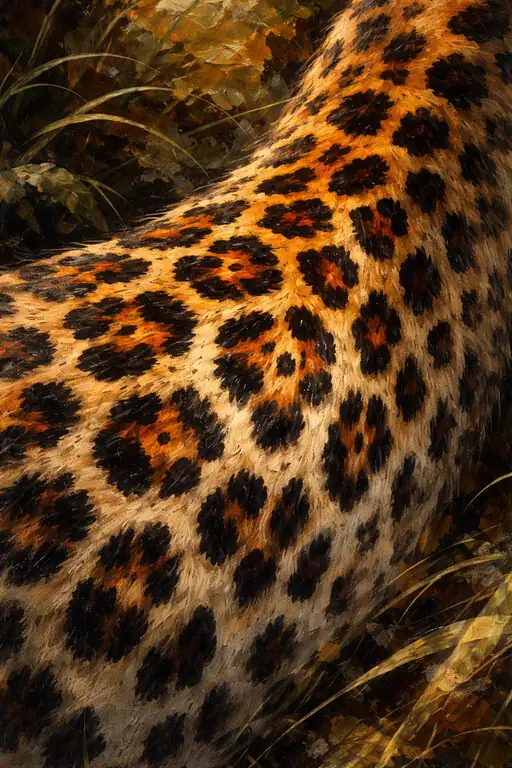 Rhythm in the Shadows